Pentagon and Lockheed Martin Unveil 10-Year F-35 Framework for 850 US Jets, Pending Congress
The Department of War and Lockheed Martin announced on October 22 a framework agreement covering 850 US F-35s over 10 years at a steady 156 aircraft a year, an arrangement that requires multiyear authority and appropriations from Congress before any contract is awarded.
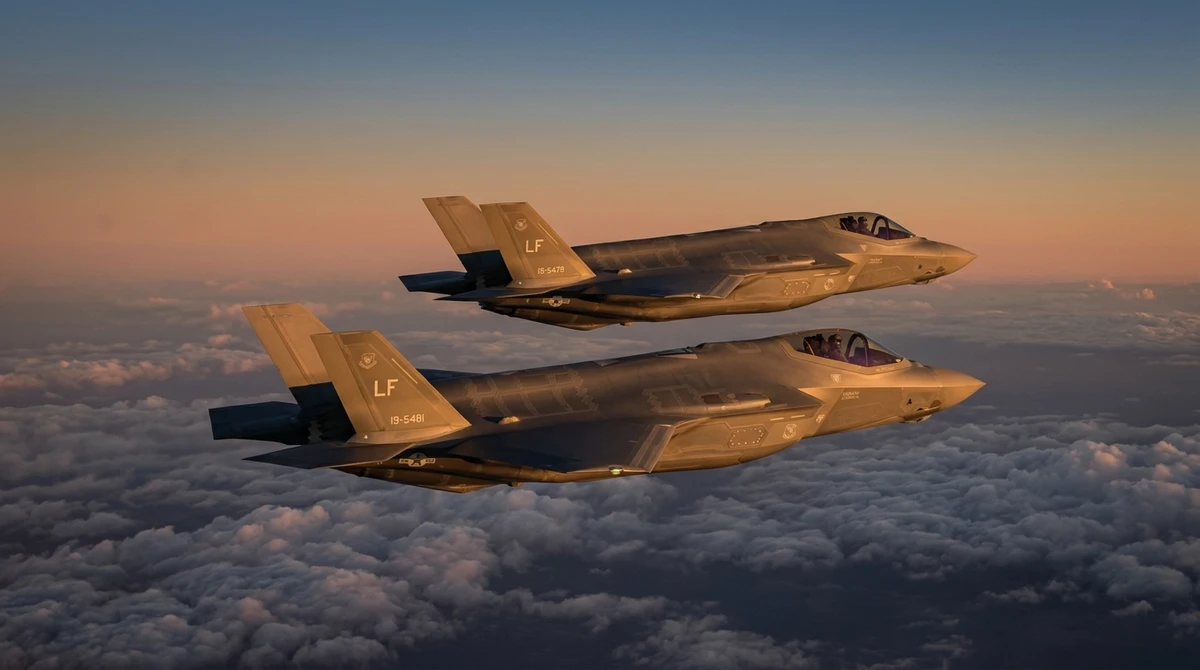
The Department of War and Lockheed Martin on October 22 unveiled a framework agreement for multiyear production and sustainment of the F-35 Lightning II covering 850 US aircraft over 10 years, Lockheed Martin said, an arrangement that depends on Congress granting multiyear authority and appropriations before a formal contract can be awarded.
According to the company, the framework covers 850 US aircraft with associated initial spares, 10 years of modification kits and sustainment, and international customer orders across Lots 21 to 30, at a continued production rate of 156 aircraft per year. "If granted multiyear authority and associated appropriations in the coming months," the F-35 Joint Program Office and Lockheed Martin will work to finalize contract terms, pricing and schedules through a formal contract award, the company said. Lockheed Martin said the arrangement is expected to save taxpayers "billions of dollars" over the aircraft's lifecycle through long-term pricing and volume discounts.
The Department of War, in its own release, said it had finalized the 10-year F-35 deal with Lockheed Martin, "securing $7B in private investment." Breaking Defense reported that the $7 billion is Lockheed Martin self-funding of initiatives that were not specified. Neither a unit price nor a total value was disclosed, Defense News reported.
Unlike other recent Pentagon framework deals that raise production rates, this one keeps the F-35 line at 156 aircraft a year, Breaking Defense noted. The outlet also reported that Lot 20 is not expected to be finalized until next year.
Spread over 10 years, 850 aircraft is 85 a year, the same figure as the fiscal 2027 budget request, which Defense News reported seeks 85 jets after Congress funded 47 F-35s in fiscal 2026. Both the House and Senate versions of the fiscal 2027 defense authorization bill would allow multiyear F-35 buys, according to Defense News, but the two bills have not been reconciled, and the continuing resolution funding the government through December 11 generally bars new multiyear procurements. Breaking Defense reported that neither authorization bill explicitly authorizes multiyear sustainment, which it flagged as a likely sticking point.
Lockheed Martin says more than 1,375 F-35s have been fielded, by its own count. GlobalMilitary.net's inventory data records 1,212 F-35s in active service and 2,206 on order across the 20 countries that operate or have ordered the type; the two figures are different measures and are not directly comparable. The United States accounts for 724 active aircraft and 1,592 on order in GlobalMilitary.net's data: 499 active and 1,235 on order for the U.S. Air Force, 169 and 164 for the U.S. Marine Corps, and 56 and 193 for the U.S. Navy. How the type fits into the U.S. Air Force's planned fighter fleet in 2035 is set out in GlobalMilitary.net's analysis published October 22.
Outside the United States, the largest F-35 fleets in GlobalMilitary.net's data are Australia with 72 aircraft, Italy with 57 and a further 75 on order, Japan with 54 and 93 on order, the Netherlands and Norway with 52 each, Israel with 48 and the United Kingdom with 47. Canada has 88 on order and none delivered. The relative weight of these fleets is reflected in the world air force rankings.
The next steps rest with Congress. The House and Senate must reconcile their fiscal 2027 authorization bills, and appropriations must be enacted beyond the continuing resolution that runs to December 11, before the F-35 Joint Program Office and Lockheed Martin can move from the framework to a formal contract award, as the company's statement conditions it.
More News
All news →
UK Restarts Tank and Howitzer Barrel Production as US Army Seeks New 155mm Tube Makers
Rheinmetall UK has begun making 120mm and 155mm barrels in Telford, the Ministry of Defence said on 22 October, a day after a US Army contracting command posted a market survey for domestic makers of Paladin and M777 cannon tubes.
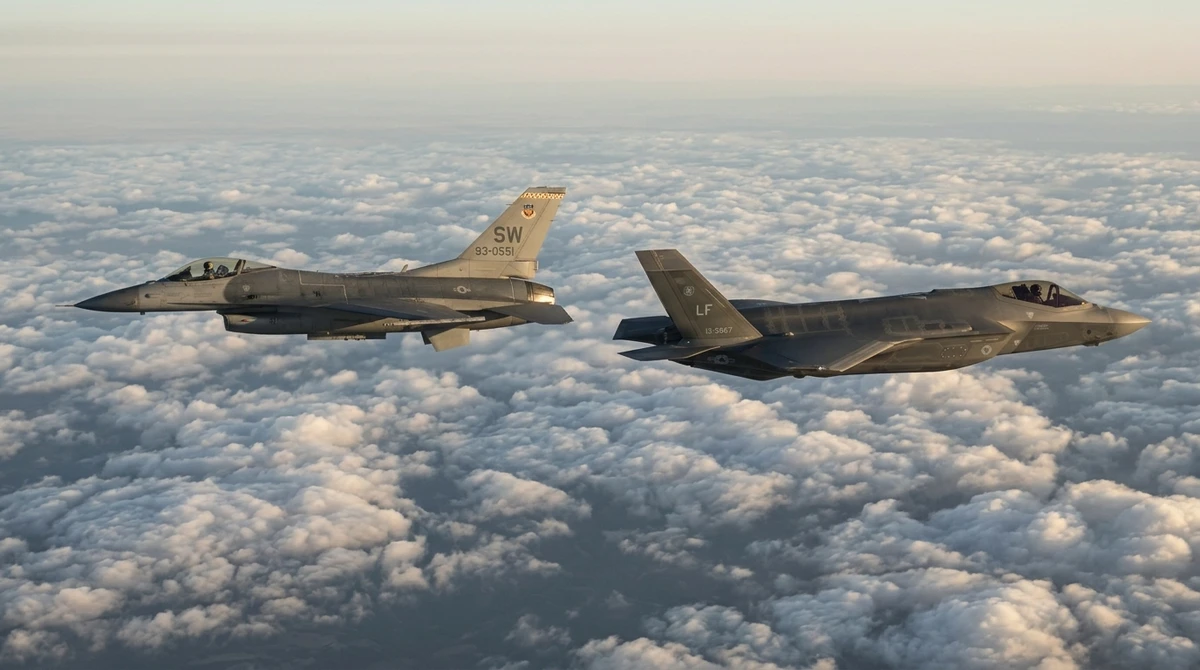
US Air Force Wants 1,509 Combat-Coded Fighters by 2035 as F-35 Share Rises to About 40%
The US Air Force told Congress on October 16, 2026 that it needs 1,509 combat-coded fighters by 2035; GlobalMilitary.net sets the report's approximate type shares against its own count of 1,816 USAF F-16s, F-35As, F-15s and F-22s.
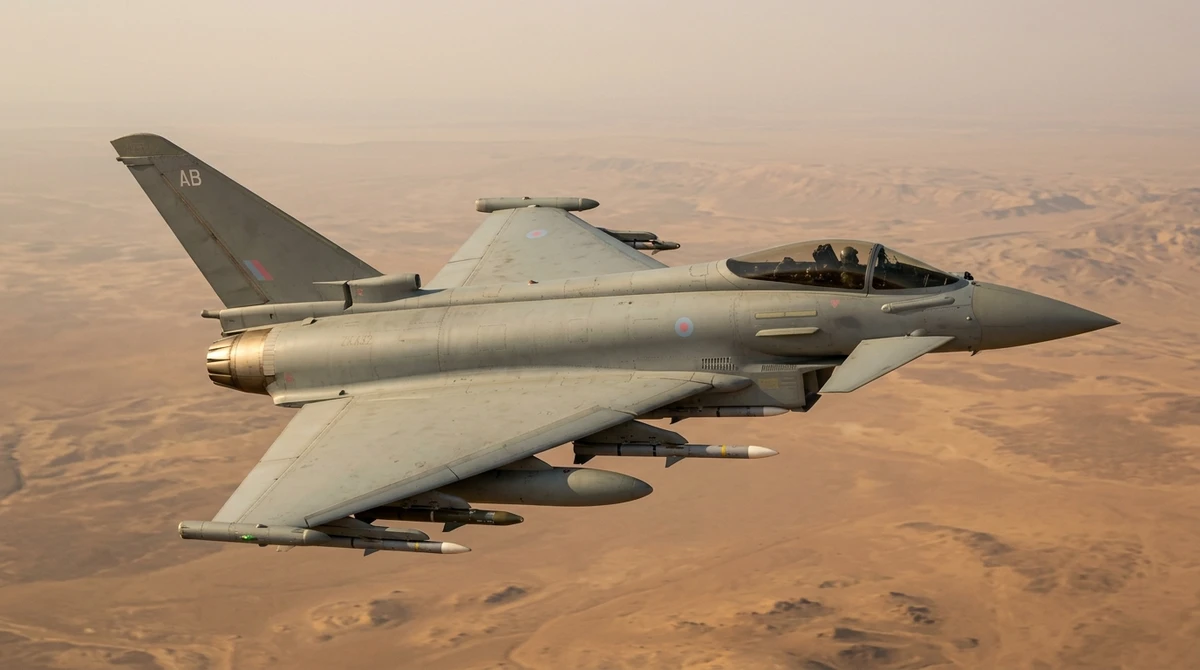
UK to Fly RAF Typhoon Defensive Missions Over Saudi Arabia Against Houthi Missiles and Drones
The UK Ministry of Defence said on October 20, 2026 that RAF Typhoon fighters will fly defensive counter-air missions to help protect Saudi cities and infrastructure from Houthi missiles and drones, alongside an A400M transport and military advisers, with no strikes against the Houthis.
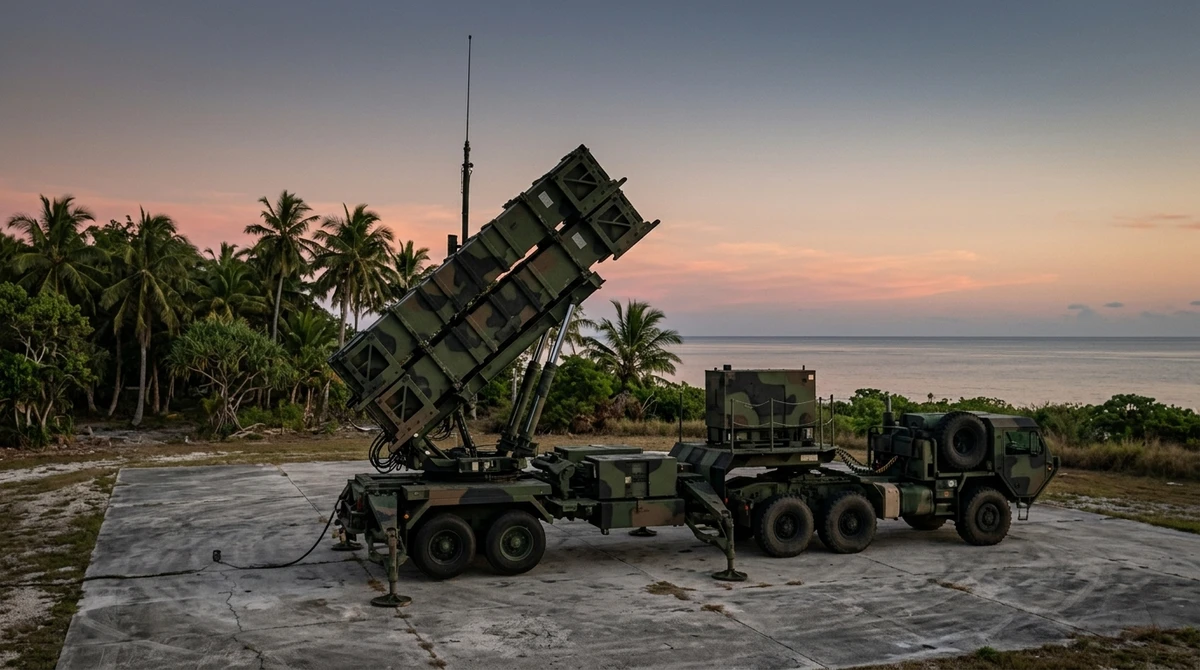
US Army Activates Air Defense Battalion on Guam as Its Part of the Guam Defense System
The 3rd Battalion, 43rd Air Defense Artillery Regiment was activated at Andersen Air Force Base on October 16, 2026, building on more than a decade of Task Force Talon operations on Guam and, per an Army spokesperson quoted by The War Zone, set to field Patriot and Enduring Shield.
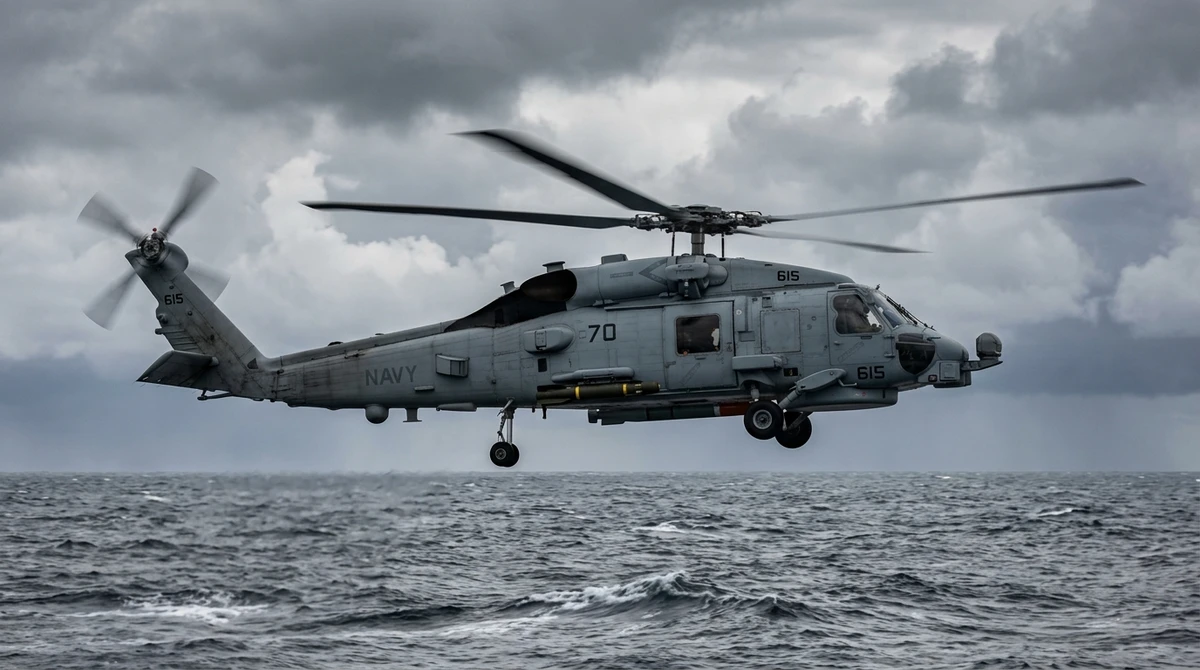
New Zealand's MH-60R Order Makes 15 Seahawk Operators; the SH-2 Seasprite Is Down to Three
New Zealand signed on 16 October to buy five MH-60R Seahawks, delivered from 2030, to replace its five SH-2G Super Seasprites, bringing the naval Seahawk family to 15 operators in GlobalMilitary.net's data while the Seasprite is left with 17 helicopters and three operators.

USS Theodore Roosevelt Turns 40 as It Prepares for Keen Sword Off Japan
The Nimitz-class carrier, docked at Yokosuka since 16 October with the cruiser USS Chosin and the destroyer USS Decatur, marks 40 years since its commissioning on 25 October 1986 ahead of the US-Japan exercise Keen Sword.