US Navy accepts first C-130J-30 airframe for E-130J Phoenix II TACAMO aircraft
The US Navy took delivery of a newly built Lockheed Martin C-130J-30 Super Hercules at Marietta, Georgia, on Oct. 15, the first of three airframes to be converted into E-130J Phoenix II aircraft that will replace the E-6B Mercury in the nuclear communications relay mission.
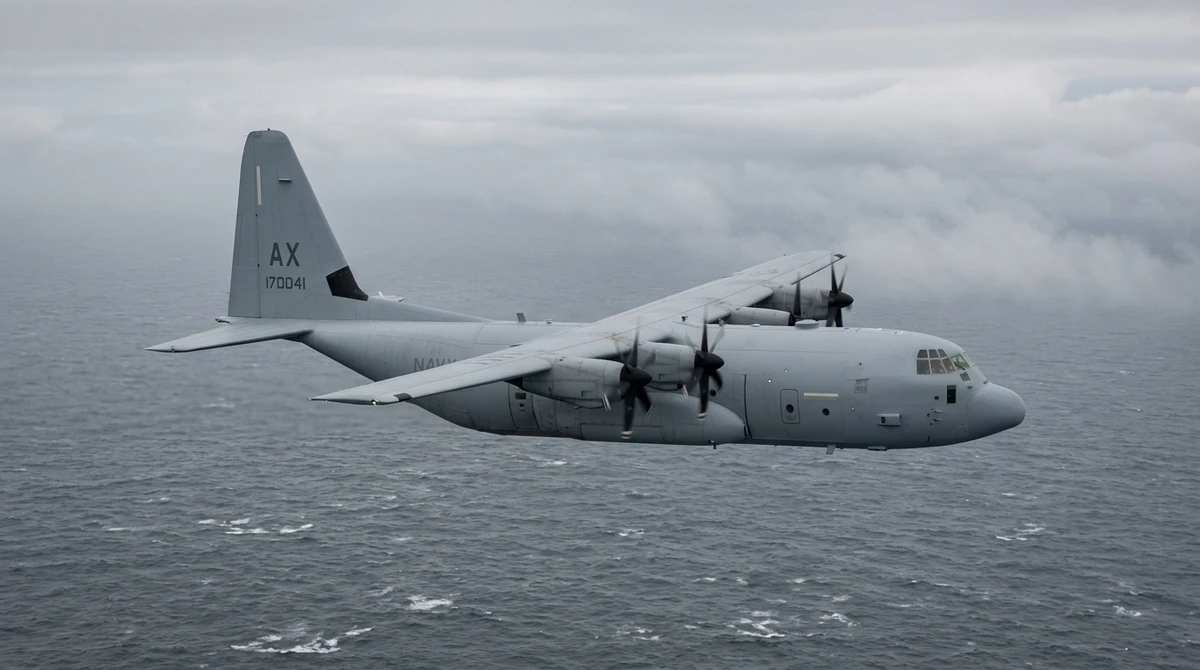
The US Navy accepted delivery of a newly manufactured C-130J-30 Super Hercules from Lockheed Martin at a ceremony on Oct. 15 at the company's production facility in Marietta, Georgia, the Navy said in a release posted Oct. 16. The service described the handover as "the first step toward fielding the future E-130J 'Phoenix II'", the aircraft that will carry its next-generation Take Charge and Move Out (TACAMO) mission system.
The airframe is the extended C-130J-30 variant and belongs to an initial procurement of three aircraft the Navy acquired in September 2024, the release said. It is not yet a TACAMO platform. After post-delivery processing, the aircraft will be transferred to Northrop Grumman, the mission systems integrator, for conversion into the E-130J, Lockheed Martin said. Collins Aerospace provides the Very Low Frequency (VLF) systems, according to the Navy.
TACAMO provides survivable, reliable and secure communications between the president, the secretary of defense and US Strategic Command, the Navy said. Lockheed Martin described it as "the U.S. Navy's airborne nuclear command-and-control support mission", a link to US nuclear forces. The PMA-271 program manager said in the release that "we are ensuring our nation maintains an unshakeable communications lifeline to our ballistic missile submarine fleet." The commodore of Strategic Communications Wing 1 (SCW-1) added that "strategic deterrence is only as credible as our ability to communicate".
The delivery initiates a planned transition from the legacy E-6B Mercury, the Navy said. The E-6 is a derivative of the Boeing 707. SCW-1 flies the type around the clock from Tinker Air Force Base, Oklahoma, receiving, verifying and retransmitting emergency action messages, according to the release. The Navy added that SCW-1 is also currently the operating platform for USSTRATCOM's airborne command post, known as "Looking Glass". The E-130J takes over the TACAMO mission only, The War Zone reported, with the Air Force pursuing a separate effort to replace the Looking Glass airborne command post capability.
The Navy plans 31 E-130Js, comprising six developmental aircraft and 25 production examples, The War Zone reported, nearly doubling the 16 E-6Bs in service; the outlet said it is unclear how many of the developmental aircraft will be available for operations. The US Navy inventory on GlobalMilitary.net lists 16 E-6B Mercury aircraft, part of the US military aircraft inventory tracked on the site. GlobalMilitary.net reported on the 31-aircraft plan on Aug. 12.
The War Zone also reported that electromagnetic pulse (EMP) hardening is a key requirement for the new aircraft. The Government Accountability Office has previously warned that fitting the mission equipment into the smaller C-130J-30 airframe could affect operational availability and create engineering and manufacturing difficulties, according to the same report.
The Phoenix II name nods to the Navy's use of the EC-130Q for the TACAMO mission during the Cold War, the Navy said. The EC-130Q served as the Navy's TACAMO platform from 1963 until 1993, Lockheed Martin said, adding that the C-130J is certified across 20 mission sets and that the global fleet exceeds 570 aircraft. GlobalMilitary.net's side-by-side of the C-130 and the E-6 sets the two airframes against each other.
The program office, PMA-271, is part of the Navy's aviation acquisition organization at Naval Air Station Patuxent River. The Navy said the aircraft will now go through post-delivery processing, followed by mission-system modification, ground testing and developmental flight testing before operational fielding.
More News
All news →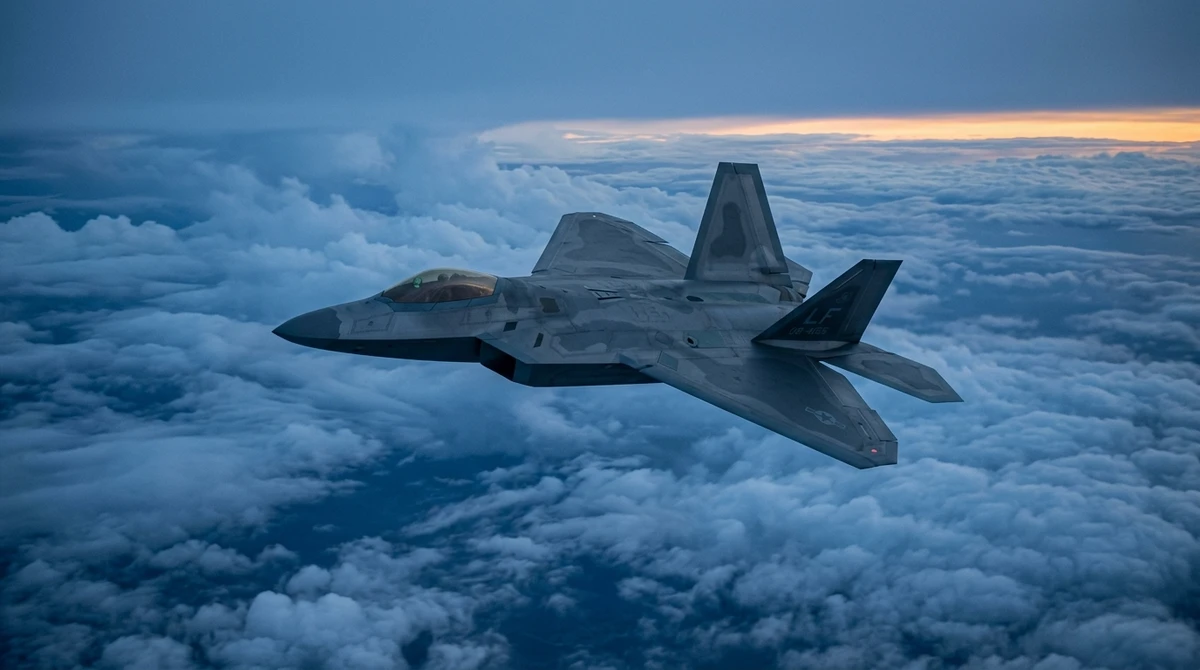
F-22 Pilot Takes In-Flight Command of an Anduril YFQ-44A Fury Drone
The U.S. Air Force said on October 16, 2026 that an F-22 Raptor pilot had taken airborne tactical command of an Anduril YFQ-44A Collaborative Combat Aircraft earlier this month; previous F-22 control tests had used a surrogate drone.
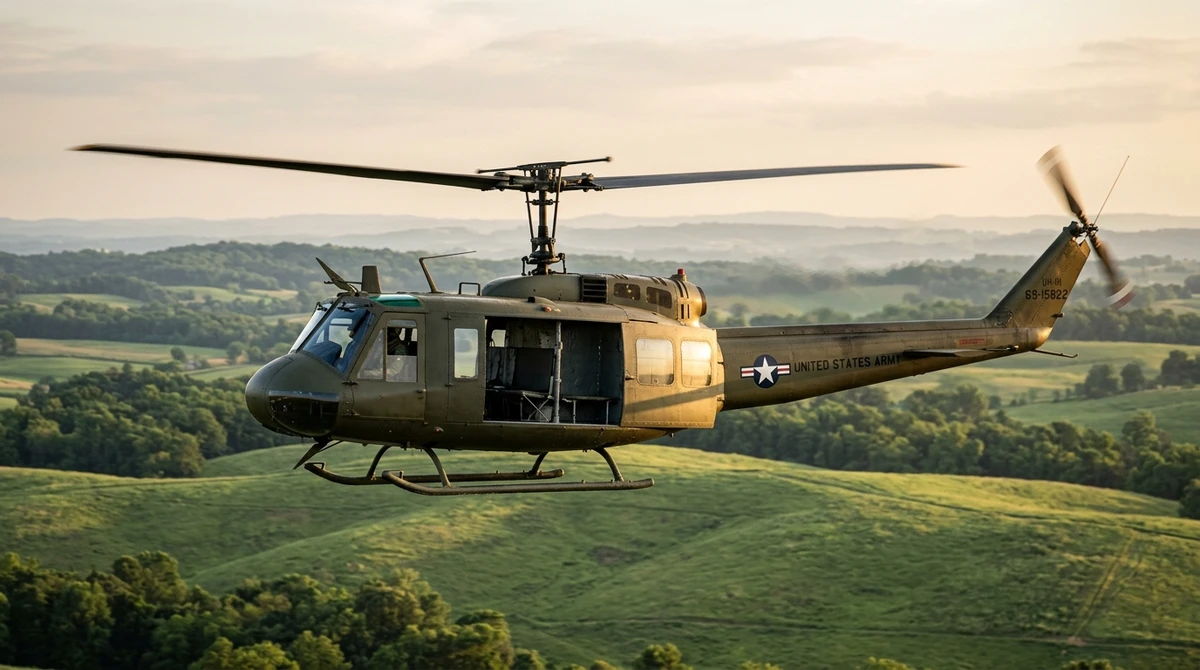
Bell UH-1 Huey Still Flies With 39 Countries 70 Years After Its First Flight
The XH-40 prototype of Bell's Huey first flew on 20 October 1956 at Fort Worth; 70 years on, GlobalMilitary.net inventory data counts 844 single-engine UH-1s active in 39 countries, 438 twin-engine UH-1N and Bell 212 derivatives in 29, and 167 UH-1Y Venoms in two.
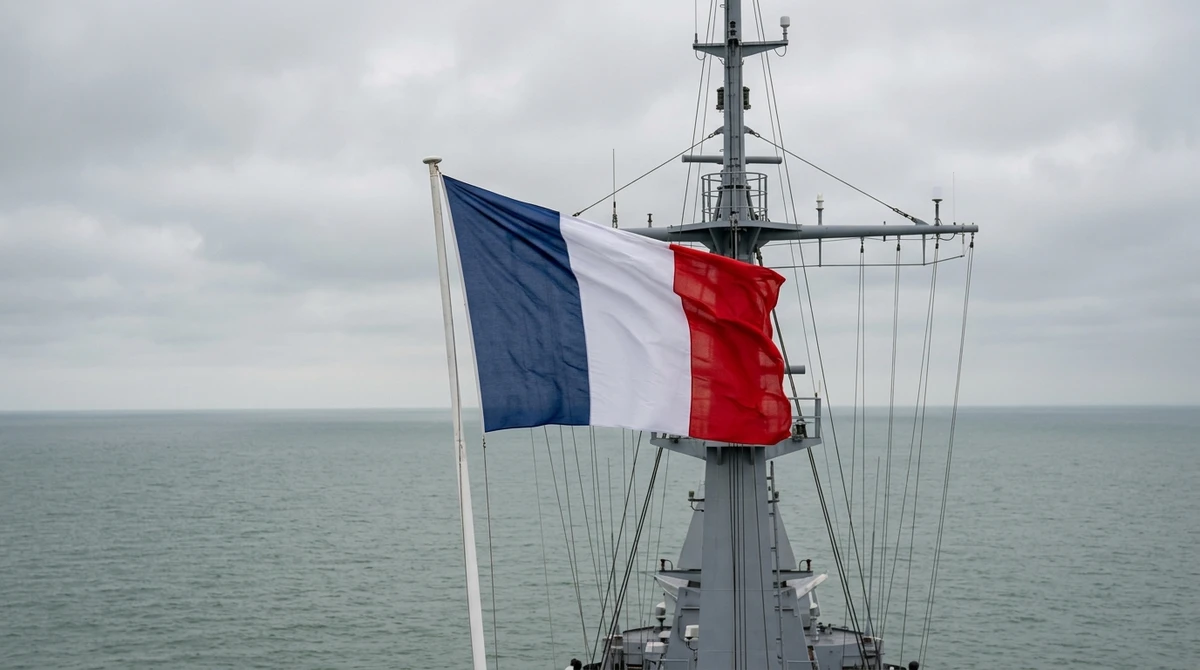
France Rolls Out Rubis, Fifth Suffren-Class Attack Submarine, as One 1980s Boat Remains in Service
France's procurement agency, the DGA, said on October 16 that Rubis, the fifth Suffren-class nuclear attack submarine, had begun its move from Naval Group's construction hall at Cherbourg to the launch system, with trials and delivery to the French Navy still ahead and no dates given.
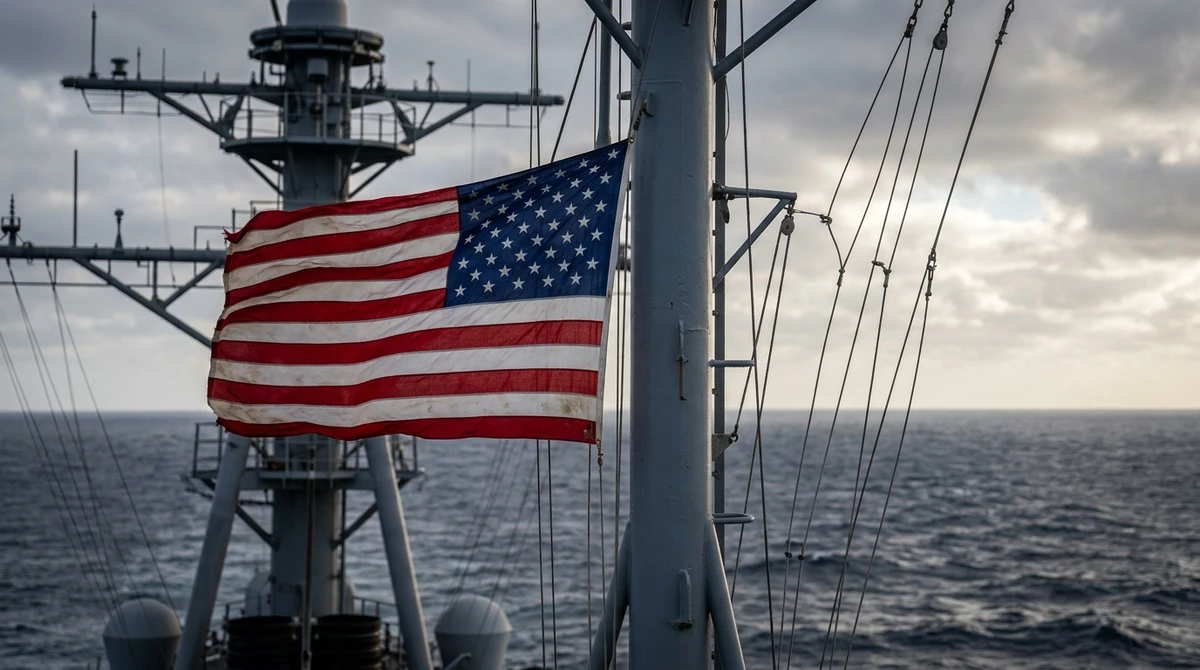
USS Zumwalt at 10: The Navy's Stealth Destroyer Trades Its Guns for Hypersonic Missile Tubes
Commissioned in Baltimore on October 15, 2016, the lead ship of a class cut from 32 hulls to three has spent most of the past three years in a Mississippi yard, where its two 155mm guns were removed to make room for 12 Conventional Prompt Strike hypersonic missiles.
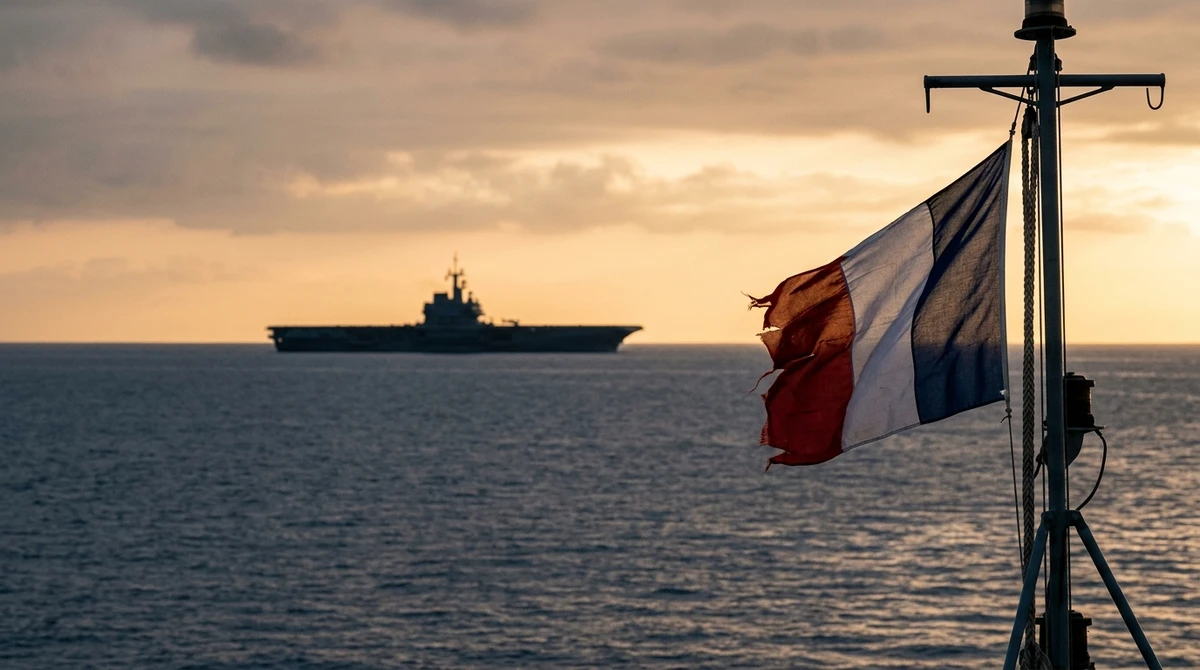
France Studies Keeping Charles de Gaulle Past 2038 as 24 Carriers Serve in Nine Navies
The French Navy's chief of staff told lawmakers on October 14 that studies due in early 2029 will decide whether the nuclear-powered Charles de Gaulle can sail on after its planned 2038 retirement, which would give France two carriers for the first time since the late 1990s.
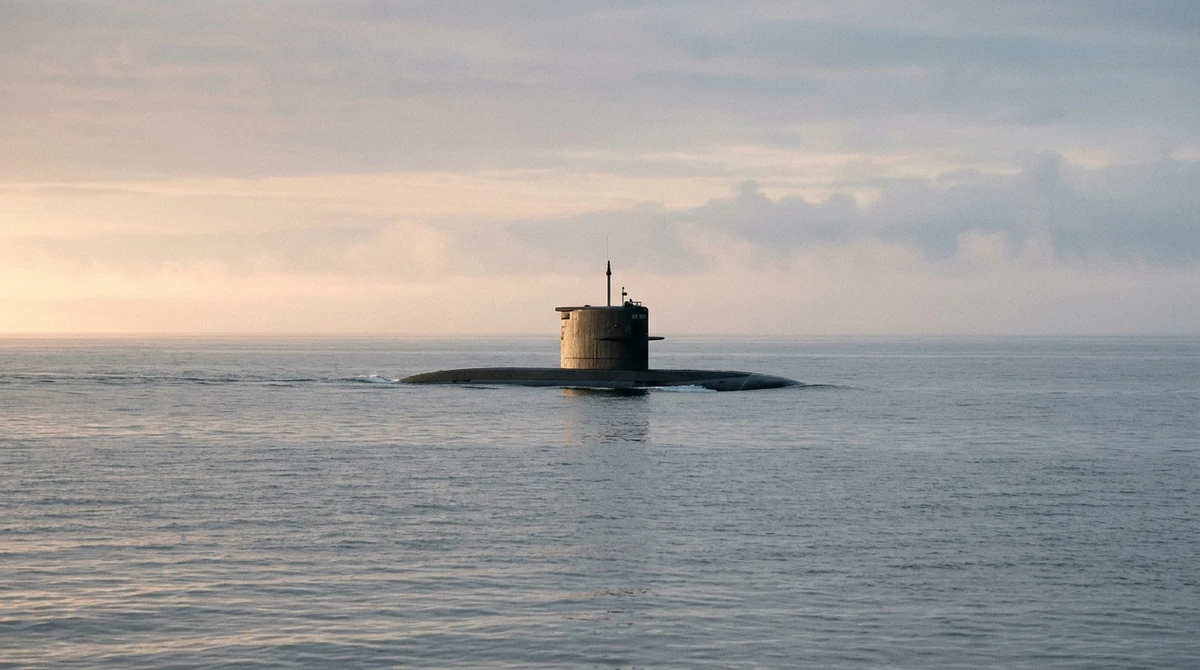
Sweden Signs Lease of Submarine Södermanland to Poland as Bridge to Its A26 Boats
Sweden's Defence Materiel Administration and the Swedish Armed Forces have signed contracts under Poland's Orka program to train Polish submarine crews and lease the AIP-equipped submarine HMS Södermanland to the Polish Navy until 2032, the Swedish Navy announced on October 12.