F-22 Pilot Takes In-Flight Command of an Anduril YFQ-44A Fury Drone
The U.S. Air Force said on October 16, 2026 that an F-22 Raptor pilot had taken airborne tactical command of an Anduril YFQ-44A Collaborative Combat Aircraft earlier this month; previous F-22 control tests had used a surrogate drone.
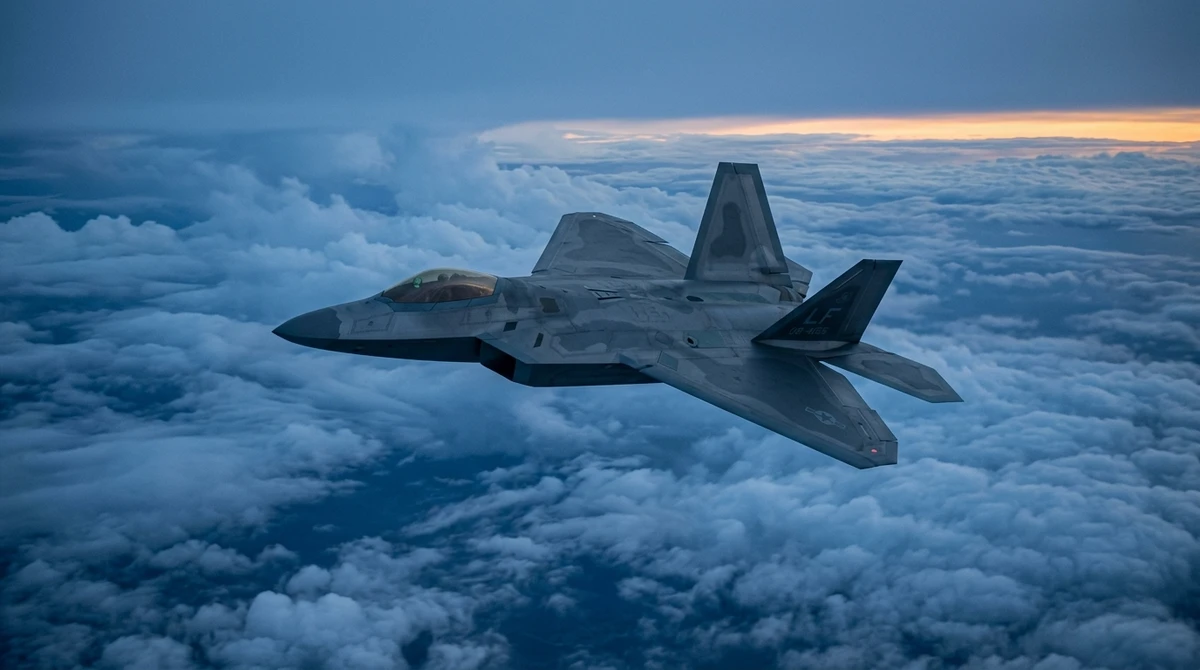
The U.S. Air Force has put a fighter pilot in airborne command of a Collaborative Combat Aircraft built for the program itself. In a release dated October 16, 2026, the Department of the Air Force said it "executed airborne tactical command and in-flight control of a YFQ-44A CCA from an F-22 Raptor earlier this month, advancing efforts to rapidly develop, evaluate and deliver mission-autonomy capabilities to the warfighter." The YFQ-44A is the test version of Anduril's FQ-44 Fury. Earlier F-22 control tests had used a surrogate drone, according to Air & Space Forces Magazine.
According to Air & Space Forces Magazine, the F-22 pilot acted as an "airborne quarterback," issuing high-level tactical directives that the Fury's onboard autonomy software carried out in real time, including "dynamic flight maneuvers and simulated combat tasks." The magazine reported that data from the test will feed future software integration, developmental testing and future CCA concepts.
Anduril's vice president of autonomous airpower told Air & Space Forces Magazine that the flight took place during the week of October 5 at Edwards Air Force Base, California. Both aircraft took off from Edwards and joined up in the air, he said, after which the F-22 pilot sent the drone an updated mission plan over a tactical data link; the mission lasted several hours and was a success. He also told the magazine that the program still has to prove the capability, define operational procedures and build trust between operators and semi-autonomous wingmen.
A single YFQ-44A was controlled during the sortie. Air & Space Forces Magazine listed the organizations involved as the 412th Test Wing at Edwards, the 422nd Test and Evaluation Squadron from Nellis Air Force Base, Nevada, the 309th Software Engineering Group at Hill Air Force Base, Utah, the CCA Experimental Operations Unit at Creech Air Force Base, Nevada, the F-22 System Program Office and the CCA Software Autonomy and Teaming Branch.
Air Force Chief of Staff Gen. Kenneth S. Wilsbach said the demonstration "shows the power of crewed-uncrewed teaming and the advantage it provides our warfighters," Air & Space Forces Magazine reported. "We must test often, learn fast, and give commanders what they need, when they need it," he said. Air Force Secretary Troy Meink said, according to the magazine, that the test showed what is possible when the service is aligned with industry, "delivering capability to the warfighter at unprecedented speed."
In February, an airborne F-22 controlled a General Atomics MQ-20 Avenger standing in as a CCA surrogate, and in May an F-35 on the ground controlled an airborne Avenger, according to Air & Space Forces Magazine. The October flight replaced the stand-in with an aircraft developed under the CCA program. The U.S. Air Force operates 183 F-22 Raptors, according to GlobalMilitary.net inventory data.
The CCA program's first increment pairs General Atomics' FQ-42 Vengeance with Anduril's FQ-44 Fury, two designs GlobalMilitary.net compares side by side, both focused on air-to-air missions. Air & Space Forces Magazine reported a target cost of at most $20 million per air vehicle, excluding sensors, weapons and other onboard equipment. GlobalMilitary.net covered the Fury's first live AIM-120 AMRAAM shot in July 2026 and the Air Force's naming of the two first-increment aircraft as FQ-42 Vengeance and FQ-44 Fury in September.
The October flight was a demonstration; neither the Air Force release nor the magazine's report describes the YFQ-44A as operational. The Air Force plans eventually for each fighter pilot to control multiple CCAs as a formation, and it is also developing ground stations so that Airmen can command the drones from the ground, according to Air & Space Forces Magazine. The service's goal, the magazine reported, is 500 CCAs fielded by 2032 and eventually 1,000 or more.
More News
All news →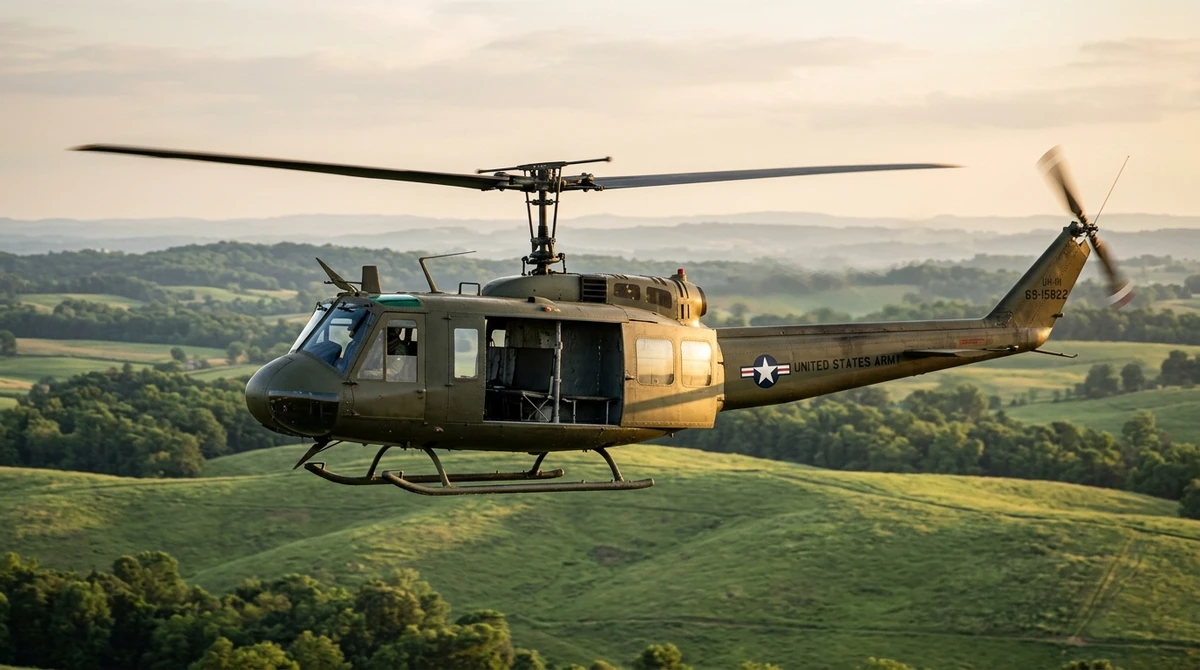
Bell UH-1 Huey Still Flies With 39 Countries 70 Years After Its First Flight
The XH-40 prototype of Bell's Huey first flew on 20 October 1956 at Fort Worth; 70 years on, GlobalMilitary.net inventory data counts 844 single-engine UH-1s active in 39 countries, 438 twin-engine UH-1N and Bell 212 derivatives in 29, and 167 UH-1Y Venoms in two.
France Rolls Out Rubis, Fifth Suffren-Class Attack Submarine, as One 1980s Boat Remains in Service
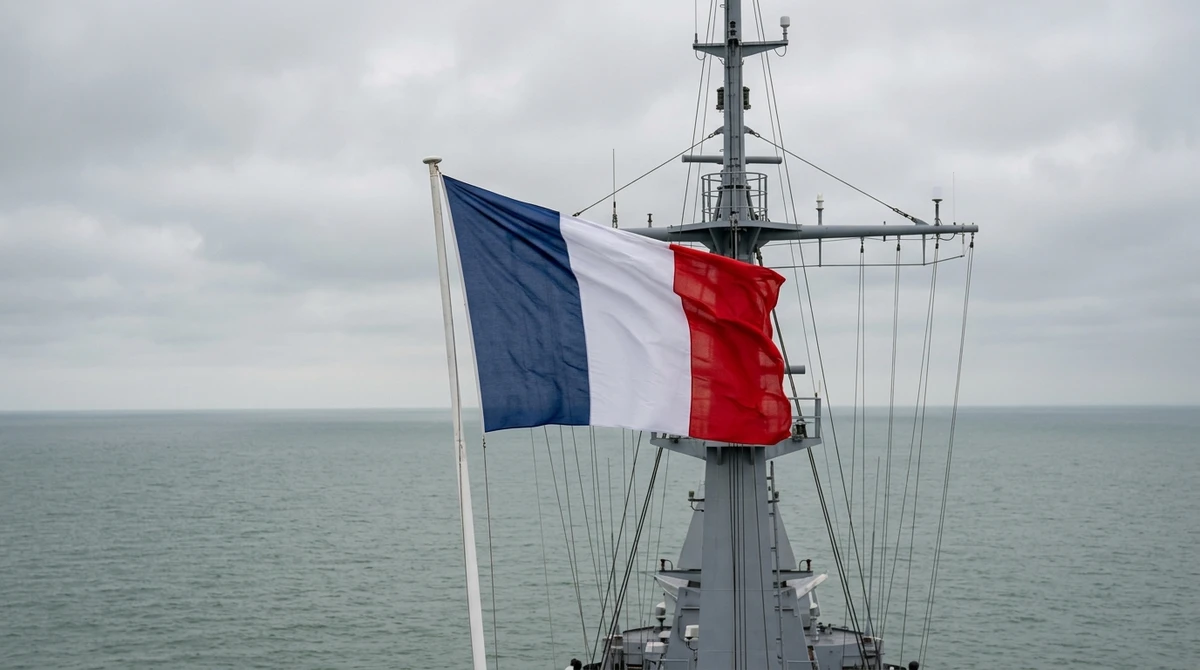
France's procurement agency, the DGA, said on October 16 that Rubis, the fifth Suffren-class nuclear attack submarine, had begun its move from Naval Group's construction hall at Cherbourg to the launch system, with trials and delivery to the French Navy still ahead and no dates given.
USS Zumwalt at 10: The Navy's Stealth Destroyer Trades Its Guns for Hypersonic Missile Tubes
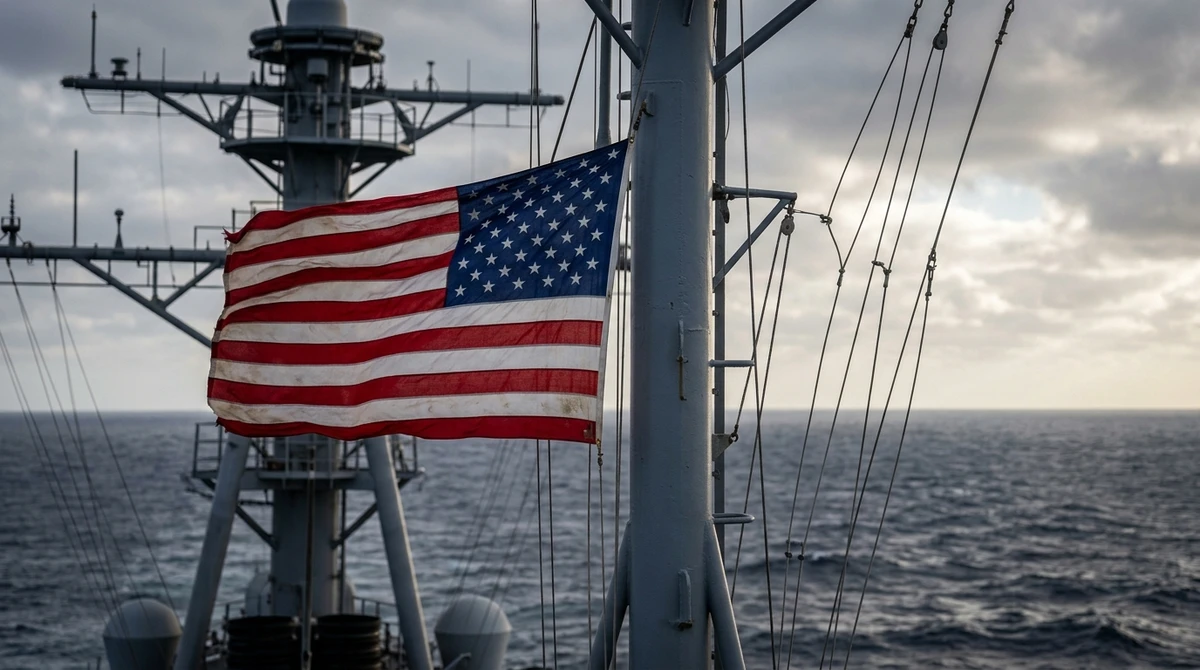
Commissioned in Baltimore on October 15, 2016, the lead ship of a class cut from 32 hulls to three has spent most of the past three years in a Mississippi yard, where its two 155mm guns were removed to make room for 12 Conventional Prompt Strike hypersonic missiles.
France Studies Keeping Charles de Gaulle Past 2038 as 24 Carriers Serve in Nine Navies
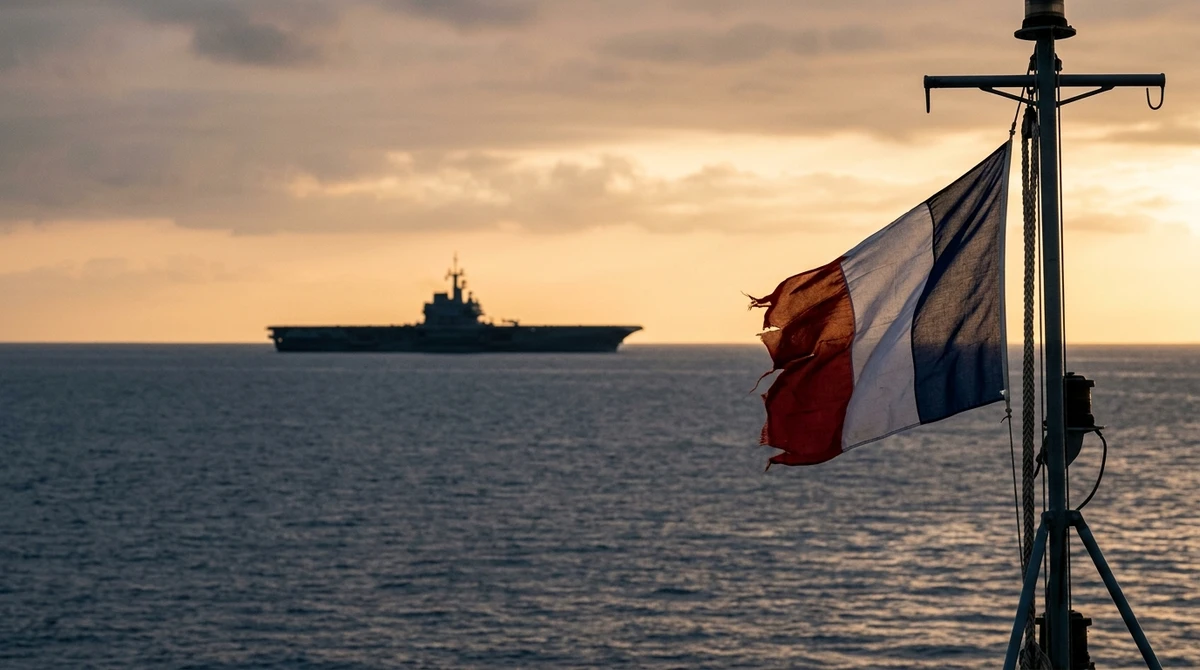
The French Navy's chief of staff told lawmakers on October 14 that studies due in early 2029 will decide whether the nuclear-powered Charles de Gaulle can sail on after its planned 2038 retirement, which would give France two carriers for the first time since the late 1990s.
Sweden Signs Lease of Submarine Södermanland to Poland as Bridge to Its A26 Boats
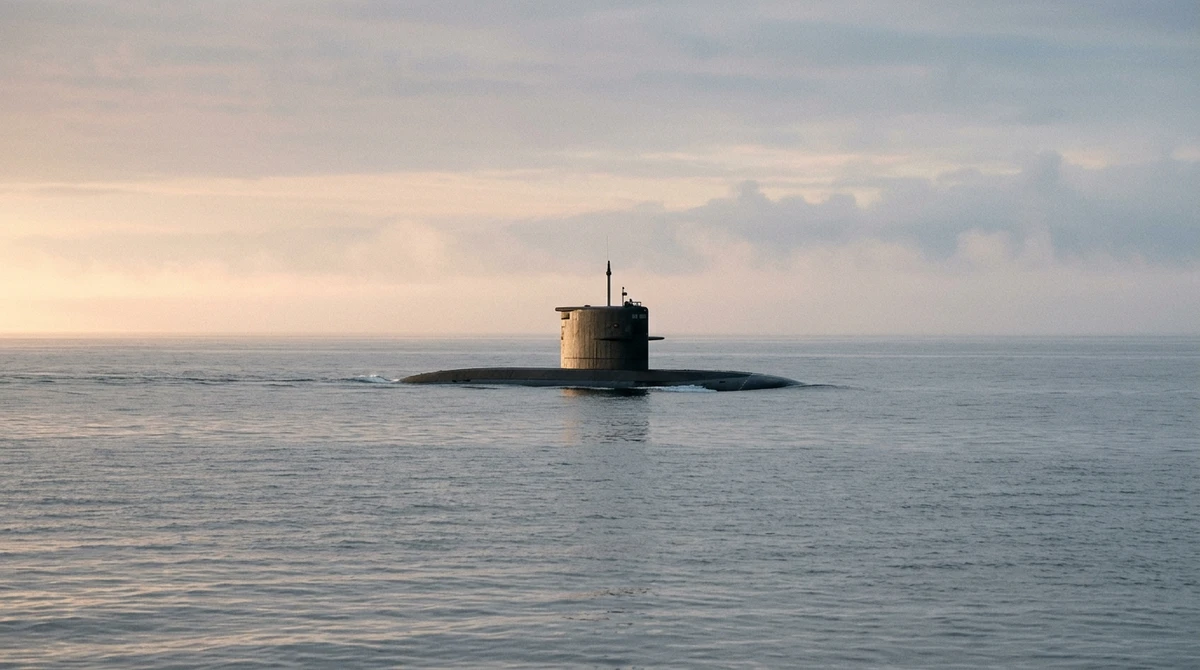
Sweden's Defence Materiel Administration and the Swedish Armed Forces have signed contracts under Poland's Orka program to train Polish submarine crews and lease the AIP-equipped submarine HMS Södermanland to the Polish Navy until 2032, the Swedish Navy announced on October 12.
Why Hypersonic Glide Vehicles, Scramjet Cruise Missiles and the Kinzhal Are Three Different Weapons
Two flight tests in one week, the US Air Force's scramjet-powered HACM over Australia and South Korea's first hypersonic glide vehicle on October 8, shared one word for different machines; what sets them, and Russia's Kinzhal, apart is altitude, propulsion and maneuver, not speed.