Turkey's KAAN P1 Prototype Begins Taxi Trials Ahead of Maiden Flight
Turkish Aerospace released footage on July 31 of the second airworthy KAAN prototype taxiing under its own power at Ankara, with the company's president saying the aircraft could fly within a couple of months.
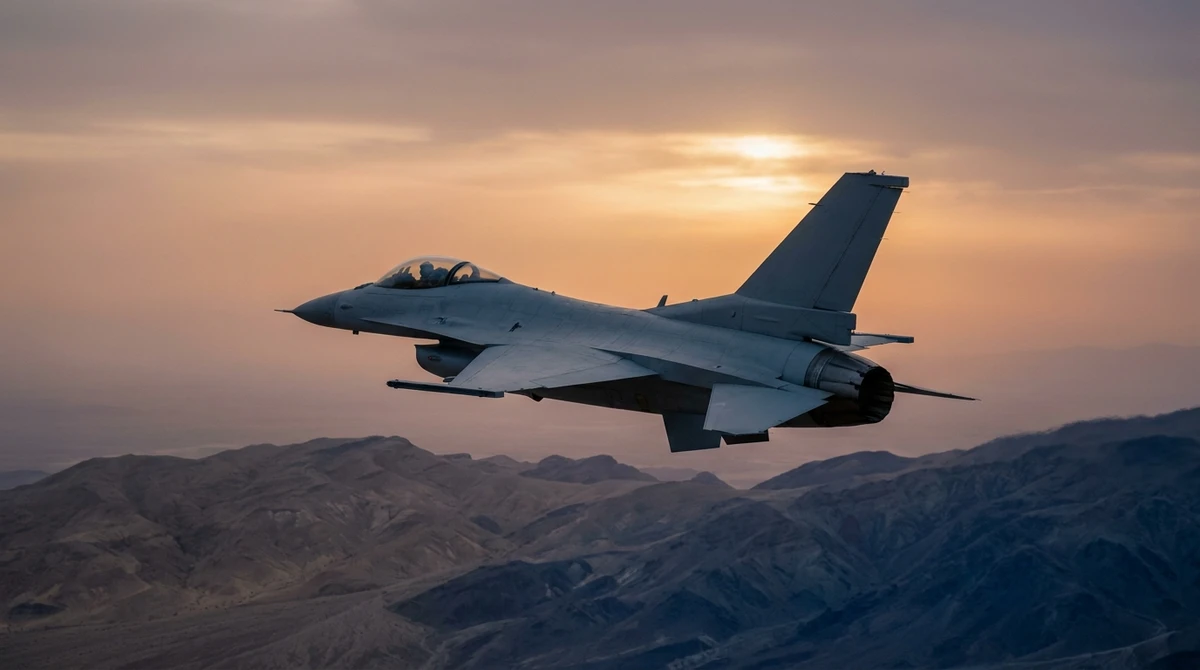
Turkish Aerospace released footage on July 31 showing the second airworthy prototype of the KAAN fighter, designated P1, taxiing under its own power at the company's facilities in Ankara. The runs are the last significant ground milestone before the aircraft's first flight.
Powered taxi testing exercises engine operation, braking, nosewheel steering and flight-control response at progressively higher speeds. Turkish Aerospace president Mehmet Demiroglu said at the Farnborough airshow that P1 could fly "within the next couple of months," pending completion of several ground and system-level tests. A third prototype, P2, is in assembly, and the company has said it wants both aircraft flying before the end of 2026.
P1 differs visibly from P0, the original prototype that flew on February 21 and again on May 6, 2024. Reported changes include revised control surfaces, reworked engine intakes and cockpit area, a cleaner external finish, and more robust landing gear set further apart. P1 also carries more representative avionics and flight-control software than the first airframe. P1 and P2 were publicly revealed on February 13, 2026.
Both prototypes fly on General Electric F110 turbofans, the same engine family that powers Turkey's F-16 fleet. Turkey holds ten engines for prototype work and received U.S. export authorization on July 9, 2026 for a further 80 to cover early serial production, in a package reported at more than $700 million. The indigenous TF35000 engine intended to replace them remains years from availability, leaving the program dependent on American export licences in the interim.
KAAN is intended to replace the backbone of the Turkish Air Force. GlobalMilitary.net inventory data records 238 F-16s in Turkish service — 153 F-16C/V and 85 older F-16C/D — alongside 48 F-4E Phantom II airframes still flying more than five decades after delivery. Turkey was removed from the F-35 program in 2019 following its purchase of the Russian S-400 system, leaving no fifth-generation option and making the domestic program central to Turkey's military strength over the next decade. An initial contract covers 20 Block 10 aircraft for delivery between 2028 and 2030, against a stated long-term requirement of 250. Indonesia signed for 48 aircraft in July 2025 and remains the only export customer.
No date has been announced for the P1 maiden flight. Turkish defense media have floated August 30, Victory Day, as a symbolic candidate, but Turkish Aerospace has not confirmed it. The 2028 target for first deliveries to the Turkish Air Force is widely regarded as ambitious given that the flight-test campaign has yet to begin in earnest.
More News
All news →
Latvia Picks Czech Morana Howitzers Over Sweden's Archer
Latvia's Cabinet of Ministers decided on September 15, 2026 to procure Excalibur Army's Morana 155 mm wheeled howitzers, setting aside a June 2025 letter of intent with Sweden for 18 BAE Systems Bofors Archer systems, the Ministry of Defence said.
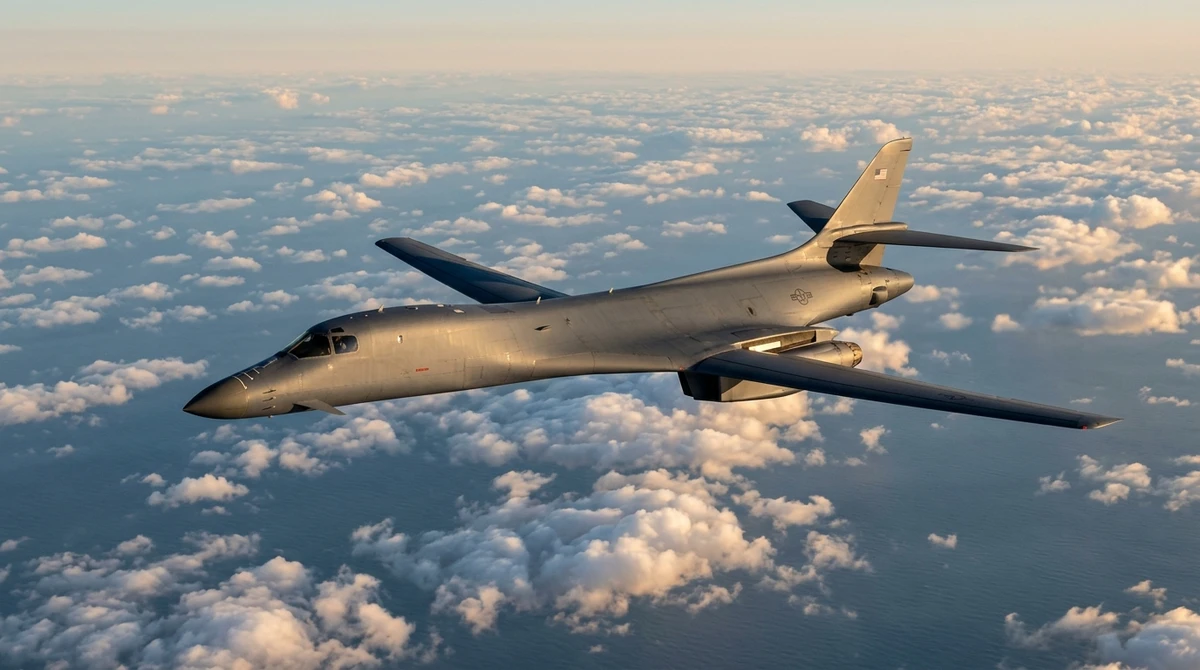
US Air Force to Extend B-1 and B-2 Service Lives With Only Three B-21s in the Fleet
Air Force Global Strike Command said on 17 September 2026 that the B-1 Lancer and B-2 Spirit will fly beyond their planned retirements, keeping a US bomber force built on 1955, 1986 and 1993 designs in service while the B-21 Raider arrives at three aircraft.
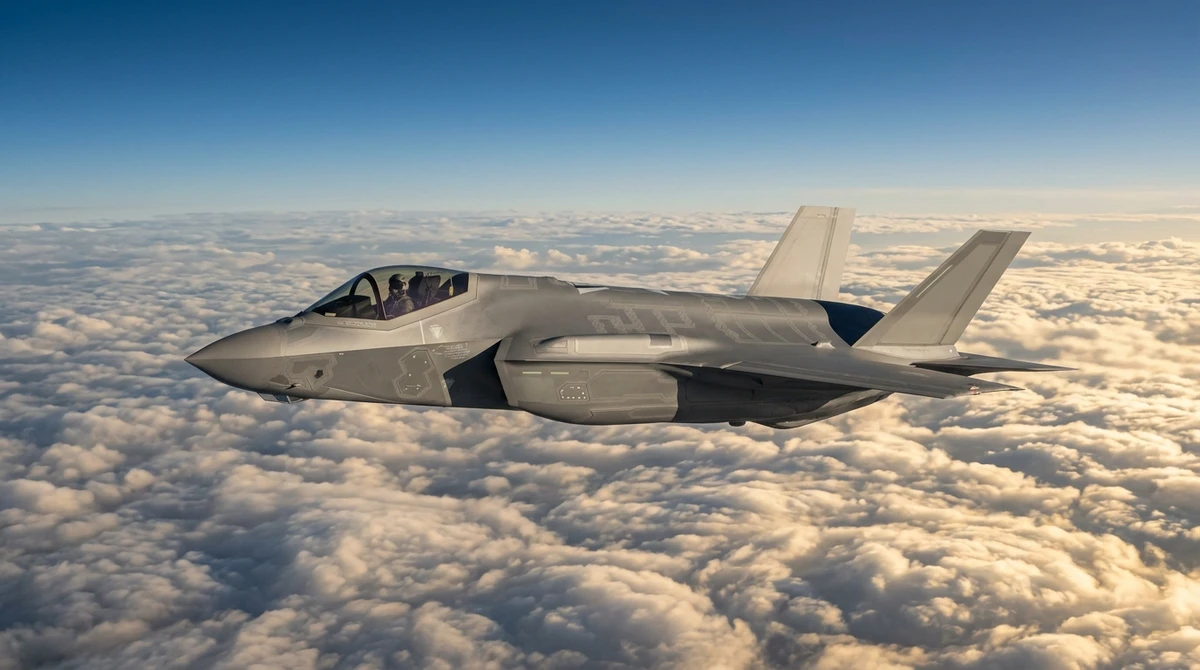
Saudi Arabia Cleared to Buy 48 F-35 Fighters in $24.3 Billion State Department Approval
The U.S. State Department on 17 September 2026 approved a possible Foreign Military Sale of 48 F-35 Lightning II fighters and 49 F135 engines to Saudi Arabia, a package estimated at $24.3 billion that now goes to Congress for review.

UK Confirms 2027 Steel Cut for First SSN-AUKUS Submarine and £15 Billion Warhead Investment
The UK government's Defence Nuclear Enterprise annual update, published September 15, 2026, says steel will be cut on the first SSN-AUKUS attack submarine in 2027 and confirms £15bn for the warhead program and £6bn for submarine infrastructure at Barrow-in-Furness and Raynesway.
US Air Force Names Its First Two Collaborative Combat Aircraft Vengeance and Fury
The Secretary of the Air Force announced on 14 September 2026 that General Atomics' FQ-42 is named Vengeance and Anduril Industries' FQ-44 is named Fury, as both uncrewed aircraft move into production toward a target of at least 500 in service by 2032.
EDGE Delivers Six HT-100 NAVAL VTOL Drones for Angola's BR71 MK II Corvettes
The UAE's EDGE Group announced on 10-11 September 2026 that it has delivered six ANAVIA-built HT-100 NAVAL unmanned helicopters for the Angolan Navy, two for each of the three BR71 MK II corvettes being built in France and the UAE under a contract signed in February 2023.