
Tajik Air Force
Кутби бахши ҳавоии Қувваҳои Мусаллаҳи Ҷумҳурии Тоҷикистон (Kutbi bakhshi havoiï Quvvaï Musallahï Jumïuriyi Tojikiston) — The Tajik Air and Air Defense Force is a small, helicopter-centric force with limited independent operational capacity, heavily reliant on the Russian Federation for airspace protection. Its strategic doctrine is fundamentally integrated …
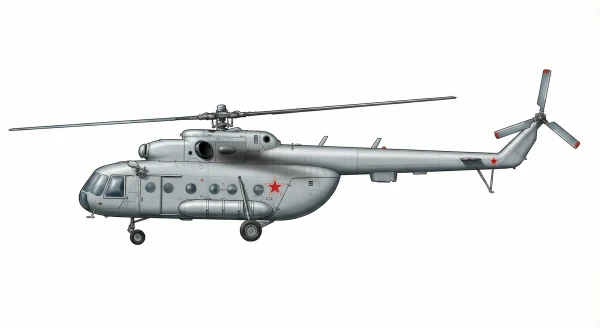
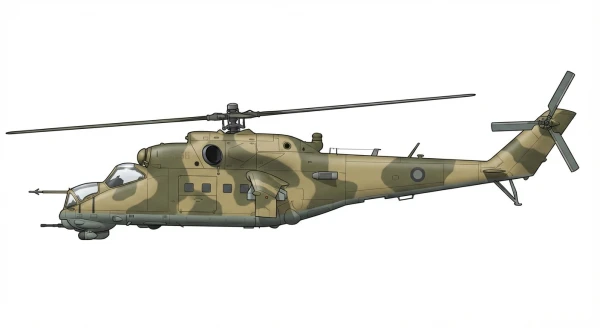
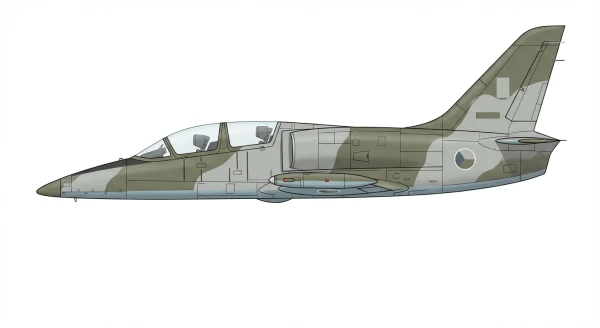
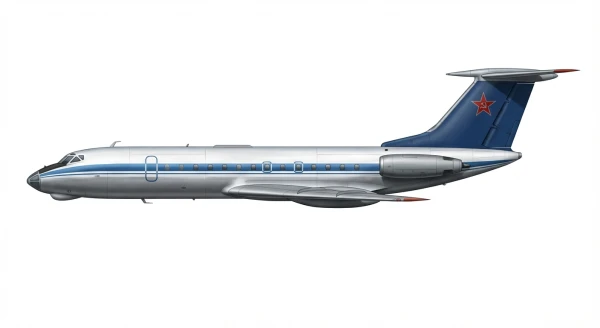
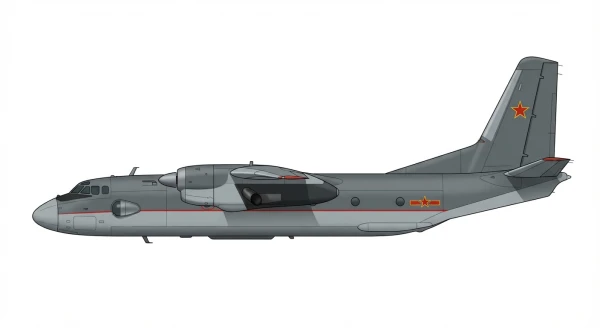
Full inventory in 2026
5 aircraft typesTajikstan Air Force
Overview
The Tajik Air and Air Defense Force is a small, helicopter-centric force with limited independent operational capacity, heavily reliant on the Russian Federation for airspace protection. Its strategic doctrine is fundamentally integrated into the Russian-led Commonwealth of Independent States (CIS) Joint Air Defense System, which dictates its primary role as a supporting element rather than a self-sufficient air arm.
Structurally, the force’s main aviation component is an independent helicopter squadron operating from several airfields. This squadron's core function is providing airlift and direct fire support to the Tajik Ground Forces. Its offensive capabilities are limited to a small number of Mi-24 attack helicopters. The air defense component, though numerically significant with several anti-aircraft missile regiments, has historically been equipped with older Soviet-era systems. Engagements have been limited to operations during the 1990s civil war and sporadic border clashes with Kyrgyzstan, where Tajik forces faced adversaries equipped with Turkish Bayraktar TB2 unmanned aerial vehicles (UAVs).
A significant acquisition is the Chinese HQ-17AE short-range air defense system, first displayed in February 2025. This system, an export version of the HQ-17A, provides a modern, mobile capability to counter low and medium-altitude threats, including drones and precision-guided munitions, with an engagement range of up to 15 kilometers.