Strategic Position
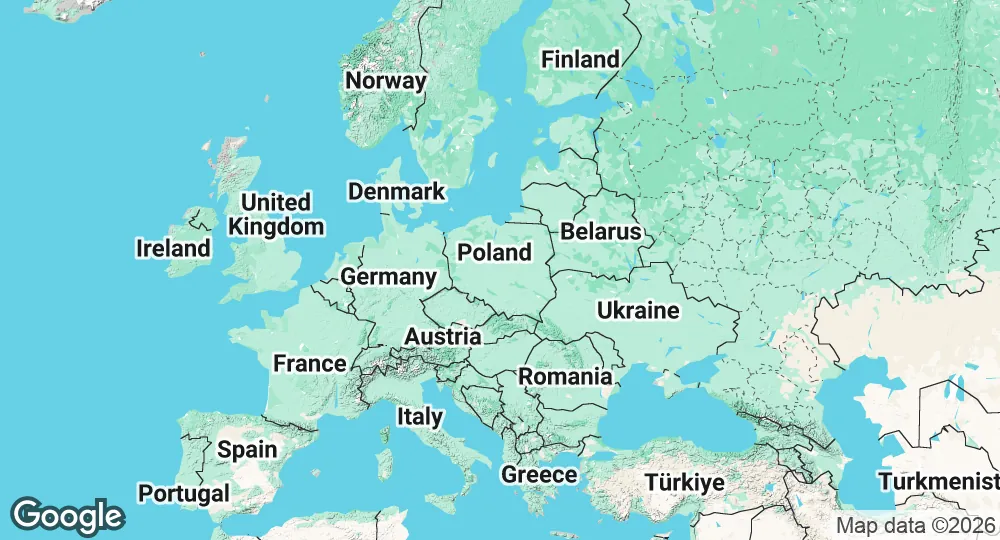
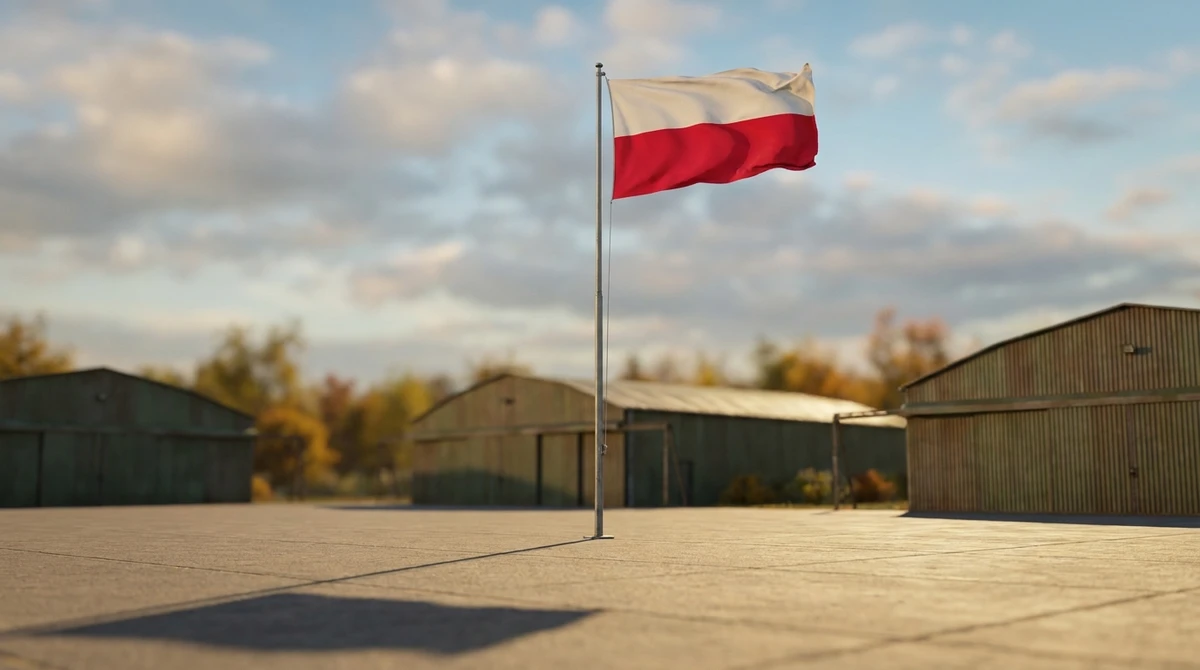
Poland is situated on the North European Plain, sharing borders with Germany, the Czechia, Slovakia, Ukraine, Belarus, Lithuania, and the Russian exclave of Kaliningrad. Its primary security concern is the risk of conventional conflict or hybrid operations originating from the east, specifically focusing on the Suwałki Gap—a 100-kilometer corridor along the Polish-Lithuanian border that separates Kaliningrad from Belarus.
Poland has been a member of NATO since 1999 and the European Union since 2004. National defense policy is centered on Article 5 of the North Atlantic Treaty and a bilateral defense partnership with the United States. Under the Enhanced Defense Cooperation Agreement (EDCA), Poland hosts a permanent U.S. Army V Corps Forward Command in Poznań and a rotational presence of U.S. armored brigade combat teams. Regional security cooperation is conducted through the Lublin Triangle (with Lithuania and Ukraine) and the Weimar Triangle (with France and Germany).
Defense doctrine emphasizes "Total Defense," integrating military capabilities with civilian territorial defense. The strategic priority is the "Shield of Poland" (Tarcza Wschód), a program initiated to fortify the eastern and northern borders with physical barriers, electronic surveillance, and anti-access/area-denial (A2/AD) systems.
Military Forces
The Polish Armed Forces (Siły Zbrojne Rzeczypospolitej Polskiej) are organized into five branches under the General Staff: Land Forces, Air Force, Navy, Special Forces, and the Territorial Defense Force. The command structure is divided between the General Command (responsible for training and readiness) and the Operational Command (responsible for missions and deployment).
Total active personnel is approximately 200,000, with a stated objective of reaching 300,000 by the late 2020s. This figure includes the Territorial Defense Force (WOT), a volunteer branch designed for unconventional warfare and infrastructure protection.
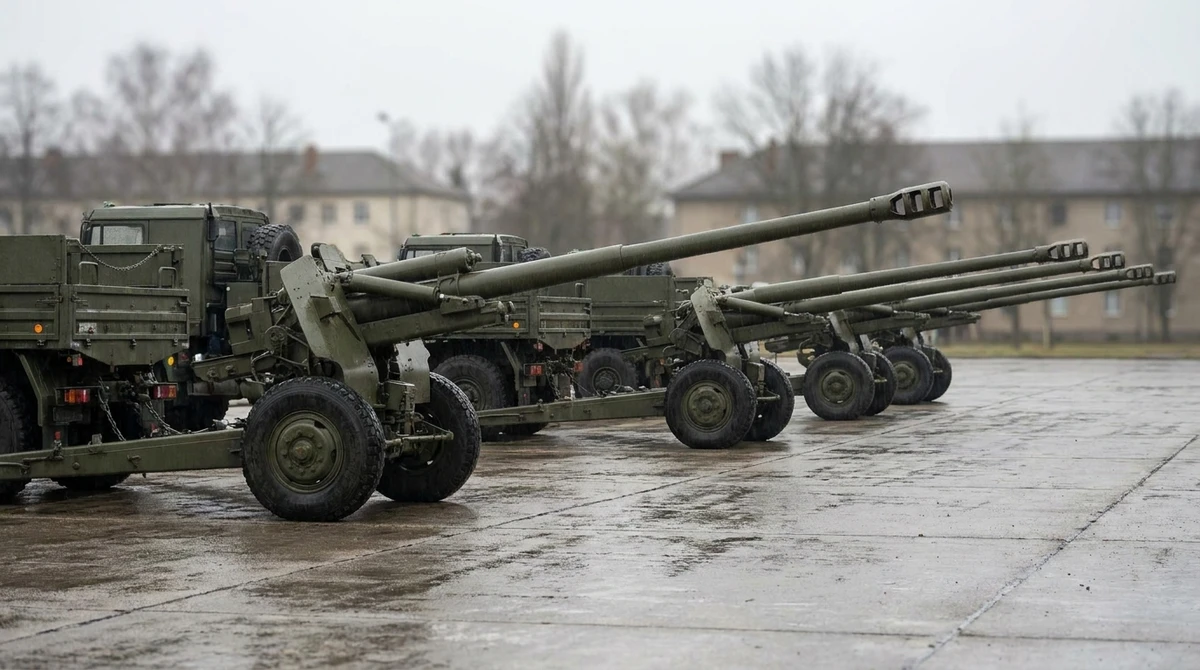
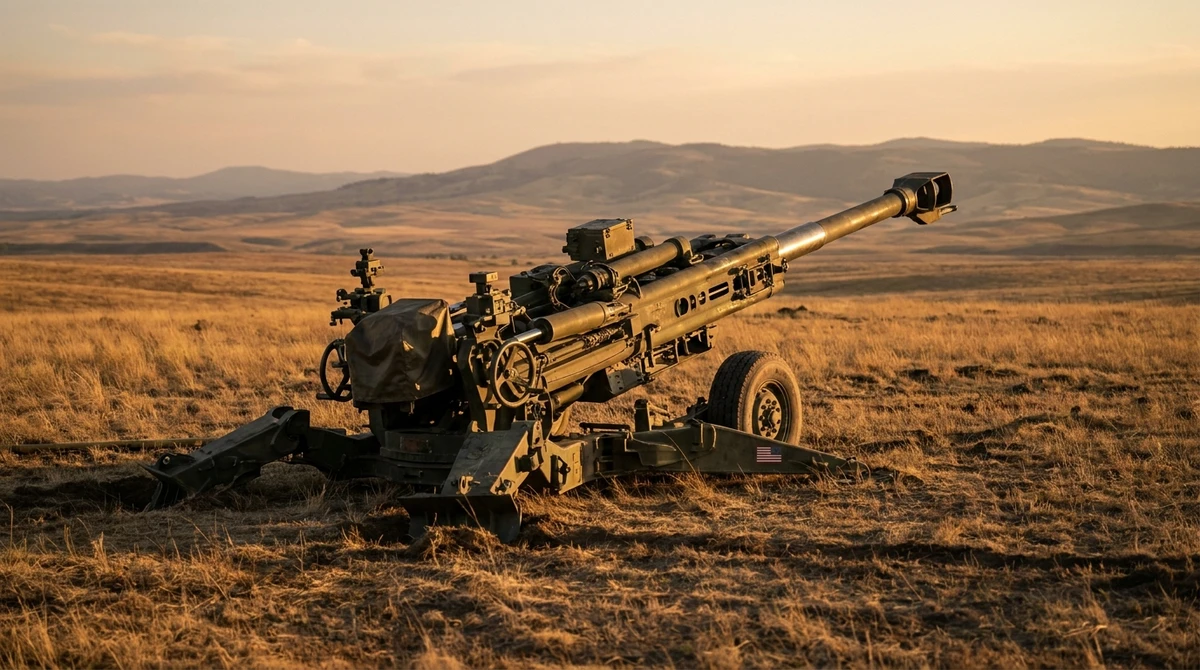
- Land Forces: The army is the primary component of Polish defense. It operates a diverse inventory of Main Battle Tanks, including Leopard 2 (A4, A5, and PL variants), M1A1 and M1A2 SEPv3 Abrams, and K2 Black Panther. Infantry units are equipped with Rosomak wheeled armored personnel carriers and Borsuk tracked infantry fighting vehicles. Artillery capabilities include Krab and K9 Thunder self-propelled howitzers, as well as HIMARS and K239 Chunmoo multiple-launch rocket systems.
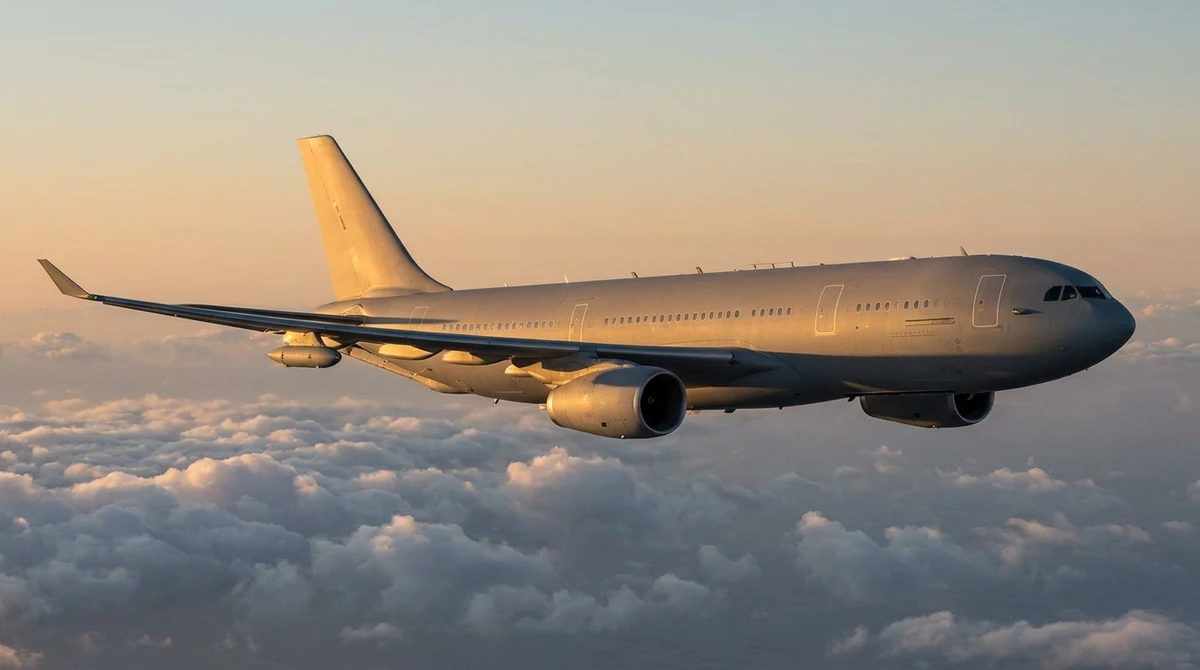
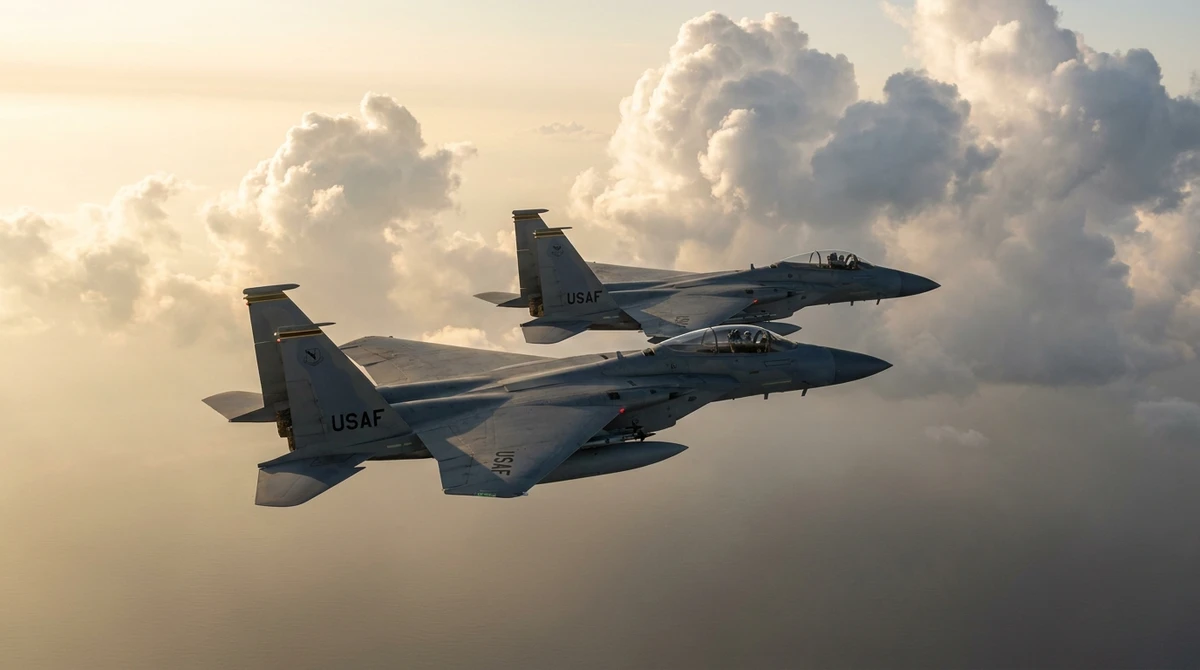
- Air Force: Poland operates F-16 C/D Block 52+ multirole fighters and FA-50 light combat aircraft. The force is currently integrating F-35A Lightning II stealth fighters. Transport is provided by C-130 Hercules and CASA C-295 aircraft. Air defense is organized under the Wisła (Patriot) and Narew (CAMM-based) programs.
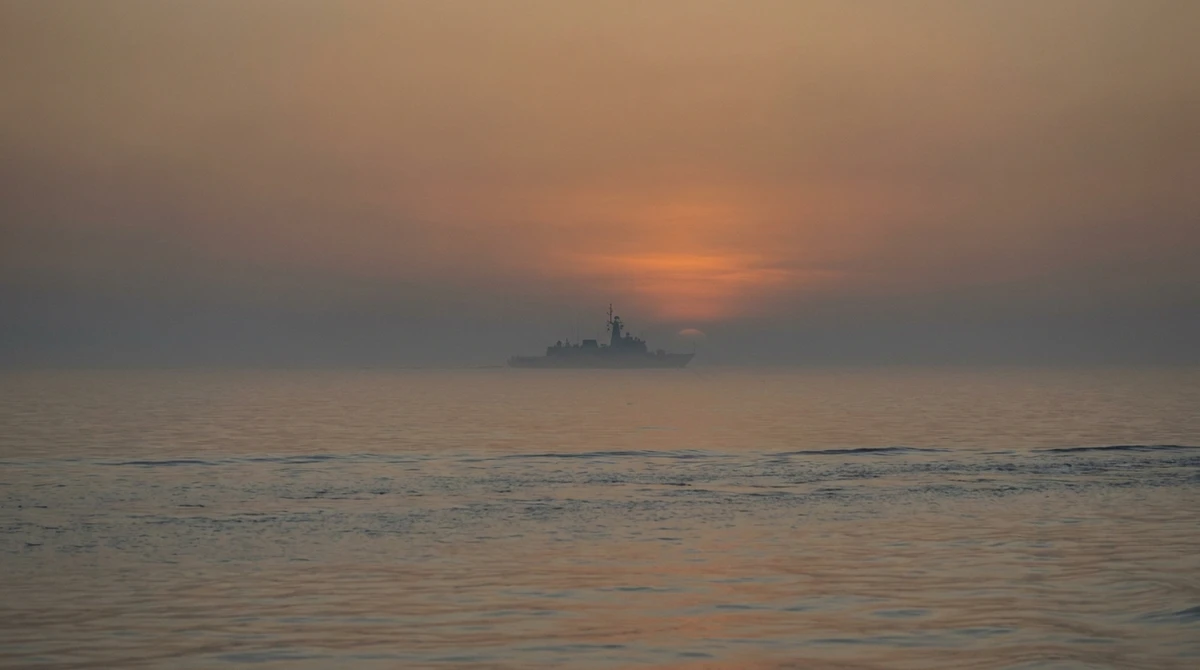
- Navy: Naval operations are concentrated in the Baltic Sea. The fleet includes Oliver Hazard Perry-class frigates, the corvette ORP Ślązak, and Kormoran II-class minehunters. The Navy's most potent offensive capability is the Naval Missile Unit, which operates coastal batteries equipped with Naval Strike Missiles (NSM).
- Special Forces: Wojska Specjalne includes units such as GROM (counter-terrorism), JWK (commando), and Formoza (maritime). These units are fully interoperable with NATO Special Operations Forces.
Defense Industry
The Polish defense sector is dominated by the state-owned holding company Polska Grupa Zbrojeniowa (PGZ), which oversees dozens of subsidiaries including Huta Stalowa Wola (HSW) and Fabryka Broni. The domestic industry produces the Krab self-propelled howitzer, the Borsuk IFV, the Piorun man-portable air-defense system (MANPADS), and the Grot modular firearm system.
While Poland is increasing its self-sufficiency in small arms, ammunition, and armored vehicles, it remains reliant on foreign technology for high-end systems. Current programs emphasize co-production and technology transfer, notably with South Korean firms (K2 tanks and K9 howitzers) and British firms (Miecznik-class frigates). The WB Group is a significant private contributor, specializing in FlyEye unmanned aerial vehicles and the Warmate loitering munition.
Strategic Trends
In 2025 and 2026, Poland maintains one of the highest defense spending levels in NATO relative to GDP, with allocations reaching approximately 4% to 5%. This budget supports an unprecedented procurement cycle aimed at replacing Soviet-era equipment with Western and South Korean platforms.
Force structure is shifting toward a more heavy, mechanized posture. The creation of the 1st Infantry Division of the Legions in eastern Poland reflects a move toward "forward defense," intended to contest territory immediately rather than trading space for time.
Key challenges include the logistical complexity of maintaining three separate main battle tank ecosystems (Leopard, Abrams, K2) and the demographic pressure of recruiting and retaining a 300,000-strong force. Modernization efforts in 2026 focus on expanding satellite reconnaissance, integrated battle management systems (IBCS), and domestic production of 155mm artillery ammunition.