'BRRRRT Act' Would Force the US Air Force to Keep 126 A-10 Warthogs Flying Through 2033
A bipartisan House bill introduced on July 21, 2026 would set a floor of 126 A-10 Thunderbolt IIs through fiscal 2033 and bar further retirements until a certified close air support replacement is flying.
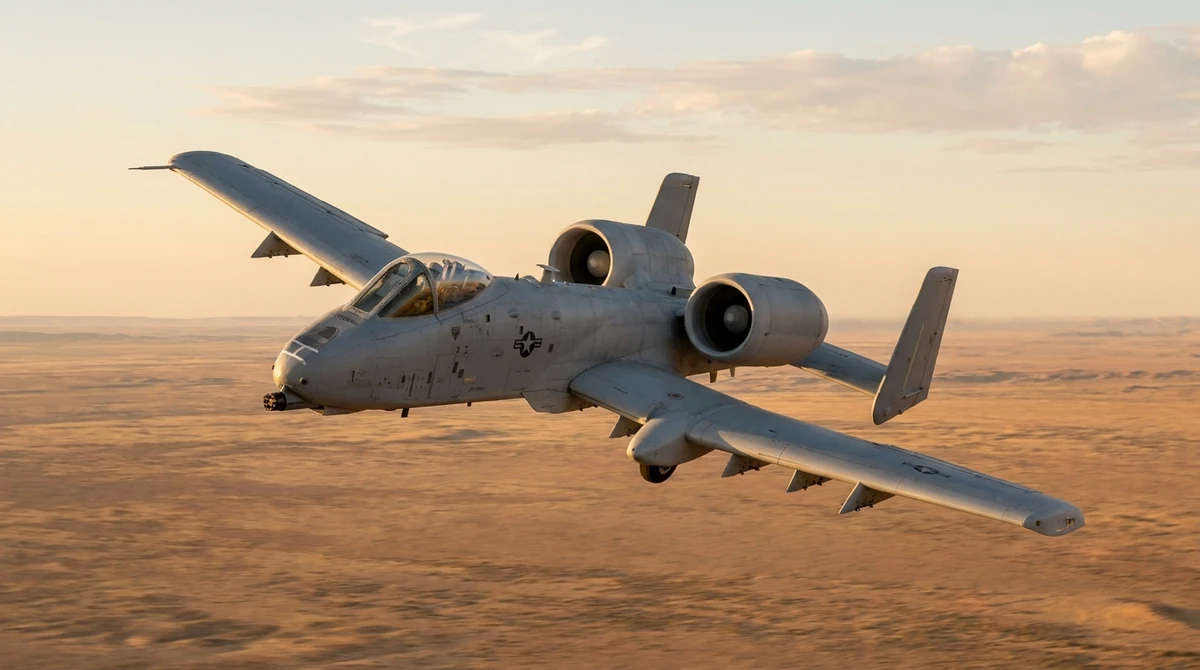
A bipartisan group of US lawmakers has introduced legislation that would halt the retirement of the A-10 Thunderbolt II and force the Air Force to rebuild the support structure it has spent two years dismantling. H.R. 9780, formally the Bolstering Recognition, Resurgence, Retention, and Remembrance of the Thunderbolt Act and universally known as the BRRRRT Act, was introduced in the House of Representatives on July 21, 2026 and referred to the Armed Services Committee.
The bill would require the Air Force to keep a minimum of 126 A-10s in the inventory through at least fiscal year 2033. It would also restore depot-level maintenance at Hill Air Force Base in Utah, reinstate the A-10 pilot training pipeline and weapons instructor course, and give the service 90 days to deliver a restoration plan to Congress. Critically, it would bar any further retirements until the Secretary of Defense certifies that a replacement aircraft with close air support as its primary mission has been fielded and is fully operational.
The nickname comes from the sound of the aircraft's GAU-8/A Avenger seven-barrel 30 mm cannon. The bill is sponsored by Rep. Abe Hamadeh (R-Ariz.) and co-led by Rep. Don Davis (D-N.C.), with cosponsors from Georgia, Missouri, Wisconsin and Florida — districts that include or neighbor the remaining A-10 bases.
The legislation is a direct answer to a fight Congress and the Air Force have been having since 2024. The service entered fiscal 2026 seeking authority to divest the entire fleet within the year, arguing the Warthog cannot survive in contested airspace and that its missions can be absorbed by the F-35A, F-15E and F-16. Lawmakers rejected that in the fiscal 2026 National Defense Authorization Act, setting a statutory floor of 103 aircraft. Current Air Force planning would hold roughly 54 jets in three squadrons at Moody Air Force Base in Georgia and Whiteman Air Force Base in Missouri into 2029-2030. The service has not named a dedicated close air support successor.
GlobalMilitary.net inventory data shows how fast the fleet has thinned. The US Air Force, the largest of the air forces of the world ranked by GlobalMilitary.net, held 286 A-10Cs in 2023, 270 in 2024 and 234 in 2025. It has 162 today — a 43 percent reduction in three years, and the steepest drawdown of any combat type in the American inventory. Fairchild Republic built 716 airframes, and the type entered service in 1975; the survivors are now approaching 45 years old on average.
The A-10 also remains an operational aircraft, not a museum piece. GlobalMilitary.net logged an A-10C combat loss on April 3, 2026 near the Strait of Hormuz, in which the pilot ejected over the Persian Gulf and was rescued.
The BRRRRT Act now sits with the House Armed Services Committee, which will take it up as it marks up the fiscal 2027 defense authorization bill. The Air Force has not publicly responded to the legislation.
More News
All news →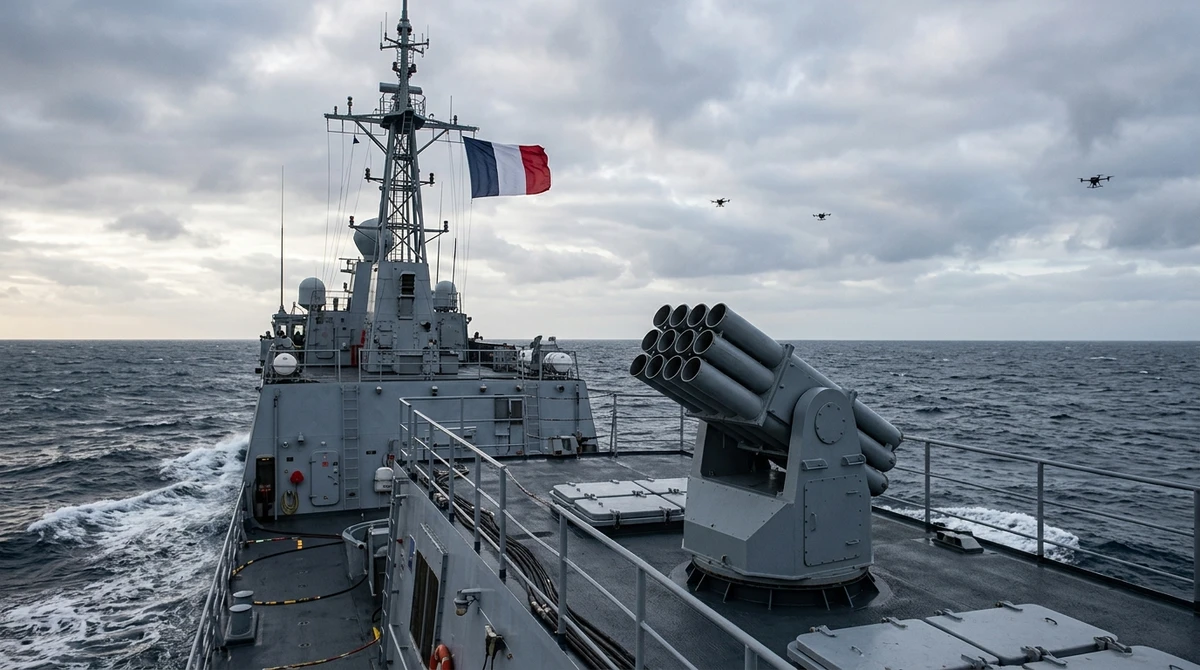
Naval Group's Rampart Counter-Drone Launcher Fitted to French Mistral-Class Ship Ahead of Sea Trials
Naval Group's modular Rampart close-in weapon system was spotted aboard a French Navy Mistral-class amphibious assault ship in Toulon, according to reports of September 22, 2026, ahead of a first at-sea firing campaign scheduled for October during the counter-drone exercise WildFire.

Argentina's Draft 2027 Budget Proposes $3.5 Billion for Three Submarines and Two Frigates
Argentina's draft 2027 national budget, submitted to Congress on September 15, 2026, authorizes up to $2.3 billion in financing for three conventional submarines and $1.2 billion for two multimission frigates, Naval News and MercoPress reported.
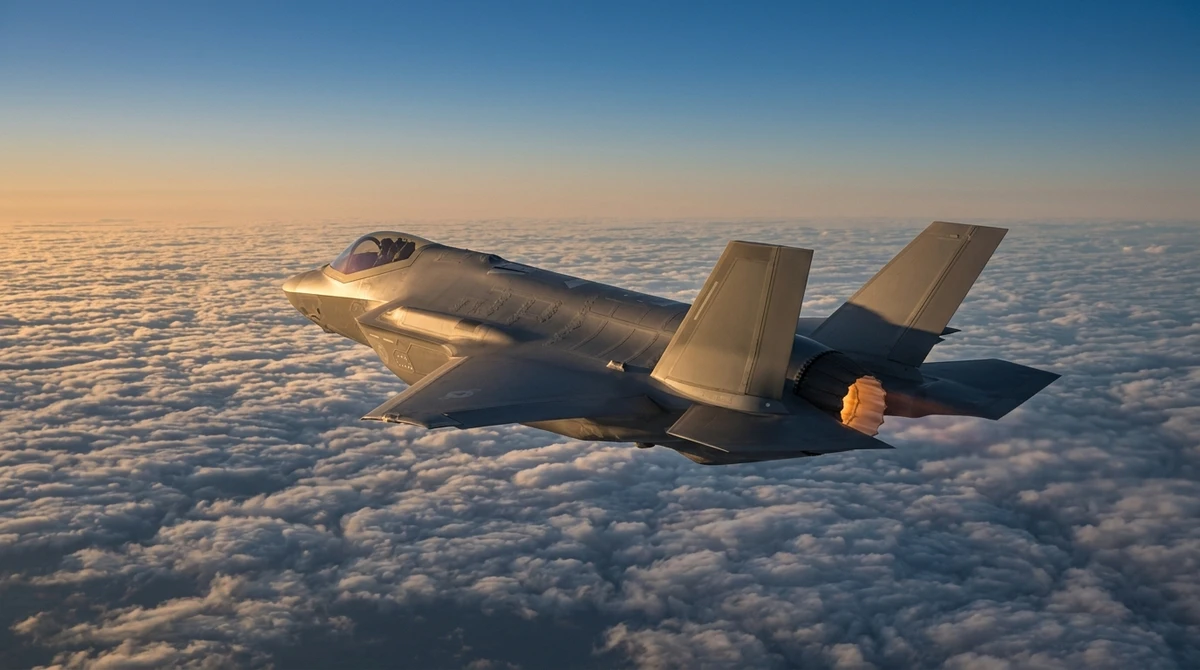
General Atomics Delivers FQ-42 Vengeance Uncrewed Fighter to Creech Air Force Base
General Atomics delivered one FQ-42 Vengeance uncrewed fighter to Creech Air Force Base, Nevada, on September 18, as the company says it is on track to build six a month and the Secretary of the Air Force expects at least 500 autonomous aircraft in service by 2032.
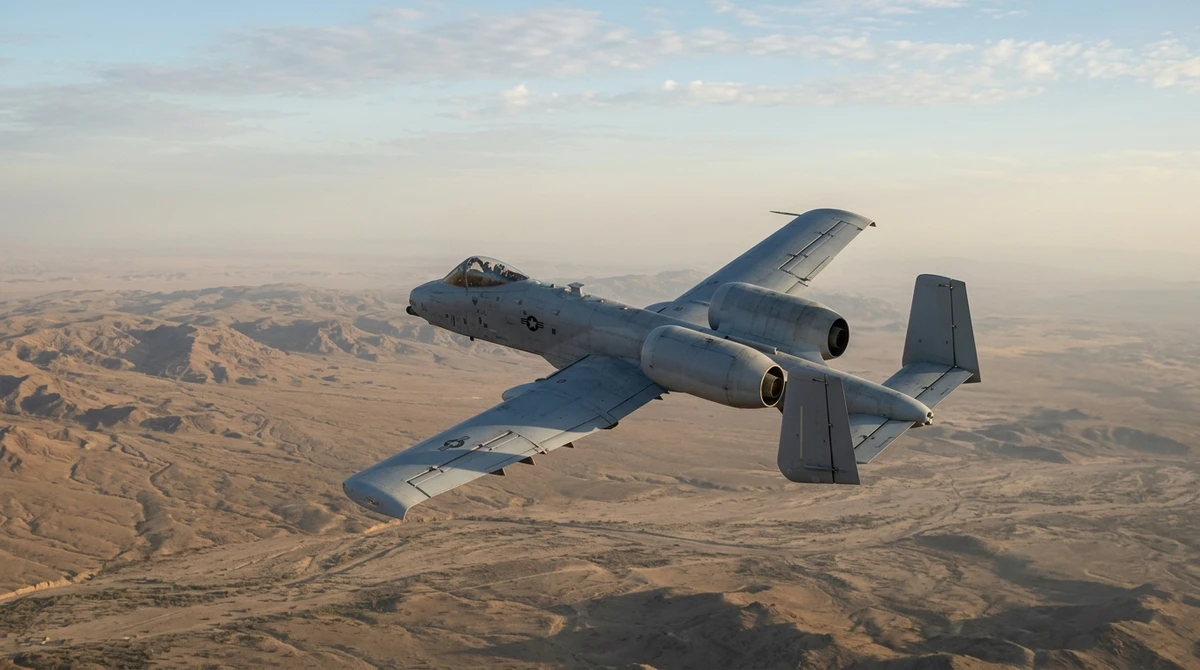
Davis-Monthan Inactivates Four A-10 Units, Ending the Base's Thunderbolt II Mission
The US Air Force inactivated four A-10 units at Davis-Monthan Air Force Base, Arizona, on September 18, 2026, ending the type's presence at the base while the FY2026 defense authorization act holds the fleet at no fewer than 103 aircraft through fiscal 2026.
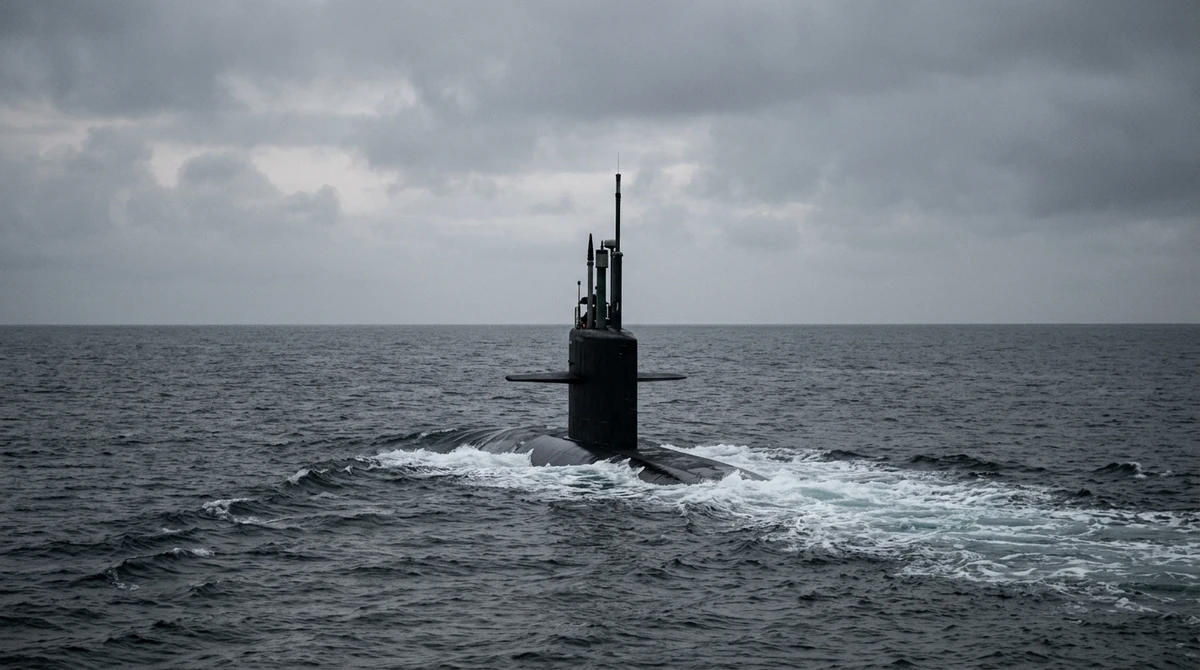
Nuclear vs Air-Independent Propulsion: How a Submarine Runs Without Air, and What Japan Is Weighing
After Japan's defense minister declined on September 11, 2026 to rule out nuclear-powered submarines, a technical explainer on how a reactor, a Stirling engine, a fuel cell and a lithium-ion battery each keep a boat under water, and what each one buys.

Latvia Picks Czech Morana Howitzers Over Sweden's Archer
Latvia's Cabinet of Ministers decided on September 15, 2026 to procure Excalibur Army's Morana 155 mm wheeled howitzers, setting aside a June 2025 letter of intent with Sweden for 18 BAE Systems Bofors Archer systems, the Ministry of Defence said.