MiG-25 Defection at 50: A Soviet Pilot's Landing in Japan Exposed the Foxbat's Limits
This Sunday marks 50 years since a Soviet Air Defense Forces lieutenant flew a MiG-25P interceptor from Chuguyevka Air Base to Hakodate Airport in Hokkaido on 6 September 1976, giving the United States and Japan their first close look at the fastest combat aircraft in the Soviet inventory.
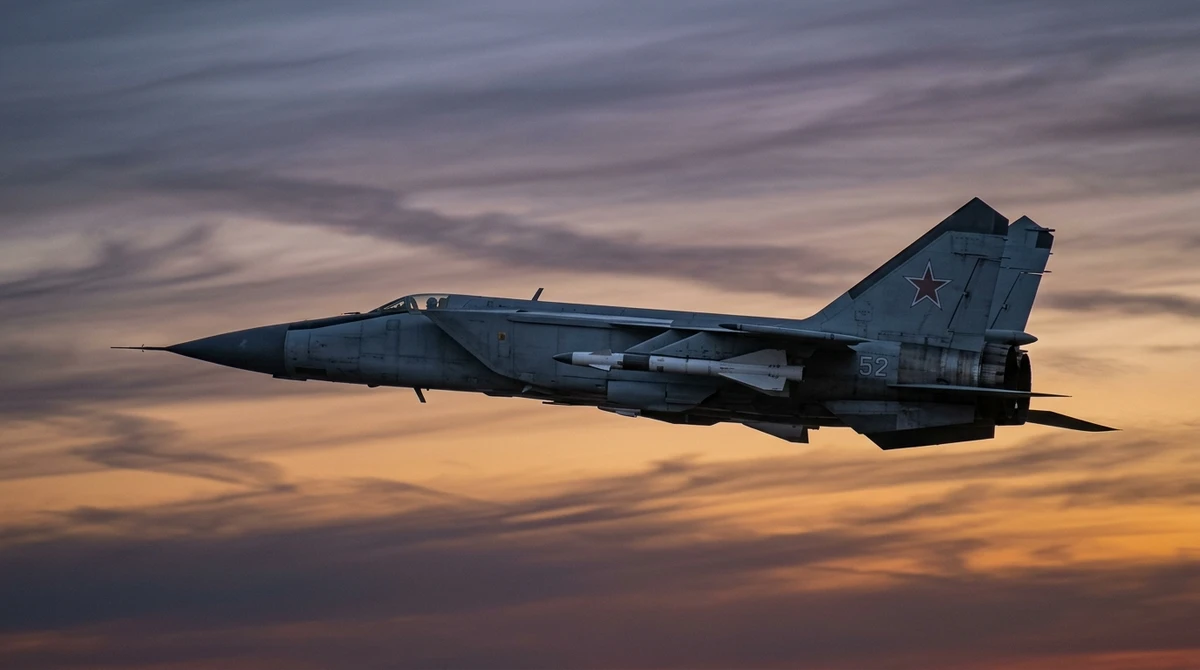
This Sunday, 6 September, marks 50 years since Lieutenant Viktor Belenko of the Soviet Air Defense Forces' 513th Fighter Regiment broke away from a training flight and landed his MiG-25P interceptor at Hakodate Airport in southern Hokkaido, Japan. The landing gave Western engineers their first close look at the fastest combat aircraft in the Soviet inventory.
Belenko took off from Chuguyevka Air Base, near Vladivostok, followed the flight plan at first, then descended rapidly and headed out to sea. Japanese radar detected the aircraft at about 1:10 pm, and at about 1:20 pm two F-4EJ Phantoms were scrambled. They flew from Chitose Air Base, but in cloudy weather ground radar could not track the intruder and the Phantoms, with poor look-down radar, failed to find him.
Low on fuel, Belenko found the civilian airport at Hakodate, circled three times and landed. The runway was too short: despite the drogue parachute, the nose tire burst and the aircraft ran off the end with about 30 seconds of fuel left. Police arrested him for violating Japanese airspace and for firearms offenses, after he had fired his service pistol into the air to keep onlookers away. He asked for political asylum in the United States, which announced it on 8 September, and left Japan the next day. Moscow first claimed he had lost his way, then that he had been drugged.
Japan allowed the United States to examine the aircraft on the ground only, then permitted it to be dismantled. On 25 September a US Air Force C-5A Galaxy flew the partly disassembled MiG to Hyakuri Air Base, where Japanese and American technicians took it apart; Japan refused to let the Americans fly it or take it away. The Director of Central Intelligence, George H. W. Bush, called it an "intelligence bonanza," Time magazine reported on 1 November 1976.
The findings, as reported by Wikipedia and the period press, overturned several assumptions. The aircraft was an interceptor, not the fighter-bomber Japanese planners had feared. The airframe was built primarily of nickel-steel alloy rather than titanium, and most of the avionics used vacuum tubes rather than solid-state electronics. The operational top speed was limited to Mach 2.83, because runs above Mach 3.2 wrecked the engines. The radar could not look down at low-flying targets; a Soviet decree of 4 November 1976 ordered a more advanced set, leading to the MiG-25PD with the Sapfir-25 radar.
Japan shipped the aircraft home in crates and billed the Soviet Union US$40,000 for crating and airport damage; Moscow, which had demanded US$10 million for damage to the aircraft, accepted the terms on 22 October and later complained that about 20 parts were missing.
The episode exposed gaps in Japanese air defense, and the JASDF flew 24-hour F-4EJ patrols over Hokkaido afterwards. Japan's air force today flies a different fleet. GlobalMilitary.net's 2026 inventory lists 155 F-15J and 44 F-15DJ Eagles, and the F-4EJ is no longer in service; a separate page shows how the Eagle compares with the Foxbat.
The MiG-25 first flew on 6 March 1964, entered service in 1970 and stayed in production until 1984, with 1,186 built. GlobalMilitary.net lists a maximum speed of 3,000 km/h and a service ceiling of 20,700 m; the type still holds the altitude record for an air-breathing piloted aircraft, at 38 km, according to Wikipedia. Algeria retired its Foxbats from frontline service in July 2022, and in the 2026 inventories only Syria's air force still carries the type, with two airframes. Its successor, the MiG-31 Foxhound, carries the Zaslon radar with the look-down capability the MiG-25 lacked; Russia's air force lists 128.
Belenko, who had brought the aircraft's training manual with him, was debriefed for about five months. Congress made him a citizen by a private law signed on 14 October 1980. He co-wrote "MiG Pilot" with John Barron and died in Illinois on 24 September 2023, aged 76, the New York Times reported.
More News
All news →
Nearly Half the World's Military Aircraft Fly Designs Older Than 1980
GlobalMilitary.net's 2026 inventories put 28,490 of the 58,339 military aircraft in 162 air arms on designs that predate 1980 — a 49.1 percent share driven as much by types still worth building, like the C-130, as by fleets frozen in time, like North Korea's.
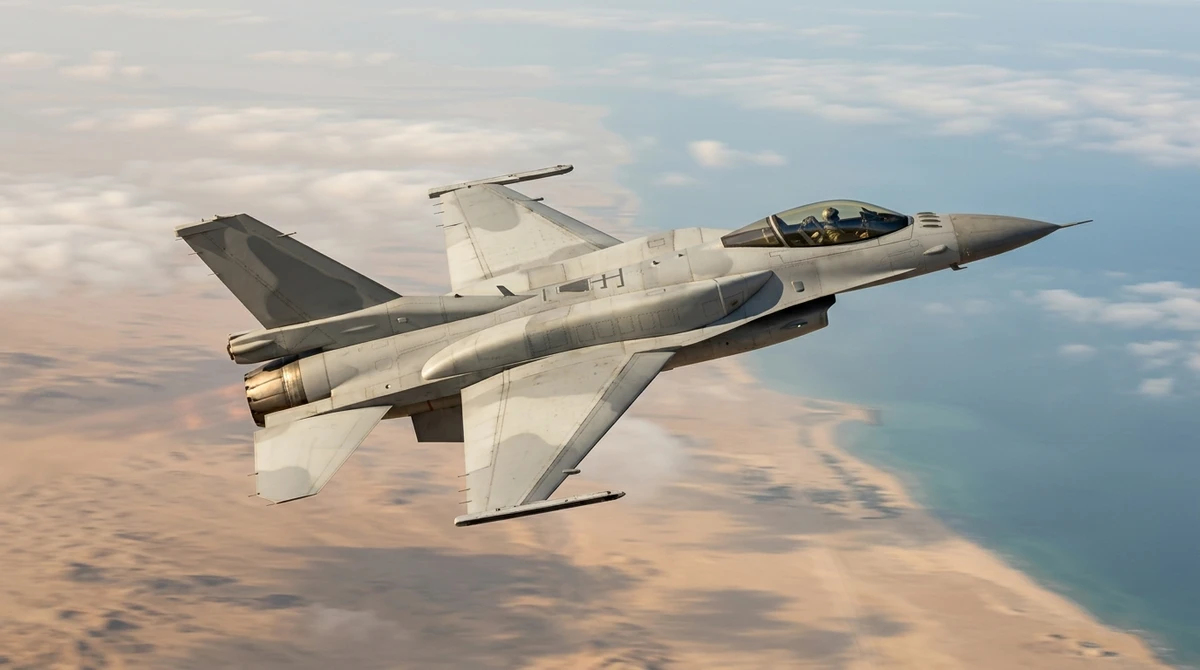
Iran Claims Drone Strikes on Al Minhad Air Base, UAE Denies Its Base Was Targeted
Iran's army said it attacked Al Minhad Air Base in the United Arab Emirates with drones on August 31, 2026. The Emirati defense ministry denied the base was targeted and said its air force engaged a drone approaching from Iran.
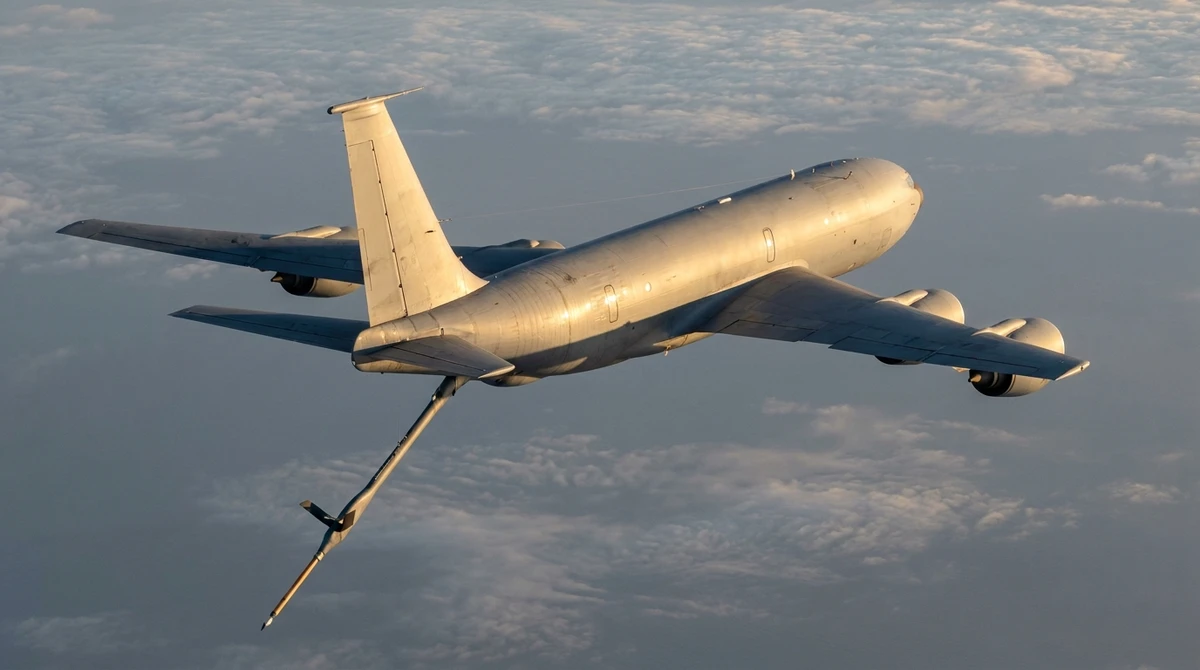
Seventy Years After Its First Flight, the KC-135 Is Still More Than Half the World's Tankers
The first Boeing KC-135A flew on August 31, 1956. Seventy years on, 385 Stratotankers remain in service with three air forces, 52 percent of the world's 740 dedicated tankers, and 2026 has already cost the fleet two airframes and damaged eight more.
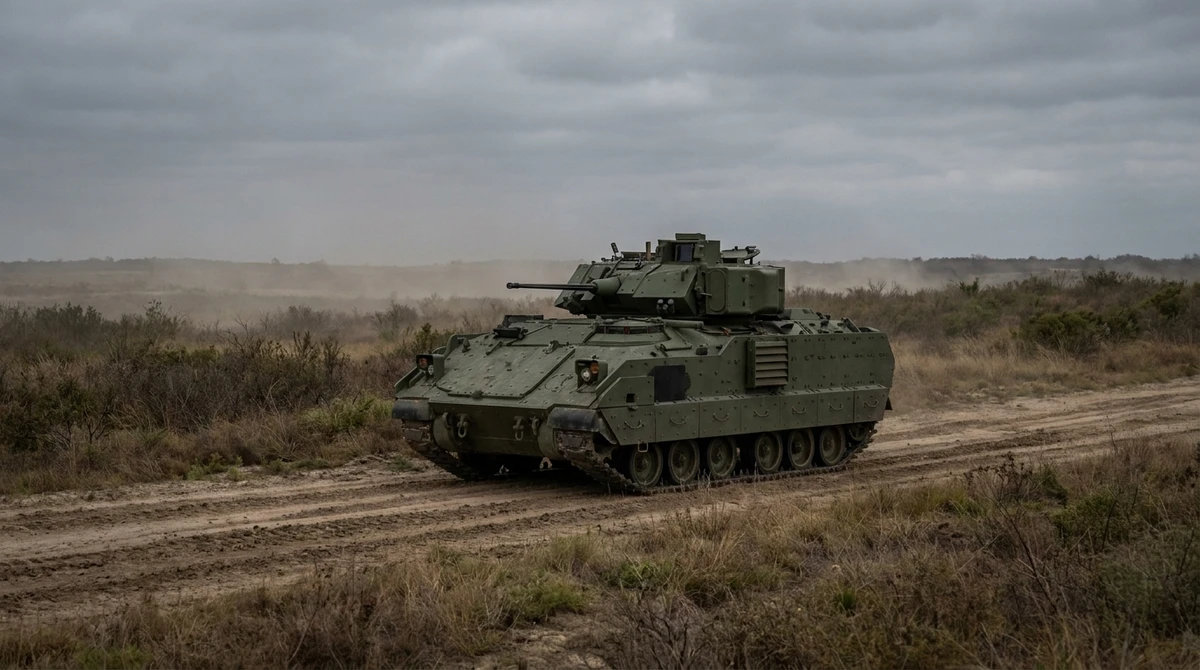
General Dynamics Delivers First XM30 Wolf, Opening the Army's Bradley Replacement Trial
General Dynamics Land Systems handed the first XM30 Wolf prototype to the U.S. Army at Aberdeen Proving Ground on August 28, opening a head-to-head evaluation against American Rheinmetall's Lynx that leads to a production decision in spring 2027.

Only Five Countries Field ICBMs Today: How Their Land-Based Arsenals Compare
Russia's Yars test from Plesetsk on August 27, 2026 is a reminder that intercontinental ballistic missiles remain the preserve of five states: GlobalMilitary.net counts twelve ICBM designs in service, four of them Russian and only one American.

The US Navy Fields Four Minesweepers to Europe's 157, and Sailed Two From Japan to Hormuz
The United States decommissioned its four Bahrain-based Avenger-class mine hunters in September 2025 and shipped the hulls home in January 2026. When Iran began mining the Strait of Hormuz two months later, according to CENTCOM, the Navy had to sail two of its last four minesweepers from Japan.