Pentagon Signs $3 Billion Motor Deal to Triple Patriot and Quadruple THAAD Output
The Department of War awarded Northrop Grumman a $3 billion framework agreement on 3 August 2026 to build solid rocket motors for PAC-3 MSE and THAAD, breaking a single-source bottleneck in the drive toward nearly 14,000 interceptors.
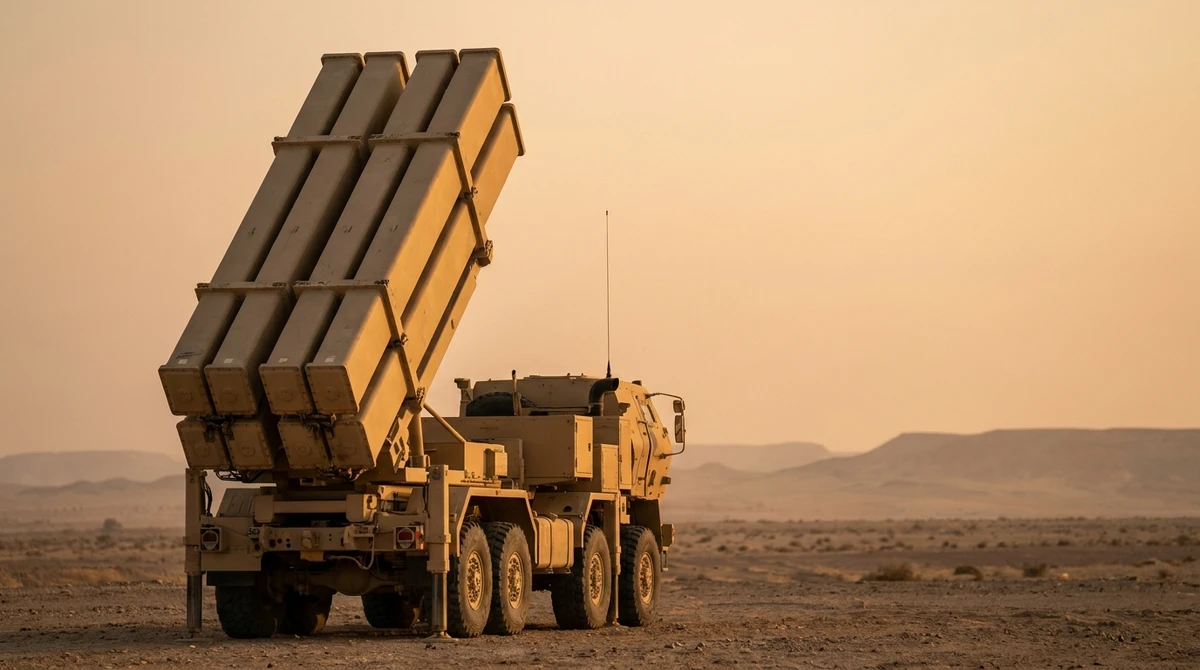
The US Department of War announced on 3 August 2026 a $3 billion framework agreement with Northrop Grumman to expand production of solid rocket motors for the Patriot PAC-3 MSE and THAAD interceptors, the component that has become the binding constraint on both programs.
The agreement runs seven years and is split $2 billion for PAC-3 and $1 billion for THAAD. Northrop will produce PAC-3 motors at the Allegany Ballistics Laboratory in West Virginia and increase THAAD motor output at its San Diego facility. The significance is structural rather than financial: it establishes a second source for Patriot solid rocket motors, which L3Harris has until now supplied alone. The Pentagon signed a separate propulsion agreement with L3Harris the previous week, and the package also covers ignition safety devices for PAC-3 and THAAD structural components such as mid-body shells, muzzle covers and rail car assemblies.
"Framework agreements with munition components suppliers like Northrop Grumman are vital to accelerating the tripling of PAC-3 and quadrupling of THAAD interceptor production," said Michael Duffey, under secretary of defense for acquisition and sustainment.
Those two multipliers are the point of the exercise. PAC-3 MSE output is to rise from roughly 600 interceptors a year to 2,000 by the end of 2030, and THAAD production is to quadruple, against a long-term procurement objective of nearly 14,000 Patriot and THAAD rounds combined. Reaching those rates depends less on final assembly than on the sub-tier suppliers who make motors and energetics, which is what these framework deals are meant to signal: sustained demand large enough to justify new plant.
The urgency comes from consumption. Analysts at the Center for Strategic and International Studies estimate, from publicly available data, that the United States has expended close to two-thirds of its pre-war Patriot interceptor stockpile and about half its THAAD inventory since the 2026 Iran conflict began on 28 February, on top of years of transfers to Ukraine. Both systems have been fired in volumes no peacetime production plan anticipated.
The 3 August agreement sits downstream of the largest air-defense contract the US Army has ever placed: on 29 July, Lockheed Martin received a multiyear award worth up to $58.62 billion for PAC-3 MSE production, the missile-level commitment that the motor agreements are now built to feed. Lockheed has separately said it is investing $8 billion to $9 billion through 2030 to modernize more than 20 US facilities for munitions output.
The rate targets are dated to the end of the decade, which means the interceptor shortfall persists through the intervening years. Whether the second motor source closes it faster than the schedule implies will be visible in the first full year of Northrop deliveries.
More News
All news →
Chile Opens Search for a Replacement of Its 50-Year-Old F-5 Tiger III Fighters
Chile's defense minister announced in Punta Arenas on September 24 that the Chilean Air Force has formally begun the process of replacing its F-5E/F Tiger III fighters, in service since 1976, within a package that also covers transports, helicopters, maritime patrol and Antarctic capabilities.
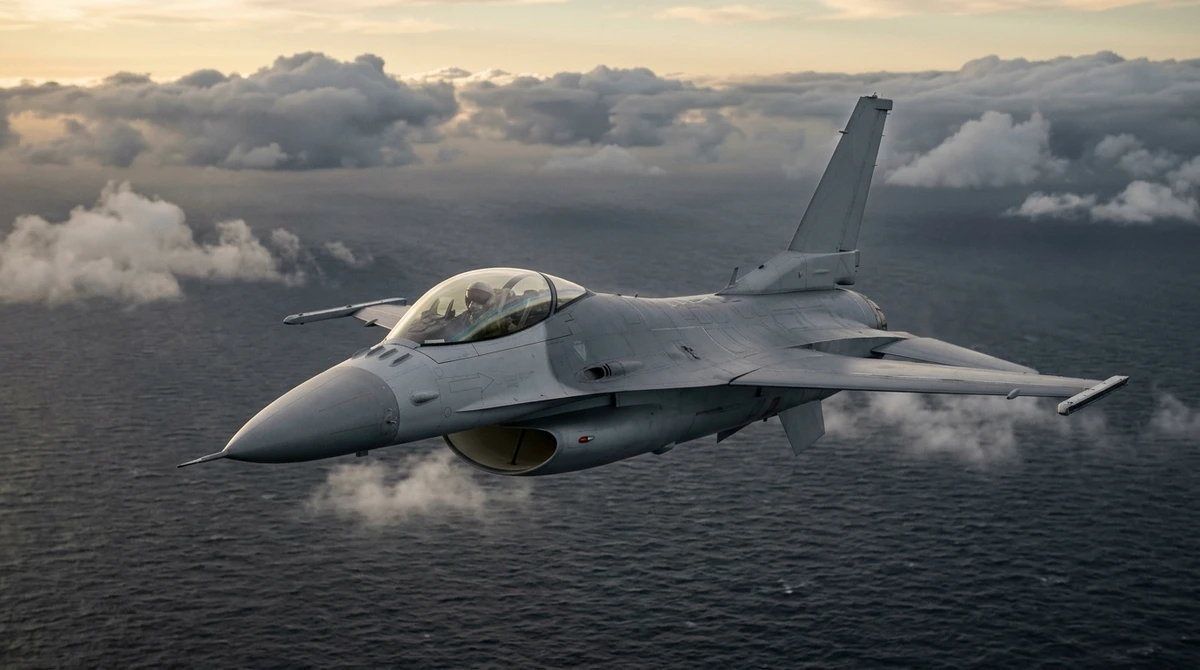
Portugal's F-16 Replacement Draws Eurofighter Bid Plan and Rafale Offer Before Any Tender Opens
Airbus said on Sept. 24 it plans an unsolicited Eurofighter Typhoon proposal to Lisbon in late October or early November, a day after Dassault disclosed a July French government Rafale submission, while Portugal has yet to open a formal tender to replace its upgraded F-16s.

Canada Signs Preliminary Deal With Saab for Six GlobalEye Early-Warning Aircraft
Saab and Canada's Defence Investment Agency signed a non-binding term sheet on September 25, 2026, setting the framework for negotiations on six GlobalEye airborne early warning aircraft for the Royal Canadian Air Force.

Italy Orders Two 13,500-Tonne DDX Destroyers, Nearly Twice the Size of Its Horizon Class
Orizzonte Sistemi Navali, the Fincantieri-Leonardo joint venture, signed a contract worth about €3.7 billion with OCCAR on September 24 for two DDX air and missile defense destroyers for the Italian Navy, with deliveries due in 2033 and 2035.
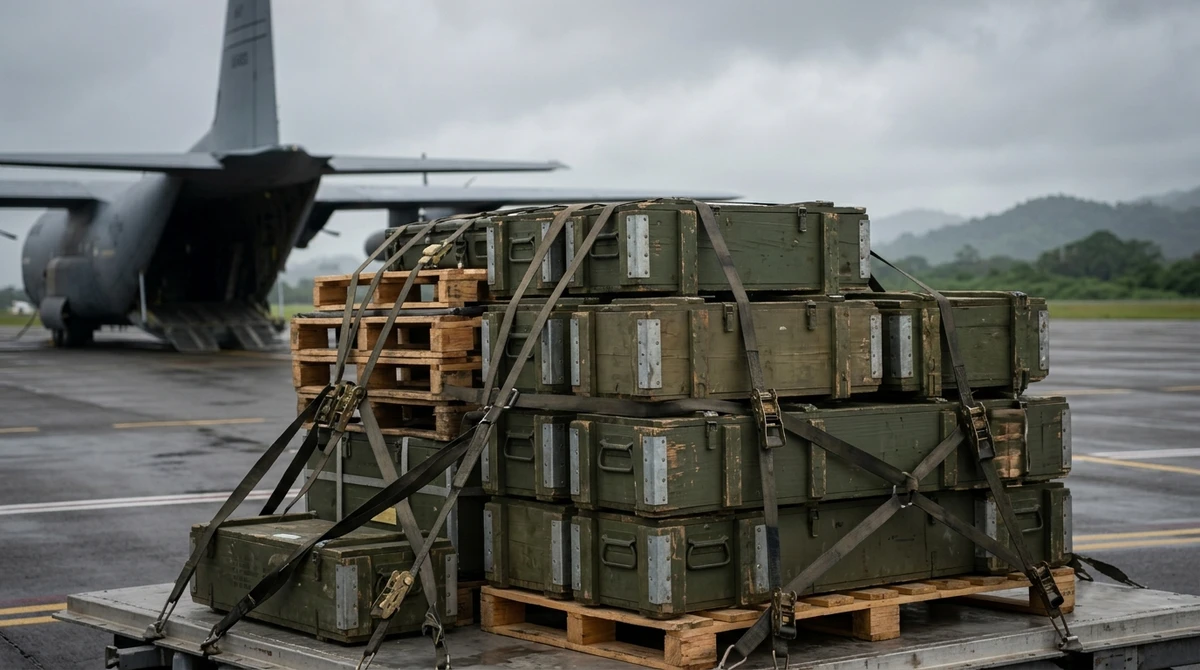
Guatemala Receives First Lot of More Than 2,000 M4A1 Carbines in First US Arms Purchase in Decades
Guatemala's army formally took delivery on 21 September 2026 of a first lot of more than 2,000 US-made M4A1 carbines at La Aurora International Airport in Guatemala City, the opening tranche of a US$5 million Foreign Military Sales order for a new jungle brigade in Petén.
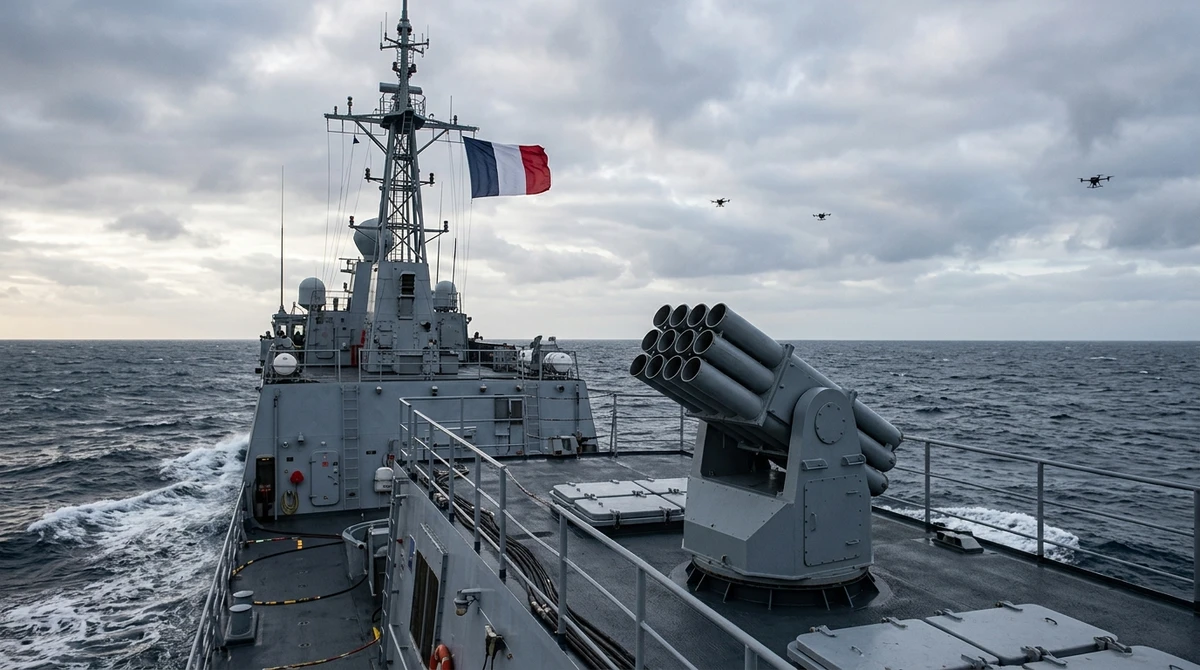
Naval Group's Rampart Counter-Drone Launcher Fitted to French Mistral-Class Ship Ahead of Sea Trials
Naval Group's modular Rampart close-in weapon system was spotted aboard a French Navy Mistral-class amphibious assault ship in Toulon, according to reports of September 22, 2026, ahead of a first at-sea firing campaign scheduled for October during the counter-drone exercise WildFire.