How Crewed Minehunters and Drone Motherships Find and Destroy Sea Mines
The three motherships the UK said on November 12 it will buy are meant to stay outside the minefield and send uncrewed boats, towed sonars and underwater vehicles in, where today's non-magnetic minehunters and their divers go themselves.
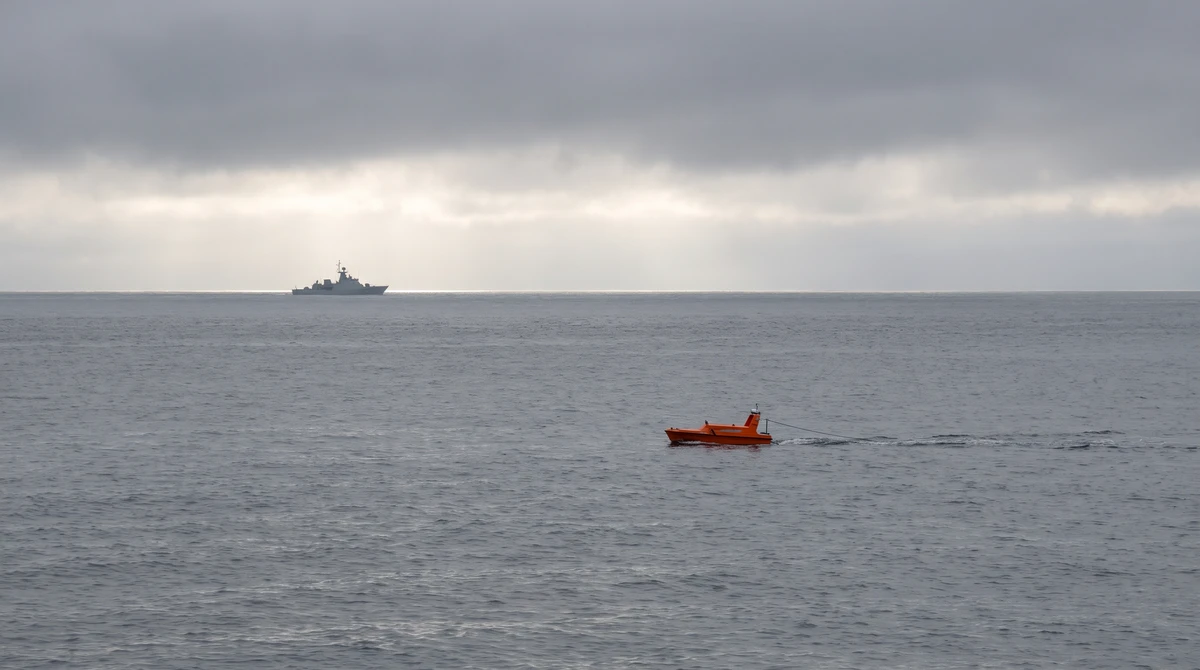
The UK Ministry of Defence said on November 12, 2026 that the Royal Navy will buy three Norwegian-designed ships to act as motherships for uncrewed mine-hunting systems, with the first due in 2031 and an option for three more. The ministry said the ships would be central to modernizing the navy's mine hunting, "keeping sailors further from danger."
The minehunters in service today are crewed ships built to work inside mined water, while a mothership stays outside it and sends machines in. The ministry said the agreement takes the UK into the P1118 Standardised Vessel Programme run by Norway, and it linked the purchase to the Strait of Hormuz, saying the threat from sea mines "has been brought into sharp focus following Iran's illegal mining" of the strait.
A sea mine is an explosive device hidden in the sea and detonated either by direct contact or at a distance by the acoustic, seismic or magnetic signatures of passing ships, in the definition the US Government Accountability Office (GAO) used in a 1996 report. Contact mines are the oldest and most common type, according to a Federation of American Scientists (FAS) reference page adapted from US Navy material, while influence mines use a magnetometer, a hydrophone that picks up engine and propeller noise, or a sensor that waits for the pressure drop caused by a passing vessel. The same page says bottom mines rest on the seabed in shallow water and moored mines are held at a set depth by a cable anchored to the bottom.
GAO put the combined damage to USS Tripoli and USS Princeton, which it said were struck by Iraqi mines in the Persian Gulf in February 1991, at about $21.6 million, caused by two mines it estimated at $10,000 and about $1,500. In a 1998 report it said mines were responsible for 14 of the 18 US Navy ships destroyed or damaged since 1950.
GAO defined two ways to clear them. Mechanical minesweeping drags mines with a sweep wire or cuts their tethers, and influence minesweeping uses towed magnetic or acoustic gear to detonate them at a safe distance. Mine hunting is "the process of detecting, locating, and identifying mines through the use of sonar."
Inside the minefield
A ship that hunts at close range must not trigger what it is looking for. GAO described the US Avenger class as a 224-foot ship built of wood and glass-reinforced plastic (GRP) "to maintain a nonmagnetic character, which is essential to mine clearing operations," and said the Osprey-class coastal minehunters had GRP hulls for the same reason. The British Hunt class ships are the largest warships of GRP construction, according to Naval Technology. The Dutch defense ministry says the most striking feature of its Tripartite-class minehunters is the complete absence of steel, with a polyester hull and an aluminum superstructure, because many sea mines react to disturbances in the magnetic field.
The search is done by sonar. According to Naval Technology, the Hunt class's Sonar 2193 can detect and classify an object the size of a football at a range of up to 1,000 meters, and the Sandown class lowers a variable-depth sonar through a well in the hull. The Avenger's AN/SQQ-32 carries its search and classification sonars in a towed body to find bottom and moored mines "at safe stand-off distances," according to the FAS reference on the system.
The Dutch ministry lists the steps of a hunt as detecting, classifying, identifying and neutralizing a contact. The last is done in one of three ways:
- A recoverable vehicle. The Avenger's AN/SLQ-48 is a 2,700-pound tethered vehicle with television and sonar on a 3,500-foot umbilical, according to FAS. It places a charge on a bottom mine or cuts the cable of a moored one, returns to the ship, and the charge is then fired by a coded acoustic signal.
- A one-shot vehicle. Atlas Elektronik describes its SeaFox, 1.31 meters long and weighing 43 kilograms, as locating the object with its own sonar, identifying it by camera and destroying it with a built-in shaped charge.
- Divers. The UK Ministry of Defence (MoD) says mines found by a Hunt-class ship are destroyed by its clearance diving teams or its disposal system, and the Dutch ministry says divers can investigate a contact and attach an explosive to it.
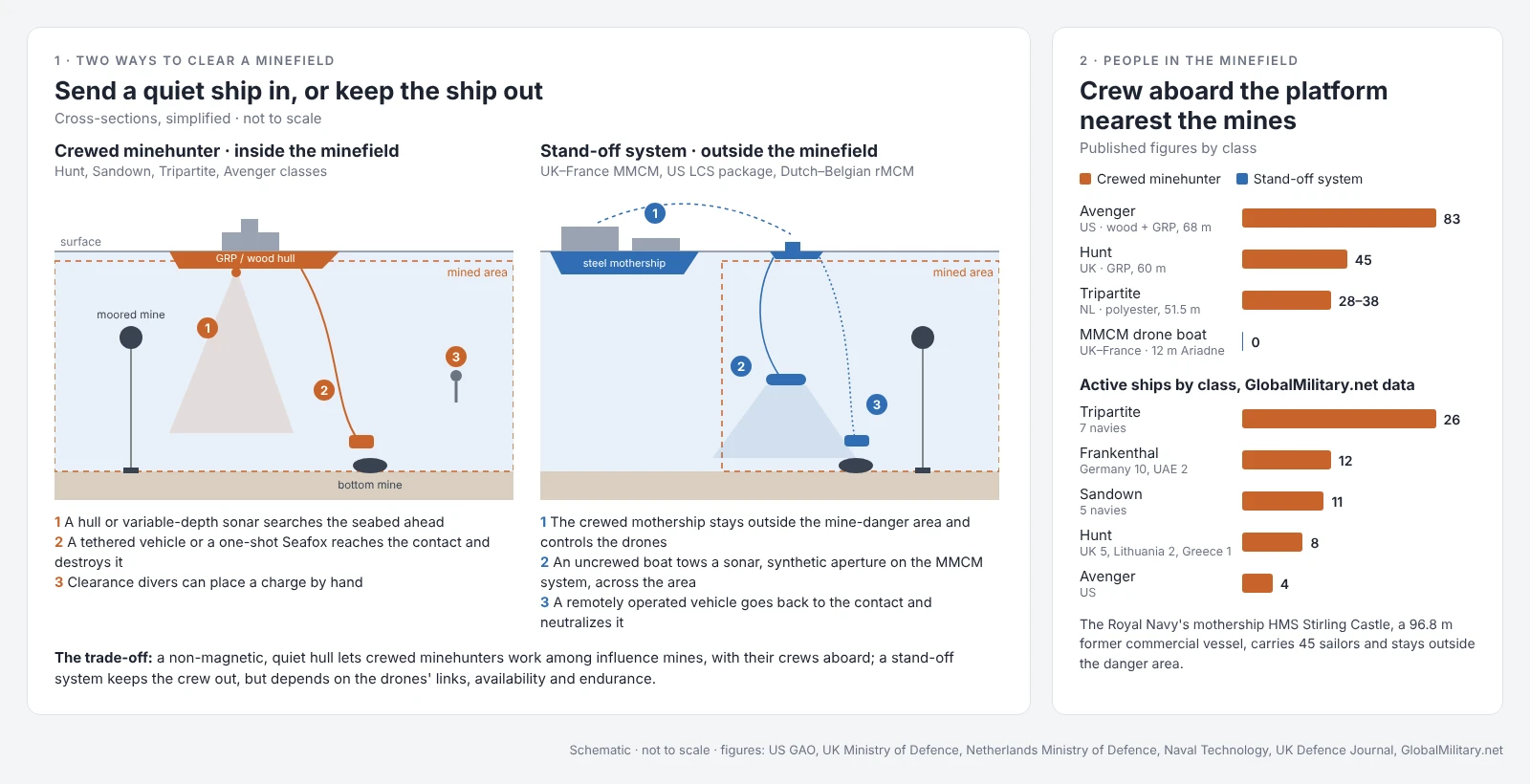
Outside the minefield
The MoD in 2020 described the "Primary System" of the Franco-British MMCM program as an autonomous boat controlled from a "mother ship/base," a sonar towed behind it, and a remotely operated underwater vehicle that neutralizes the mine once it is located. The first production boat, RNMB Ariadne, is 12 meters long and can be deployed from a harbor or a mother ship, the MoD said in March 2025. A December 2024 release described a boat on trial, Apollo, as carrying a towed synthetic aperture sonar, and in 2021 the ministry said users would be able to "detect and neutralise mines from miles away." The MoD said in 2023 that the Royal Navy already operated autonomous mine-hunting systems out of Faslane under Project Wilton.
The US Navy's mine countermeasures package for the littoral combat ship (LCS) hunts, neutralizes and sweeps mines using an uncrewed surface vehicle and an MH-60S helicopter and "removes Sailors from the minefield," according to a Naval Sea Systems Command release republished by Seapower in April 2024. The first package went aboard USS Canberra, an Independence-class ship, and a US Navy caption said it works "while increasing the ship's standoff distance from the threat area."
The LCS is built of aluminum and "must sit outside the mine zone," according to Military Times. The Dutch ministry says the Vlissingen, one of six new ships for the Dutch navy and six for Belgium, is made entirely of steel where the old ships had polyester hulls, and that the mother platform now stays outside the mine-danger area.
HMS Stirling Castle is 96.8 meters long and was bought for £40 million, the MoD said in 2023, after what Stirling Council describes as a decade as a commercial offshore vessel. Naval News reported that it was commissioned on July 21, 2025, and UK Defence Journal reports that it has 45 sailors and is based at Portsmouth. The First Sea Lord said in April 2026 that the navy had spent several weeks turning RFA Lyme Bay, an auxiliary landing ship, into a mothership for uncrewed mine-hunting systems.
Line of sight is required between the LCS and its surface vehicle, according to Naval News. DOT&E's fiscal 2025 annual report, as quoted by Military Times in March 2026, said the office was "unable to determine the operational effectiveness or suitability" of the Independence-class ships with the package, citing insufficient data on its mine-hunting and mine-destroying technology, and that the US Navy conducted no additional operational tests in fiscal 2025. The same article cited a 2022 DOT&E report that put the operational availability of the package's uncrewed influence sweep system at 29%, "well below the Navy-defined minimum threshold." In the UK, the Defence Science and Technology Laboratory said in August 2026 that its work had identified "a key design change required" to adopt the Norwegian ship design.
The fleets today
GlobalMilitary.net data on the Royal Navy's current fleet lists five active Hunt-class ships dating from 1981 to 1985, one active Sandown-class ship, HMS Bangor, and HMS Stirling Castle; HMS Chiddingfold was retired in July 2026. The same data lists 26 active Tripartite-class ships in seven navies, 10 active Frankenthal-class minehunters in Germany, and 380 active mine-warfare ships in 49 navies worldwide, a count that includes minelayers and minesweepers.
US Naval Forces Central Command said in September 2025 that it had decommissioned four Avenger-class ships and that four littoral combat ships were slated to deploy to Bahrain to replace them. GlobalMilitary.net data still lists four Avenger-class ships as active, built between 1991 and 1994.
The United Kingdom committed to the Norwegian program in December 2025 and added £90 million for the acquisition in its Defence Investment Plan, according to the MoD. Norway's Defence Materiel Agency said in October 2026 that it still aimed for a contract for the large vessels in 2027, in a program with up to six ships for the UK. The MoD said in March 2025 that the Royal Navy plans to phase out conventional crewed minehunters "over the next five years or so" as autonomous systems are delivered.
More News
All news →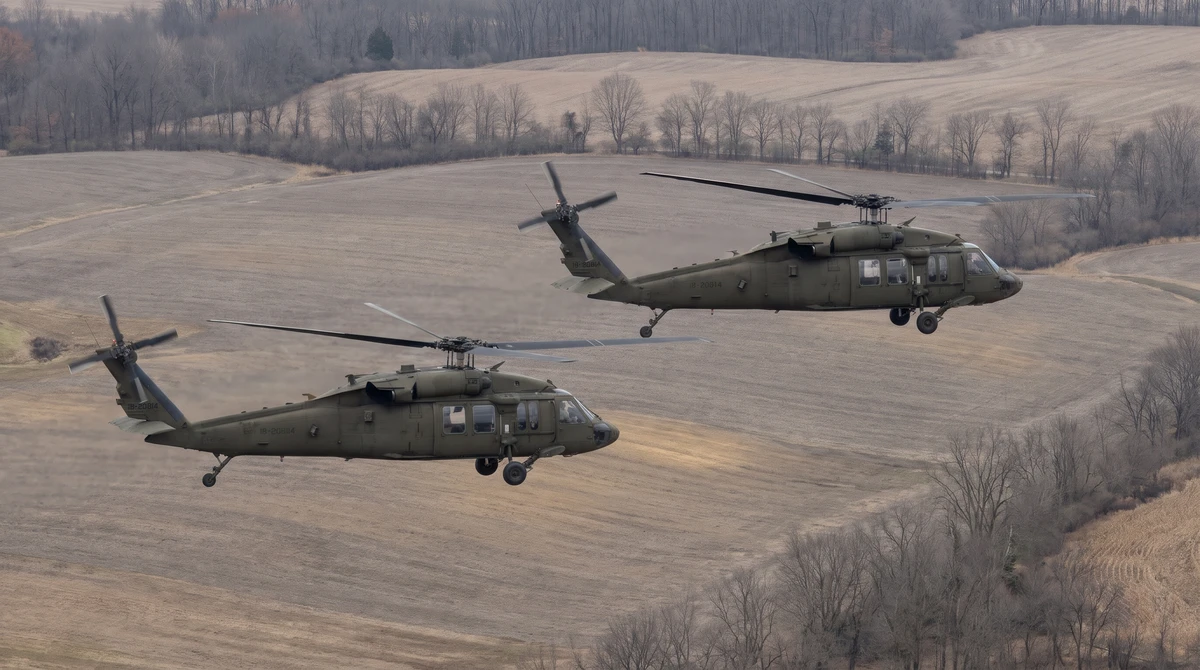
US Army Aviation, Larger Than All but Two Foreign Militaries' Air Fleets, Sees Class A Flight Mishaps Double
The Army's aviation branch fields 4,263 aircraft and about one in five of the world's military helicopters on GMN's count, and its own safety newsletter lists 10 Class A flight mishaps in fiscal 2026, up from five, as the under secretary says readiness is below goal.
UK Has Paid General Dynamics £1.76 Billion for Ajax Since 2023 as Minister Approves Training Restart
The UK Ministry of Defence told Parliament on November 16, 2026 that it has paid General Dynamics Land Systems UK £1,756 million for the Ajax program since 2023, a day before the minister responsible confirmed he had approved the restart of Army training on the vehicle.

Senate Energy Bill Funds a New B94 Nuclear Bomb at $77.1 Million, Cuts SLCM-N Warhead by 59%
The Senate Appropriations Committee's fiscal 2027 Energy and Water Development bill, released on November 12, 2026, opens a B94 line at $77.108 million and reduces the W80-5 warhead for the nuclear sea-launched cruise missile from $186.0 million to $76.9 million.

Senate FY2027 Defense Bill Adds F-35s and a Second Destroyer, Cuts F-15EX Buy From 24 to 18
The Senate Appropriations Committee's fiscal 2027 defense bill, released on November 16, 2026, funds more F-35s, C-130Js and a second DDG-51 than requested, and fewer F-15EX, P-8A, KC-130J and E-2D aircraft, its explanatory statement shows.
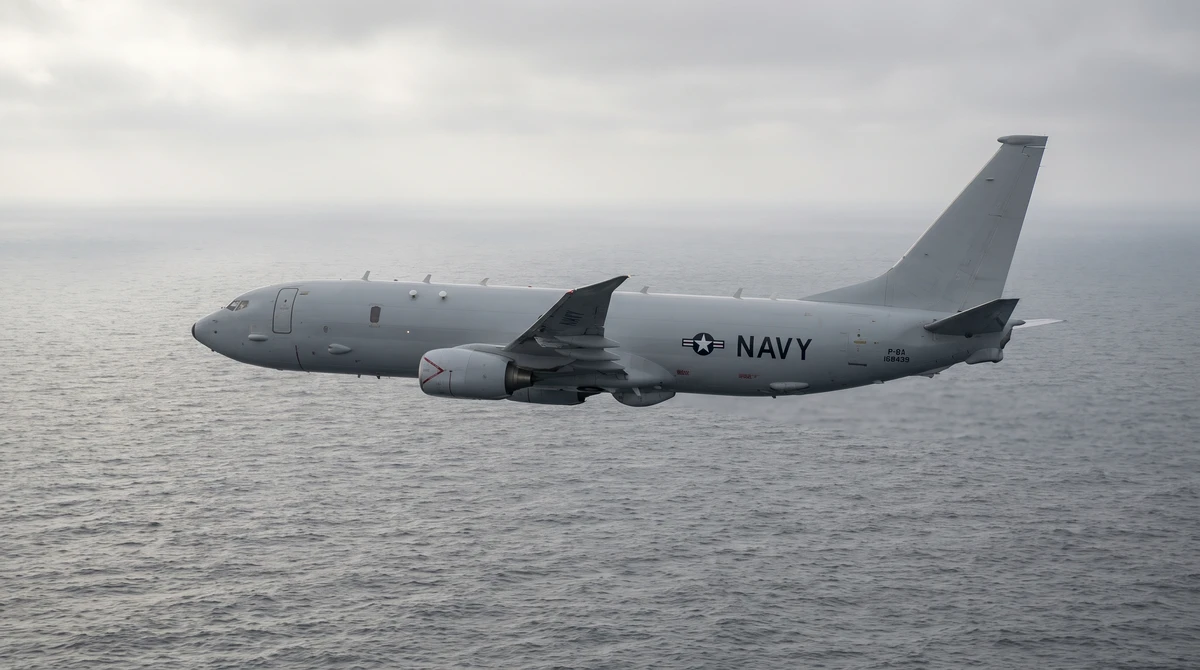
Senate Appropriators Fund 4 of 12 P-8A Poseidons as Worldwide Fleet Stands at 171 Aircraft
The Senate Appropriations Committee's fiscal 2027 defense bill, released November 16, 2026, funds four of the 12 P-8A Poseidons the US Navy requested, a cut to an aircraft GlobalMilitary.net's inventory data counts at 171 in service in eight countries.
Royal Navy Trident Submarine Returns to Faslane After 217-Day Patrol, a Reported Record
A Royal Navy ballistic missile submarine returned to HM Naval Base Clyde on November 15 after a deterrent patrol that Navy Lookout put at 217 days, a length the Ministry of Defence has not confirmed.