PLA Air Activity Around Taiwan Halved in 2026, but Its Warships Never Left
Chinese military aircraft entering Taiwan's air defense identification zone fell 52 percent in the first seven months of 2026 compared with the same period of 2025, according to Taiwan's daily defense ministry reports — while PLA Navy vessel sightings dropped just 7 percent.
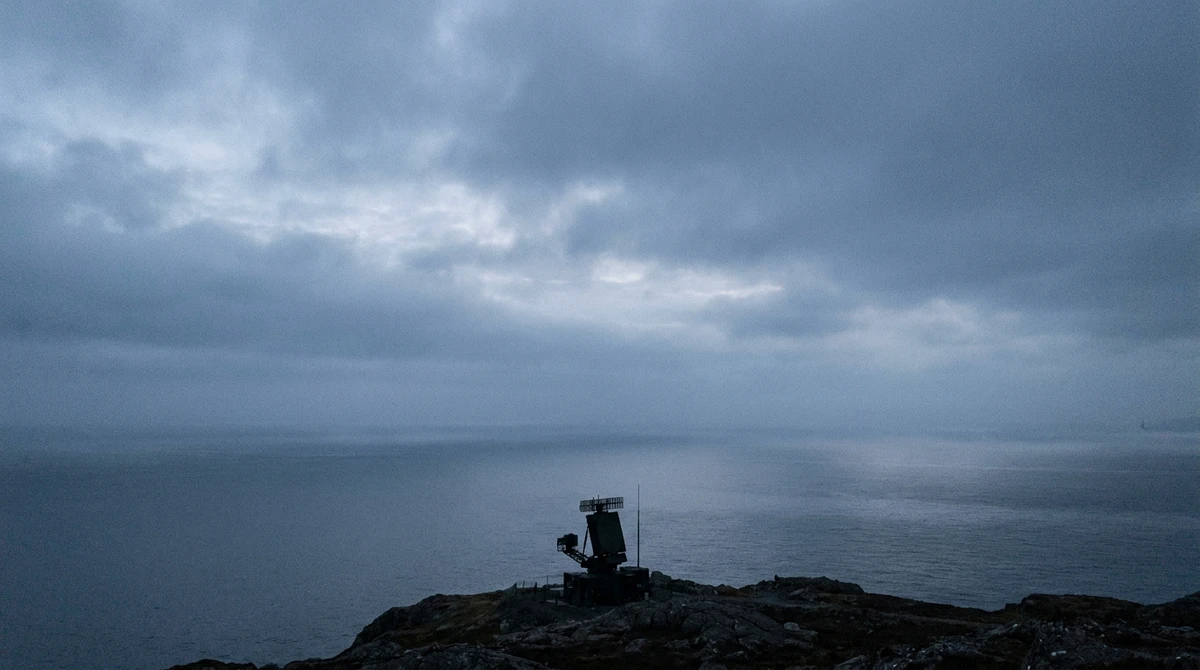
People's Liberation Army aircraft entering Taiwan's air defense identification zone have fallen by more than half in 2026. Between January 1 and August 9, Taiwan's ministry of national defense reported 1,200 PLA aircraft inside the zone, against 2,501 over the same window of 2025 — a 52 percent drop, and the lowest level of air pressure since 2022. The decline is now the central puzzle of cross-strait military analysis, and it does not mean what the headline number suggests.
The retreat is consistent across the air picture. Total PLA aircraft detected around the island, a broader figure that includes sorties outside the de facto ADIZ, fell from 3,482 to 1,679 over the same period. Monthly ADIZ totals in 2026 have run between 121 and 216 aircraft; in 2025 the range was 222 to 392, and the ministry logged 3,764 aircraft over the full year, an all-time high. Our tracking also records something without precedent since 2021: seven consecutive days, from February 27 to March 5, 2026, on which not a single PLA aircraft was reported inside the zone.
Naval activity tells the opposite story. PLA Navy vessels reported around Taiwan fell only from 1,647 to 1,529 sightings across the same seven months — a 7 percent decline, within the normal year-to-year variation of a figure that has climbed steadily since 2022. The Chinese navy has, in other words, sustained its presence in the waters around Taiwan while the air force pulled back. The American Enterprise Institute's cross-strait tracker reports that China Coast Guard activity has likewise held steady around Kinmen and expanded off Taiwan's east coast, with Taipei tracking record numbers of Chinese vessels along the First Island Chain.
No consensus explanation has emerged. Writing in The Diplomat in January, analysts argued the PLA has shifted toward fewer but more sophisticated joint sorties — fewer aircraft, higher threat — rather than the high-volume attrition flying that defined 2024 and 2025. The Taiwan Security Monitor at George Mason University's Schar School has catalogued the competing readings, which include the deepest purge of PLA leadership in decades, political timing around Beijing's calendar and expected US-China diplomacy, and fuel costs, an explanation most analysts discount given China's strategic reserves. Taiwan's own deputy defense minister said publicly that only China would know. Defense News reported in March that the reduction remained unexplained by any announced change in posture.
What the numbers do not support is a reading of de-escalation. The single-day record still stands at 111 aircraft inside the ADIZ on October 14, 2024, during the Joint Sword-2024B exercise, and the PLA demonstrated in December 2025 that it can surge at will: the two-day Justice Mission-2025 blockade drills brought roughly 130 aircraft sorties and the first rocket artillery fire into the Taiwan Strait since 2022. The capability that produced those peaks is intact; only its routine use has slackened. China's forces remain rated at 85.0 on our composite index against Taiwan's 56.4 — the gap that makes the China versus Taiwan military comparison a study in asymmetry, and one reason the strongest militaries in the global military power ranking are watching the strait rather than the sortie count.
One structural caveat applies to every figure above. Taiwan's ministry publishes what it chooses to disclose, and in January 2024 it stopped releasing individual flight tracks in favor of broader activity regions, a change analysts criticized at the time as a loss of transparency. That change predates both years compared here, so it cannot manufacture the 2026 drop — but it is a reminder that these are official disclosures, not a complete radar picture.
Whether 2026 marks a durable change in Beijing's coercion strategy or a pause in an escalating campaign will be visible in the daily figures. Our China-Taiwan tracker now records those reports as they are published, alongside the full ADIZ violation statistics by year and month going back to September 2020.
More News
All news →
Taiwan Live-Fires Its Cheetah 105 mm Wheeled Gun Ahead of 2027 Production of 178 Vehicles
Taiwan's army fired six 105 mm rounds from the production-standard Cheetah 8x8 gun vehicle at its southern training center in Tainan on September 23, in a media demonstration held before a 178-vehicle production run scheduled to start in 2027.
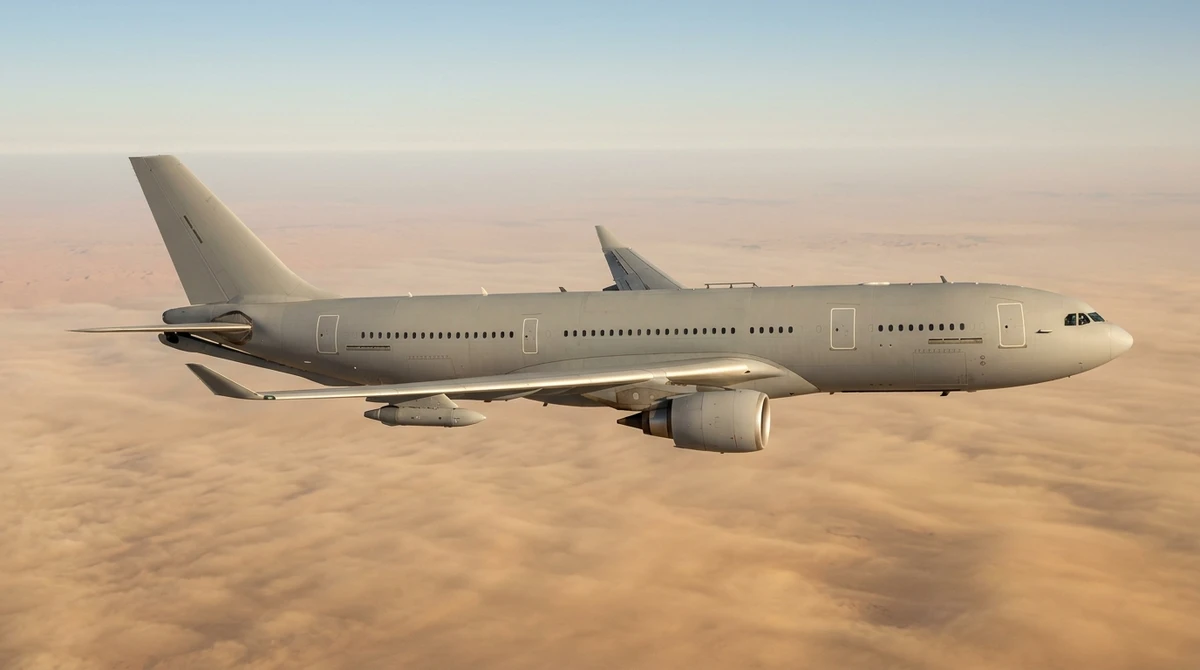
Boom or Drogue: Why the RAF Tanker Sent to Saudi Arabia Cannot Refuel Its F-15s
Britain announced on September 22, 2026 that it will send a Voyager tanker to Saudi Arabia, but its hose-and-drogue pods can serve only the Typhoons and Tornados, not the 232 F-15s that make up 60 percent of the Saudi combat fleet.
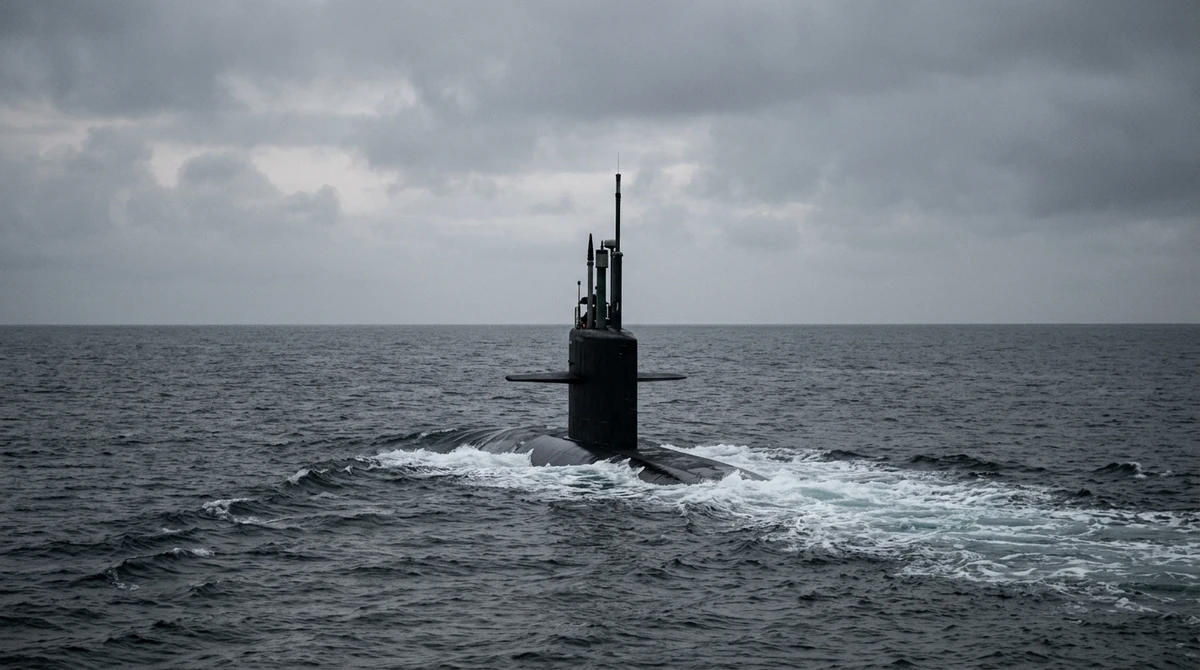
Nuclear vs Air-Independent Propulsion: How a Submarine Runs Without Air, and What Japan Is Weighing
After Japan's defense minister declined on September 11, 2026 to rule out nuclear-powered submarines, a technical explainer on how a reactor, a Stirling engine, a fuel cell and a lithium-ion battery each keep a boat under water, and what each one buys.
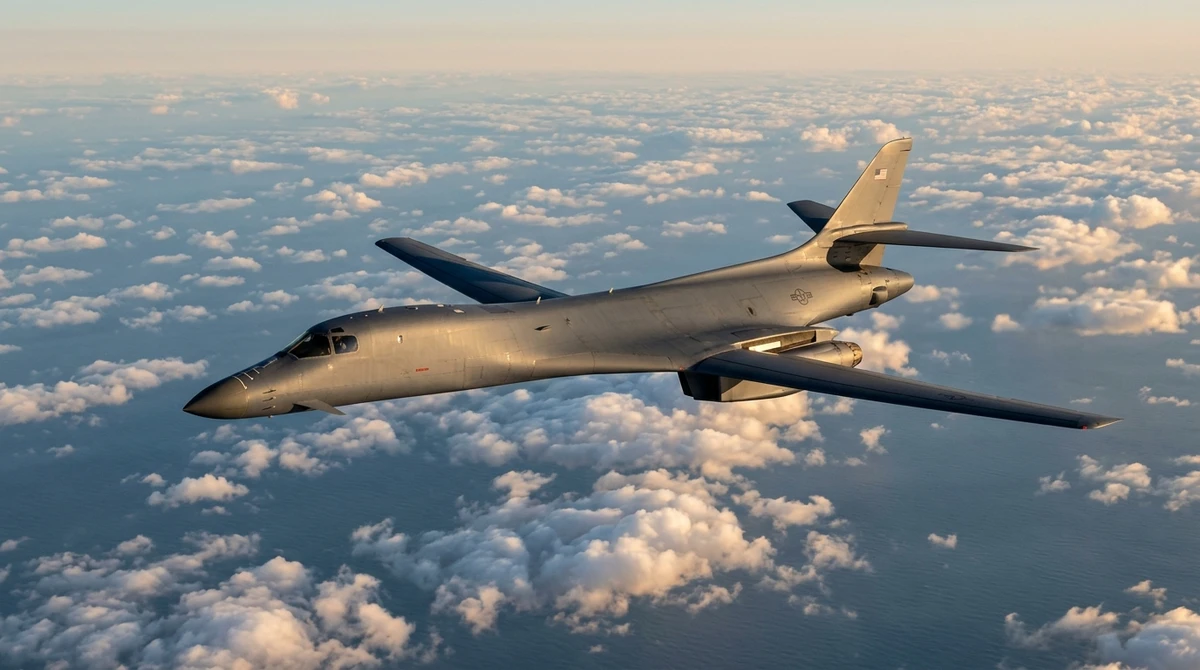
US Air Force to Extend B-1 and B-2 Service Lives With Only Three B-21s in the Fleet
Air Force Global Strike Command said on 17 September 2026 that the B-1 Lancer and B-2 Spirit will fly beyond their planned retirements, keeping a US bomber force built on 1955, 1986 and 1993 designs in service while the B-21 Raider arrives at three aircraft.
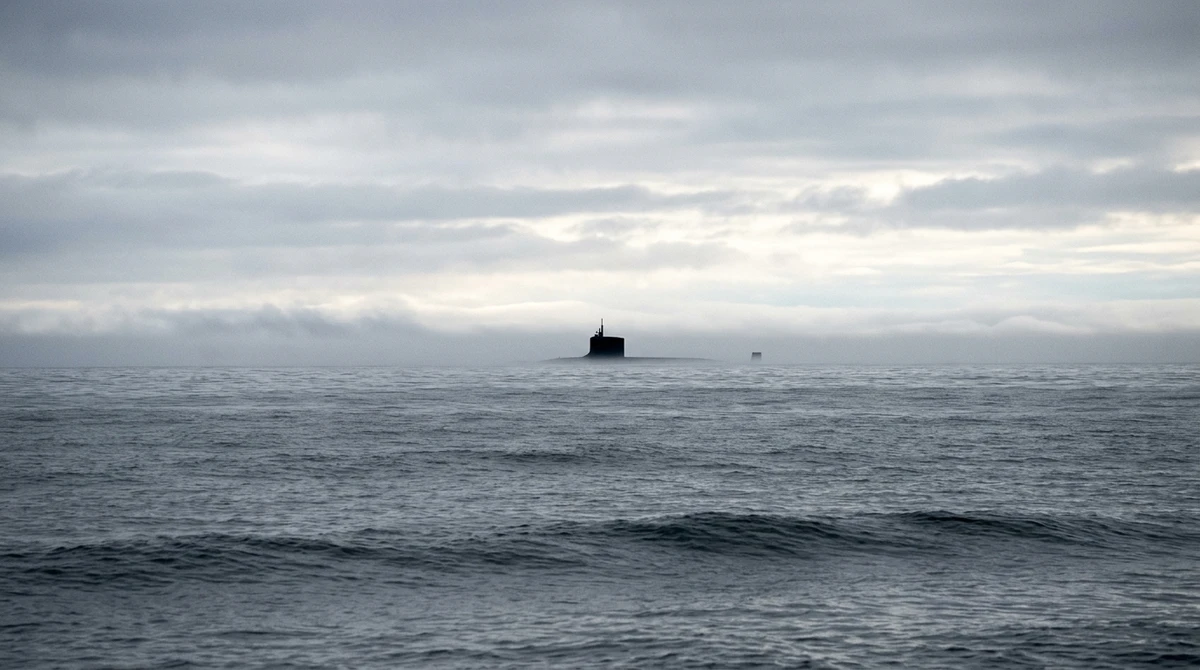
Japan Will Not Rule Out Nuclear-Powered Submarines as Six Navies Field 140 Between Them
Japan's defense minister said on 11 September 2026 that nuclear-powered submarines "will not be ruled out" in the year-end revision of the country's security documents, an option that would put the JMSDF alongside the six navies operating 140 nuclear boats today.

Only Four Air Forces Fly High-Altitude Surveillance Drones, and Japan Has Just Lost One of Its Three
A Japan Air Self-Defense Force RQ-4B Global Hawk went down over international waters north of Tottori prefecture on 15 September 2026, the first loss of a Japanese Global Hawk and one of only 39 high-altitude surveillance drones GlobalMilitary.net records in service worldwide.