US Air Force Wants 1,509 Combat-Coded Fighters by 2035 as F-35 Share Rises to About 40%
The US Air Force told Congress on October 16, 2026 that it needs 1,509 combat-coded fighters by 2035; GlobalMilitary.net sets the report's approximate type shares against its own count of 1,816 USAF F-16s, F-35As, F-15s and F-22s.
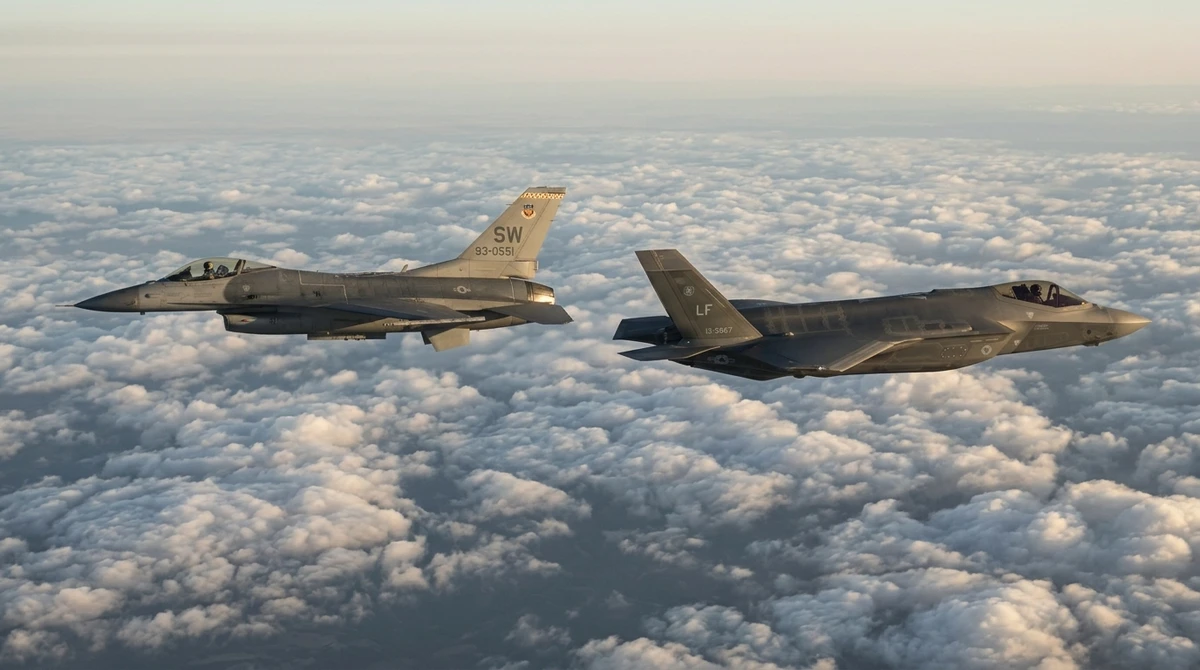
The US Air Force told Congress it needs 1,509 combat-coded fighters by 2035, up from an estimated 1,271 in 2026, in a fighter force structure report delivered on October 16, 2026. The service's deputy chief of staff for plans and programs described the report at a Pentagon media roundtable on October 20, Air & Space Forces Magazine reported; the document itself was not released to reporters. The new target sits above the 1,369 fighters the Air Force set for 2030 in last year's report.
GlobalMilitary.net's data puts the USAF's current fighter inventory at 1,816 aircraft across the F-16, F-35A, F-15 and F-22 fleets, or 1,977 with the A-10. Those are total active inventories, counting training, test and backup aircraft in every unit, whereas the Air Force's 1,509 is a combat-coded count of aircraft in combat units; the two measures are not directly comparable. What GMN's data can show is the shape of today's fleet and what the Air Force's approximate 2035 shares imply type by type.
What the Air Force told Congress
Today's fleet, A-10 excluded, is about 45% F-16, 30% F-35, 15% F-15 and 10% F-22, according to the Air Force. By 2035 it wants the F-35 at about 40% of the force, the F-22 and its successor at about 20% combined, and the F-15 and F-16 together at about 40%, likely split roughly evenly. The Air Force built 186 operational F-22s and still plans to replace them with roughly the same number of F-47s.
Collaborative Combat Aircraft such as the FQ-44 Fury are not counted in the 1,509. The service's goal is 500 CCA airframes by 2032, and the officer said there is "absolutely a world in which the incorporation of CCAs into the force will mitigate the requirement for the number of fighters."
The report follows a notification that the service had fallen below a statutory floor. Under 10 U.S.C. §9062 the Air Force must keep a total fighter inventory of at least 1,800 aircraft and at least 1,145 combat-coded fighters through October 1, 2026, according to the Congressional Research Service, whose September 4, 2026 report records that on May 5, 2026 the Secretary of the Air Force notified Congress the service had 1,098 fighters against the 1,145 primary-mission requirement. The same report notes a change of method: combat-coded counts now include primary-mission, backup and attrition-reserve aircraft in combat units, whereas the earlier method omitted about 15% of the aircraft assigned to those units. The 2025 report had called for 1,558 combat-coded fighters by 2035 for "low risk".
The fleet in GMN's data
GMN's inventory data for the United States lists five fighter and attack types in Air Force service:
- F-16C/D: 824 Fighting Falcons, the largest fleet;
- F-35A: about 500 at the start of 2026 (499 in GMN's data), with 1,235 still on order;
- F-15: 310 aircraft, counting 288 F-15C/D/E and 22 F-15EX; GMN's data does not split the C and D models from the F-15E Strike Eagle;
- F-22: 183 in GMN's data, while the Congressional Research Service puts the fleet at 185 as of August 2026;
- A-10C: 161 Thunderbolt IIs.
Without the A-10, the four fighter fleets total 1,816 aircraft, and GMN's arithmetic gives shares of 45.4% F-16, 27.5% F-35A, 17.1% F-15 and 10.1% F-22, close to the Air Force's own description of today's mix. Applying the approximate 2035 shares to 1,509 yields about 600 F-35s, about 300 F-22s and F-47s, about 300 F-15s and about 300 F-16s; these are GMN's arithmetic on rounded percentages, not Air Force figures. On that reading the F-16's share of the combat-coded force would fall from roughly 45% to roughly 20% in nine years, while the F-35 would move from about 30% to about 40%.
The combined fleet has been shrinking. GMN's totals for these fleets stood at 2,081 at the start of 2024, 2,006 at the start of 2025 and 1,979 at the start of 2026; after this year's events the figure is 1,977. The Congressional Research Service places the decline in a longer frame: 4,729 active fighters in 1968, about 3,939 in 1991, about 2,431 in 2003 and about 2,091 in 2013.
GMN's event log records eight USAF fighter airframes lost in 2026. The Iran war accounts for the F-15E losses: three were shot down over Kuwait on March 2 in a friendly-fire incident, and a fourth was shot down by Iranian air defenses on April 3, according to the log. The log also lists an F-35A crash in Nevada on March 31, an A-10C lost near the Strait of Hormuz on April 3, and F-16C crashes in Michigan on September 17 and near Spangdahlem, Germany, on September 22.
Orders run the other way. The Air Force has 22 F-15EX Eagle IIs in service and 104 more on order; the Lot 7 contract for 22 aircraft, awarded to Boeing on September 29, 2026 for $2.38 billion, took USAF orders for the type to 120. GMN's data also shows 1,235 F-35As still on order for the Air Force, the fleet behind the planned 40% share (see GMN's F-35 order book analysis).
Budget, floors and the F-16 decision
The Air Force has long said it needs 72 new fighters a year. The FY2027 request proposes 38 F-35s and 24 F-15EXs, 62 in total, and the budget counted on $2.34 billion from reconciliation to fund 14 of the 38 F-35s. The Congressional Research Service reports F-15EX buys of 24 in FY2027 and FY2028, rising to 36 by FY2030, and F-15E retirements of none in FY2026, up to 21 in FY2027 and up to 30 in FY2028. "The question is, can industry produce at those levels?" the officer said. "They've assured us that they can, and we believe them."
Congress is writing its own floors. The House version of the FY2027 National Defense Authorization Act would require at least 1,369 combat-coded fighters by December 31, 2030 and 1,558 by December 31, 2035, and the Senate Armed Services Committee bill sets 1,369 by 2030, with both excluding CCAs, according to the Congressional Research Service. The report also notes that the law bars retiring F-22s below 184 aircraft through September 30, 2027, and that in a May 5, 2026 memorandum the Secretary of the Air Force said the service planned to keep 36 A-10s through 2030.
The open question is the F-16. Older aircraft reach the end of their lives in the mid-2030s, and a new-build version, tentatively designated F-16G, is under consideration without a decision; "we're not in a position where that decision has to be made immediately," the officer said. Which airframes would fill the F-16's share of the 2035 force is the decision still open.
More News
All news →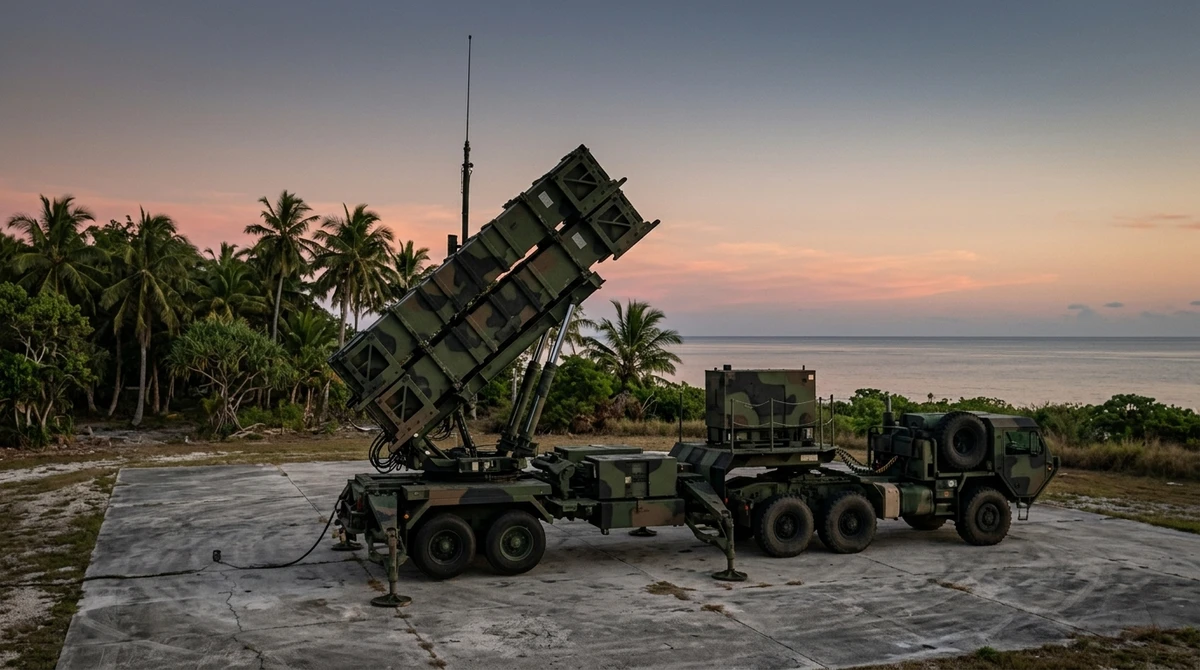
US Army Activates Air Defense Battalion on Guam as Its Part of the Guam Defense System
The 3rd Battalion, 43rd Air Defense Artillery Regiment was activated at Andersen Air Force Base on October 16, 2026, building on more than a decade of Task Force Talon operations on Guam and, per an Army spokesperson quoted by The War Zone, set to field Patriot and Enduring Shield.
New Zealand's MH-60R Order Makes 15 Seahawk Operators; the SH-2 Seasprite Is Down to Three
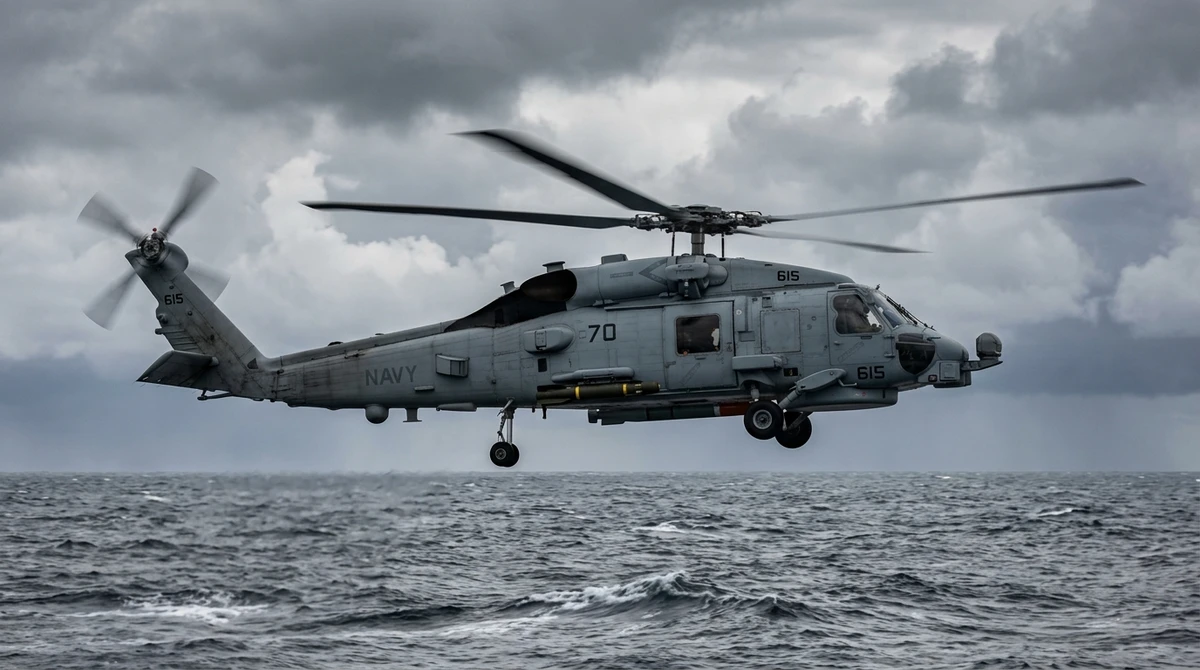
New Zealand signed on 16 October to buy five MH-60R Seahawks, delivered from 2030, to replace its five SH-2G Super Seasprites, bringing the naval Seahawk family to 15 operators in GlobalMilitary.net's data while the Seasprite is left with 17 helicopters and three operators.

USS Theodore Roosevelt Turns 40 as It Prepares for Keen Sword Off Japan
The Nimitz-class carrier, docked at Yokosuka since 16 October with the cruiser USS Chosin and the destroyer USS Decatur, marks 40 years since its commissioning on 25 October 1986 ahead of the US-Japan exercise Keen Sword.
US Navy accepts first C-130J-30 airframe for E-130J Phoenix II TACAMO aircraft
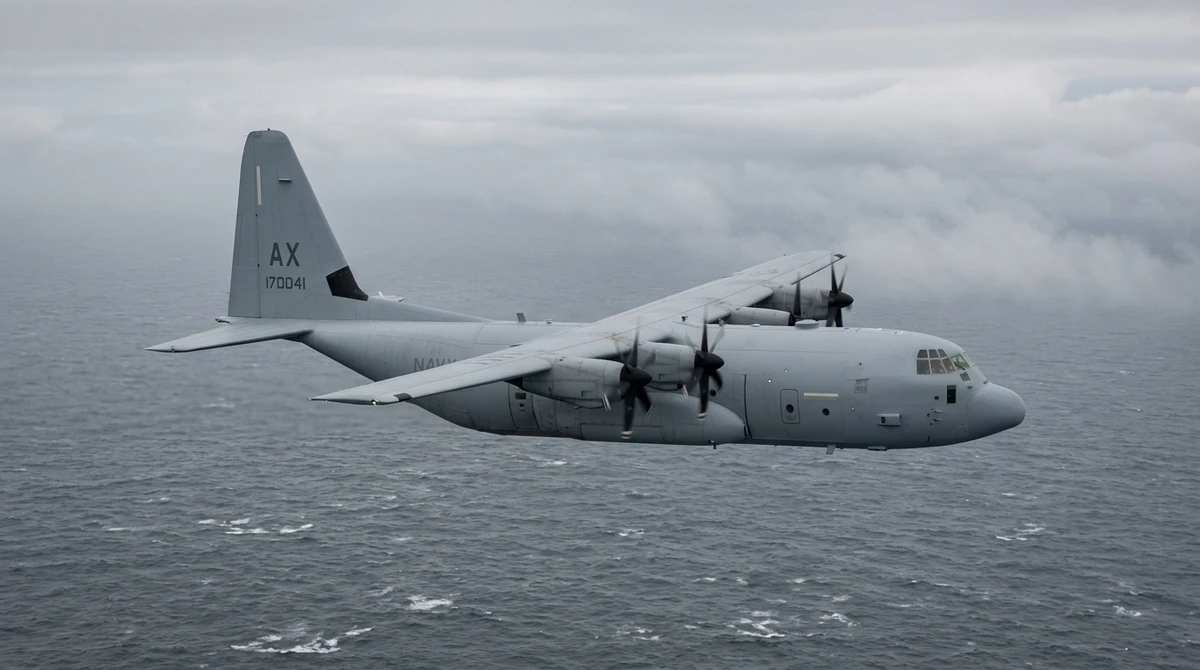
The US Navy took delivery of a newly built Lockheed Martin C-130J-30 Super Hercules at Marietta, Georgia, on Oct. 15, the first of three airframes to be converted into E-130J Phoenix II aircraft that will replace the E-6B Mercury in the nuclear communications relay mission.
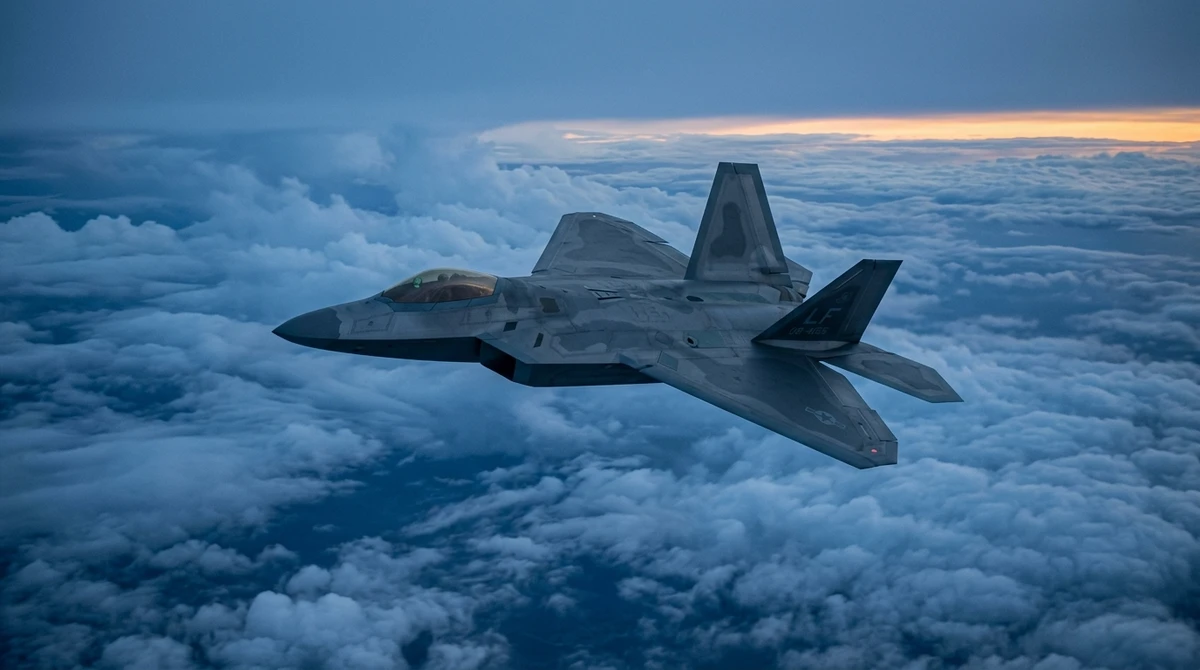
F-22 Pilot Takes In-Flight Command of an Anduril YFQ-44A Fury Drone
The U.S. Air Force said on October 16, 2026 that an F-22 Raptor pilot had taken airborne tactical command of an Anduril YFQ-44A Collaborative Combat Aircraft earlier this month; previous F-22 control tests had used a surrogate drone.
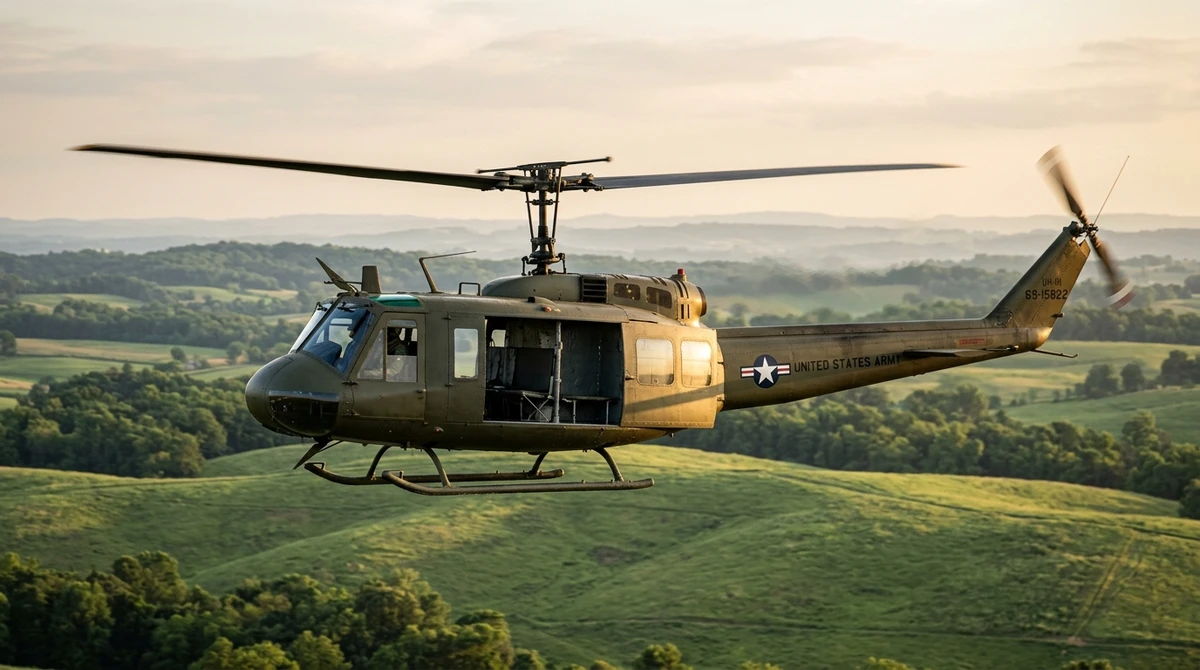
Bell UH-1 Huey Still Flies With 39 Countries 70 Years After Its First Flight
The XH-40 prototype of Bell's Huey first flew on 20 October 1956 at Fort Worth; 70 years on, GlobalMilitary.net inventory data counts 844 single-engine UH-1s active in 39 countries, 438 twin-engine UH-1N and Bell 212 derivatives in 29, and 167 UH-1Y Venoms in two.