South Korea Flight-Tests Its First Hypersonic Glide Vehicle, Presidential Office Says
Seoul says a hypersonic glide vehicle separated from its booster, maneuvered and hit a test target in a first flight test on October 8, watched in person by President Lee Jae Myung, five days after North Korea's own hypersonic launch.
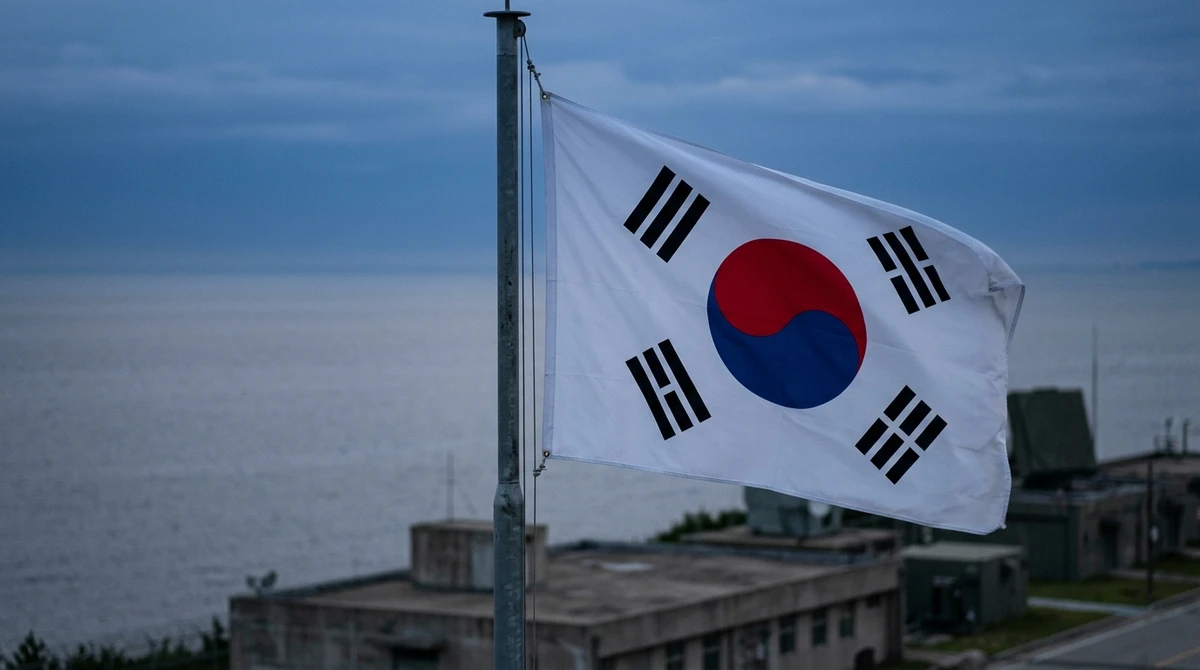
South Korea conducted the first test launch of a hypersonic glide vehicle (HGV) on Thursday, October 8, the presidential office said, with President Lee Jae Myung observing the test in person alongside the defense minister. The office did not say where the launch took place.
In a written briefing, the presidential spokesperson said the vehicle separated from its booster at the planned altitude, then maneuvered vertically and horizontally before hitting a test target. "The HGV successfully separated from its booster and seamlessly executed its planned flight path under hypersonic conditions," the briefing said. According to the statement, the test verified core hypersonic technologies: flight trajectories and speed, super-high-temperature thermal protection materials, guidance and control, and irregular maneuverability at low altitude.
The weapon is designed to fly at least five times the speed of sound and to evade missile defenses, the Associated Press reported. The presidential office called it a "game-changing strategic asset capable of launching surprise precision strikes" and said that, once developed, it would be able to strike key targets "by surprise" in the "Korean Peninsula theater of operations." The test reportedly took place from a barge inside an Agency for Defense Development test center in Taean, about 130 km south of Seoul, the Korea Times reported. The government released neither the speed nor the range achieved, nor a program name or a deployment date.
Lee said South Korea "must secure our security through our own strength," according to AP. "The government will fully support the development and operational deployment of advanced weaponry so that our people can live without concern," he said, as quoted by the Korea Times. After the test, Lee inspected the Hyunmoo-5 surface-to-surface missile, described as a "bunker buster." The Korea Times noted it was the first time the government had officially used the name "Hyunmoo-5" in a press statement; until now the weapon had been referred to only as a "high-power missile."
The test comes amid heightened tension with North Korea. On September 21, a land mine explosion on the South's side of the Military Demarcation Line injured South Korean soldiers; Seoul determined the mines had been planted by North Korean troops, while Pyongyang denies responsibility, the Korea Times reported. Five days before the South's launch, on October 3, North Korea said its hypersonic intermediate-range missile had flown more than 1,000 km, a figure South Korea estimated at over 700 km and Japan's Defense Ministry at about 680 km, according to AP. North Korea had not immediately responded to Thursday's test, AP reported.
GlobalMilitary.net's missile database lists hypersonic glide systems in service with three countries. Russia's Avangard has been in service since 2019. China's DF-17 entered service the same year, and the US Army's Dark Eagle followed in 2025. China's DF-27 and North Korea's Hwasong-8 are listed as in development. South Korea's inventory in GMN data includes the Hyunmoo-2, Hyunmoo-4 and Hyunmoo-5 ballistic missiles, along with the Hyunmoo-3 cruise missile. South Korea ranks 5th in GlobalMilitary.net's global military power ranking, with an ATLAS index of 60.13; North Korea ranks 17th at 44.98.
More News
All news →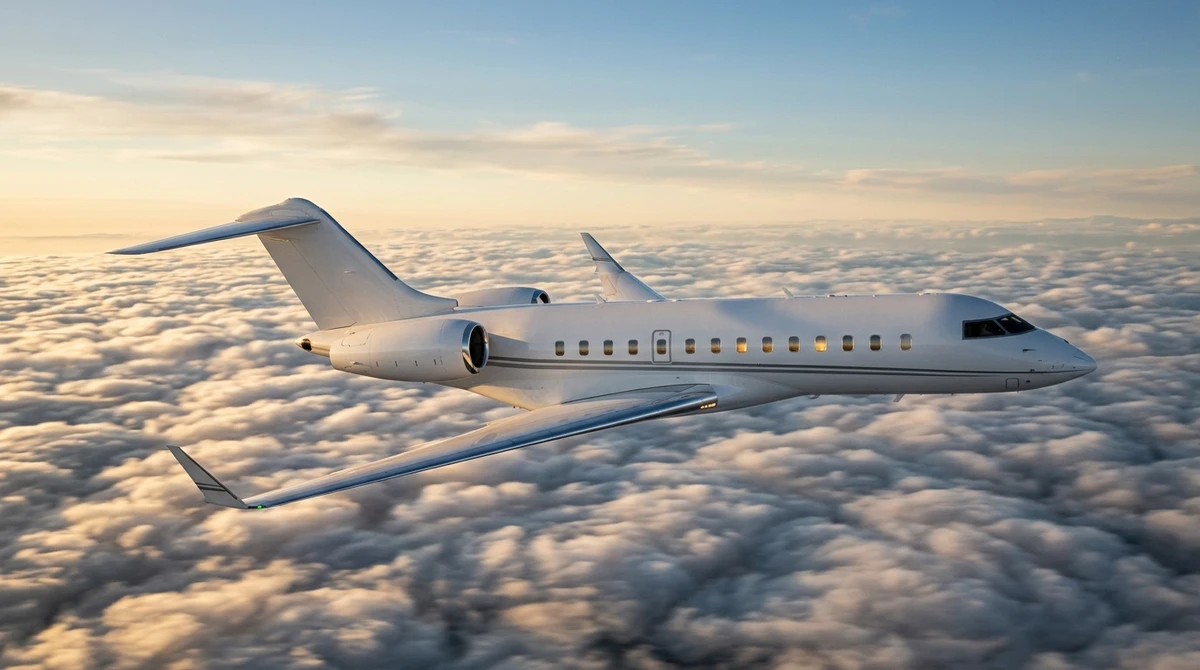
Bombardier Global Express Turns 30 With More Military Jets on Order Than in Service
Thirty years after its first flight from Toronto on October 13, 1996, the Bombardier Global Express has become a platform for military special-mission aircraft, and GlobalMilitary.net's inventory data now counts more Global-based military aircraft on order than in service.

First HACM Hypersonic Cruise Missile Flight Test Unit Released Over Australia
The U.S. Air Force says a Hypersonic Attack Cruise Missile flight test unit was released by the Royal Australian Air Force over an Australian test range, without disclosing the date, the launch aircraft or whether the scramjet-powered weapon achieved powered flight.
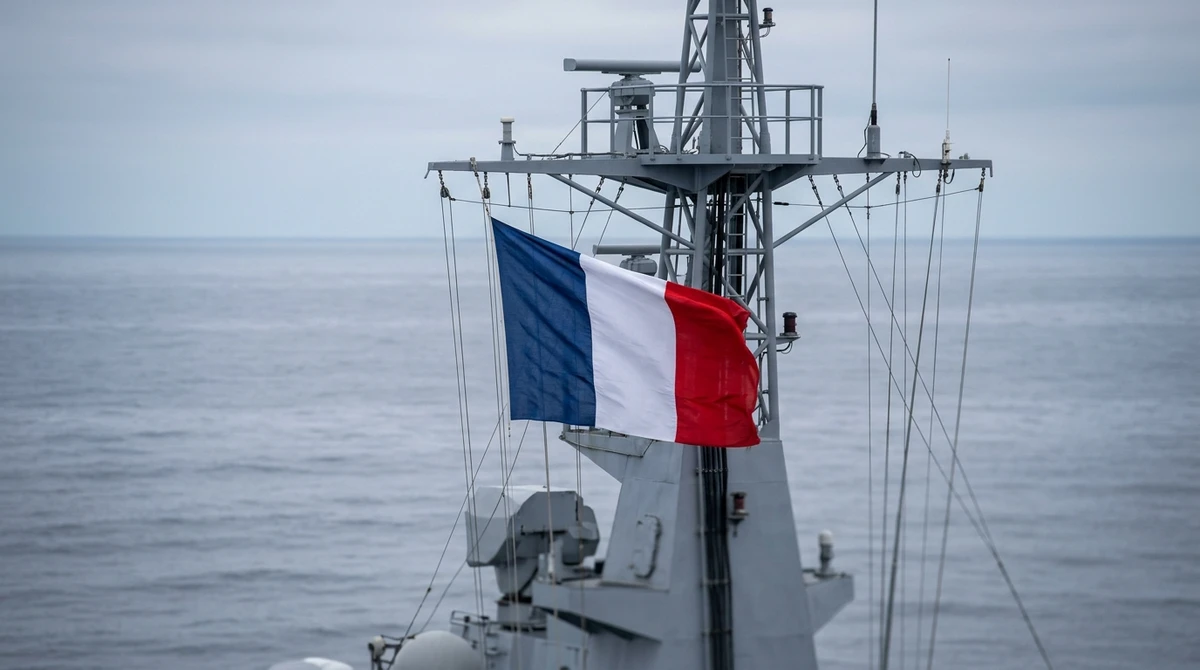
France Fires M51.3 Nuclear-Capable Missile From a Submarine for the First Time
The French Navy ballistic-missile submarine Le Vigilant launched an M51.3 without a nuclear warhead off Finistère, western France, on October 6, 2026, the first submarine firing of the missile's latest version, Defense News reported.
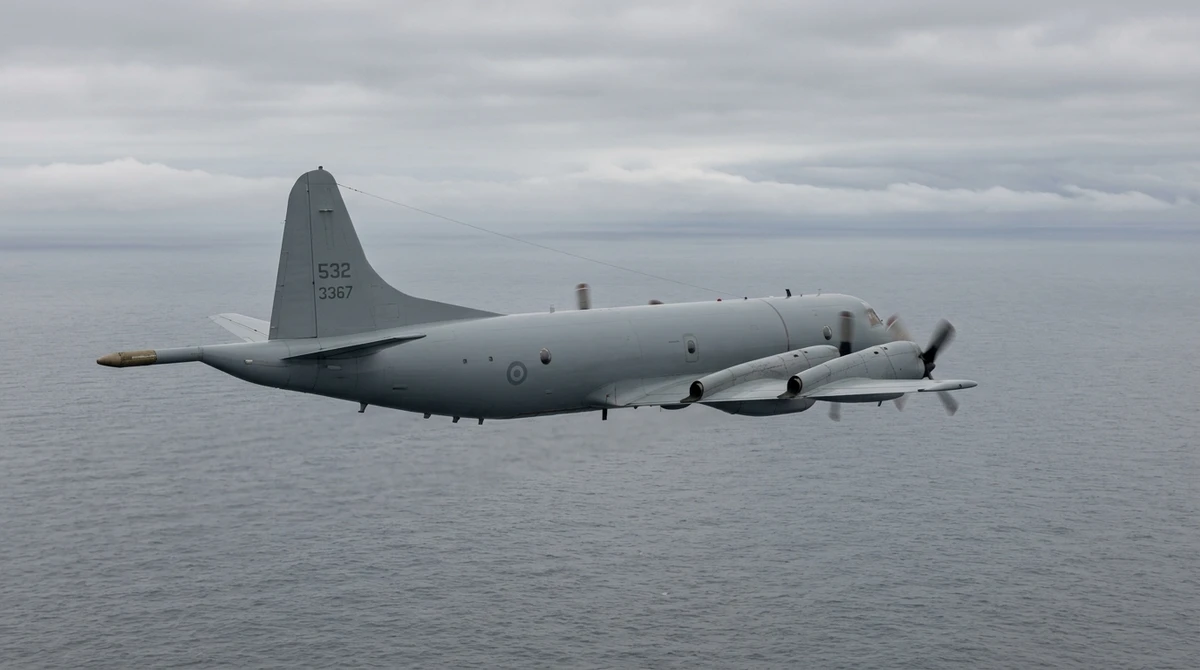
P-3 Orion Fleet Down to 101 Aircraft in 12 Countries, Roughly Half Its 2022 Size
GlobalMilitary.net's inventory data counts 101 P-3 Orions in military service across 12 countries, down from 211 in 16 countries in its 2022 snapshot, as US agencies retire special-mission Orions and Japan draws down the largest remaining fleet.
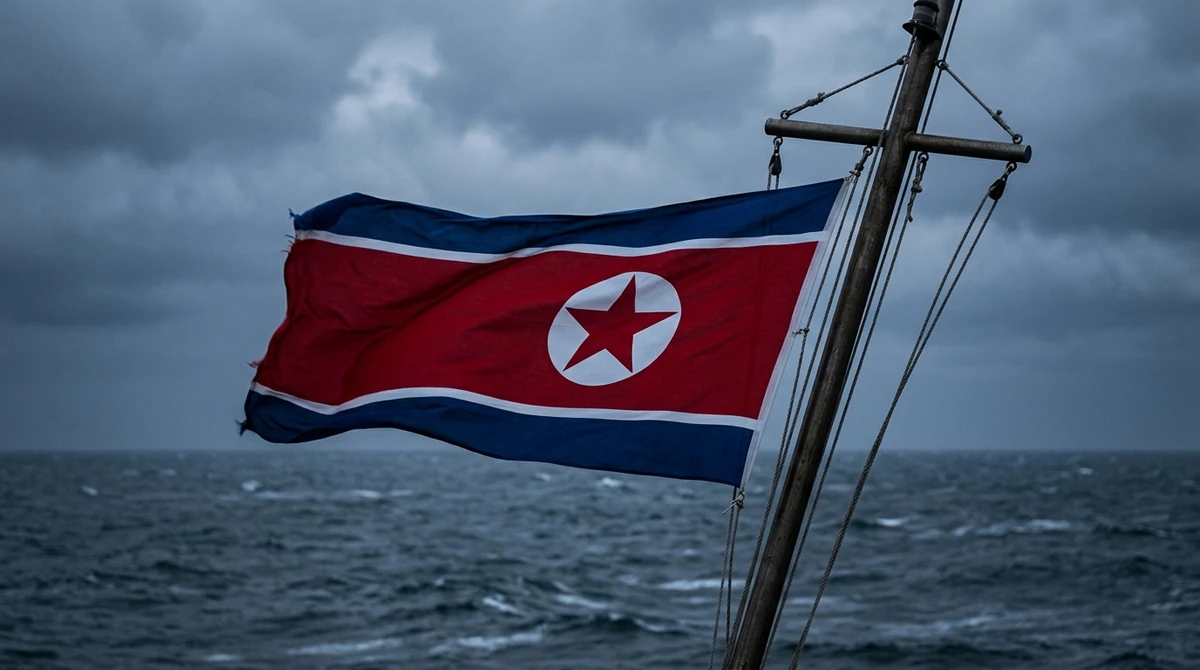
North Korea Says Hypersonic Missile Drill Hit Target 1,000 km Away; Seoul Tracked More Than 700 km
North Korea says a Saturday launch from the Wonsan area was a drill of its hypersonic strategic weapon system that struck a target 1,000 km away; South Korea's Joint Chiefs of Staff tracked a single ballistic missile flying more than 700 km into the East Sea.

Ukraine Says Its FP-7 Ballistic Missile Has Been Used in Combat for the First Time
President Volodymyr Zelensky said on October 1, 2026 that Ukraine's domestically developed FP-7 tactical ballistic missile, built by Fire Point, had been used in combat for the first time, without disclosing the target or location; the claim has not been independently verified.