North Korea Says Hypersonic Missile Drill Hit Target 1,000 km Away; Seoul Tracked More Than 700 km
North Korea says a Saturday launch from the Wonsan area was a drill of its hypersonic strategic weapon system that struck a target 1,000 km away; South Korea's Joint Chiefs of Staff tracked a single ballistic missile flying more than 700 km into the East Sea.
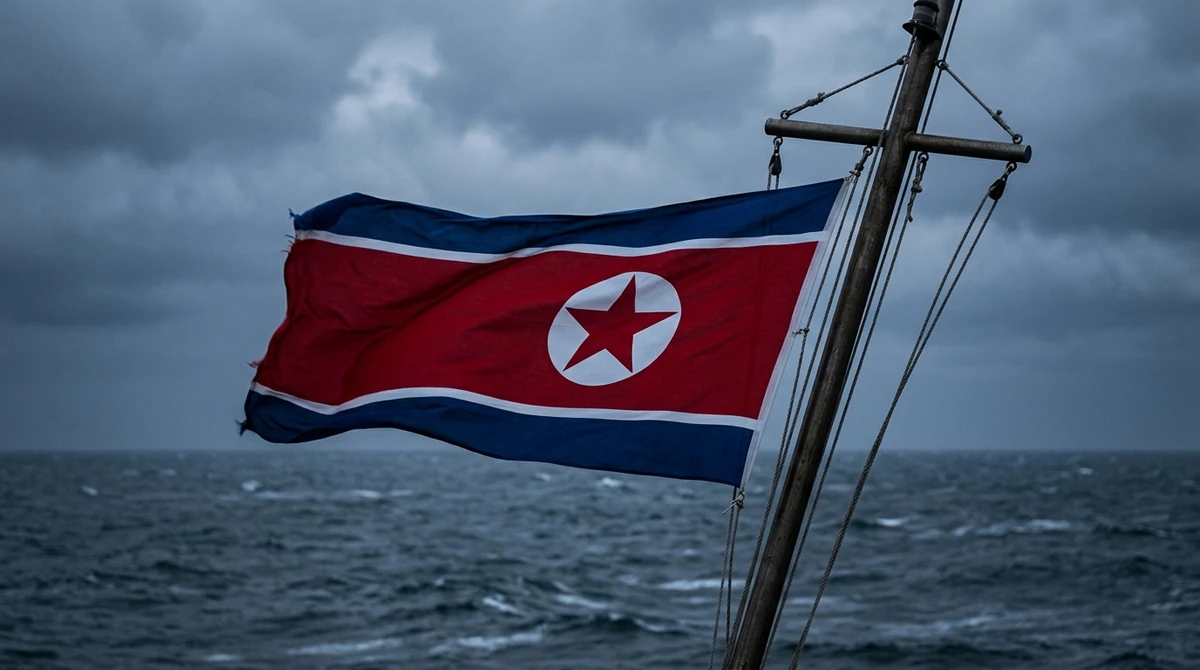
North Korea fired a single ballistic missile from the Wonsan area toward the East Sea, also known as the Sea of Japan, at around 6:30 a.m. local time on Saturday, October 3, 2026, South Korea's Joint Chiefs of Staff said, according to ABC News and AFP. Pyongyang's state news agency KCNA described the launch on Sunday as a drill of the country's "hypersonic strategic weapon system" and said the missile hit a target 1,000 kilometers away, a claim that has not been independently verified.
The JCS said the missile flew more than 700 kilometers (435 miles), and that South Korean and U.S. authorities are conducting a detailed analysis to determine its exact specifications, ABC News reported. The Japan Times reported on Sunday that the range claimed by North Korea is around 300 kilometers greater than the estimates produced by Japan and South Korea.
KCNA said the drill was meant to train the soldiers who operate the system and to evaluate "the reliability, efficiency and mobility" of the country's war deterrent, and said Kim Jong Un oversaw the launch, according to AFP, the Korea Times and the Japan Times.
In a statement on Saturday, Kim Jong Un's sister, a senior Workers' Party official, said "an intermediate-range strategic missile was used for the drill," Reuters and the Korea Times reported. She claimed that "whenever we applied the wave-like trajectory mode to missiles, the enemy failed to track the targets from their first skip points," and, according to the Korea Times, said that artificial intelligence had been applied to the weapon, that it was capable of changing its flight orbit at low altitude, and that it had at least four flight orbit modes. None of these claims has been independently verified.
Experts cited by the Korea Times suggested the weapon may be the Hwasong-16B, also designated Hwasong-16 Na, a hypersonic missile; the identification is not confirmed. The launch came days after Seoul's military demanded an apology from Pyongyang over a border incident, AFP reported, and followed North Korea's firing of two short-range ballistic missiles toward the East Sea on September 21. Reuters reported that North Korea has conducted more than 10 missile tests this year.
North Korea's missile families span a wide range of reach. According to GMN's missile database, the Hwasong-8, the country's earlier hypersonic-glide missile, has a listed range of 4,000 kilometers; the Hwasong-12 intermediate-range ballistic missile, in service since 2017, is listed at 4,500 kilometers; and the older Musudan intermediate-range missile is listed at 3,500 kilometers. At the short end of the inventory, the Hwasong-11A is listed at 900 kilometers, while the Hwasong-19, the country's latest intercontinental ballistic missile, is listed at 15,000 kilometers.
GMN estimates North Korea's nuclear inventory at 60 warheads, a figure that remains an estimate, and gives the country an ATLAS score of 44.98 in its global military power ranking. A side-by-side view of the two Koreas' forces is available in GMN's South Korea vs. North Korea comparison.
South Korean and U.S. authorities are still analyzing the launch. Until that work is complete, the only independent figures are Seoul's estimate of more than 700 kilometers and the roughly 300-kilometer gap reported by the Japan Times; the hypersonic, artificial-intelligence, trajectory-mode and 1,000-kilometer claims are North Korea's own and have not been verified.
More News
All news →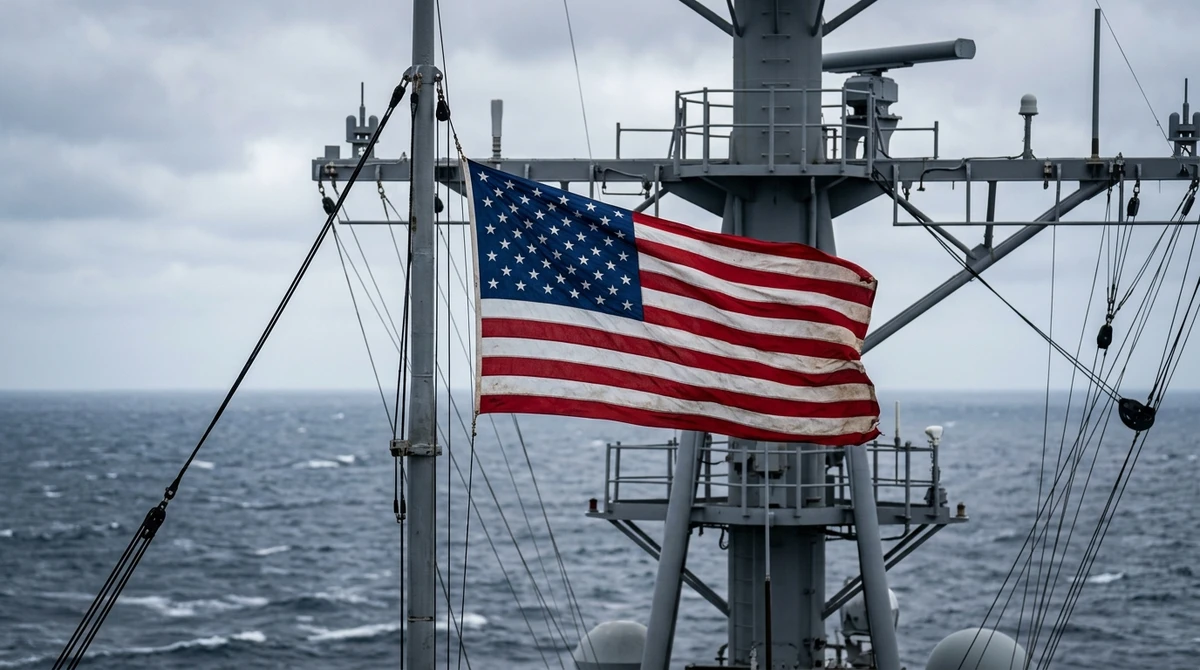
US Navy Awards Raytheon Up to $24.4 Billion Multiyear Contract for SM-6 Missiles
The US Navy on Oct. 1, 2026 awarded RTX's Raytheon unit a multiyear contract worth up to $24.4 billion for Standard Missile-6 interceptors, a five-year deal with two option years whose quantities remain undisclosed and whose funding Congress has yet to appropriate.

Ukraine Says Its FP-7 Ballistic Missile Has Been Used in Combat for the First Time
President Volodymyr Zelensky said on October 1, 2026 that Ukraine's domestically developed FP-7 tactical ballistic missile, built by Fire Point, had been used in combat for the first time, without disclosing the target or location; the claim has not been independently verified.
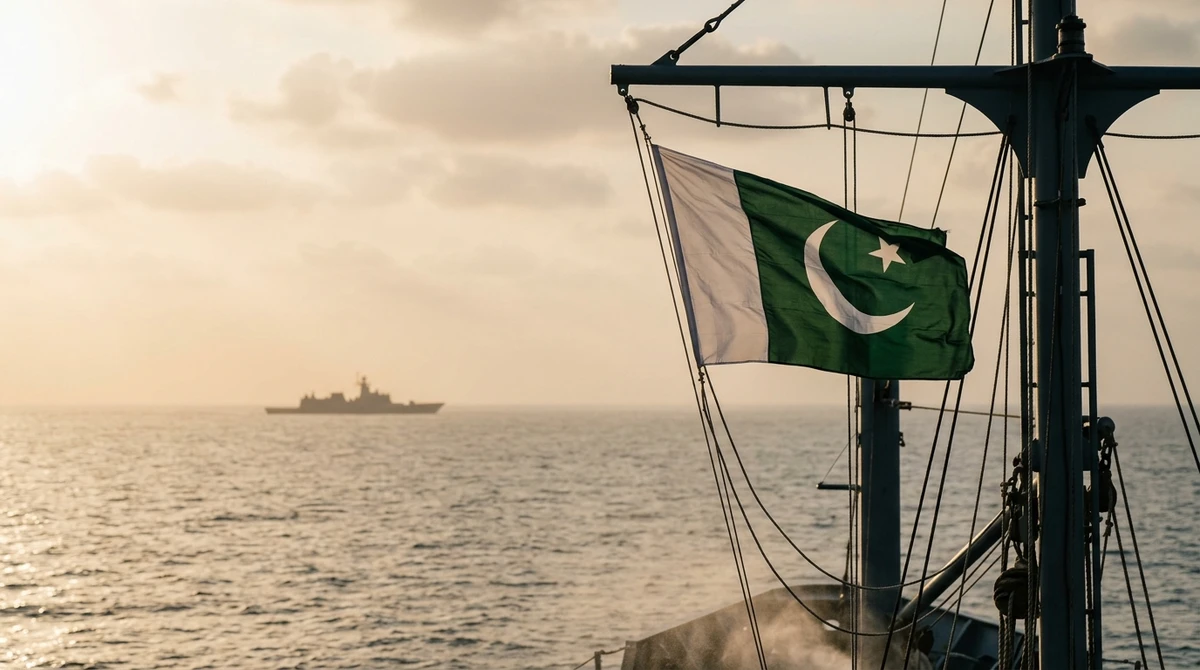
Pakistan's First Hangor-Class Submarine Fires Anti-Ship Cruise Missile in Maiden Live Weapons Test
The Pakistan Navy announced on 27 September that PNS Hangor, the lead boat of eight Chinese-designed submarines ordered in 2015, launched an anti-ship cruise missile against a designated target in the North Arabian Sea in its first live weapon firing, without disclosing the missile type.

Taiwan Live-Fires Its Cheetah 105 mm Wheeled Gun Ahead of 2027 Production of 178 Vehicles
Taiwan's army fired six 105 mm rounds from the production-standard Cheetah 8x8 gun vehicle at its southern training center in Tainan on September 23, in a media demonstration held before a 178-vehicle production run scheduled to start in 2027.
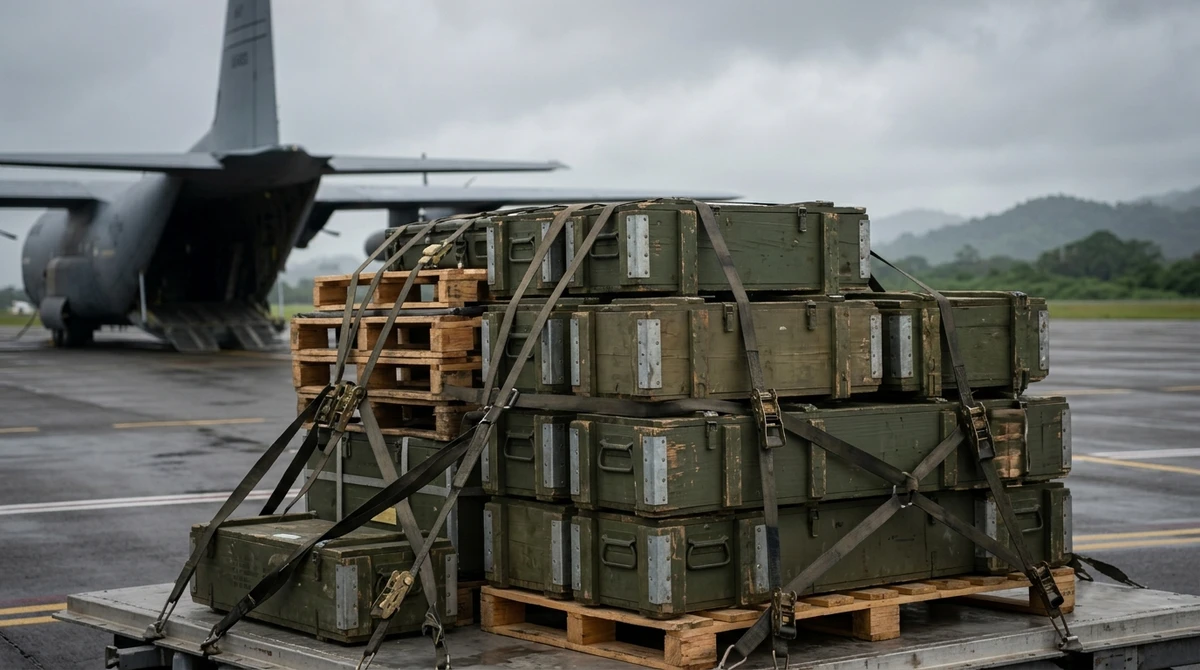
Guatemala Receives First Lot of More Than 2,000 M4A1 Carbines in First US Arms Purchase in Decades
Guatemala's army formally took delivery on 21 September 2026 of a first lot of more than 2,000 US-made M4A1 carbines at La Aurora International Airport in Guatemala City, the opening tranche of a US$5 million Foreign Military Sales order for a new jungle brigade in Petén.
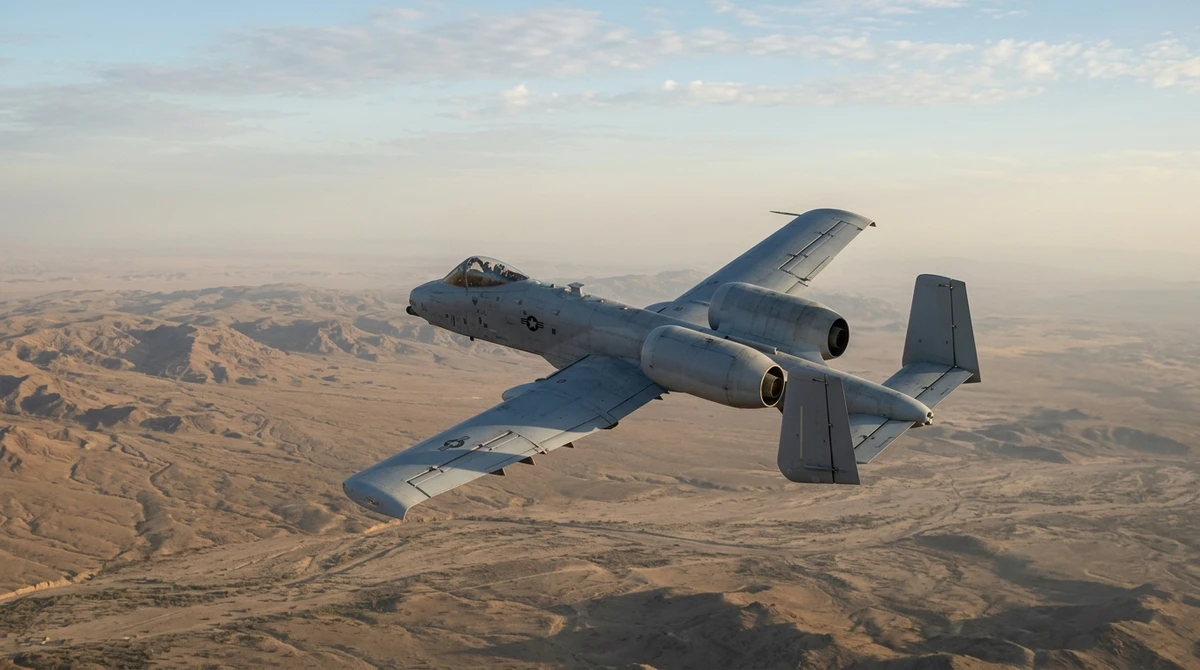
Davis-Monthan Inactivates Four A-10 Units, Ending the Base's Thunderbolt II Mission
The US Air Force inactivated four A-10 units at Davis-Monthan Air Force Base, Arizona, on September 18, 2026, ending the type's presence at the base while the FY2026 defense authorization act holds the fleet at no fewer than 103 aircraft through fiscal 2026.