First HACM Hypersonic Cruise Missile Flight Test Unit Released Over Australia
The U.S. Air Force says a Hypersonic Attack Cruise Missile flight test unit was released by the Royal Australian Air Force over an Australian test range, without disclosing the date, the launch aircraft or whether the scramjet-powered weapon achieved powered flight.

The U.S. Air Force has conducted a flight test of the Hypersonic Attack Cruise Missile (HACM) in partnership with Australia, with the Royal Australian Air Force releasing a flight test unit over a designated Australian test range, an Air Force spokesperson told The War Zone, which first reported the test on October 5.
"The U.S. Air Force, in partnership with Australia, has conducted a flight test of the Hypersonic Attack Cruise Missile (HACM)," the spokesperson said in the statement quoted by The War Zone. "The Royal Australian Air Force executed the release of a HACM flight test unit over a designated Australian test range."
The Air Force did not disclose the date of the test, the aircraft that carried the missile, whether the missile's engine ignited and it achieved powered flight, or how long and how well it flew, according to The War Zone.
Air & Space Forces Magazine reported on October 6 that the test took place at the Woomera Test Range in South Australia. "This effort is part of the Southern Cross Integrated Flight Research Experiment, a collaborative agreement built on more than 15 years of partnership between our two nations," the magazine quoted an Air Force spokesperson as saying. The test gathered "crucial data to advance the program's objectives," the spokesperson said, according to the magazine.
HACM is an air-breathing weapon: a rocket booster accelerates the missile until a scramjet engine takes over, and the weapon is designed to reach and sustain speeds above Mach 5, Air & Space Forces Magazine reported. That distinguishes it from the AGM-183 ARRW, the Air Force's other air-launched hypersonic weapon, which is a boost-glide design.
RTX's Raytheon is the prime contractor and Northrop Grumman builds the scramjet engine, according to Air & Space Forces Magazine. The two companies were selected in 2022, The War Zone reported, and the program has its roots in DARPA's Hypersonic Air-breathing Weapon Concept (HAWC). The War Zone also noted that the designation AHM-4A appears in military nomenclature for the weapon.
Flight testing of HACM was originally targeted for 2024 before slipping to 2025 and then to 2026, according to The War Zone, which reported that 13 missiles in total are being built, including test assets and spares. The planned number of flight tests has been cut from seven to five, both The War Zone and Air & Space Forces Magazine reported.
The Air Force's fiscal 2027 budget request seeks about $1.2 billion for HACM maturation and fielding, including $404 million for the first operational lot, Air & Space Forces Magazine reported. Fielding is to begin in fiscal 2027, with full-rate production planned for fiscal 2029, according to the magazine.
More News
All news →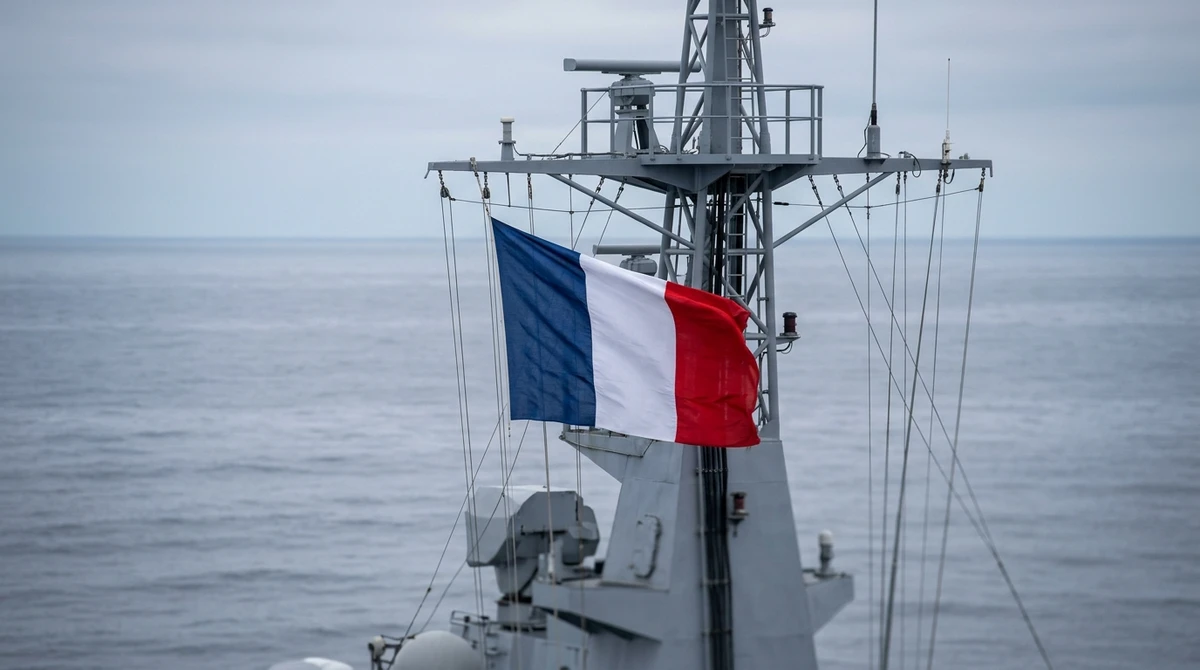
France Fires M51.3 Nuclear-Capable Missile From a Submarine for the First Time
The French Navy ballistic-missile submarine Le Vigilant launched an M51.3 without a nuclear warhead off Finistère, western France, on October 6, 2026, the first submarine firing of the missile's latest version, Defense News reported.
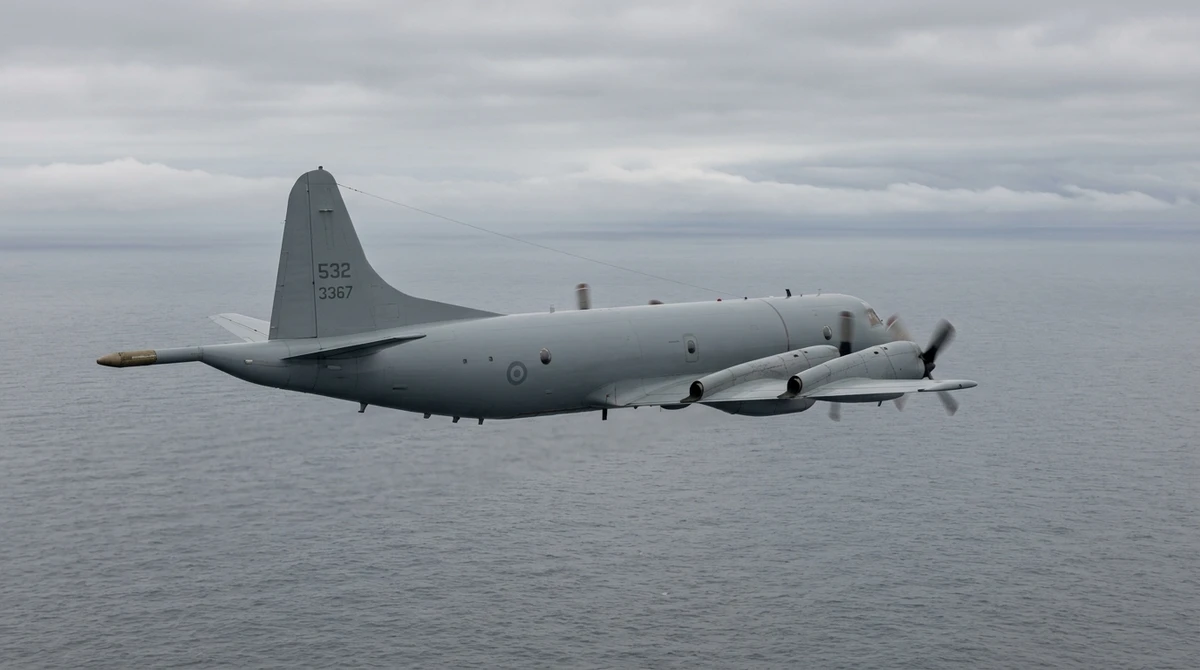
P-3 Orion Fleet Down to 101 Aircraft in 12 Countries, Roughly Half Its 2022 Size
GlobalMilitary.net's inventory data counts 101 P-3 Orions in military service across 12 countries, down from 211 in 16 countries in its 2022 snapshot, as US agencies retire special-mission Orions and Japan draws down the largest remaining fleet.

Northrop Grumman's YFQ-48A Talon Blue Completes First Fully Autonomous Flight at Mojave
Northrop Grumman said on October 3, 2026 that its company-funded YFQ-48A Talon Blue had taxied, taken off, maneuvered and landed without pilot input at Mojave, California, as the US Air Force prepares to select designs for Increment 2 of its Collaborative Combat Aircraft program.
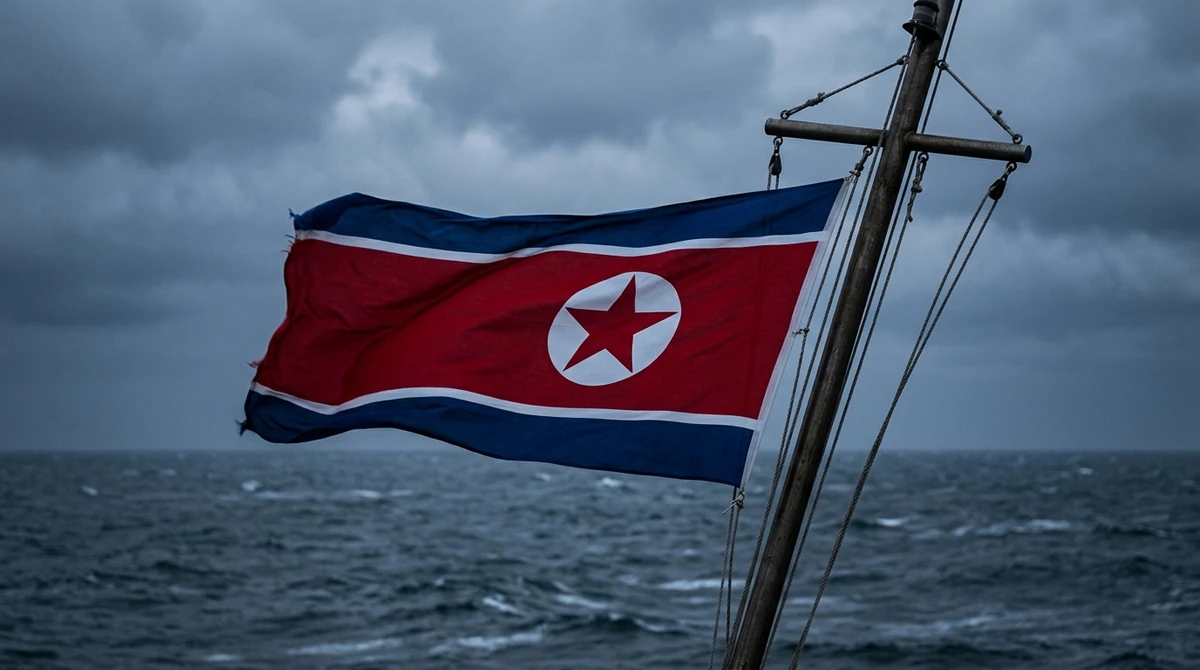
North Korea Says Hypersonic Missile Drill Hit Target 1,000 km Away; Seoul Tracked More Than 700 km
North Korea says a Saturday launch from the Wonsan area was a drill of its hypersonic strategic weapon system that struck a target 1,000 km away; South Korea's Joint Chiefs of Staff tracked a single ballistic missile flying more than 700 km into the East Sea.
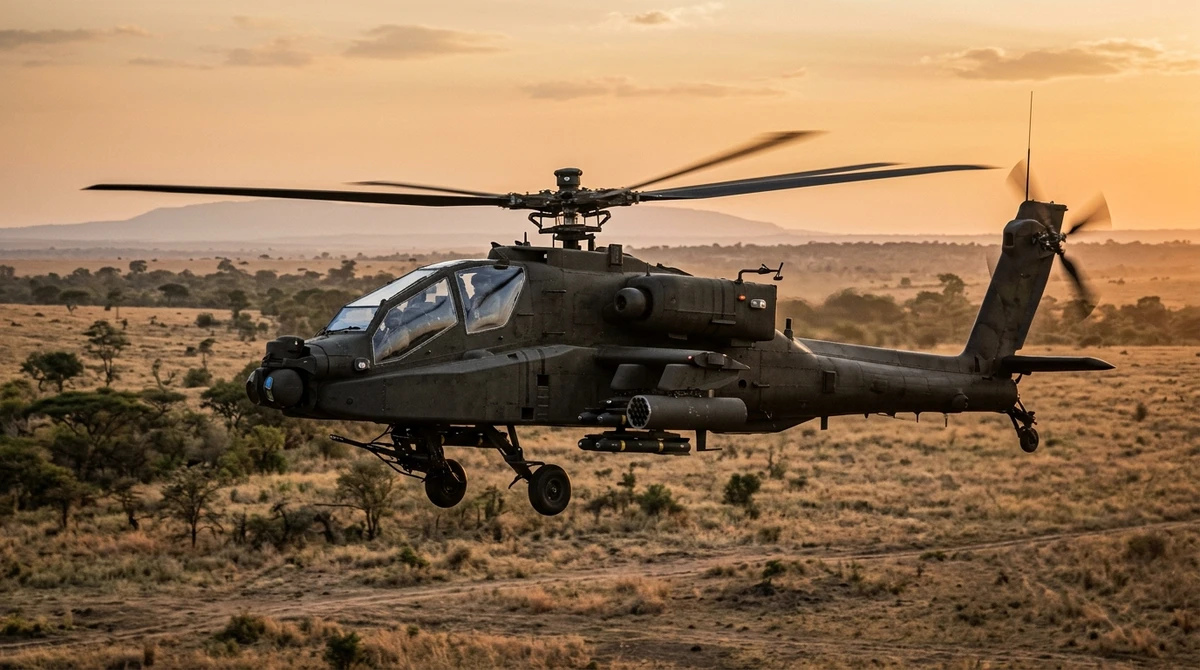
Australia Retires Its Tigers, Leaving Three Operators Among the World's 3,623 Attack Helicopters
The Australian Army has retired its Tiger attack helicopters, marking the fleet's sundown in Darwin on 30 September and leaving France, Germany and Spain as the only users; GlobalMilitary.net data counts 3,623 active attack helicopters in 81 countries.
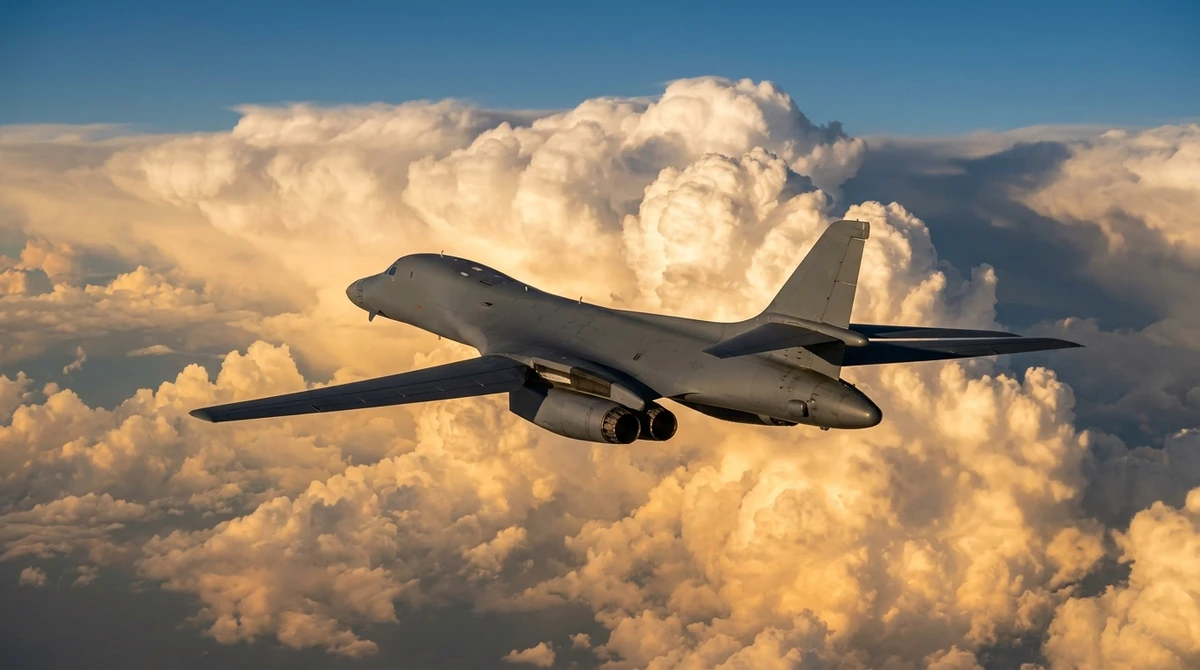
B-1B Lancer Reaches 40 Years in Service as US Air Force Plans to Keep It Flying Through 2037
The B-1B Lancer achieved initial operational capability on 1 October 1986; four decades later, 45 of the 100 bombers built remain in US Air Force service at Ellsworth and Dyess, and modernization funding is now planned to keep the type relevant through 2037.