Ukraine Says Its FP-7 Ballistic Missile Has Been Used in Combat for the First Time
President Volodymyr Zelensky said on October 1, 2026 that Ukraine's domestically developed FP-7 tactical ballistic missile, built by Fire Point, had been used in combat for the first time, without disclosing the target or location; the claim has not been independently verified.

Ukraine's domestically developed FP-7 tactical ballistic missile has been used in combat for the first time, President Volodymyr Zelensky said on October 1, 2026, in a Telegram post that did not say where the missile was fired or against what target.
"Ukrainian tactical ballistic missile FP-7. First combat use. Thank you for the result. Next - production," Zelensky wrote, in the wording reported by Reuters and carried by Defense News. Ukrainian authorities have not disclosed the target, the location or the number of missiles used, and the claim has not been independently verified, The War Zone reported. A video has been published showing what is said to be a nighttime launch of the missile, according to the same outlet.
The FP-7 is a ground-launched tactical ballistic missile developed by the Ukrainian company Fire Point, according to Reuters and The War Zone. Published performance figures differ. Reuters reported that Ukrainian military analysts describe the FP-7 as a short-range missile with a range of about 200 km. Ukrainian and company-released information cited by The War Zone puts the range at approximately 250 km and the warhead at around 150 kg, while other published figures cited by the outlet give a velocity of about 1,500 m/s. The War Zone notes that these are reported figures that have not been independently verified.
Fire Point began with drones, building the FP-1 and FP-2 long-range strike drones, before moving into long-range strike missiles, The War Zone reported. Its better-known systems include the FP-5 Flamingo cruise missile, which GMN's database lists with a range of 3,000 km. According to The War Zone, the FP-7 is optimized for targets such as logistics hubs, air defense sites and drone bases, making it a shorter-range complement to the US-supplied ATACMS rather than a replacement, though one that comes without restrictions on the kinds of targets it can be used against. GMN's database lists the ATACMS with a maximum range of 300 km and 16 operators, among them Ukraine's army.
Russia frequently uses ballistic missiles in strikes on Ukrainian targets, and Ukraine has viewed the development of its own tactical ballistic missiles as an important element of its defense in the war, Reuters reported. Zelensky praised test results of tactical ballistic missiles earlier in 2026, saying they showed good potential for military use, according to Reuters. The Russian weapon in this class, the 9K720 Iskander short-range ballistic missile, is listed in GMN's database at 500 km, and Ukraine's earlier domestic ballistic program, the 1KR1 Sapsan, at 300 km. In GMN's ATLAS ranking of 221 countries by military power, Ukraine stands 15th and Russia 3rd.
Zelensky's post named production as the next step. Fire Point says the FP-7 is also being developed as a ballistic interceptor within Freyja, a European missile defense program launched this year, Reuters reported. The War Zone reported that the company has developed the FP-7.X, an anti-ballistic missile interceptor derived from the surface-to-surface FP-7, and has published a video of a test launch; Fire Point expects commonality between the two missiles to shorten development and bring manufacturing efficiencies. In July, a deputy secretary of Ukraine's National Security and Defense Council said Ukraine wants a Freyja prototype ready in the first half of 2027, according to Reuters.
More News
All news →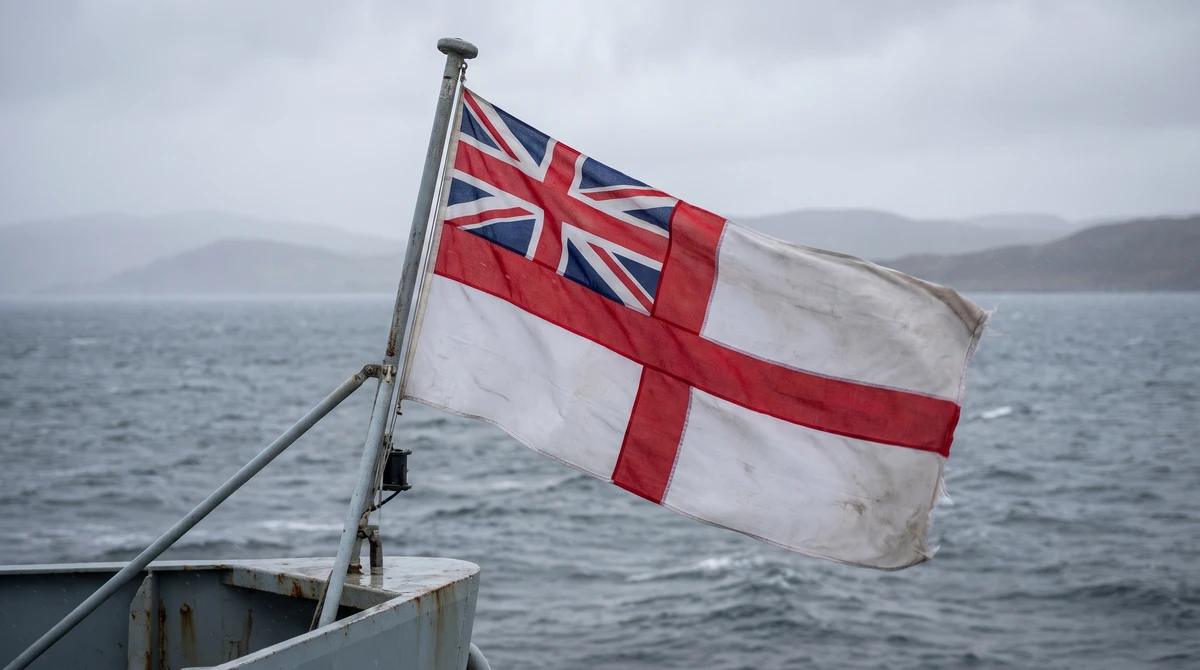
Royal Navy Trident Submarine Returns to Faslane After 217-Day Patrol, a Reported Record
A Royal Navy ballistic missile submarine returned to HM Naval Base Clyde on November 15 after a deterrent patrol that Navy Lookout put at 217 days, a length the Ministry of Defence has not confirmed.

Former USS Enterprise, First Nuclear Aircraft Carrier, Arrives in Mobile for Dismantling
The former USS Enterprise (CVN-65), the world's first nuclear-powered aircraft carrier, was escorted by tugboats into Mobile Harbor, Alabama, on November 13, 2026, to be dismantled, the US Army Corps of Engineers said.
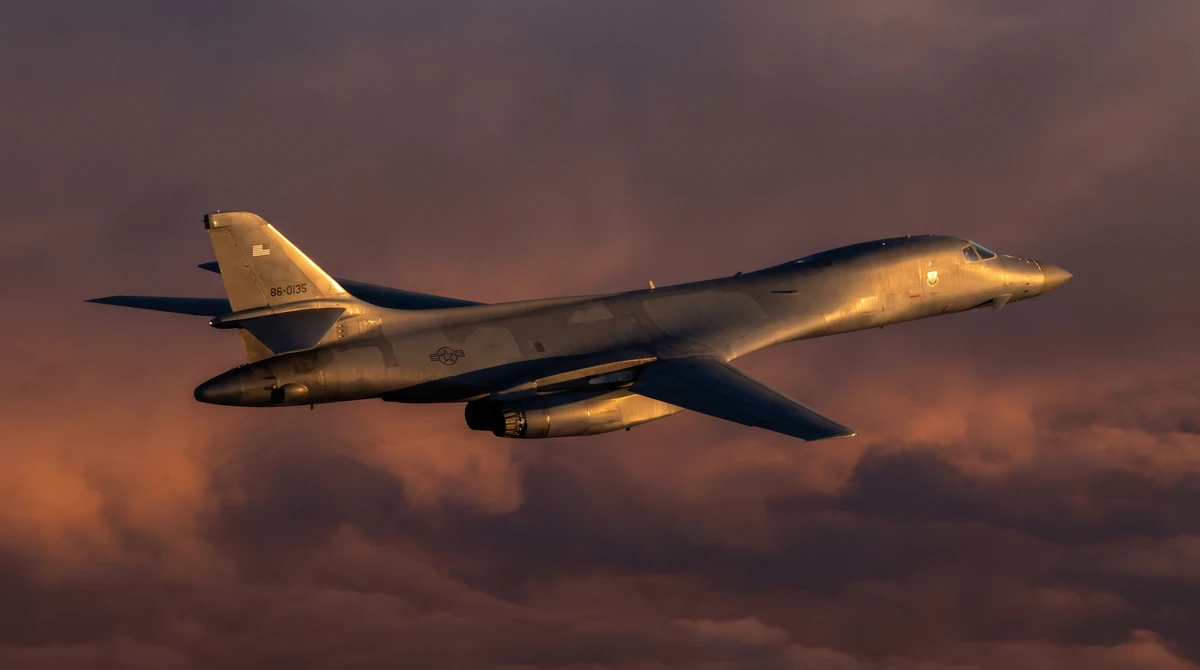
B-58 Hustler at 70: Three Supersonic Bomber Types Remain in Service as the US Builds the Subsonic B-21
The Convair B-58 Hustler, the US Air Force's first operational supersonic bomber, first flew on November 11, 1956; 70 years on, three supersonic bomber types serve in two countries, according to GlobalMilitary.net data.
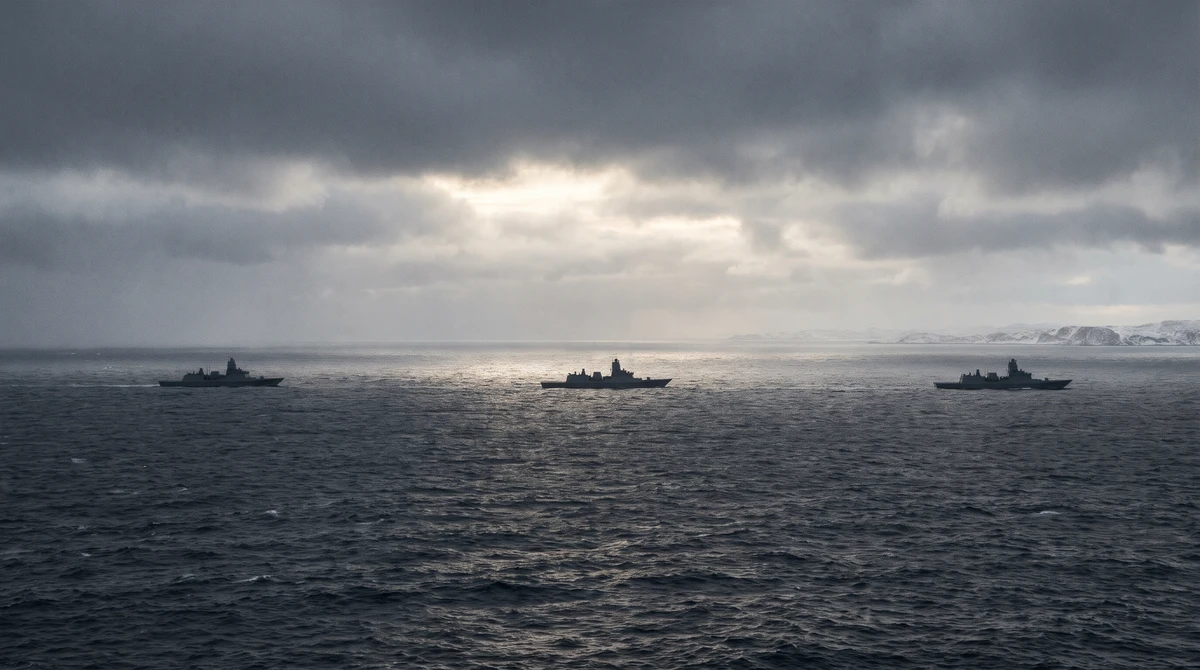
Northern Navies Initiative Joins 10 JEF Fleets With 25 Destroyers and Frigates and 19 Attack Submarines
The UK Ministry of Defence said on November 10 that the 10 Joint Expeditionary Force maritime nations signed a Northern Navies Initiative aboard HMS Prince of Wales in Oslo; GlobalMilitary.net's inventory counts 25 destroyers and frigates and 19 attack submarines among them.
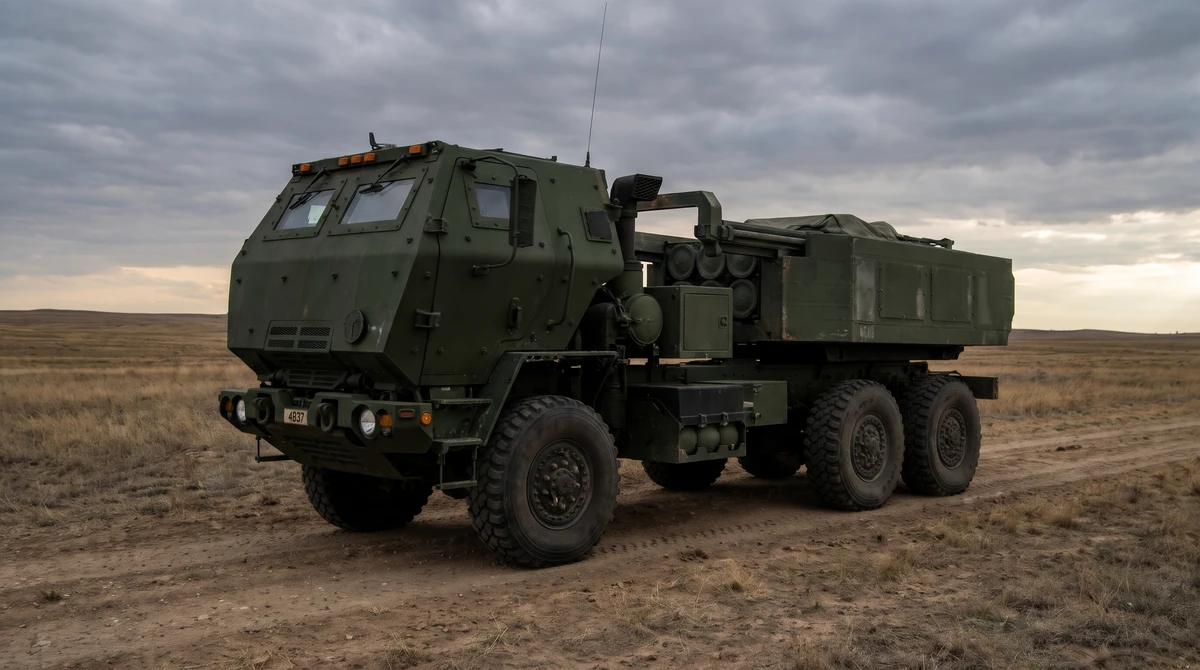
Lockheed Martin Delivers 100,000th GMLRS Rocket, Cites Output of Nearly 14,000 a Year
Lockheed Martin said on November 10 at a ceremony in Camden, Arkansas, that it has delivered its 100,000th GMLRS rocket and is producing nearly 14,000 a year, after a new solid rocket motor developed with General Dynamics completed a first test.
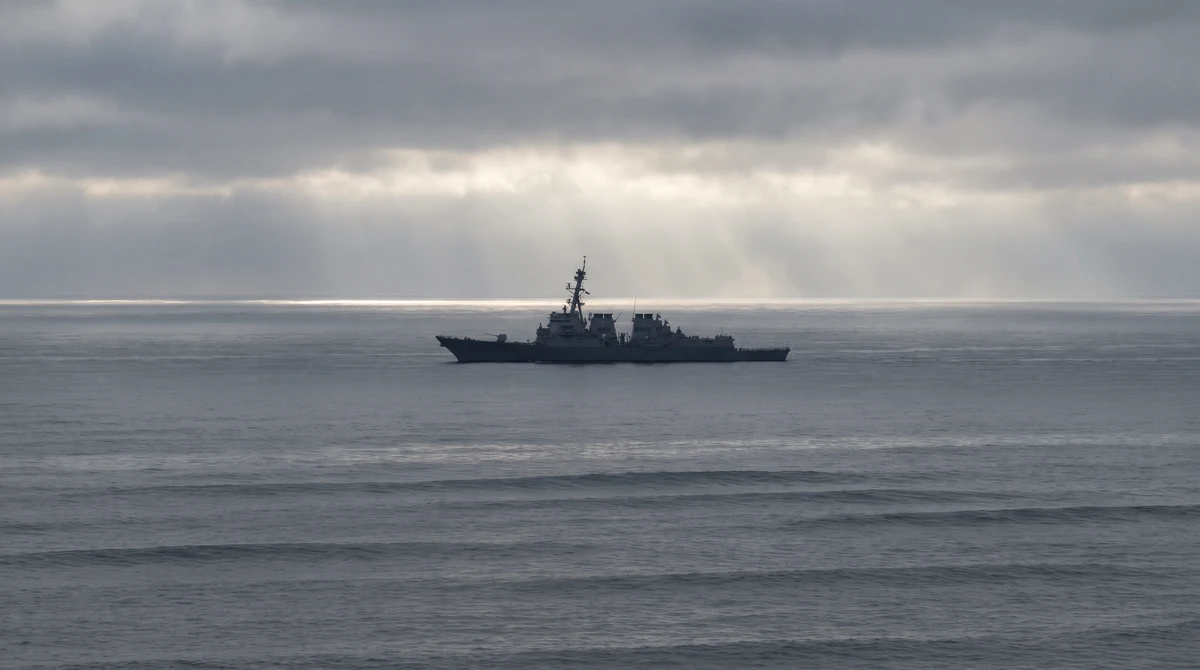
How Hot-Launch Mk 41 Cells and Cold-Launch Bulava Tubes Get a Missile Out of a Hull
The Mk 41 lights a missile's motor inside the ship and vents the blast through a plenum, while Bulava, Trident II and the S-300F are ejected before their motors ignite; DSIAC, Lockheed Martin and the US Navy spell out what each choice costs.