P-3 Orion Fleet Down to 101 Aircraft in 12 Countries, Roughly Half Its 2022 Size
GlobalMilitary.net's inventory data counts 101 P-3 Orions in military service across 12 countries, down from 211 in 16 countries in its 2022 snapshot, as US agencies retire special-mission Orions and Japan draws down the largest remaining fleet.
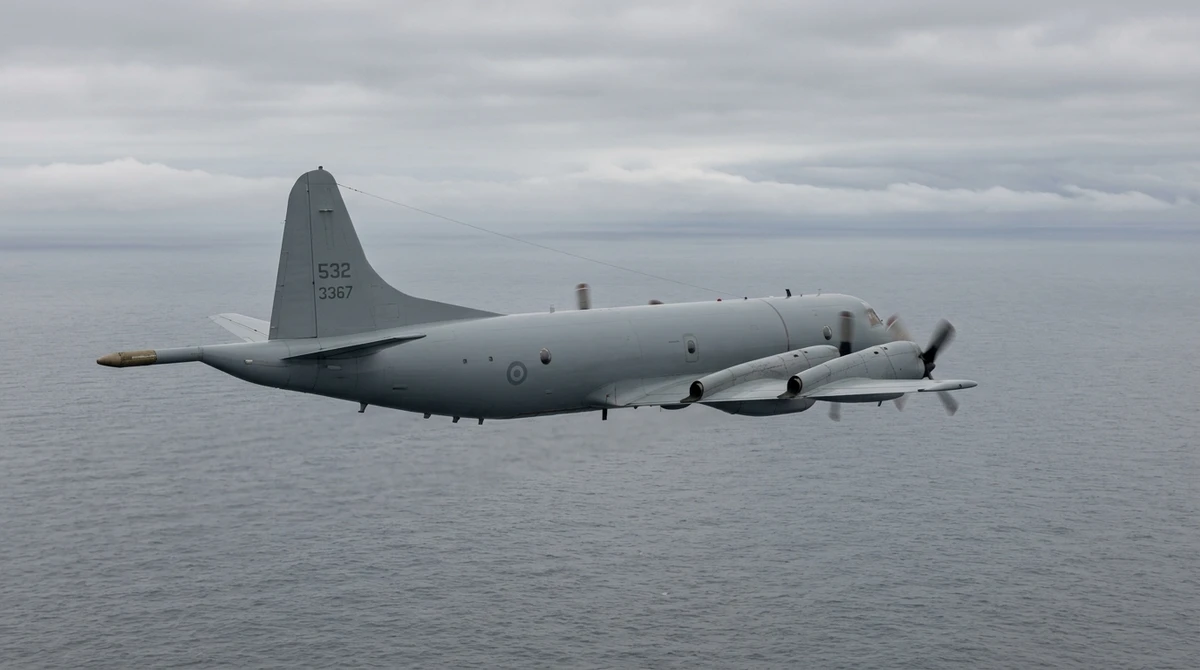
US Customs and Border Protection flew the last mission of its airborne early warning P-3 Orions on September 30, 2026, from its National Air Security Operations Center in Jacksonville, Florida, The War Zone reported; the agency, which operated about eight of the radar-equipped aircraft at its peak, has no direct replacement for them and continues to fly its Long Range Tracker Orions. Eight days earlier, on September 22, the US Naval Research Laboratory's last NP-3C left NAS Patuxent River for storage at AMARG, replaced by the MC-12S, according to The Aviationist.
Neither fleet counts toward a military inventory: CBP is a law-enforcement agency, and the two hurricane-hunter P-3s flown by NOAA, due to be replaced by C-130Js, are civilian. But two retirements in one week are a convenient marker for a type in steady decline. According to GlobalMilitary.net's inventory data, the Lockheed P-3 Orion maritime patrol aircraft remains in military service with 101 aircraft in 12 countries, with six more on order. GMN's 2022 inventory snapshot counted 211 in 16 countries; the two figures are not built the same way, but the world fleet has roughly halved in four years.
The intervening snapshots show a decline every year: 163 aircraft at the start of 2023, 139 in 2024, 128 in 2025 and 103 at the start of 2026, with the current figure applying every event GMN has logged since.
Japan holds a third of the fleet
The remaining Orions are concentrated in the Pacific. The Japan Maritime Self-Defense Force operates 36: 24 P-3C patrol aircraft plus 12 special-mission airframes, namely five EP-3 electronic intelligence aircraft, four OP-3C reconnaissance aircraft and three UP-3D training-support aircraft. A third of the world's Orions are therefore Japanese, and a third of Japan's are not maritime patrol aircraft at all. South Korea follows with 15, Canada with 14 CP-140 Auroras (a P-3 derivative, counted with the family here), Taiwan with 12 and Pakistan with six. Portugal has five, Brazil three, the United States three, Argentina, Chile and Iran two each, and Greece one.
Japan's is also the largest single drawdown: 74 aircraft in the 2022 snapshot against 36 today, as the Kawasaki P-1 built for the same role reaches 40 in service with 30 more on order. The United States shows the steepest fall, from 40 in 2022, made up of 28 P-3Cs and 12 EP-3Es, to three. GMN logged the last EP-3E Aries II leaving NAS Whidbey Island on February 13, 2025, and The War Zone says the US Navy has now retired its last active-duty maritime patrol P-3s as well as the EP-3 variants. Brazil went from eight to three, Greece from six to one, and Iran from five to two.
Five air arms have left the type
Five operators present in the 2022 snapshot no longer appear in GMN's inventory: Germany with eight aircraft, Norway with six, New Zealand with five, Spain with three and Australia with two. The Royal New Zealand Air Force is the one whose exit is logged to the day, when its last two P-3K2s were retired on January 31, 2023. Norway, Germany, New Zealand and Australia now operate the Boeing P-8 Poseidon, as does South Korea alongside its Orions; setting the P-3 against the P-8 shows what the swap means in speed, range and payload.
Not all of the attrition was planned. South Korea lost a P-3 in a fatal crash near Pohang on May 29, 2025. Iran's fleet fell when a P-3F was destroyed on the ground at Kerman Airport on March 10, 2026, in a US strike during the 2026 Iran war, according to video released by CENTCOM.
Where the successors stand
The P-8 already outnumbers the aircraft it replaces. GMN counts 170 Poseidons in service with ten countries and 40 on order: the United States holds 118 with ten more coming, Australia 14, India 12 with six on order, the United Kingdom nine, South Korea six, Norway five, New Zealand four and Germany two with six on order. Canada's 14 CP-140s are matched one for one by 14 P-8s on order, and Singapore has four on order with none yet delivered. With Japan's 40 P-1s added, the two successor types total 210 airframes in service, more than twice the Orion fleet they are displacing.
Two countries still have Orions on order, both second-hand. Argentina took delivery of its second ex-Norwegian P-3C at Comandante Espora on October 14, 2025, with two more to come, and Greece has four on order to join its single aircraft. Elsewhere the picture is one of slow attrition or stability: Taiwan, Pakistan and Chile show the same fleets as in 2022, Portugal has gone from three to five, and Canada and South Korea each have one fewer. Those fleets, with Japan's remaining 36, will determine how long the Orion stays above 100 aircraft in military service.
More News
All news →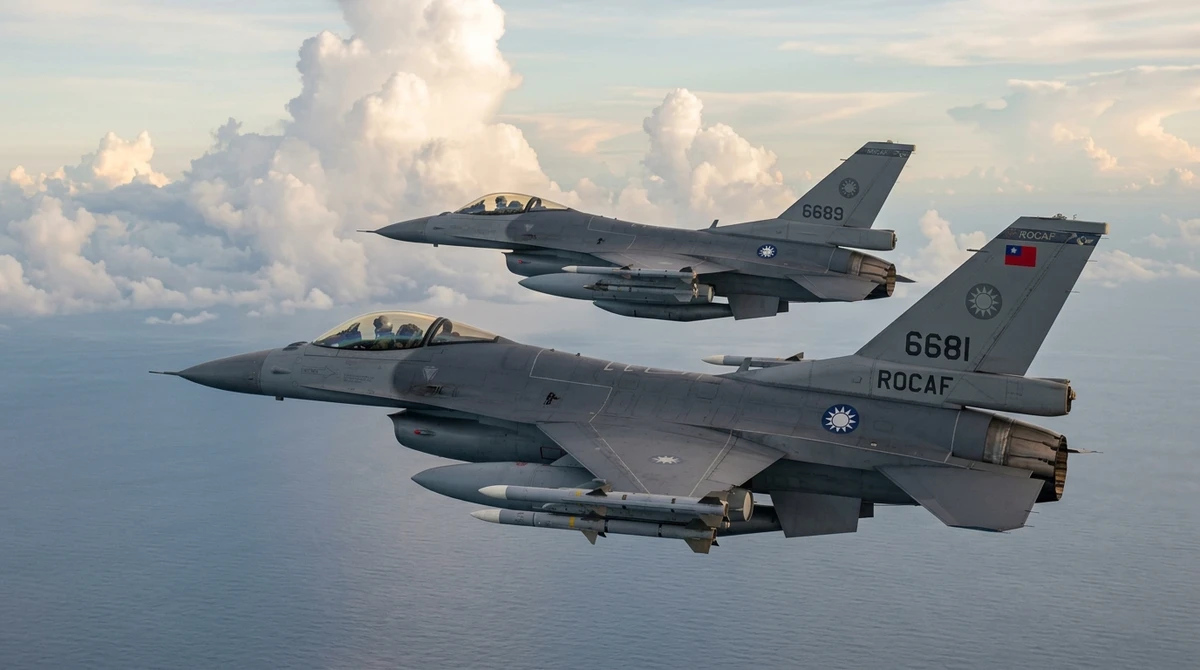
Taiwan Receives Its First Two F-16 Block 70s From the Largest F-16 Order Still Outstanding
The first two new-build F-16C Block 70 fighters landed at Chihhang Air Base on October 2, 2026, beginning deliveries on a 66-jet order that GMN's inventory data shows is the largest open F-16 order anywhere and that would lift Taiwan from seventh to fifth among F-16 operators on current figures.

Northrop Grumman's YFQ-48A Talon Blue Completes First Fully Autonomous Flight at Mojave
Northrop Grumman said on October 3, 2026 that its company-funded YFQ-48A Talon Blue had taxied, taken off, maneuvered and landed without pilot input at Mojave, California, as the US Air Force prepares to select designs for Increment 2 of its Collaborative Combat Aircraft program.
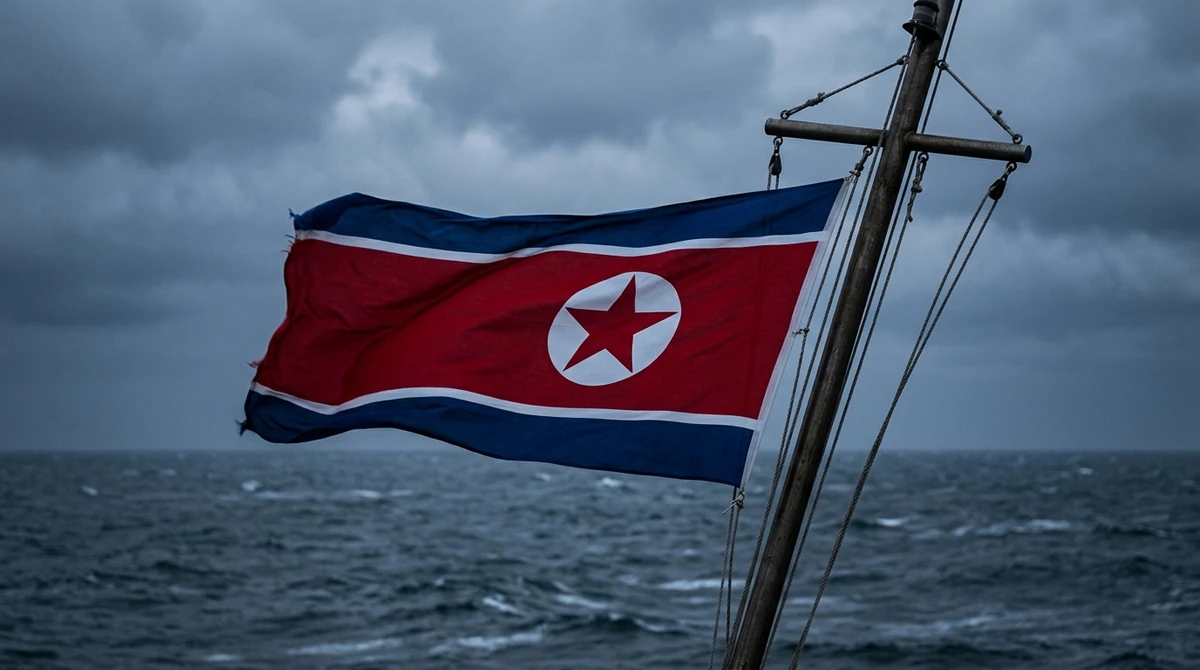
North Korea Says Hypersonic Missile Drill Hit Target 1,000 km Away; Seoul Tracked More Than 700 km
North Korea says a Saturday launch from the Wonsan area was a drill of its hypersonic strategic weapon system that struck a target 1,000 km away; South Korea's Joint Chiefs of Staff tracked a single ballistic missile flying more than 700 km into the East Sea.
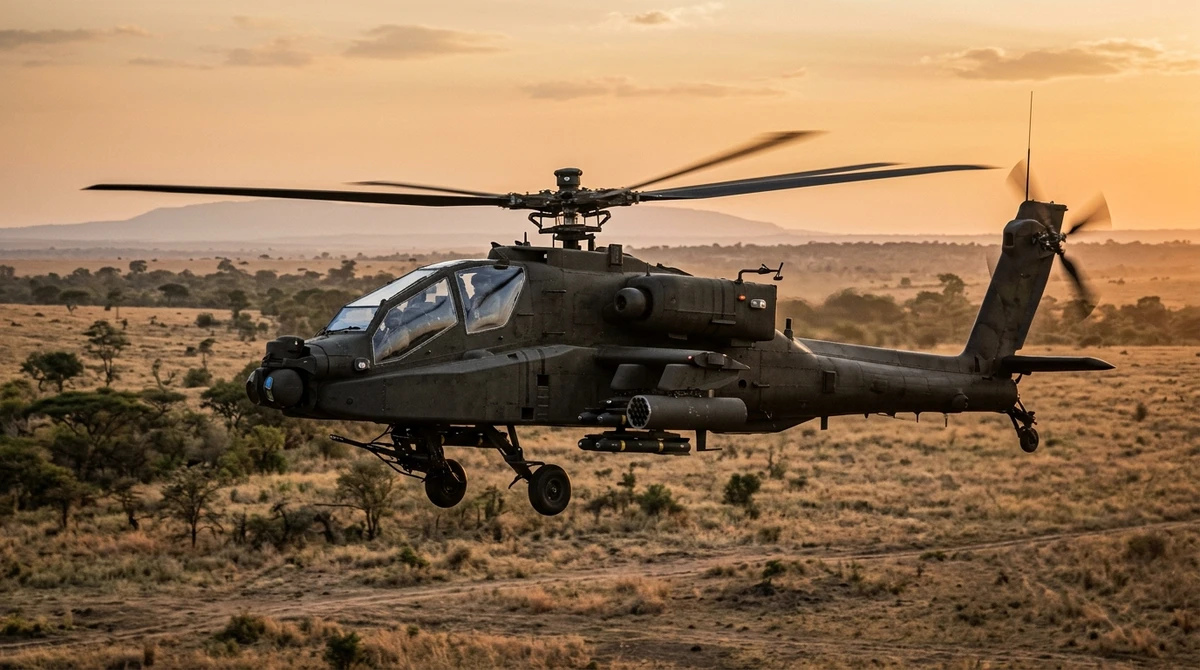
Australia Retires Its Tigers, Leaving Three Operators Among the World's 3,623 Attack Helicopters
The Australian Army has retired its Tiger attack helicopters, marking the fleet's sundown in Darwin on 30 September and leaving France, Germany and Spain as the only users; GlobalMilitary.net data counts 3,623 active attack helicopters in 81 countries.
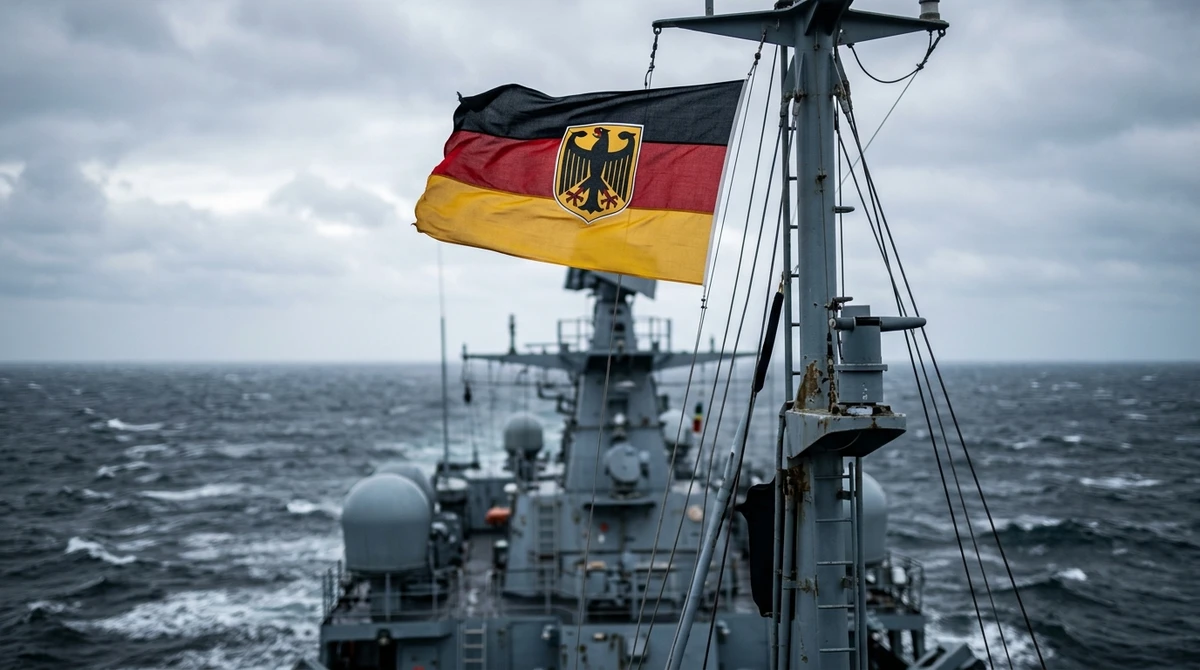
Germany Contracts Diehl to Arm Its Four F125 Frigates With IRIS-T SLM Air Defense Missiles
Diehl Defence and Germany's BAAINBw procurement office signed a contract on October 2, 2026 to adapt the IRIS-T SLM surface-to-air missile system for the German Navy's four Baden-Württemberg-class frigates, which were completed without a medium-range air defense missile.
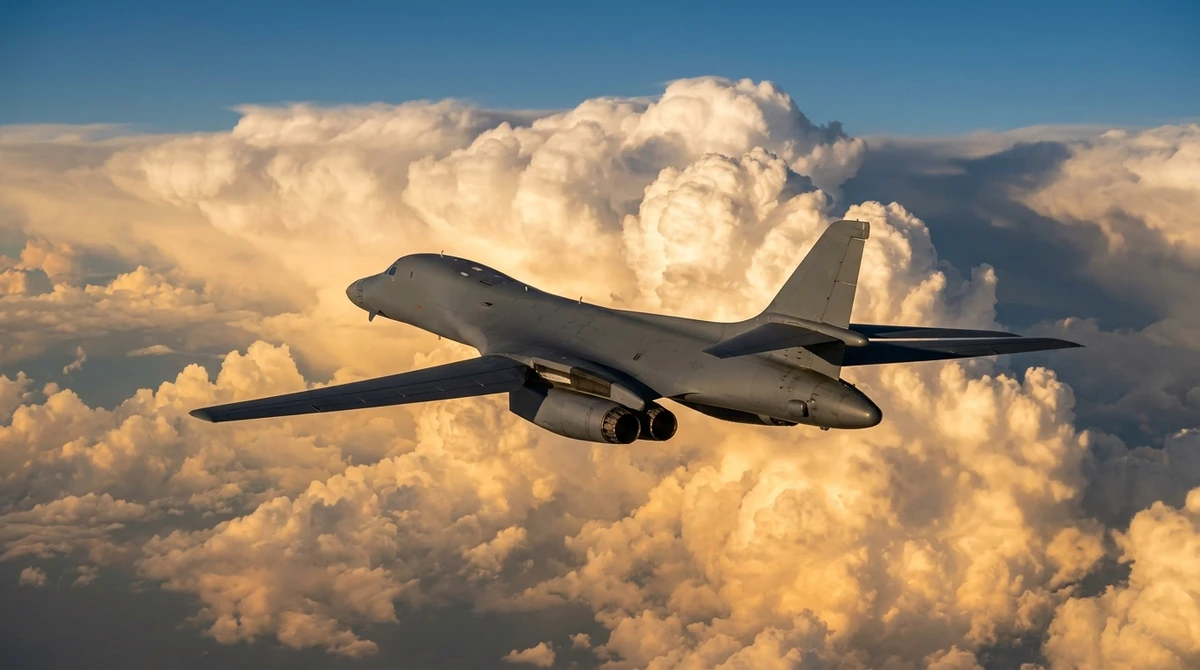
B-1B Lancer Reaches 40 Years in Service as US Air Force Plans to Keep It Flying Through 2037
The B-1B Lancer achieved initial operational capability on 1 October 1986; four decades later, 45 of the 100 bombers built remain in US Air Force service at Ellsworth and Dyess, and modernization funding is now planned to keep the type relevant through 2037.