Taiwan's 2027 Defense Budget Breaks NT$1 Trillion and Tops 3% of GDP
President Lai Ching-te's government will ask the Legislative Yuan for NT$1.1225 trillion ($35.2 billion) in defense spending for 2027, the first Taiwanese military budget above NT$1 trillion and the first to exceed 3 percent of GDP.
Taiwan will ask its legislature for NT$1.1225 trillion ($35.2 billion) in defense spending in 2027, President Lai Ching-te announced on August 17, the first time the island's military budget has crossed the NT$1 trillion mark and the first time it has exceeded 3 percent of gross domestic product. The Cabinet was due to sign off on the draft at its meeting on Thursday, August 20, before sending it to the Legislative Yuan.
The figure combines the regular defense budget with the special budgets Taipei uses to fund large procurement programs, and stands roughly 18 percent above the NT$949.5 billion budgeted for 2026. Lai framed the increase as insurance rather than escalation, describing investment in defense as an investment in peace and in stability across the Taiwan Strait. He has set a further target of raising military spending to 5 percent of GDP by 2030.
Getting the money approved is a separate problem. The 113-seat Legislative Yuan is controlled by the opposition Kuomintang and Taiwan People's Party, which in May 2026 cut a previously proposed NT$1.25 trillion special defense budget by roughly 40 percent, to NT$780 billion, and stripped out funding for domestically produced attack drones. The cuts also fell on the Chiang Kung anti-ballistic missile, intended as the backbone of the layered "T-Dome" air and missile defense network Lai proposed in late 2025. Taiwan's 2026 central government budget itself cleared the legislature only in August, after the longest delay in nearly three decades.
The proposed sum amounts to a near-doubling of Taiwanese defense outlays in two fiscal years. Taiwan spent $18.19 billion on its military in 2025, equivalent to 2.10 percent of GDP, up from $12.03 billion in 2020. It sits 12th in the global military power ranking with 169,000 active personnel, against a China that ranks second.
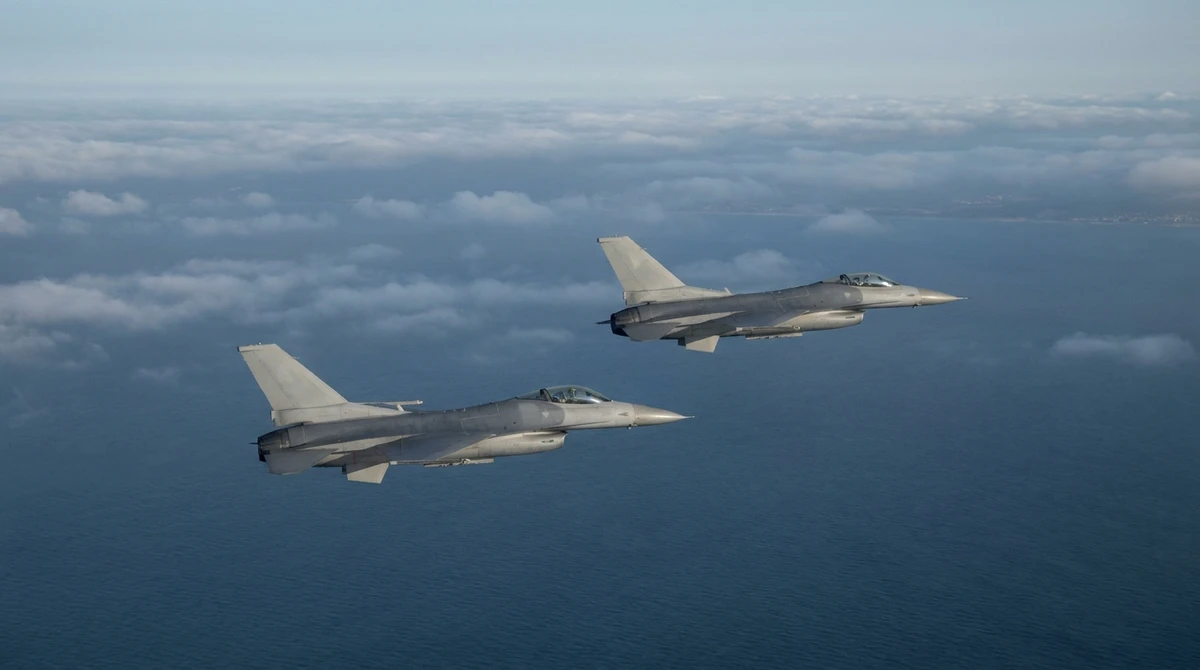
Much of the new money is meant to close gaps in a force built around ageing airframes. The Republic of China Air Force flies 111 F-16A/V fighters with 56 more on order, 103 indigenous F-CK-1C Ching-kuo and 43 Mirage 2000-5EI delivered in the late 1990s. The Republic of China Navy fields four destroyers, 21 frigates and eight corvettes, while ground-based air defense still rests on the Tien Kung II family that Chiang Kung was designed to supplement.
The case for the spending rests on activity Taiwan's own defense ministry publishes daily. GlobalMilitary.net's Taiwan Strait tracker recorded 3,762 People's Liberation Army aircraft entering Taiwan's air defense identification zone in 2025 and 1,252 in the first 230 days of 2026, out of 5,449 PLA aircraft detected around the island across 2025.
The draft now goes to the Legislative Yuan, where debate is expected to run through the autumn. Opposition leaders have said they will examine the package line by line rather than pass it intact, and the drone and missile items cut in May are likely to be contested again.
More News
All news →
Northrop Grumman's YFQ-48A Talon Blue Completes First Fully Autonomous Flight at Mojave
Northrop Grumman said on October 3, 2026 that its company-funded YFQ-48A Talon Blue had taxied, taken off, maneuvered and landed without pilot input at Mojave, California, as the US Air Force prepares to select designs for Increment 2 of its Collaborative Combat Aircraft program.
Australia Retires Its Tigers, Leaving Three Operators Among the World's 3,623 Attack Helicopters
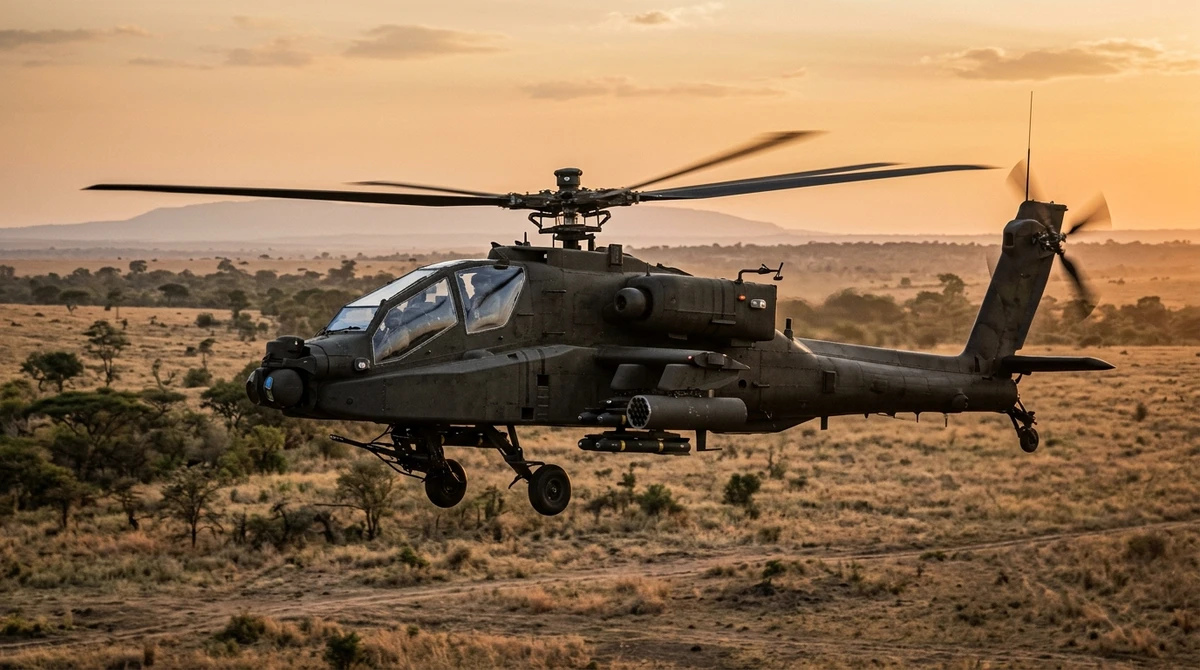
The Australian Army has retired its Tiger attack helicopters, marking the fleet's sundown in Darwin on 30 September and leaving France, Germany and Spain as the only users; GlobalMilitary.net data counts 3,623 active attack helicopters in 81 countries.
Germany Contracts Diehl to Arm Its Four F125 Frigates With IRIS-T SLM Air Defense Missiles
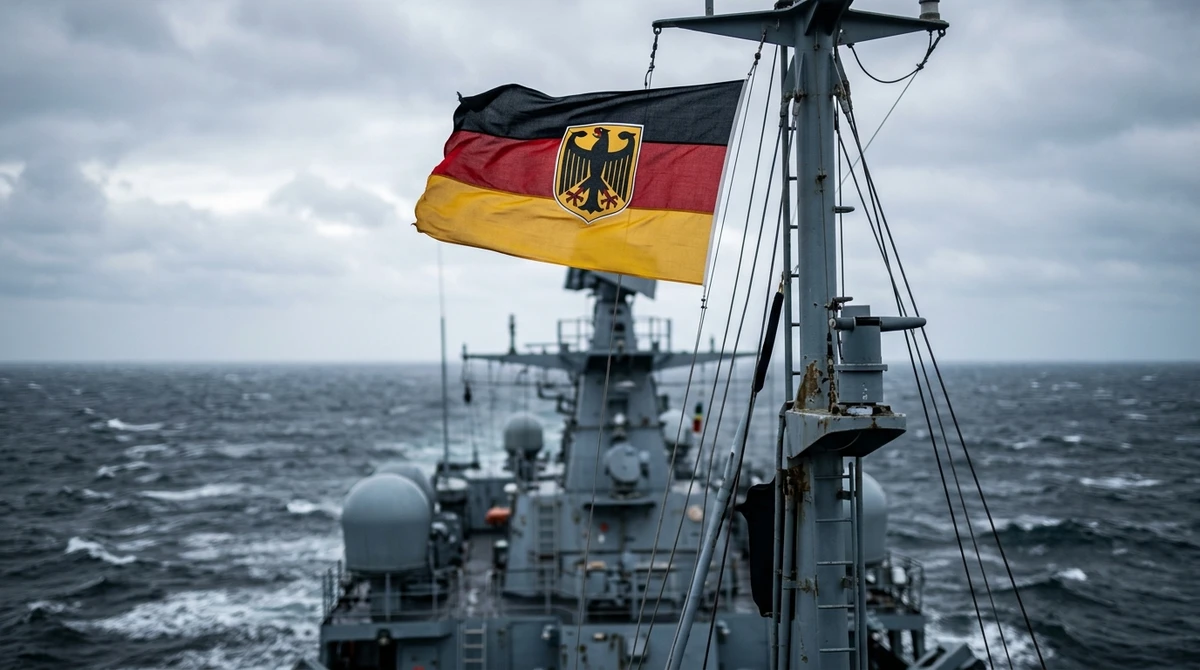
Diehl Defence and Germany's BAAINBw procurement office signed a contract on October 2, 2026 to adapt the IRIS-T SLM surface-to-air missile system for the German Navy's four Baden-Württemberg-class frigates, which were completed without a medium-range air defense missile.
US Navy Awards Raytheon Up to $24.4 Billion Multiyear Contract for SM-6 Missiles
The US Navy on Oct. 1, 2026 awarded RTX's Raytheon unit a multiyear contract worth up to $24.4 billion for Standard Missile-6 interceptors, a five-year deal with two option years whose quantities remain undisclosed and whose funding Congress has yet to appropriate.
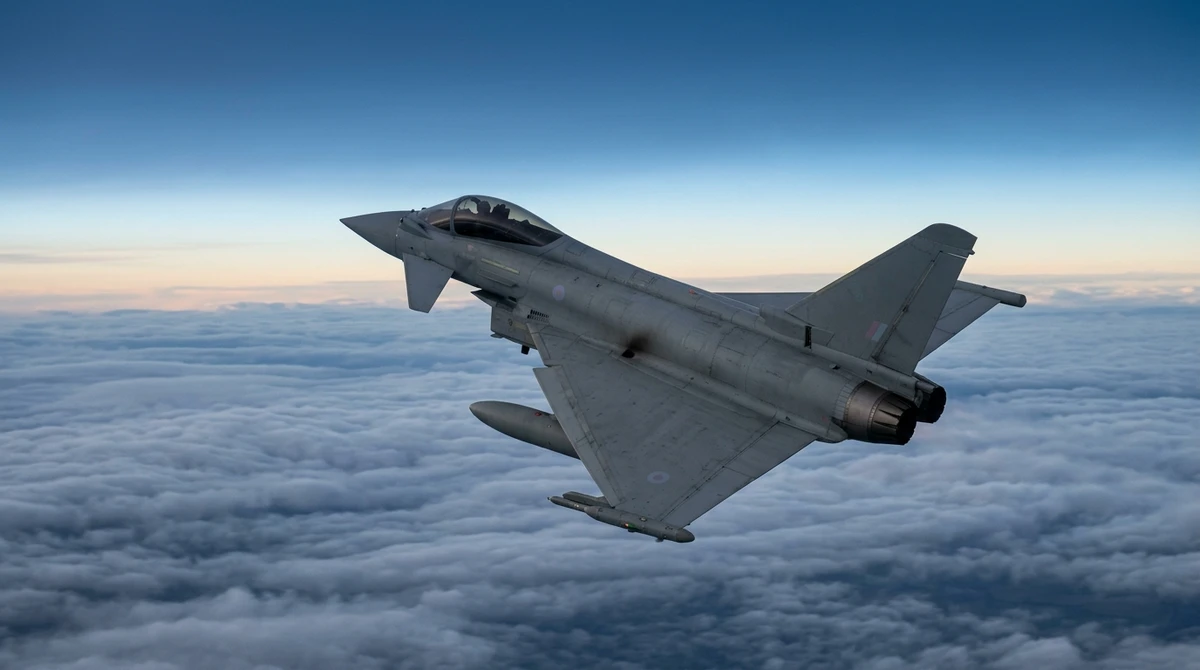
Ramjet vs Rocket: How the Meteor Keeps Thrusting to the Target While the AMRAAM Coasts
The Pentagon's AMRAAM contract of up to $20.7 billion, announced on September 28, 2026, expands output of a missile whose rocket burns early and then coasts; Europe's Meteor uses a throttleable ramjet that MBDA says thrusts until intercept.
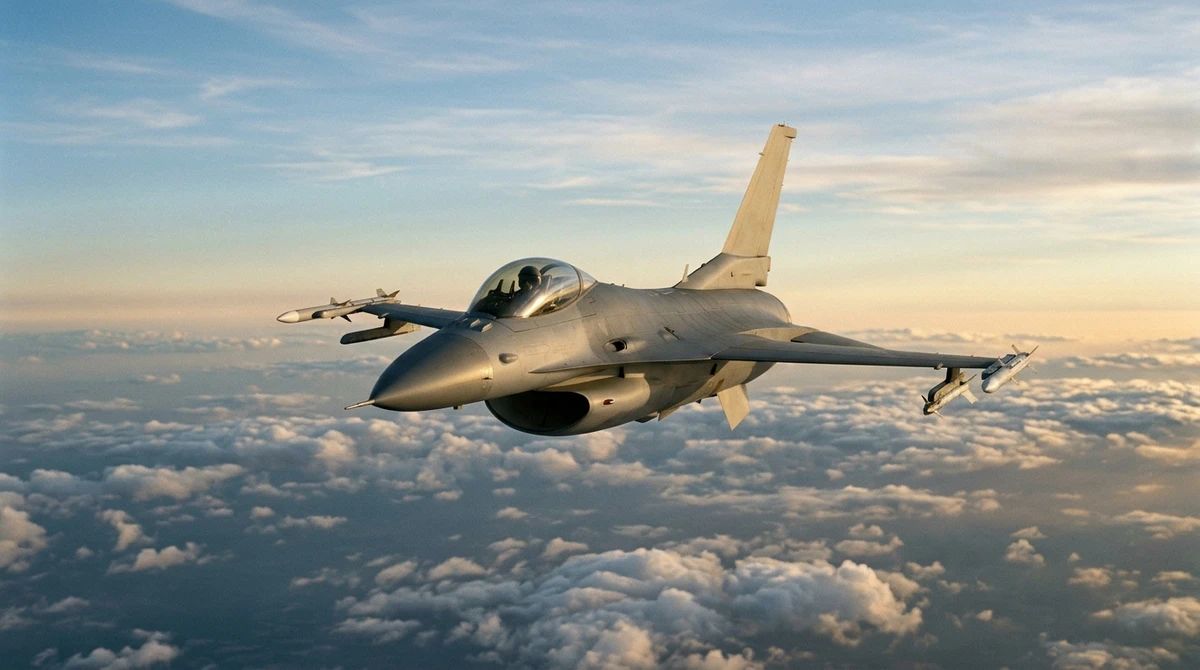
Pentagon Awards Raytheon Up to $20.7 Billion to Nearly Double AMRAAM Production
The Pentagon on 28 September announced a five-year AIM-120 AMRAAM production contract with RTX's Raytheon business worth up to $20.7 billion, an undefinitized award that Reuters described as provisional because Congress has not yet funded the full deal.