US Navy's Doomsday Fleet to Nearly Double: 31 E-130Js to Replace 16 E-6B Mercuries
A Pentagon acquisition report dated April 21, 2026 puts the Navy's TACAMO recapitalization at 31 E-130J Phoenix II aircraft at $360.9 million each, nearly doubling the 16-aircraft fleet that carries the airborne nuclear link to America's ballistic missile submarines.

The US Navy plans to buy 31 E-130J Phoenix II aircraft to take over the TACAMO mission, nearly double the 16-aircraft fleet flying it today, according to a Modernized Selected Acquisition Report dated April 21, 2026 and prepared for the FY2027 budget request. The figures were reported on August 10 by The War Zone and Aviation Week.
The buy splits into six pre-production aircraft and 25 production examples. The report puts the average procurement unit cost of a production aircraft at $360.9 million, and the program acquisition unit cost, which spreads development across the whole fleet, at $732.8 million. The airframe underneath is a Lockheed Martin C-130J-30 Super Hercules, a stretched variant of a transport that typically sells for around a third of that figure; the difference is the mission system. Northrop Grumman won a $3.5 billion contract in December 2024 to integrate it, including the Collins Aerospace very low frequency radio suite, into government-furnished airframes.
TACAMO, for Take Charge And Move Out, is the airborne relay that would pass launch orders to the United States' submarine-based deterrent if ground stations were destroyed. The aircraft trails a wire antenna several kilometres long to reach submerged boats on very low frequency, a link that has to survive the opening minutes of a nuclear exchange. It is the reason the fleet is sized the way it is: the mission demands continuous airborne alert, not surge capacity.
The aircraft doing that job today is the E-6 Mercury, and GlobalMilitary.net records show why the recapitalization matters. Just 16 were built, none exported, and the US inventory has stood at 16 aircraft every year since 2020. The type entered service in 1989 and was the last new-build application of the Boeing 707, a production line that closed in 1991. The fleet has no attrition margin whatsoever. Losing one airframe is a 6 percent cut in the force.
The E-6B also carries a second job, Looking Glass, serving as an airborne command post for US Strategic Command alongside the four E-4 National Airborne Operations Center jets. Public reporting has not settled whether the E-130J inherits that role or whether it passes elsewhere.
Schedule is the weak point. The report sets a critical design review for September 2027 and a Milestone C production decision for August 2029, with initial operational test and evaluation starting no earlier than June 2033. The date for initial operational capability is classified. That leaves the 1989-vintage Mercury fleet carrying the mission into the mid-2030s, and the Navy has been funding upgrades to it in parallel, including a Collins Aerospace modernization contract awarded in January 2026.
The timing sits alongside the rest of the American deterrent recapitalization. The Navy awarded $29.5 billion in July 2026 for five Columbia-class Build II boats, the submarines that replace the 14 Ohio-class hulls the TACAMO aircraft exist to talk to. Both legs of that pairing, the boats and the radio link, are being replaced at once, and both run into the 2030s before the new equipment is operational. Fleet totals and warhead estimates for every declared arsenal are tracked on our nuclear forces overview.
Next milestones are the critical design review in September 2027 and first flight of a converted test aircraft, for which the Navy has not published a date.
More News
All news →
Chile Opens Search for a Replacement of Its 50-Year-Old F-5 Tiger III Fighters
Chile's defense minister announced in Punta Arenas on September 24 that the Chilean Air Force has formally begun the process of replacing its F-5E/F Tiger III fighters, in service since 1976, within a package that also covers transports, helicopters, maritime patrol and Antarctic capabilities.
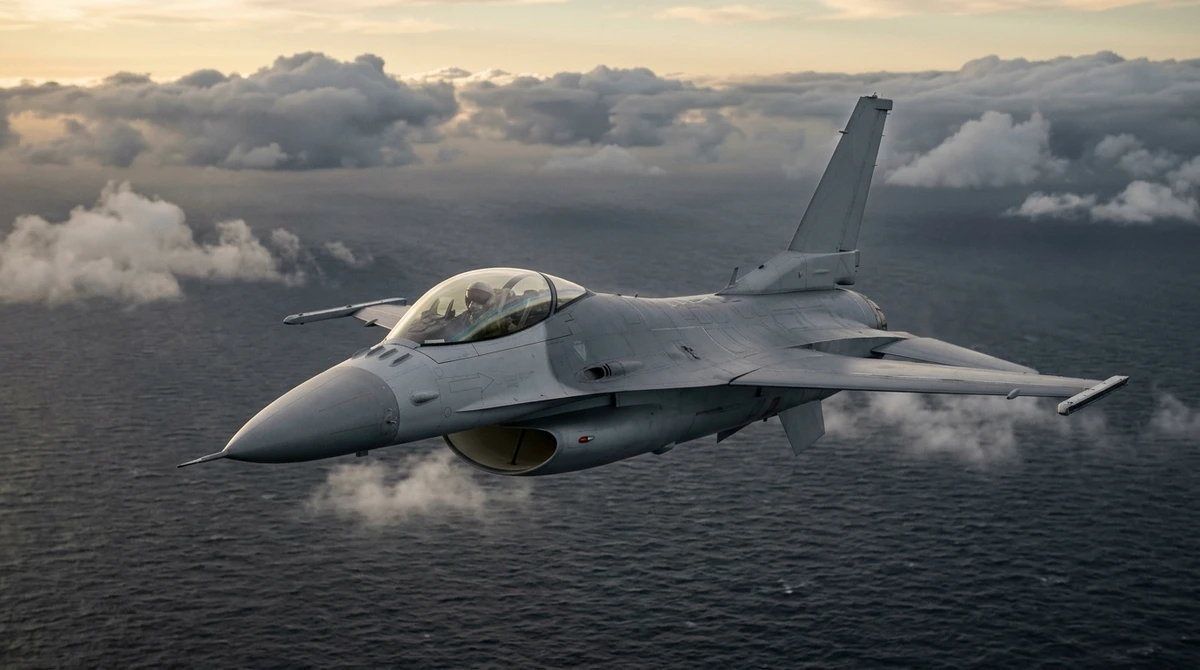
Portugal's F-16 Replacement Draws Eurofighter Bid Plan and Rafale Offer Before Any Tender Opens
Airbus said on Sept. 24 it plans an unsolicited Eurofighter Typhoon proposal to Lisbon in late October or early November, a day after Dassault disclosed a July French government Rafale submission, while Portugal has yet to open a formal tender to replace its upgraded F-16s.

Canada Signs Preliminary Deal With Saab for Six GlobalEye Early-Warning Aircraft
Saab and Canada's Defence Investment Agency signed a non-binding term sheet on September 25, 2026, setting the framework for negotiations on six GlobalEye airborne early warning aircraft for the Royal Canadian Air Force.
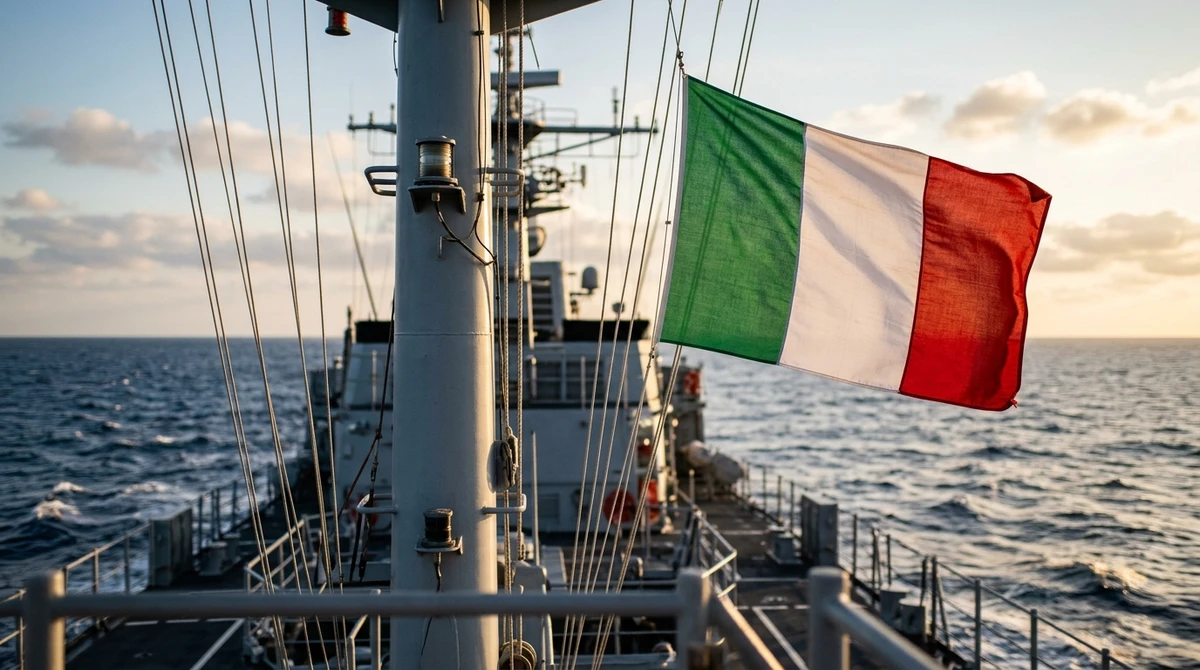
Italy Orders Two 13,500-Tonne DDX Destroyers, Nearly Twice the Size of Its Horizon Class
Orizzonte Sistemi Navali, the Fincantieri-Leonardo joint venture, signed a contract worth about €3.7 billion with OCCAR on September 24 for two DDX air and missile defense destroyers for the Italian Navy, with deliveries due in 2033 and 2035.
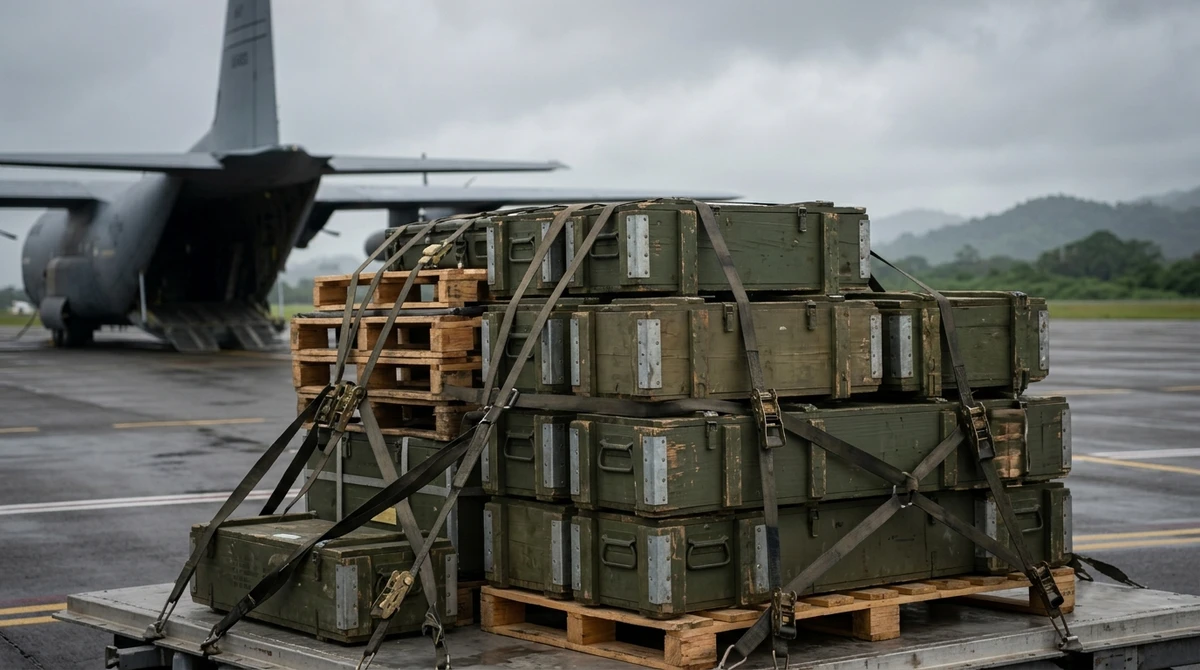
Guatemala Receives First Lot of More Than 2,000 M4A1 Carbines in First US Arms Purchase in Decades
Guatemala's army formally took delivery on 21 September 2026 of a first lot of more than 2,000 US-made M4A1 carbines at La Aurora International Airport in Guatemala City, the opening tranche of a US$5 million Foreign Military Sales order for a new jungle brigade in Petén.
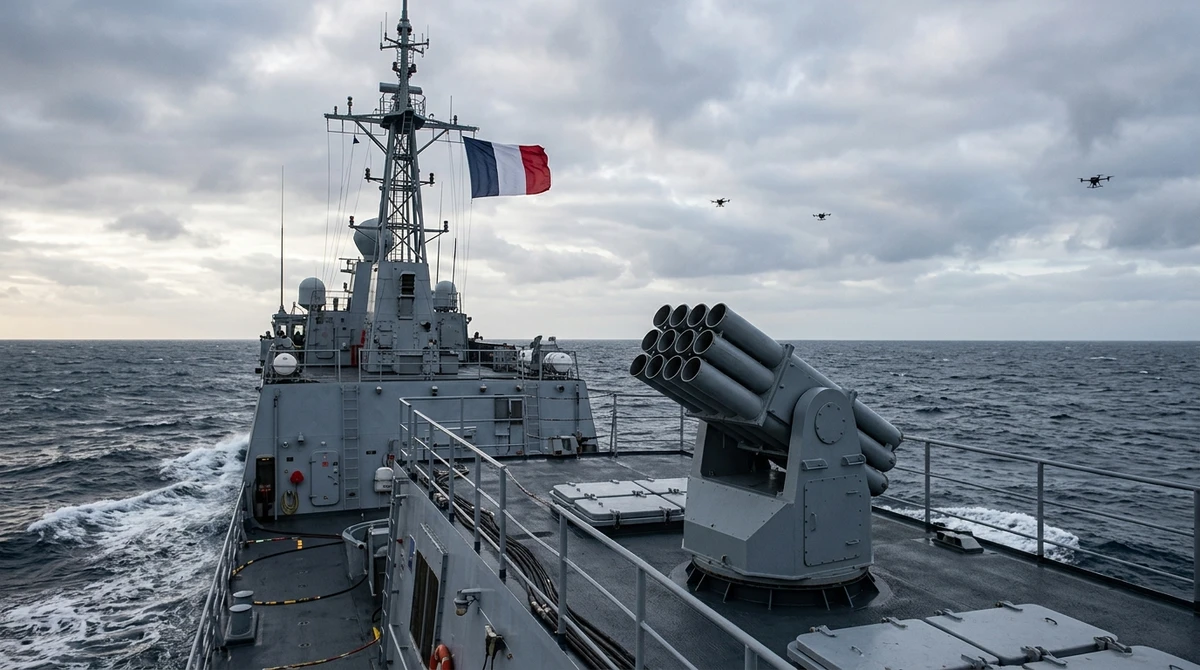
Naval Group's Rampart Counter-Drone Launcher Fitted to French Mistral-Class Ship Ahead of Sea Trials
Naval Group's modular Rampart close-in weapon system was spotted aboard a French Navy Mistral-class amphibious assault ship in Toulon, according to reports of September 22, 2026, ahead of a first at-sea firing campaign scheduled for October during the counter-drone exercise WildFire.