US Air Force Names Its First Two Collaborative Combat Aircraft Vengeance and Fury
The Secretary of the Air Force announced on 14 September 2026 that General Atomics' FQ-42 is named Vengeance and Anduril Industries' FQ-44 is named Fury, as both uncrewed aircraft move into production toward a target of at least 500 in service by 2032.
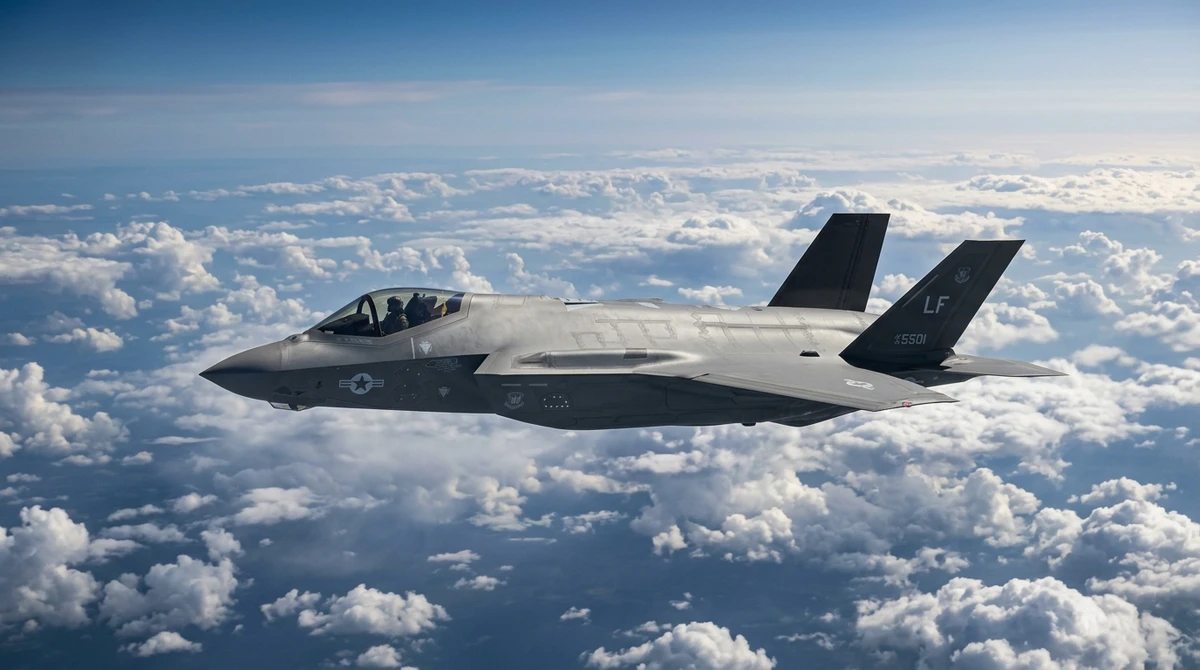
The US Air Force has given popular names to its first two Collaborative Combat Aircraft (CCA). On 14 September 2026, at the Air & Space Forces Association's Air, Space & Cyber Conference at National Harbor, Maryland, the Secretary of the Air Force announced that General Atomics' FQ-42 is named Vengeance and that Anduril Industries' FQ-44 is named Fury.
Both types have moved into production, and the "Y" prefix that marked them as prototypes has been dropped from their designations. The Air Force said the two aircraft are designed to fly alongside crewed fighters, namely the F-35 Lightning II, the F-22 Raptor and the future F-47.
The announcement came with a set of fleet targets. The Air Force said it intends to have at least 500 semi-autonomous CCAs in service by 2032. Over the life of the program, the service said it plans to order around 1,000 uncrewed aircraft, with 150 flying by the end of the decade.
The service said it is targeting a unit price of under $30 million for the aircraft, which it put at roughly one third the cost of an F-35A.
The two named aircraft belong to the program's first increment. A third airframe, Northrop Grumman's YFQ-48 Talon Blue, is a separate aircraft associated with Increment 2 of the CCA program.
The 500 aircraft the Air Force said it wants in service by 2032 can be set against the fleet those aircraft would join. According to GlobalMilitary.net's own data for the 2026 inventory year, the US Air Force aircraft inventory holds 1,850 active combat aircraft. That figure covers the US Air Force alone: it excludes the aircraft of the US Navy and the Marine Corps, and it counts airframes currently in the inventory rather than those on order. Within it, GlobalMilitary.net records 385 F-35s active with the US Air Force and a further 1,350 on order, alongside 183 active F-22s. The F-47 has no inventory entry yet.
On those figures, a CCA fleet of 500 would be equivalent to a little over a quarter of the combat aircraft the United States Air Force currently has in service, and larger than its present F-35 and F-22 fleets combined. Both the 2032 target and the planned total of around 1,000 are Air Force statements of intent rather than deliveries, and neither has yet entered the inventory count that feeds the site's global military power ranking.
The conference at which the names were announced runs until 16 September. The next milestone the Air Force set out is 150 CCAs flying by the end of the decade, with the Increment 2 YFQ-48 Talon Blue to follow in a later phase of the program.
More News
All news →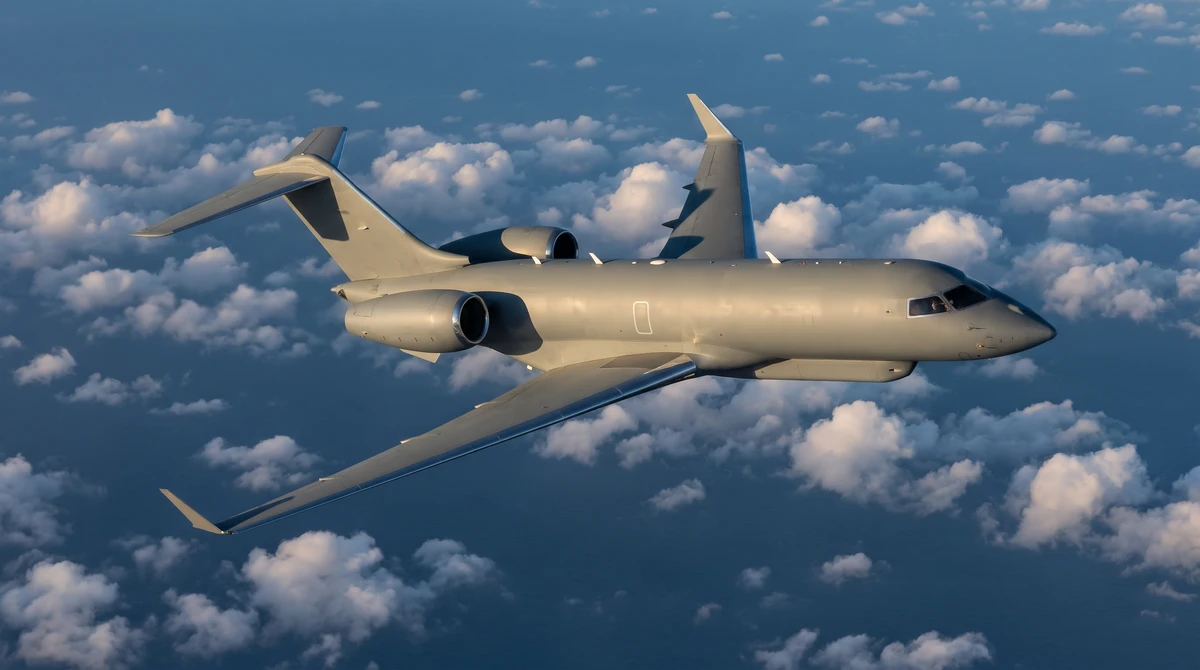
US Army's HADES Spy Jet Flies for the First Time, a Global 6500 Replacing Turboprop ISR
The US Army said on October 30 that HADES Prototype 1, an airborne intelligence aircraft built on a modified Bombardier Global 6500 business jet, made its first flight on September 11, moving the program into mission system integration and developmental flight testing.
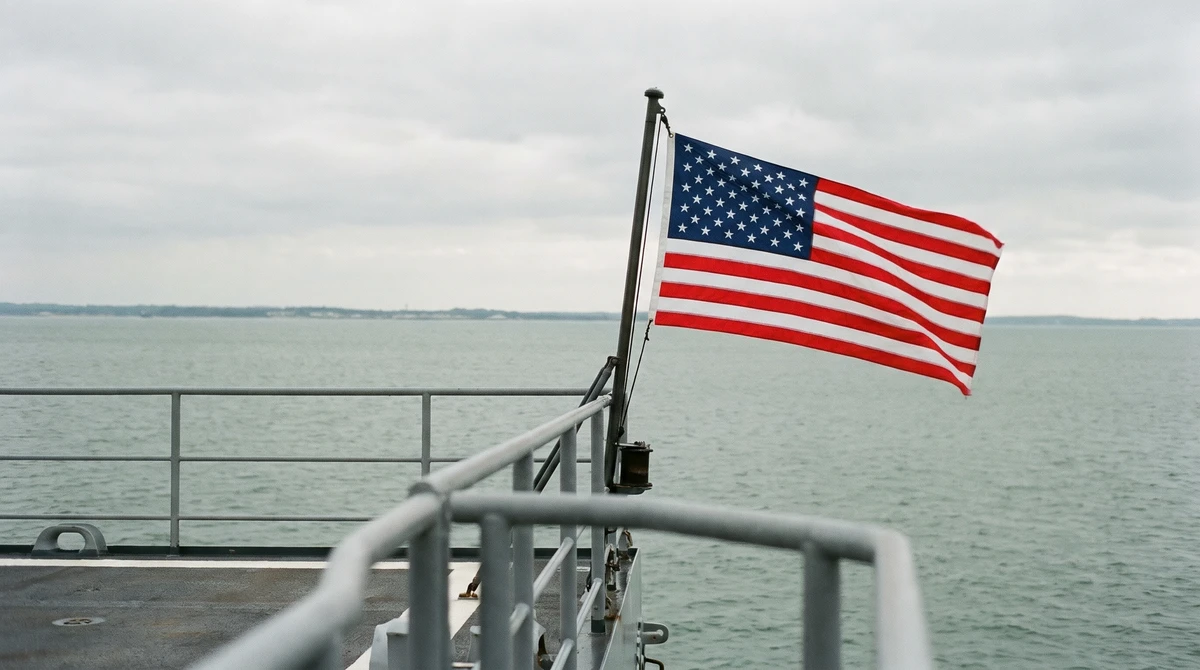
Hanwha Philly Shipyard Selected to Build Its First US Navy Ship, a $269 Million Medium Landing Ship
Hanwha Defense USA said on Oct. 29 that TOTE Services had chosen its Philly Shipyard to build one Medium Landing Ship for the US Navy and Marine Corps under TOTE's $2.2 billion construction-management contract, with options for three more vessels.
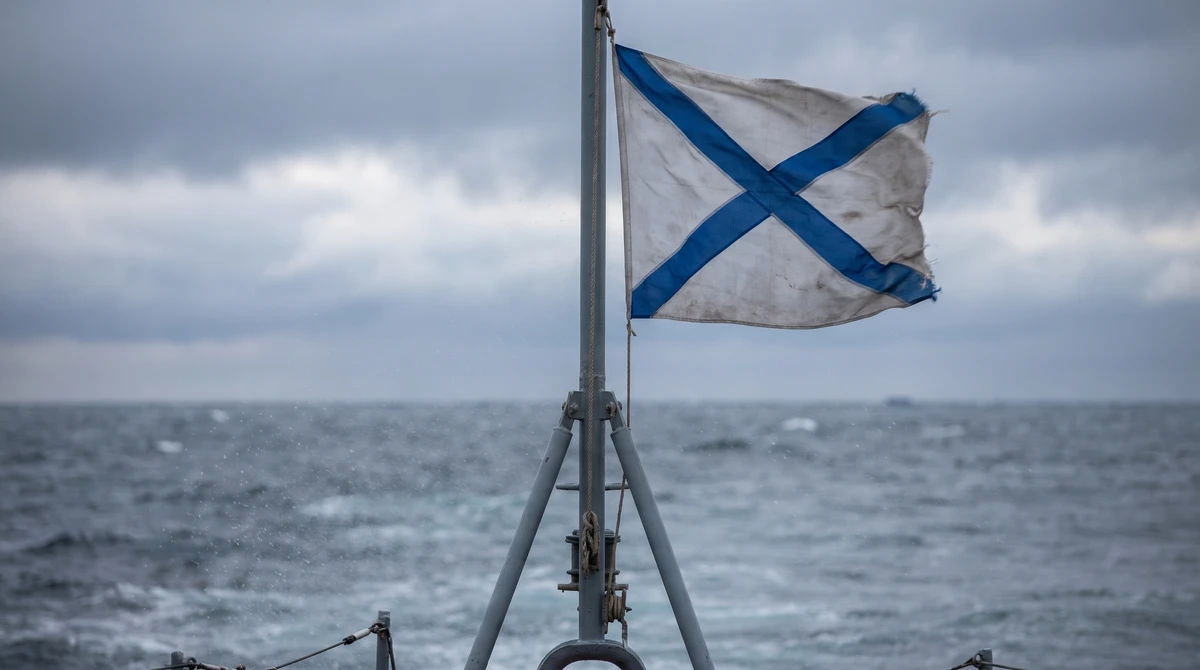
Russia Says Pacific Fleet Submarine Generalissimus Suvorov Fired Bulava Missile From Sea of Okhotsk
The Borey-class submarine Generalissimus Suvorov launched a Bulava intercontinental ballistic missile from a submerged position in the Sea of Okhotsk on October 28, the Russian Ministry of Defence said, in what the Russian Strategic Nuclear Forces project calls a rare Pacific Fleet firing.
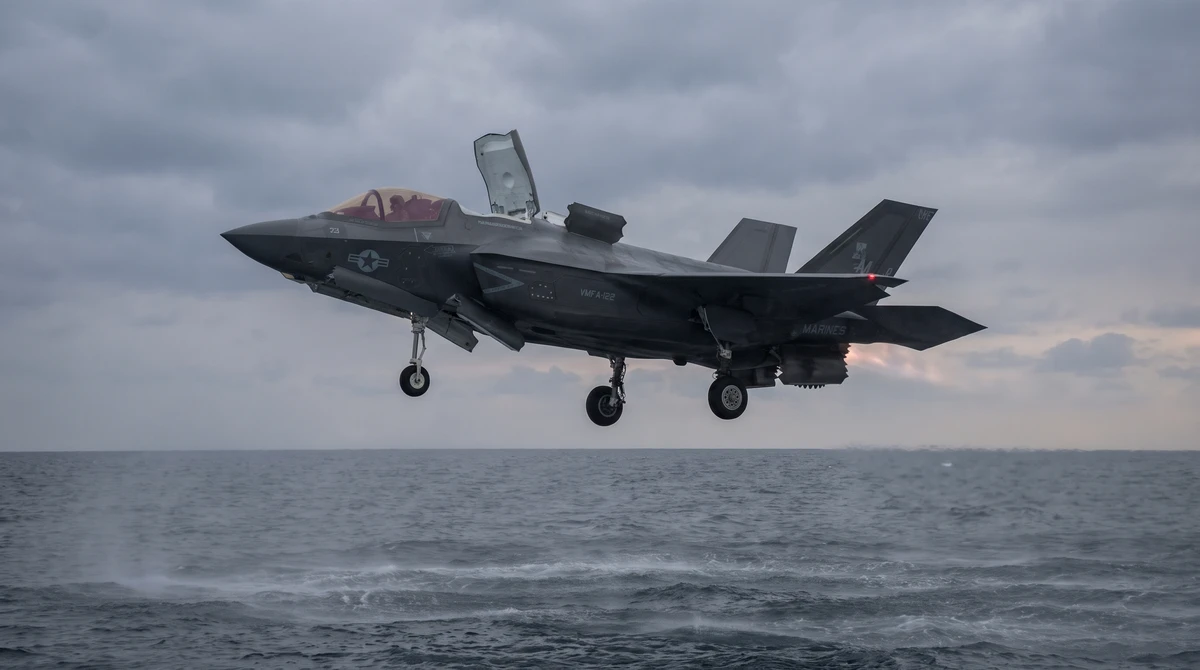
How the F-35B Lift Fan Hovers a Supersonic Jet Where the Harrier Needed Four Swiveling Nozzles
Twenty-five years after the Joint Strike Fighter award of 26 October 2001, how the F-35B's shaft-driven lift fan lets a supersonic fighter land vertically where the Harrier used four swiveling nozzles, and what the fan costs it in fuel, payload and price.
UK to Require Overseas Defense Suppliers to Invest Up to 100% of Contract Value in Britain From April 2027
The UK will require overseas firms winning defense contracts of £50 million or more to invest up to the full contract value in British jobs, factories and technology from April 2027, under an offset policy announced on 30 October 2026 that will not normally cover government-to-government deals.

Switzerland Shortlists Barak MX and SAMP/T NG for Second Long-Range Air Defense System, Keeps Patriot
The Federal Council on October 28 tasked the DDPS with continuing the evaluation of Israel's Barak MX and France's SAMP/T NG as a second long-range ground-based air defense system, to be fielded alongside a Patriot acquisition Bern says it will maintain despite delivery delays.