USS Georgia Comes Home for the Last Time as the Navy's Tomahawk Arsenal Submarines Bow Out
The Ohio-class guided-missile submarine USS Georgia returned to Naval Submarine Base Kings Bay on July 27, 2026 from the last operational deployment of her career. The Navy has since deferred her inactivation to July 2027 at Norfolk. Her three sister SSGNs follow by fiscal 2029.
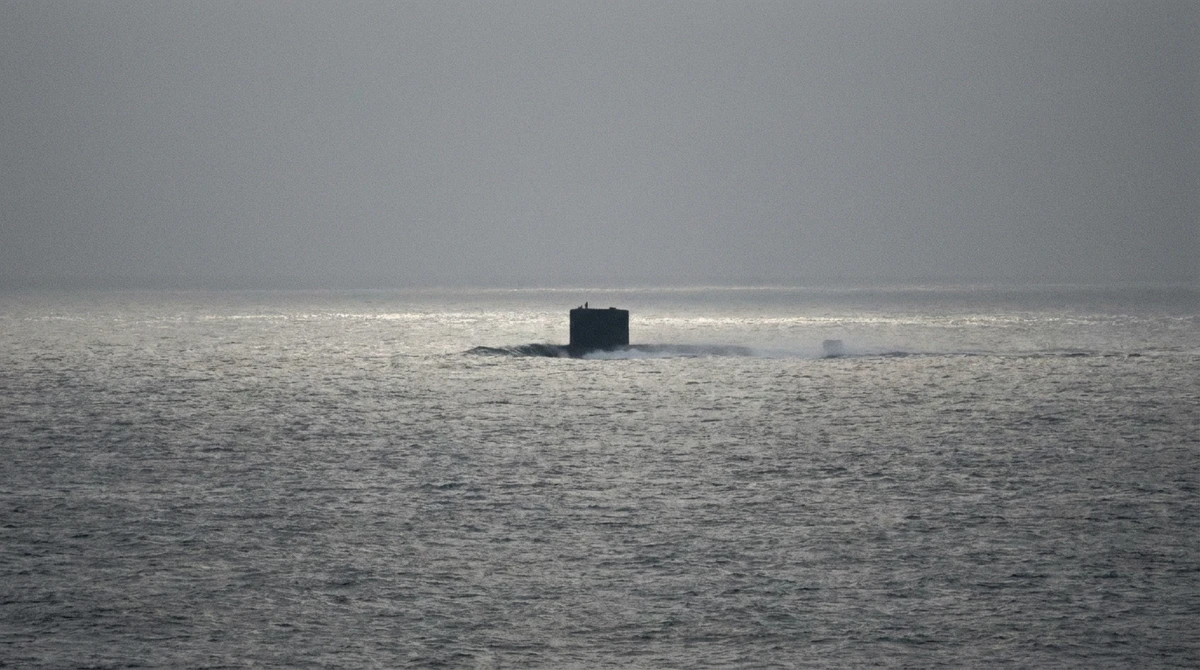
The guided-missile submarine USS Georgia (SSGN-729) returned to her homeport at Naval Submarine Base Kings Bay, Georgia, on July 27, 2026, completing the last operational deployment of her career. The Navy initially listed her inactivation as beginning on July 31, 2026, but said on July 29 that she will remain at Kings Bay until she shifts homeport to Norfolk for inactivation at Norfolk Naval Shipyard in July 2027, closing out 42 years of service.
Georgia was commissioned in 1984 as the fourth boat of the Ohio class, built to carry Trident ballistic missiles. She was one of four hulls converted in the 2000s from strategic deterrent patrols to conventional strike and special operations work, returning to the fleet in her new configuration in 2008. The conversion produced a magazine that can be fitted with as many as 154 Tomahawk land-attack cruise missiles, though the boats typically deploy carrying around 100.
That capacity has no equivalent elsewhere in the fleet, which is what makes the retirement schedule consequential. Georgia is the first of the four SSGNs to go. USS Ohio, USS Florida and USS Michigan are set to follow in fiscal years 2027, 2028 and 2029 respectively, removing the Navy's highest-capacity conventional strike platform from service inside four years.
There is no direct replacement in the shipbuilding pipeline. Virginia-class Block V attack submarines fitted with the Virginia Payload Module will carry up to 40 Tomahawks each, roughly a quarter of an SSGN's maximum load, with the first expected in service in 2028. Virginia-class boats can also support special operations missions, but not at the scale the converted Ohios offered, and each SSGN retirement therefore has to be offset by several attack boats to hold the same magazine depth.
GMN inventory data records all 18 Ohio-class hulls in US Navy service: 14 ballistic missile submarines and the four SSGNs. The ballistic missile half of the class has a designated successor in the Columbia program. The SSGN half does not, and its withdrawal removes a combined magazine of up to 616 Tomahawk cells from the US Navy's order of battle — a subtraction that lands on a force that still sits at the top of the global military power ranking largely on the strength of its undersea and strike capacity.
The SSGN conversion was itself a product of arms-control arithmetic rather than a clean-sheet requirement. Four of the oldest Ohio-class boats were surplus to strategic deterrent needs, and rebuilding them as cruise-missile carriers gave the Navy a platform that could sit undetected off a coast with a magazine larger than a surface combatant's. The type went on to become a routine feature of crisis deployments, with the Navy periodically publicizing the boats' arrival in a theater as a signal in itself.
Georgia stays at Kings Bay until the homeport change to Norfolk, where the inactivation is now scheduled for July 2027. She is listed for disposal under the Ship-Submarine Recycling Program at Puget Sound Naval Shipyard, where reactors are removed and the hull decontaminated and broken up. USS Ohio is scheduled to follow in fiscal 2027.
More News
All news →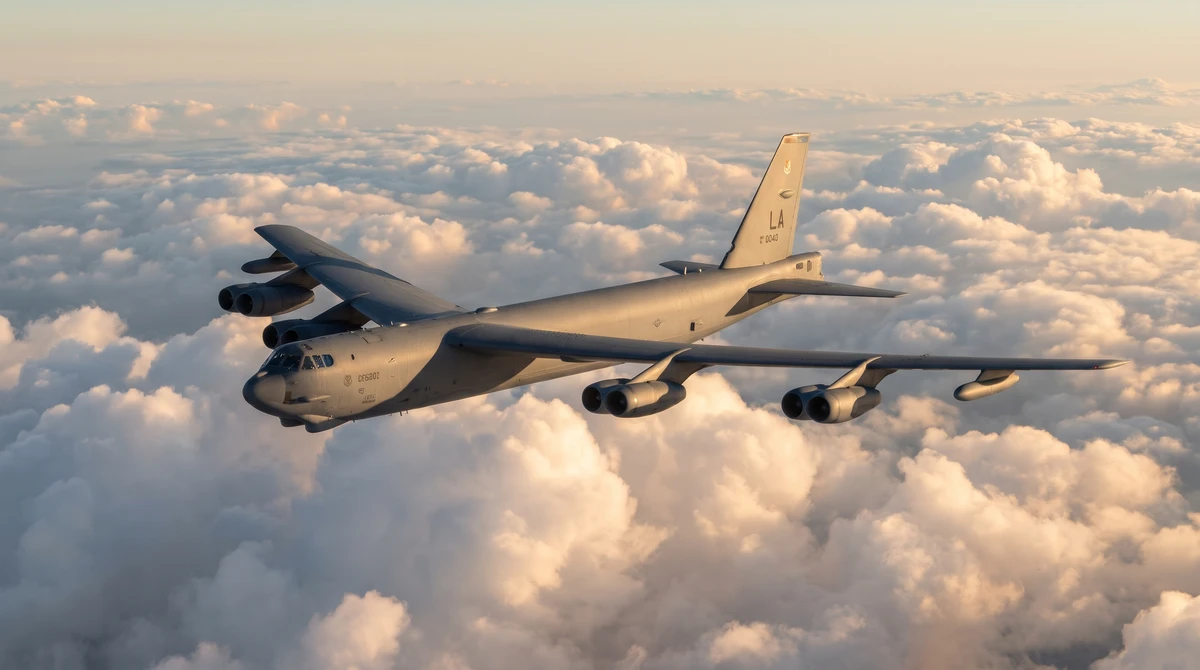
ARRW Hypersonic Missile Enters Production as U.S. Fields 140 Bombers, Russia 116 and China 219 H-6s
The Department of the Air Force has moved the AGM-183A hypersonic missile into production for a U.S. bomber force of 140 aircraft, which GlobalMilitary.net's inventory sets against Russia's 116 bombers and China's 219 H-6s.
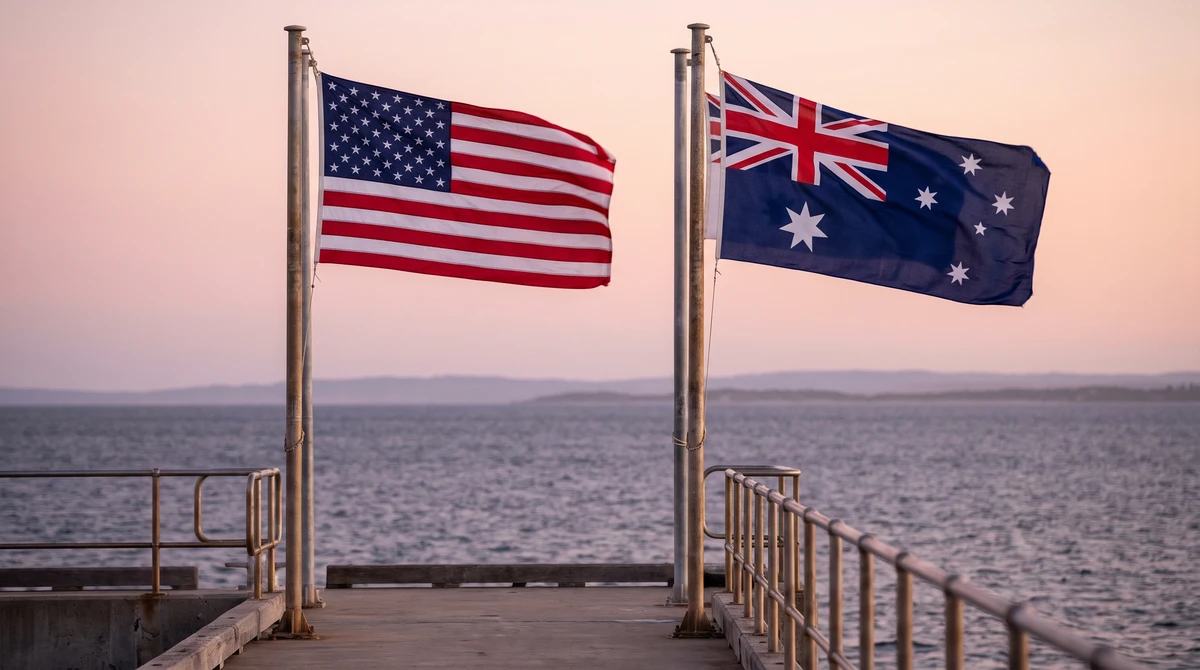
USS Colorado to Be First Virginia-Class Submarine Rotated to Australia Under AUKUS From Late 2027
The United States, Australia and the United Kingdom said on October 26, 2026 that USS Colorado (SSN 788) will be the first U.S. Navy Virginia-class attack submarine assigned to Submarine Rotational Force-West at HMAS Stirling, Western Australia, beginning in late 2027.
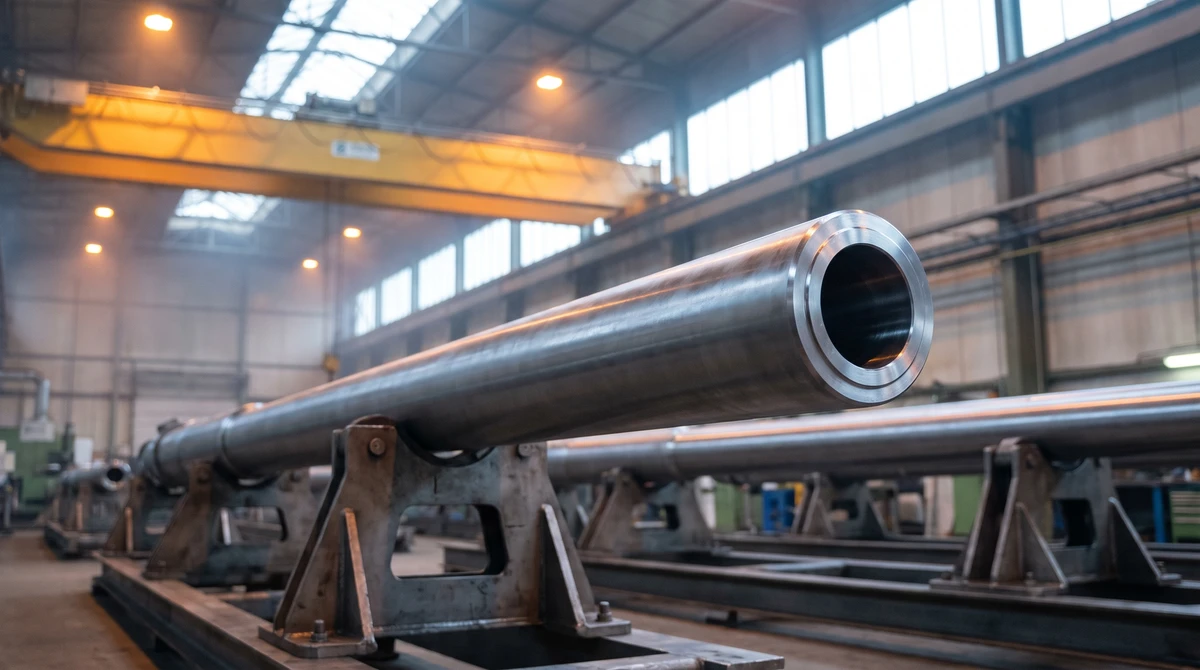
Why 52-Caliber Howitzers Outrange the M777 as the UK and US Move to Make More 155mm Barrels
As the UK restarted 155mm barrel production on October 22, 2026 and the US Army sought new makers for its M777 and Paladin tubes, the reach of a howitzer comes down to barrel length in calibers first, then to what the shell itself can do.
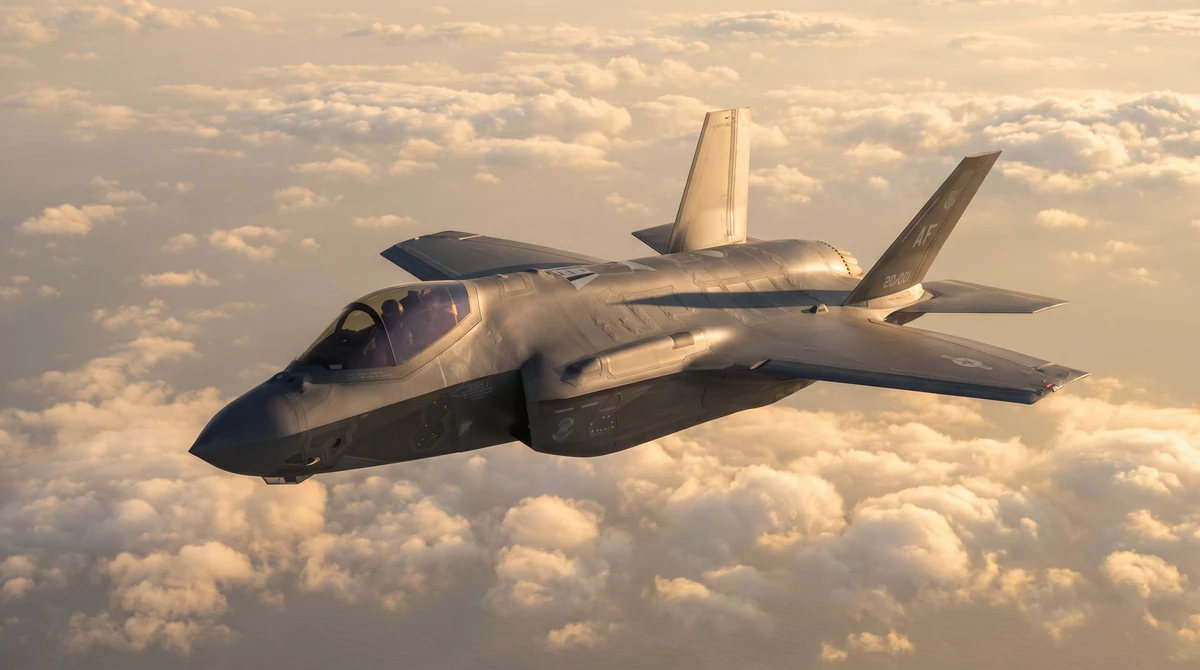
F-35 at 25: The 2001 Joint Strike Fighter Award Promised 3,000 Jets and a First Delivery in 2008
Twenty-five years after the Pentagon chose the Lockheed Martin-led team to build the Joint Strike Fighter on October 26, 2001, Lockheed counts more than 1,375 F-35s fielded, the Joint Program Office lists 20 partner and customer nations, and production lots 20 and higher remain under negotiation.
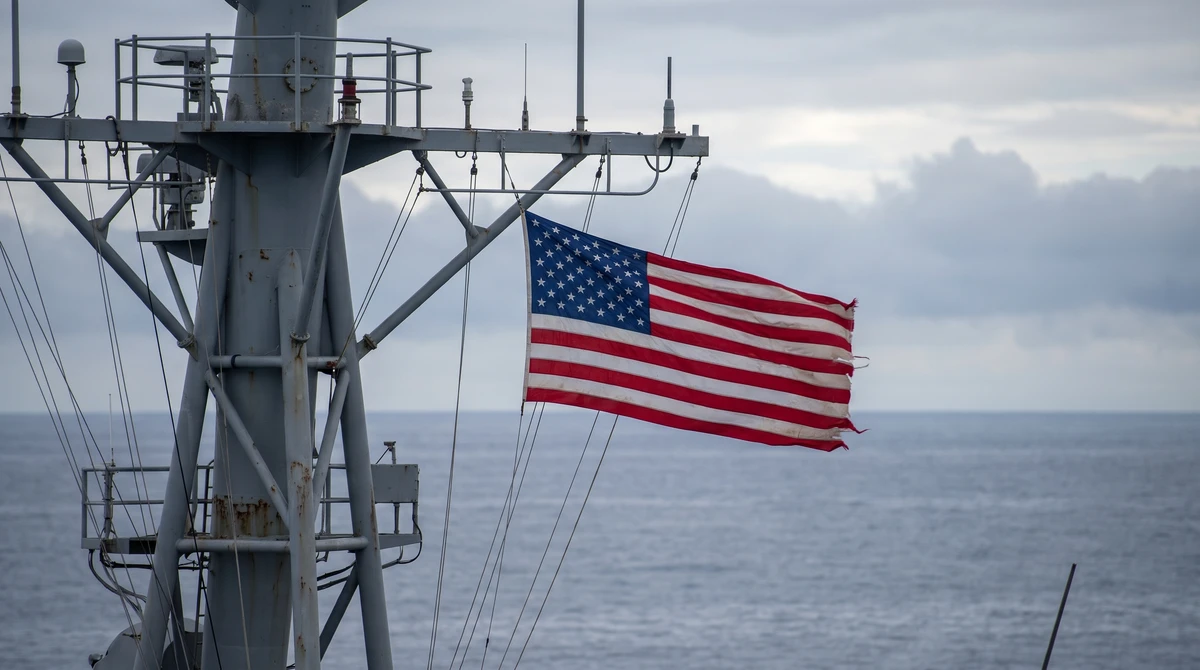
USS Pinckney Begins US Navy's First SPY-6(V)4 Radar Installation on an Arleigh Burke Destroyer
The US Navy said on October 22 that the Arleigh Burke-class destroyer USS Pinckney (DDG 91) has entered a Depot Modernization Period at General Dynamics NASSCO in San Diego, the service's first installation of the SPY-6(V)4 radar and HESC cooling plants under the DDG MOD 2.0 program.
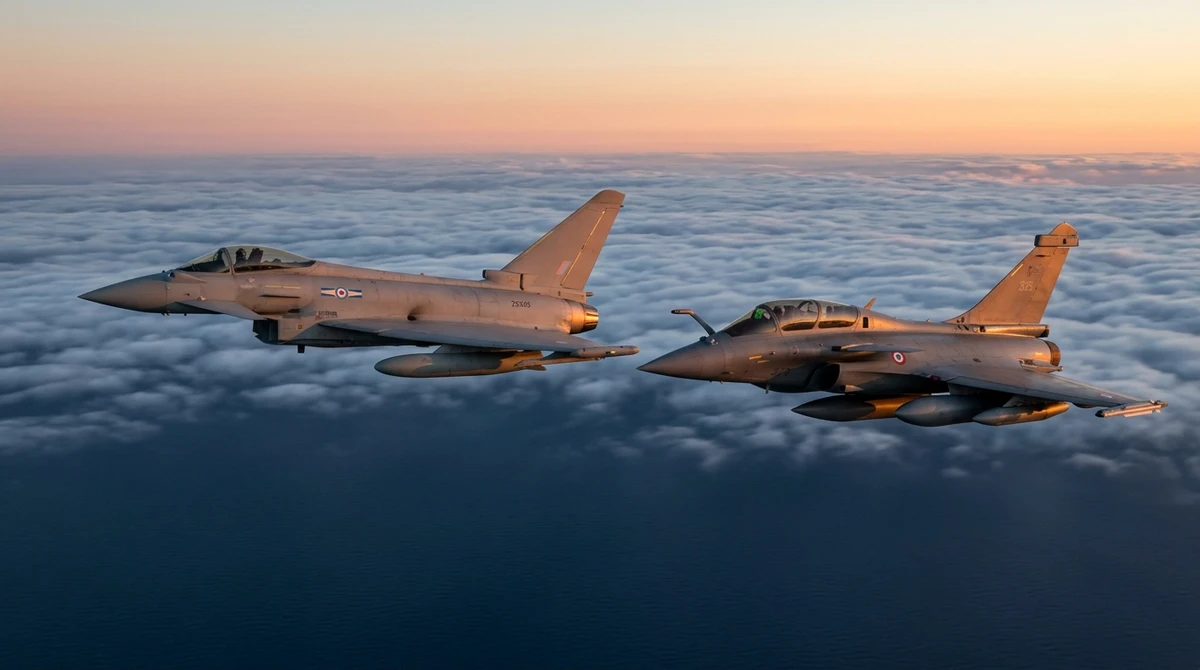
RAF Typhoons Escort French Rafales in First Joint Nuclear Strike Exercise
Royal Air Force Typhoons flew alongside French Rafales simulating a nuclear strike over the Mediterranean on 20-21 October, the first British participation in a French nuclear air exercise, the UK Ministry of Defence said on 23 October.