USS Theodore Roosevelt Becomes the First MQ-25-Ready Carrier, Three Years Ahead of the Drone
The carrier's Unmanned Air Warfare Center became fully operational in March 2026, making CVN-71 the first ship able to control the Boeing MQ-25A at sea. The tanker drone itself is not due to reach initial operational capability until February 2029, five years later than first planned.
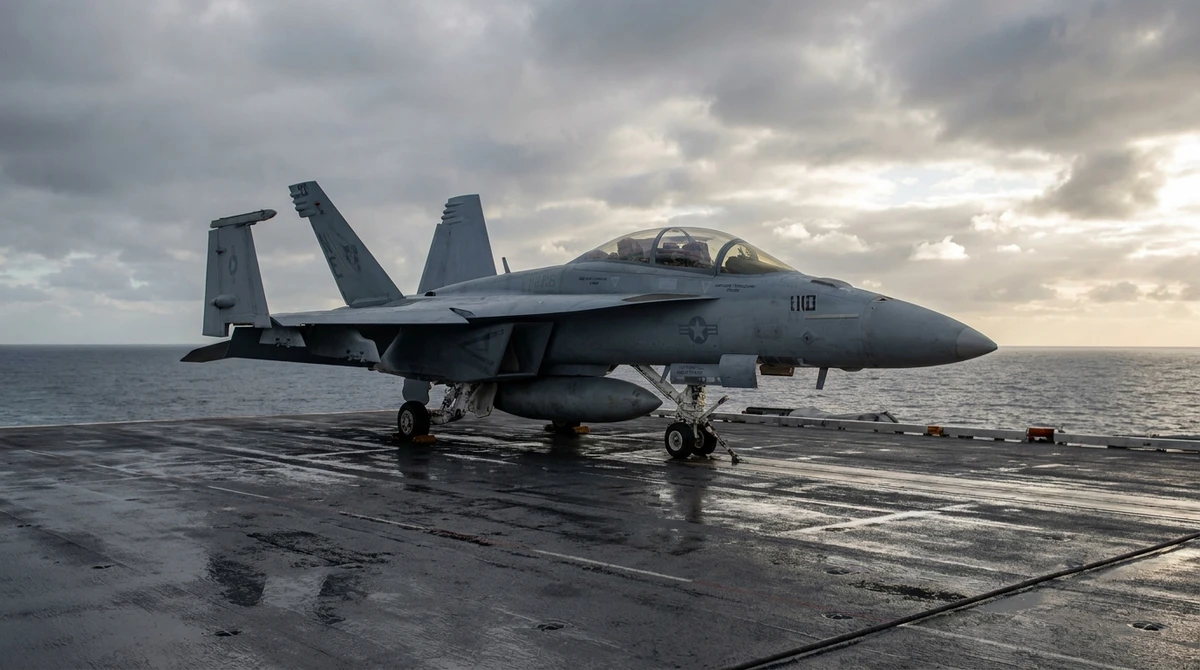
USS Theodore Roosevelt is the first US Navy supercarrier fitted with a fully operational Unmanned Air Warfare Center, the compartment from which air vehicle pilots will fly the MQ-25 Stingray tanker drone, The War Zone reported on August 8. The center aboard CVN-71 reached deployable status in March 2026, three years before the aircraft it exists to control is due to enter service.
The Unmanned Air Warfare Center is the shipboard half of the Unmanned Carrier Aviation Mission Control System, built around an MD-5E ground control station — operator consoles, displays and computing hardware — and an autonomy layer, the Multi Domain Combat System, developed by Lockheed Martin's Skunk Works. The first such center was installed aboard USS George H.W. Bush in August 2024 as a test article; USS Ronald Reagan is scheduled to receive one this month. The Navy intends to fit every Nimitz- and Gerald R. Ford-class carrier, a total of eleven ships in service today.
The drone is running well behind the ships. Boeing won the MQ-25 development contract in 2018, worth $805 million, and the T1 demonstrator has been flying since 2019, but the first production-representative aircraft did not take off until April 2026. The program cleared Milestone C for low-rate initial production in May. Initial operational capability, once targeted for 2024 and later for July 2027, has now slipped to February 2029. The Navy plans to buy 76 aircraft.
What the Stingray is meant to fix is a workload problem inside the carrier air wing. Aerial refueling is currently flown by F/A-18E/F Super Hornets configured as tankers, which consumes a substantial share of the fighter fleet's flight hours and airframe life to do a job no fighter was bought for. The MQ-25's threshold requirement is to pass 15,000 pounds of fuel to receivers 500 nautical miles from the carrier, extending the reach of the Super Hornet, the EA-18G Growler and the F-35C without asking the ship to close the coast.
Fitting the control centers ahead of the aircraft is not wasted effort. Carrier modification work has to be scheduled around maintenance availabilities and deployment cycles, so a ship that misses its window waits years for the next one. Installing the compartments now means the hardware is aboard, certified and manned by the time the drone is cleared — and the deadline is real: the US Navy operates ten Nimitz-class carriers and one Ford-class ship, with USS John F. Kennedy due to commission in 2027, and each needs the fit before it can generate unmanned tanking sorties.
The remaining integration steps are being worked through in parallel. The first connection between an MQ-25A and the control system was made in October 2025 during ground testing, and a shipboard command-and-control network evaluation was run aboard USS Abraham Lincoln earlier this year. Deck handling, launch and recovery trials with a live aircraft are the next major hurdle for a design that has never landed on a carrier.
More News
All news →
Chile Opens Search for a Replacement of Its 50-Year-Old F-5 Tiger III Fighters
Chile's defense minister announced in Punta Arenas on September 24 that the Chilean Air Force has formally begun the process of replacing its F-5E/F Tiger III fighters, in service since 1976, within a package that also covers transports, helicopters, maritime patrol and Antarctic capabilities.
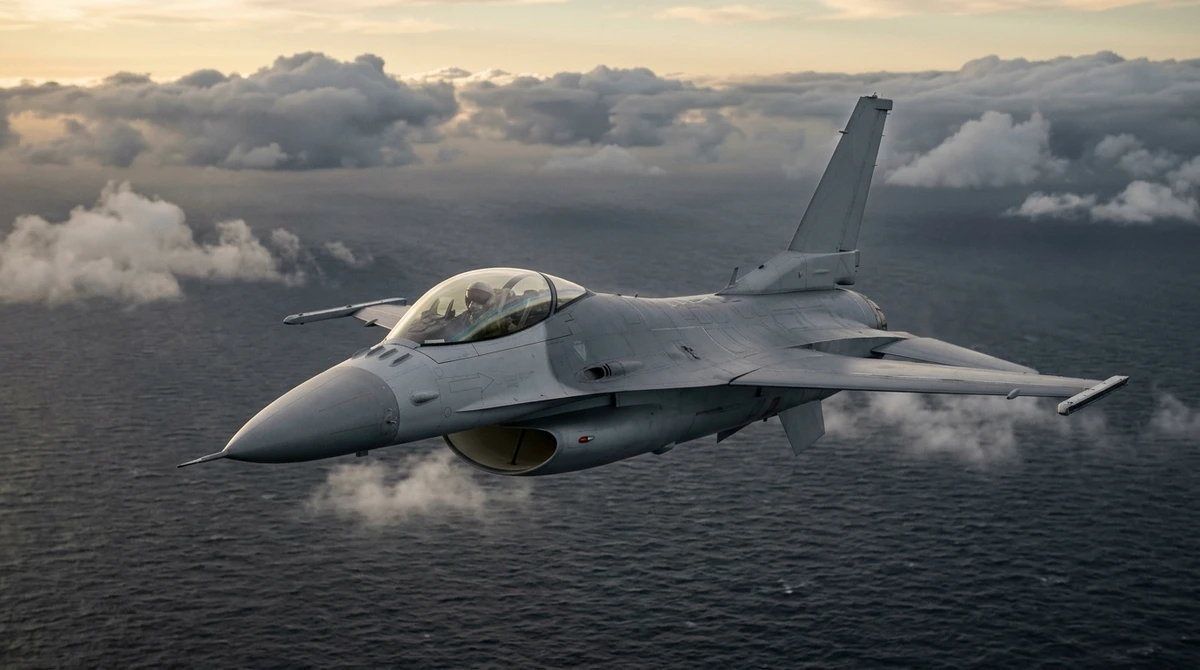
Portugal's F-16 Replacement Draws Eurofighter Bid Plan and Rafale Offer Before Any Tender Opens
Airbus said on Sept. 24 it plans an unsolicited Eurofighter Typhoon proposal to Lisbon in late October or early November, a day after Dassault disclosed a July French government Rafale submission, while Portugal has yet to open a formal tender to replace its upgraded F-16s.

Canada Signs Preliminary Deal With Saab for Six GlobalEye Early-Warning Aircraft
Saab and Canada's Defence Investment Agency signed a non-binding term sheet on September 25, 2026, setting the framework for negotiations on six GlobalEye airborne early warning aircraft for the Royal Canadian Air Force.
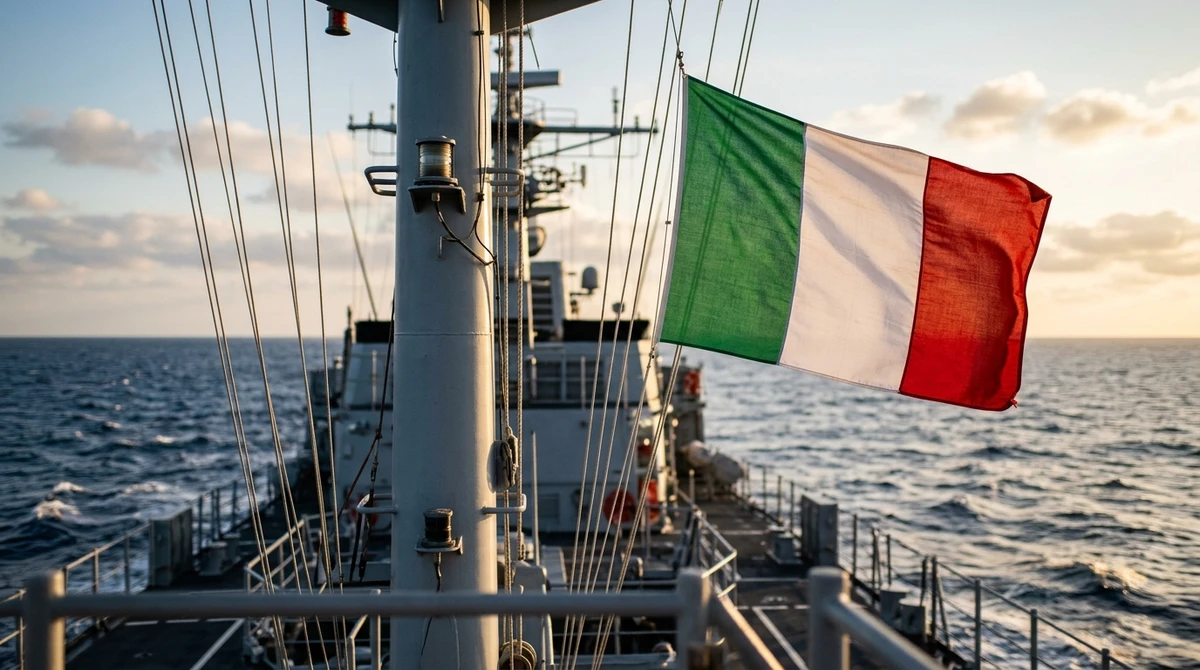
Italy Orders Two 13,500-Tonne DDX Destroyers, Nearly Twice the Size of Its Horizon Class
Orizzonte Sistemi Navali, the Fincantieri-Leonardo joint venture, signed a contract worth about €3.7 billion with OCCAR on September 24 for two DDX air and missile defense destroyers for the Italian Navy, with deliveries due in 2033 and 2035.
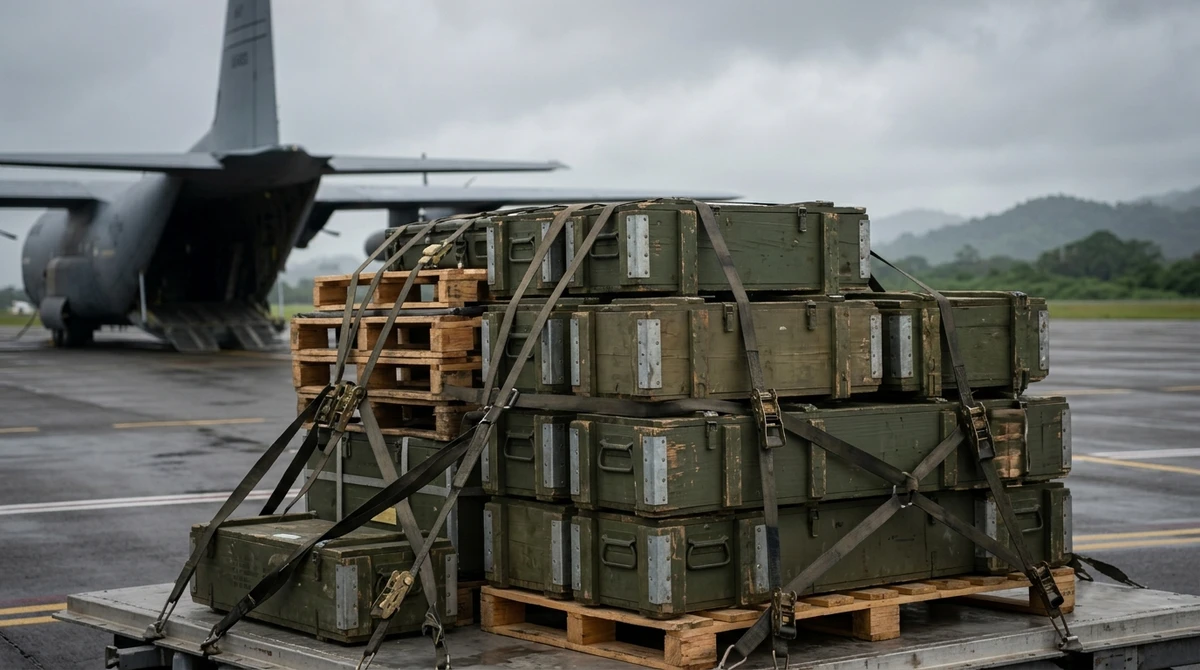
Guatemala Receives First Lot of More Than 2,000 M4A1 Carbines in First US Arms Purchase in Decades
Guatemala's army formally took delivery on 21 September 2026 of a first lot of more than 2,000 US-made M4A1 carbines at La Aurora International Airport in Guatemala City, the opening tranche of a US$5 million Foreign Military Sales order for a new jungle brigade in Petén.
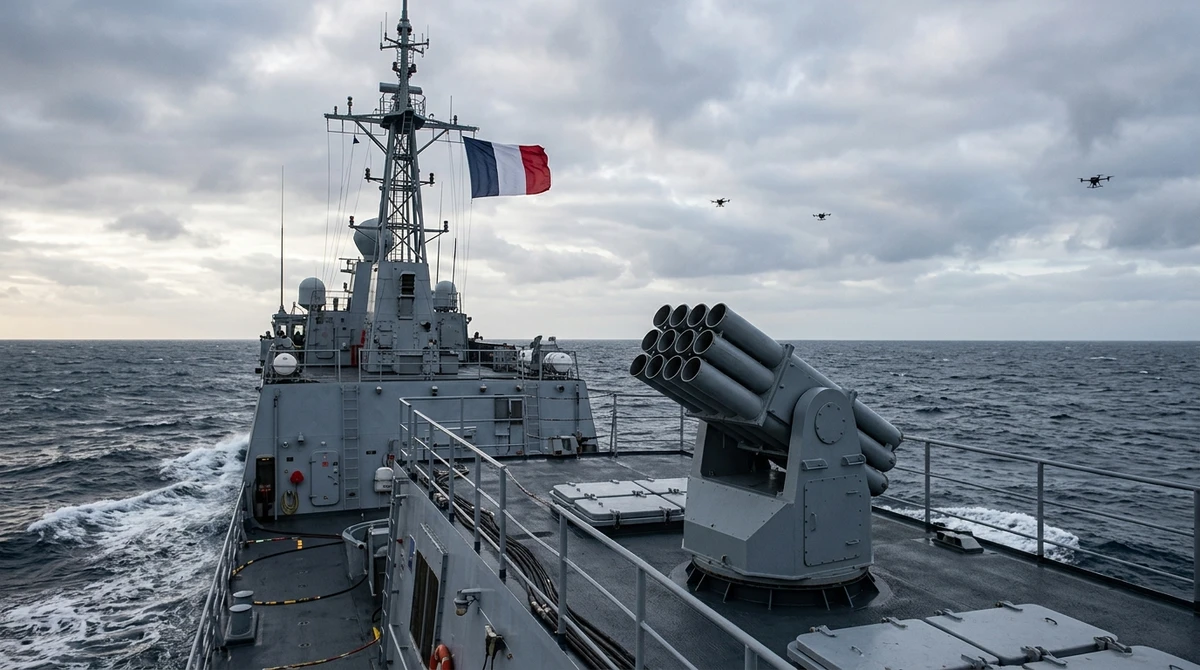
Naval Group's Rampart Counter-Drone Launcher Fitted to French Mistral-Class Ship Ahead of Sea Trials
Naval Group's modular Rampart close-in weapon system was spotted aboard a French Navy Mistral-class amphibious assault ship in Toulon, according to reports of September 22, 2026, ahead of a first at-sea firing campaign scheduled for October during the counter-drone exercise WildFire.