
Bolivian Air Force
The Bolivian Air Force operates 69 military aircraft in 2026 — 4 combat aircraft (fighter and attack jets), 28 helicopters, 15 transport aircraft, 16 trainers. It ranks #82 of 160 air forces worldwide.
Full inventory in 2026
20 aircraft typesBolivian Air Force
| Aircraft | Origin | Model year | Active | Δ YoY | Ordered | |
|---|---|---|---|---|---|---|
| Combat | ||||||
|
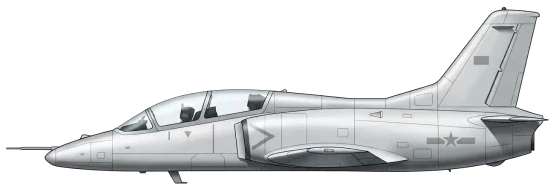
JL-8 |
🇨🇳 China 🇵🇰 Pakistan |
1994 | 4 | — | — |
| Helicopter | ||||||
|
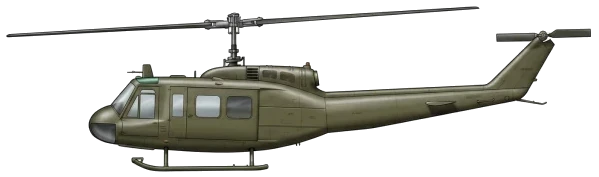
UH-1 Iroquois "Huey" | 🇺🇸 United States | 1959 | 11 | — | — |
|
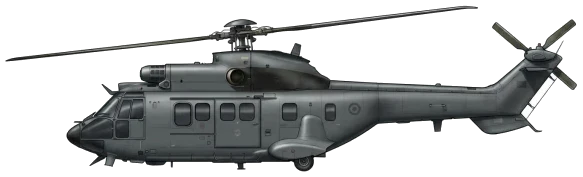
H215M / AS532 Cougar |
🇩🇪 Germany 🇫🇷 France |
1978 | 6 | — | — |
|
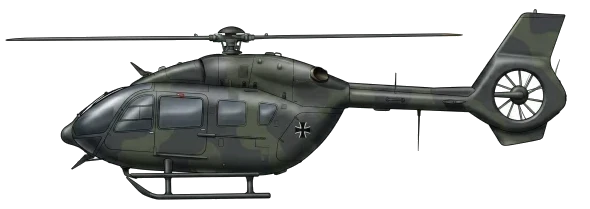
H145M / EC645 | 🇫🇷 France | 2002 | 3 | +1 | — |
|
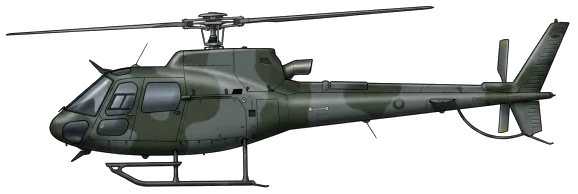
H125M / AS550 Fennec | 🇫🇷 France | 1990 | 2 | — | — |
|
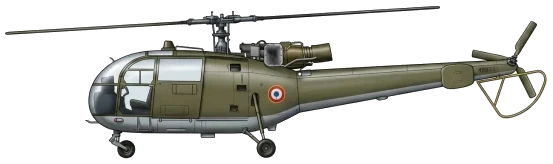
SA316 Alouette III | 🇫🇷 France | 1961 | 1 | — | — |
| Transport | ||||||
|
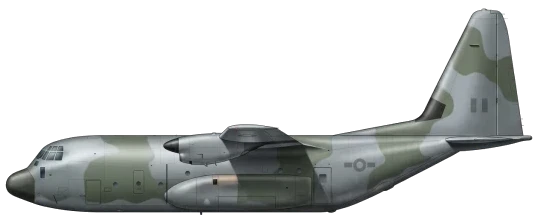
C-130 Hercules | 🇺🇸 United States | 1956 | 3 | -1 | — |

|
210 Centurion | 🇺🇸 United States | 1957 | 2 | +2 | — |
|
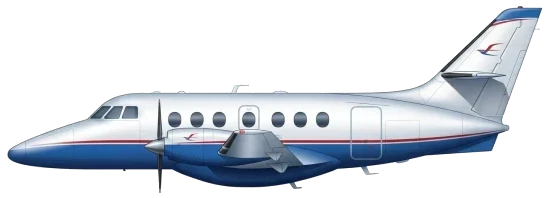
Jetstream 31 | 🇬🇧 United Kingdom | 1982 | 2 | — | — |

|
Learjet 35 | 🇨🇦 Canada | 1973 | 2 | — | — |
|
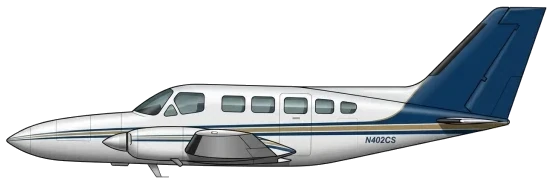
Cessna 402 | 🇺🇸 United States | 1967 | 1 | — | — |
|
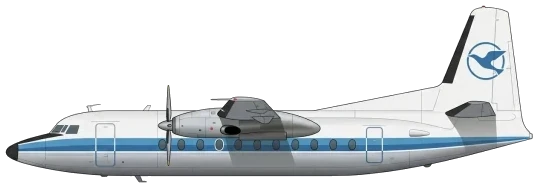
F27 Friendship | 🇳🇱 Netherlands | 1958 | 1 | +1 | — |
|
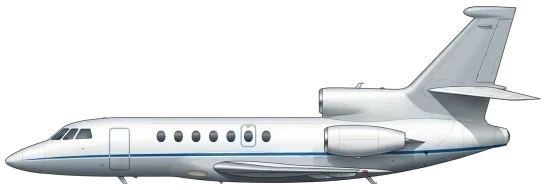
Falcon 50 | 🇫🇷 France | 1979 | 1 | +1 | — |
|
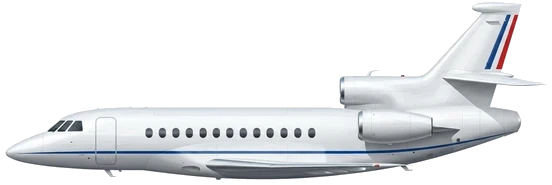
Falcon 900 | 🇫🇷 France | 1986 | 1 | +1 | — |
| Training | ||||||
|
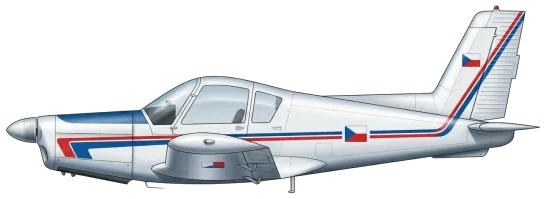
Zlin Z 42 | 🇨🇿 Czechia | 1970 | 8 | — | — |
|
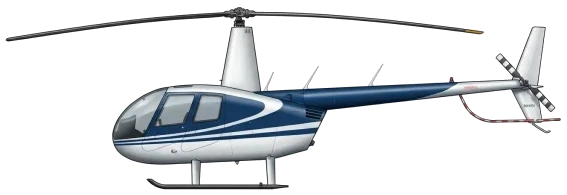
Robinson R44 Raven | 🇺🇸 United States | 1993 | 6 | +1 | — |
|
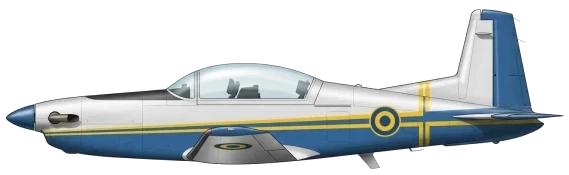
PC-7 Turbo Trainer | 🇨🇭 Switzerland | 1978 | 2 | — | — |
| Other | ||||||
|
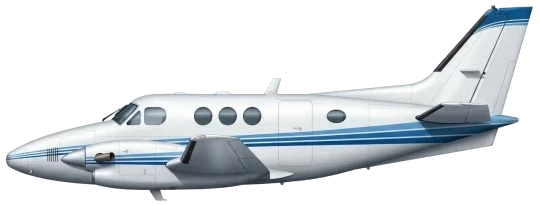
King Air 90 | 🇺🇸 United States | 1964 | 5 | — | — |
Bolivian Army
| Aircraft | Origin | Model year | Active | Δ YoY | Ordered | |
|---|---|---|---|---|---|---|
| Helicopter | ||||||
|
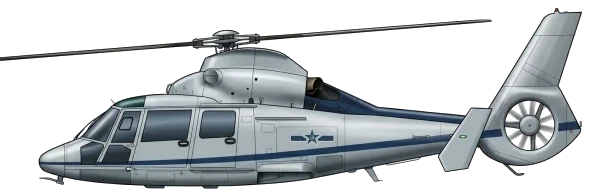
Z-9 Haitun | 🇨🇳 China | 1994 | 5 | — | — |
| Transport | ||||||
|
|
F27 Friendship | 🇳🇱 Netherlands | 1958 | 1 | — | — |
| Other | ||||||
|
|
King Air 90 | 🇺🇸 United States | 1964 | 1 | — | — |
Bolivian Navy
| Aircraft | Origin | Model year | Active | Δ YoY | Ordered | |
|---|---|---|---|---|---|---|
| Transport | ||||||
|
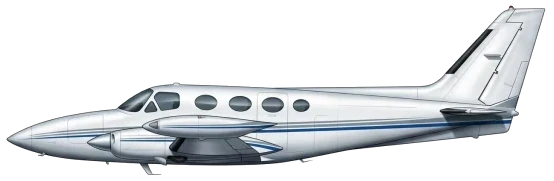
Cessna 340 | 🇺🇸 United States | 1972 | 1 | — | — |
Overview
The Fuerza Aérea Boliviana (FAB) is structured around six Air Brigades, each with subordinate air groups dispersed across strategic locations including La Paz, Cochabamba, and Santa Cruz de la Sierra. This organizational structure provides geographic coverage for its primary missions.
The FAB’s strategic doctrine centers on internal security, border and resource surveillance, and providing logistical support for national development and state-run entities. Its conventional warfare capability is limited, and it is not structured for significant power projection beyond its borders. Operational capabilities are primarily focused on air transport, logistical support for ground forces, reconnaissance, and limited air-to-ground attack. The air force lacks a credible air defense component, a weakness highlighted by the absence of modern interceptor aircraft.
Recent modernization has been centered on improving airspace control and surveillance. In 2023, the FAB fully implemented the Thales Integrated Air Defense and Air Traffic Control System (Sidacta), a significant step in monitoring national airspace. However, the force’s ability to act on this information remains a critical gap, as its combat fleet is limited to a small number of Hongdu K-8W Karakorum light attack/trainer jets and armed Pilatus PC-7 trainers. Following the retirement of its T-33 fleet in 2017, the FAB has been without a dedicated interceptor platform.
Modernization plans aim to address these deficiencies. The force has stated its intent to acquire new transport aircraft, trainers, and versatile helicopters to support both military and civil emergency functions. Additionally, there is an ongoing effort to select a suitable interceptor model to complement the Sidacta system, with decisions anticipated. To address evolving threats, the armed forces have also established a Cyberdefense department and are integrating cybersecurity into military training. The acquisition of drones for all branches of the armed forces is also planned to enhance surveillance and reconnaissance capabilities.
Frequently Asked Questions
How many aircraft does Bolivia have?
How does Bolivia's air force rank globally?
How many combat aircraft does Bolivia operate?
How many military helicopters does Bolivia have?
What is the AIRS Index score of Bolivia?
Where does Bolivia get its military aircraft from?
- SEP 232026 Updated Falcon 900EX presidential jet added to the Air Force inventory.
- SEP 82026 Updated Logged 1 crash from 2023
- JUL 272026 Updated Added Cessna 210
- JUL 252026 Updated Fleet event recorded: Cessna 210 crashed in Cochabamba Department under unknown circumstances; all six on board killed.
- APR 72026 Updated Fleet event revised
- MAR 12026 Updated Fleet event recorded
- FEB 272026 Updated 20 inventory entries added across 19 aircraft types