
Cuban Revolutionary Air Force
The Cuban Revolutionary Air Force operates 20 military aircraft in 2026 — 13 helicopters, 4 transport aircraft, 3 trainers. It ranks #130 of 162 air forces worldwide.
Full inventory in 2026
6 aircraft typesCuban Revolutionary Air and Air Defense Force
| Aircraft | Origin | Model year | Active | Δ YoY | Ordered | |
|---|---|---|---|---|---|---|
| Combat | ||||||
|
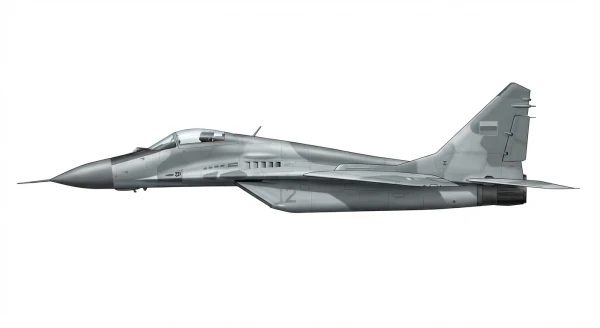
MiG-29 | 🇷🇺 Ex-USSR | 1983 | — | — | — |
|
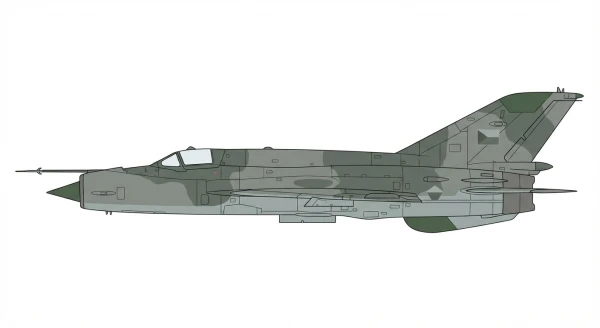
MiG-21 | 🇷🇺 Ex-USSR | 1958 | — | -11 | — |
| Helicopter | ||||||
|
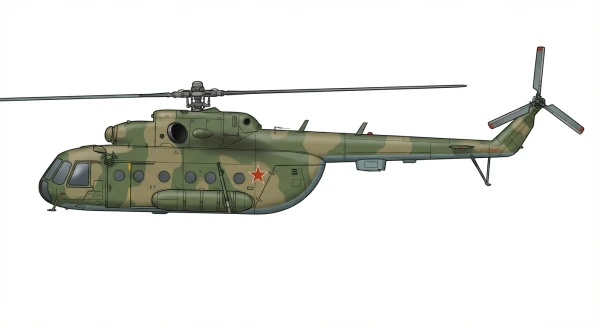
Mil Mi-17 | 🇷🇺 Ex-USSR | 1977 | 7 | +7 | — |
|
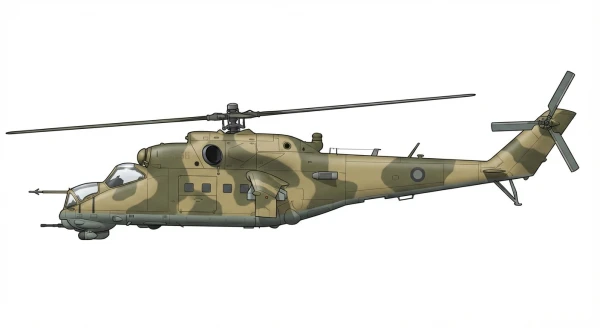
Mil Mi-24 | 🇷🇺 Ex-USSR | 1972 | 4 | +4 | — |
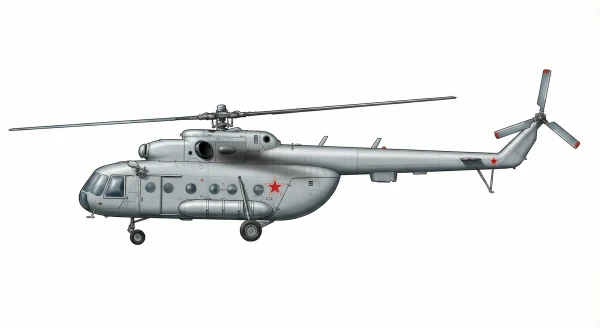
|
Mil Mi-8 | 🇷🇺 Ex-USSR | 1967 | 2 | +2 | — |
| Transport | ||||||
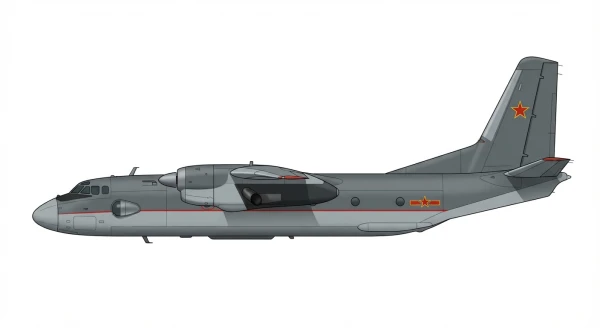
|
Antonov An-26 | 🇷🇺 Ex-USSR | 1969 | 3 | +3 | — |
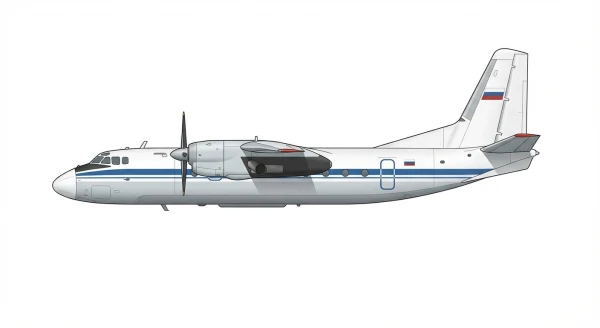
|
Antonov An-24 | 🇺🇦 Ukraine | 1962 | 1 | +1 | — |
| Training | ||||||
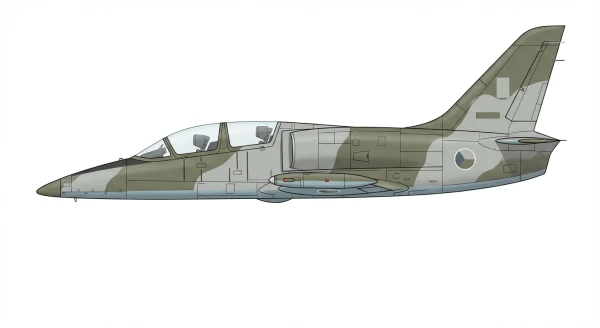
|
Aero L-39 | 🇨🇿 Czechia | 1972 | 3 | +3 | — |
Overview
The Cuban Revolutionary Air and Air Defense Force (DAAFAR) has undergone one of the most dramatic declines of any air force in Latin America. During the Cold War, Cuba fielded one of the region's most formidable air arms, with over 200 combat aircraft supplied by the Soviet Union, including MiG-21, MiG-23, and MiG-29 fighters. The collapse of the USSR in 1991 eliminated Cuba's primary source of spare parts, fuel, and technical support, triggering a steady and irreversible erosion of combat capability. By 2026, all fixed-wing combat aircraft have been retired from active service, leaving the DAAFAR without any operational fighter or strike capability.
The remaining operational fleet is limited to a small contingent of support aircraft. The helicopter force—comprising Mi-17 Hip-H utility helicopters, Mi-8 Hip transports, and Mi-24 Hind attack helicopters—represents the most active aviation element. A handful of L-39 Albatros jet trainers remain airworthy for pilot training at San Antonio de los Baños, the force's primary airfield, while a few An-26 Curl and An-24 Coke turboprops provide limited airlift capacity. The military-affiliated Aerogaviota airline supplements transport and VIP flights.
Unable to sustain a credible fighter deterrent, Cuba has shifted its strategic focus entirely to ground-based air defense. The most significant modernization effort is the upgrade of Soviet-era S-125 Pechora surface-to-air missile systems into the mobile Pechora-2BM variant, carried out with technical assistance from Belarus. Confirmed in May 2025, this program mounts the SAM systems on T-55 tank chassis for shoot-and-scoot mobility, with new electronics, improved radar guidance, and extended missile service life. While this upgrade extends the viability of Cuba's air defense network, the DAAFAR's overall posture remains purely defensive, reflecting decades of economic constraints, the enduring US embargo, and the absence of any viable path to fleet renewal.
Frequently Asked Questions
How many aircraft does Cuba have?
How does Cuba's air force rank globally?
How many military helicopters does Cuba have?
What is the AIRS Index score of Cuba?
Where does Cuba get its military aircraft from?
- SEP 82026 Updated Logged 1 crash from 2024
- MAR 92026 Updated Air force overview updated
- MAR 82026 Updated 9 aircraft types added; 11 aircraft types removed; active count updated across 4 entries
- JAN 262026 Updated 12 inventory entries added across 11 aircraft types
- JUN 272025 Updated Air force overview reviewed and updated