
Lebanese Air Force
The Lebanese Air Force operates 64 military aircraft in 2026 — 47 helicopters, 3 transport aircraft, 14 trainers. It ranks #122 of 162 air forces worldwide.
Full inventory in 2026
8 aircraft typesLebanese Air Force
| Aircraft | Origin | Model year | Active | Δ YoY | Ordered | |
|---|---|---|---|---|---|---|
| Helicopter | ||||||
|
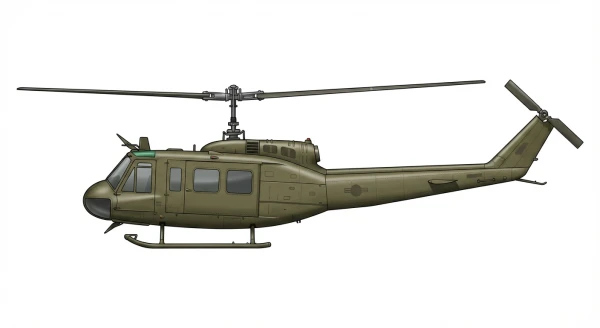
UH-1H | 🇺🇸 United States | 1959 | 28 | -1 | — |
|
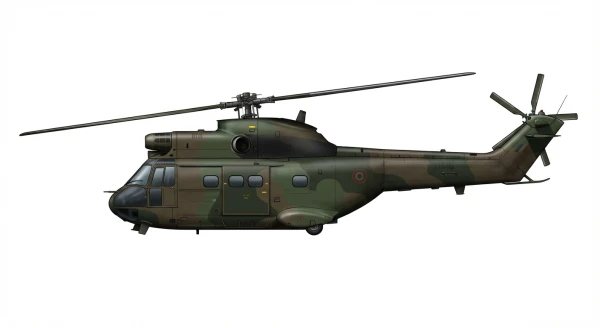
SA330 | 🇫🇷 France | 1968 | 7 | -1 | — |
|
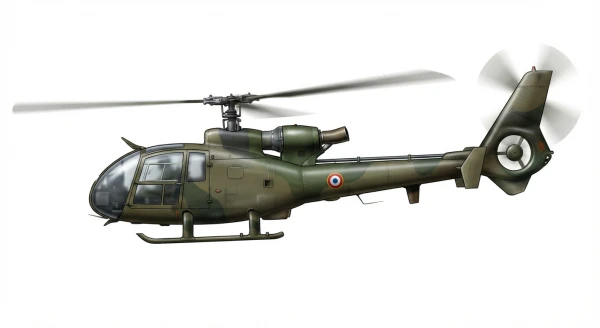
SA342 | 🇫🇷 France | 1971 | 7 | — | — |
|
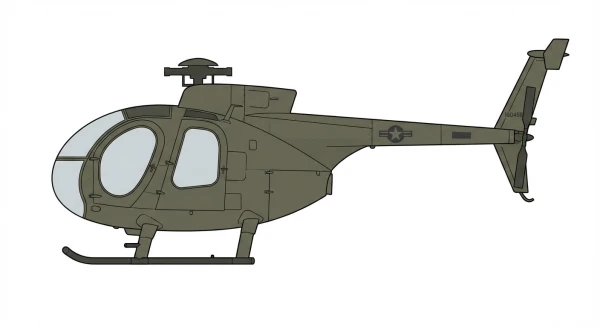
MD530F | 🇺🇸 United States | 1967 | 5 | — | — |
| Transport | ||||||
|
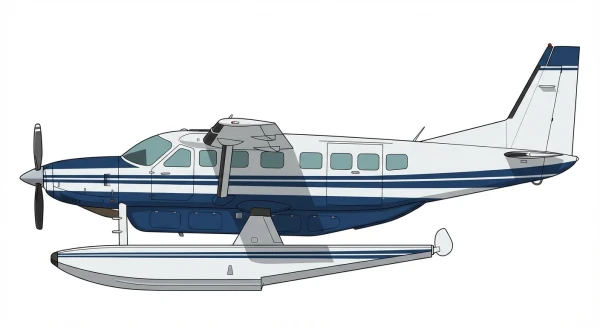
AC-208 | 🇺🇸 United States | 1984 | 3 | — | — |
| Training | ||||||
|
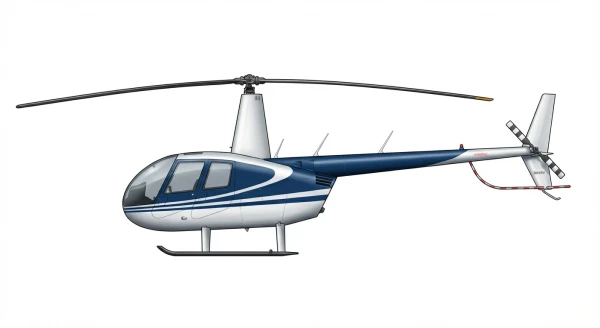
R44 | 🇺🇸 United States | 1993 | 6 | — | — |
|
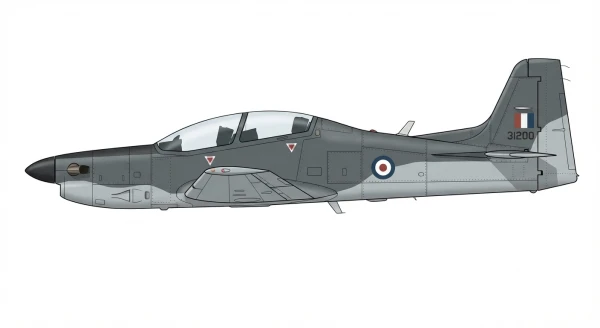
EMB-314 (A-29) | 🇧🇷 Brazil | 1983 | 5 | — | — |
|
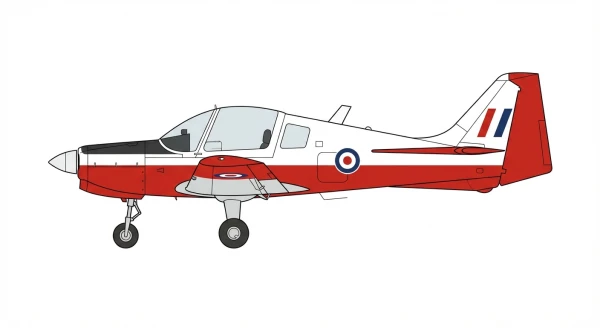
Bulldog | 🇬🇧 United Kingdom | 1971 | 3 | — | — |
Overview
The Lebanese Air Force (LAF) is the aviation branch of the Lebanese Armed Forces, with approximately 2,500 personnel. Its command is located in Beirut, and its main air bases are Beirut, Rayak, Kleyate, and Hamat. The force is structured around a limited number of squadrons equipped with helicopters and a small fleet of fixed-wing aircraft; it does not operate any jet fighters. This composition dictates its operational focus and limits its ability to enforce air superiority.
Operational capabilities are centered on light attack, reconnaissance, and helicopter transport. The fixed-wing attack component relies on six A-29 Super Tucano aircraft and three Cessna AC-208 Combat Caravans. The AC-208s are armed with AGM-114 Hellfire missiles, while the A-29s can deploy a range of munitions including laser-guided bombs (GBU-12, GBU-58) and the Advanced Precision Kill Weapons System (APKWS). The helicopter fleet, the LAF's traditional backbone, consists of UH-1H Hueys, SA 342 Gazelles, and a number of UH-60 Black Hawks. These platforms perform troop transport, medical evacuation, and limited attack roles, with some Gazelles armed with HOT anti-tank missiles. Many of the older airframes, like the UH-1H, face maintenance challenges due to their age.
The LAF’s strategic doctrine is primarily focused on supporting the Lebanese Army in internal security and border control operations. Lacking a credible air-to-air or deep-strike capability, its efforts are directed towards counter-insurgency (COIN), close air support (CAS), and intelligence, surveillance, and reconnaissance (ISR). This doctrine is a direct reflection of the security challenges posed by non-state actors and the constraints imposed by its inventory.
The LAF played a key role in operations against militant groups. During the 2017 "Dawn of the Outskirts" operation against ISIS and Al-Nusra Front militants in Arsal, the air force provided crucial support. AC-208s conducted strikes with Hellfire missiles and used their laser designators to guide M712 Copperhead artillery shells fired by ground forces, demonstrating effective joint-service coordination. Helicopter gunships were also employed to strike militant positions.
The acquisition of the six A-29 Super Tucanos between 2017 and 2018 represents the most significant recent upgrade, providing the LAF with a purpose-built light attack and ISR platform. Deliveries of UH-60 Black Hawk helicopters, which began in 2017, aim to replace aging utility helicopters and provide enhanced mobility and multi-mission capability. There is a stated requirement for six additional A-29s, though no order has been placed.
Frequently Asked Questions
How many aircraft does Lebanon have?
How does Lebanon's air force rank globally?
How many military helicopters does Lebanon have?
What is the AIRS Index score of Lebanon?
Where does Lebanon get its military aircraft from?
- JUL 242026 Updated SA330 relinked to the correct equipment page
- MAR 142026 Updated 8 aircraft types added; active count updated across 4 entries
- JUN 252025 Updated Air force overview reviewed and updated