Strategic Position
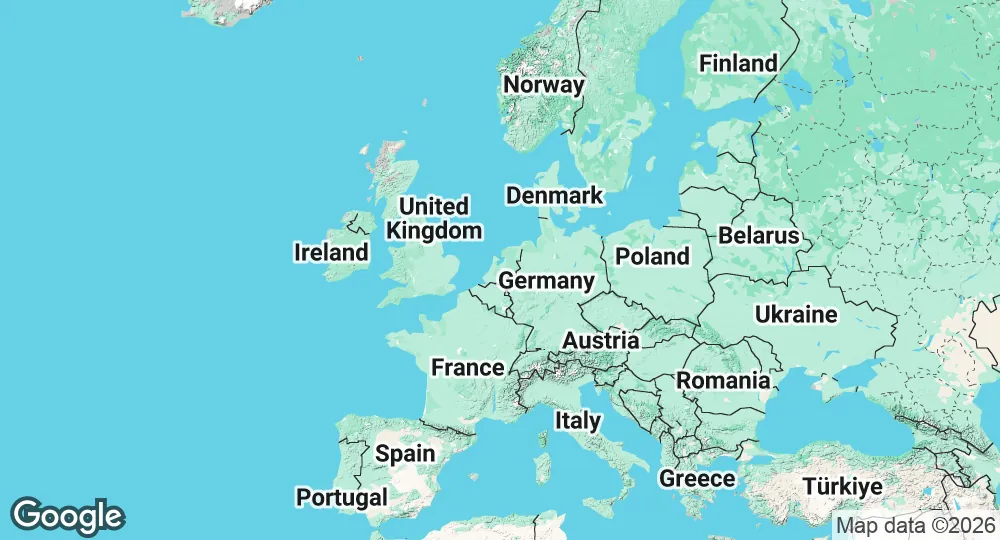
The Netherlands occupies a geographical position as a transit hub for Northern Europe, serving as a primary maritime and digital gateway for the North Atlantic Treaty Organization (NATO). Its security doctrine centers on collective defense under Article 5 of the North Atlantic Treaty and the European Union’s Common Security and Defence Policy. Primary security concerns involve the stability of the European eastern flank, maritime security in the North Sea, and the defense of the Caribbean territories of Aruba, Curaçao, and Sint Maarten.
The Dutch military maintains a high degree of bilateral integration with the German Bundeswehr. All three combat brigades of the Royal Netherlands Army are integrated into German divisions, creating a binational command structure. Regional cooperation also extends to the Benelux Union, particularly through the Admiral Benelux (ABNL) agreement, which places the Dutch and Belgian navies under a single integrated command for operational and training activities.
Military Forces
The Netherlands Armed Forces consist of the Royal Netherlands Army, Royal Netherlands Navy, Royal Netherlands Air Force, and the Royal Netherlands Marechaussee. As of 2025, active personnel numbers are approximately 44,000, supported by approximately 8,500 reservists. Current defense planning aims to expand the force to 100,000 personnel by 2030 through a "scalable" force model designed for rapid mobilization.
Royal Netherlands Army
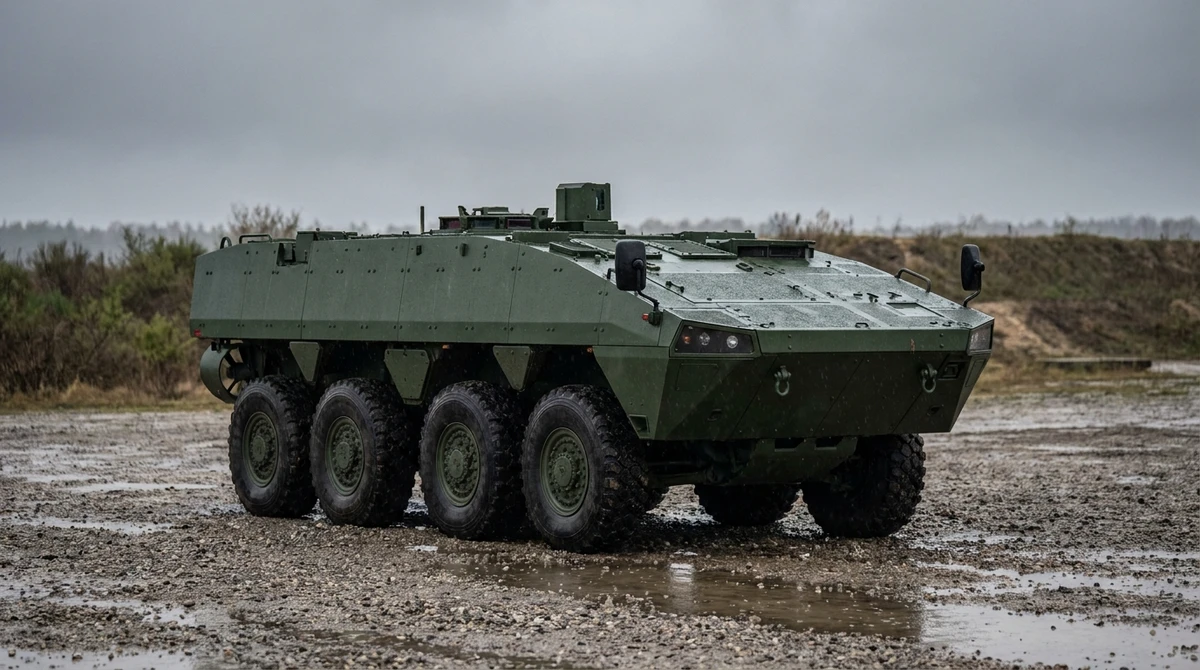
The army is structured around three main combat units: the 11 Airmobile Brigade, the 13 Light Brigade, and the 43 Mechanized Brigade. Following a 2025 procurement agreement, the army is re-establishing a national tank battalion. Primary land equipment includes Leopard 2A8 main battle tanks, CV9035 infantry fighting vehicles, Boxer armored modular vehicles, and Panzerhaubitze 2000 self-propelled howitzers.
Royal Netherlands Air Force
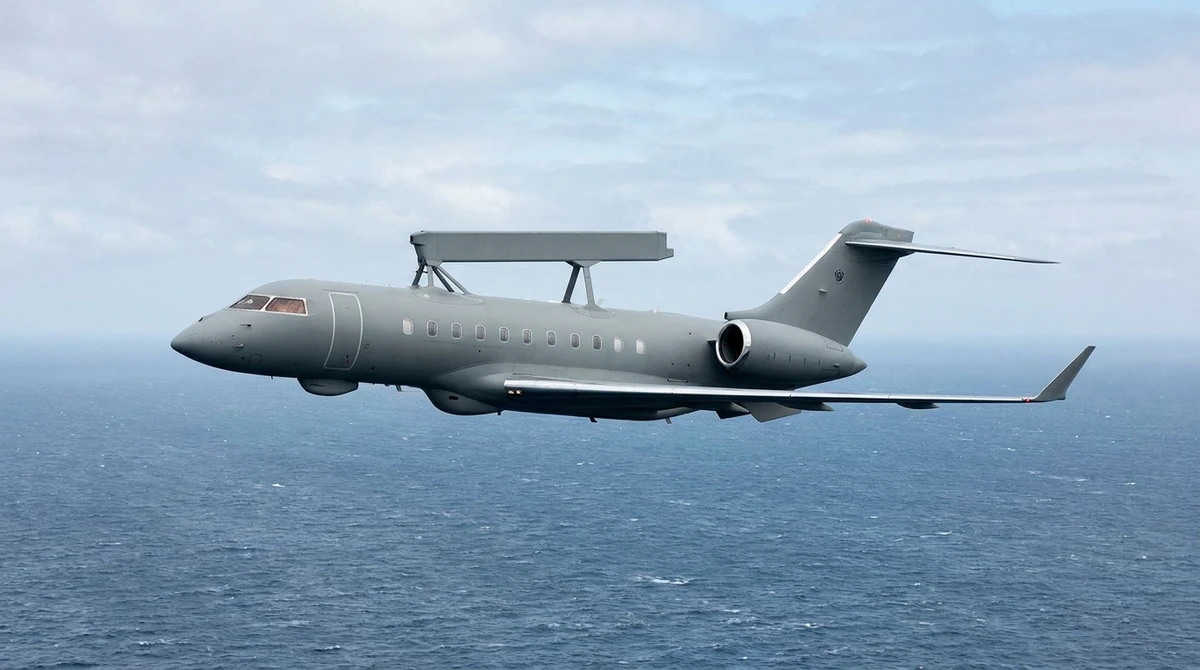
The air force operates a fleet of F-35A Lightning II stealth fighters, which achieved full operational capability in late 2024 and are certified for NATO’s nuclear sharing mission. Transport requirements are met by C-130 Hercules aircraft, with Embraer C-390 Millennium replacements planned. The rotary-wing fleet consists of AH-64 Apache attack helicopters, CH-47 Chinook heavy-lift helicopters, and NH90 maritime helicopters. Long-range reconnaissance is provided by MQ-9 Reaper unmanned aerial vehicles.
Royal Netherlands Navy
The naval component operates De Zeven Provinciën-class Air Defense and Command (LCF) frigates and Holland-class offshore patrol vessels. Procurement is underway for Anti-Submarine Warfare Frigates (ASWF) and Orka-class diesel-electric submarines to replace the Walrus-class. The Netherlands Marine Corps provides amphibious landing capabilities and specialized mountain and cold-weather warfare units. Special operations are conducted by the Korps Commandotroepen (KCT) and the Netherlands Maritime Special Operations Forces (NLMARSOF).
Defense Industry
The Dutch defense industrial base is specialized in naval construction, radar systems, and high-tech components. Damen Shipyards Group is the primary domestic shipbuilder, producing frigates, patrol vessels, and support ships for both domestic use and export. Thales Nederland produces advanced naval sensors and radar systems, including the Active Phased Array Radar (APAR) used on Dutch and allied vessels.
Domestic firms such as Van Halteren Technologies provide specialized manufacturing for heavy armor components and artillery turrets. The industry is integrated into global supply chains, notably the F-35 program, where over 90 Dutch companies contribute to the aircraft's production and sustainment. Recent strategy shifts include a €1.15 billion investment to boost domestic production capacity and innovation in unmanned systems and quantum technology.
Strategic Trends
Defense spending reached the NATO benchmark of 2% of GDP in 2024, with projections to reach 2.2% by 2026. Strategic priorities have shifted toward conventional deterrence and high-intensity conflict. Modernization programs focus on deep-strike capabilities, including the acquisition of Tomahawk cruise missiles for frigates and submarines, and JASSM-ER missiles for the F-35A fleet.
The 2024 Defense Memorandum outlines an expansion of military infrastructure across 56 locations in the Netherlands. Doctrinal shifts emphasize "digital-physical" integration, with an Unmanned Systems Action Plan to incorporate autonomous platforms across all branches. Personnel recruitment remains a constraint, prompting the introduction of a voluntary "service year" and expanded resilience training for youth to bolster the reserve pool.