Strategic Position
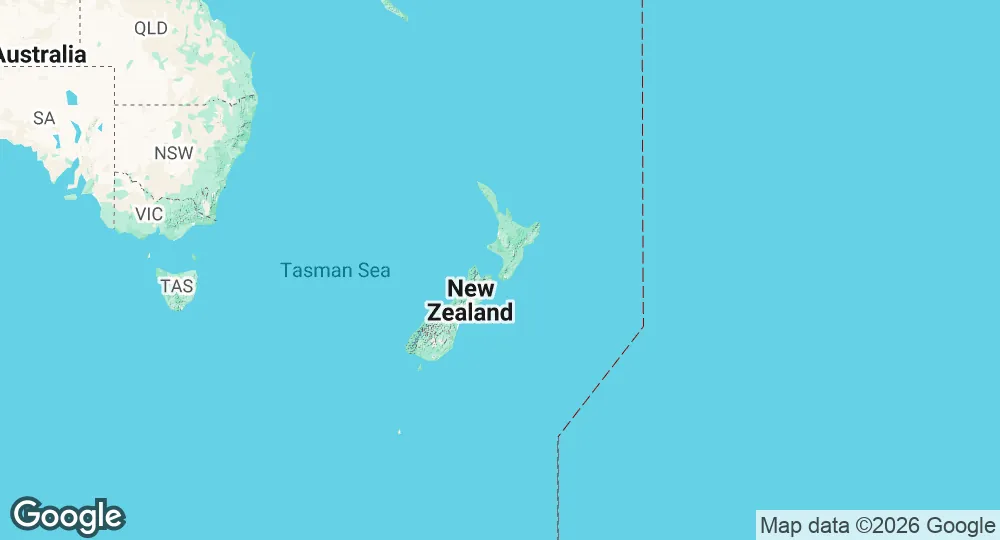
New Zealand’s defense posture is defined by its geographic isolation in the South Pacific and its stewardship of a maritime domain encompassing the Southern Ocean and dependencies in Antarctica. The primary security framework is the "Pacific Reset," which prioritizes regional stability, maritime security, and disaster response within the South Pacific.
New Zealand is a member of the Five Eyes intelligence-sharing alliance alongside Australia, Canada, the United Kingdom, and the United States. It is a signatory to the Five Power Defence Arrangements (FPDA) with Australia, Malaysia, Singapore, and the United Kingdom. While the 1985 suspension of the ANZUS treaty obligations by the United States remains in effect due to New Zealand's nuclear-free legislation, bilateral security cooperation with Washington has increased through the Wellington and Washington Declarations.
Defense doctrine emphasizes a "Maritime Domain Awareness" strategy. Strategic priorities include the protection of Exclusive Economic Zones (EEZ), maintaining the rules-based international order, and addressing the security implications of climate change in the Pacific Islands. Relations with Australia remain the most critical bilateral defense link, formalized through the "Closer Defence Relations" (CDR) agreement, which seeks to ensure interoperability between the two forces.
Military Forces
The New Zealand Defence Force (NZDF) is a unified command structure comprising the Army, Navy, and Air Force. Total active personnel number approximately 9,000, supported by a reserve force of roughly 2,500.
New Zealand Army
The Army is organized around the 1st New Zealand Brigade, which serves as the primary maneuver element. It operates NZLAV (Light Armoured Vehicles) for reconnaissance and infantry support, alongside Bushmaster NZ5.5 protected mobility vehicles. Artillery support is provided by L119 light guns. The Army maintains the 1st New Zealand Special Air Service Regiment (1 NZSAS Regt), which provides specialized counter-terrorism, long-range reconnaissance, and unconventional warfare capabilities.
Royal New Zealand Navy (RNZN)
The RNZN focuses on maritime patrol, sealift, and combat operations. The combat fleet consists of Anzac-class frigates equipped with Sea Ceptor air defense systems. Sealift and amphibious support are provided by a multi-role vessel, HMNZS Canterbury. The fleet also includes a polar-class sustainment vessel for logistics and Antarctic support, as well as Protector-class offshore patrol vessels (OPV) used for EEZ monitoring and regional maritime security.
Royal New Zealand Air Force (RNZAF)
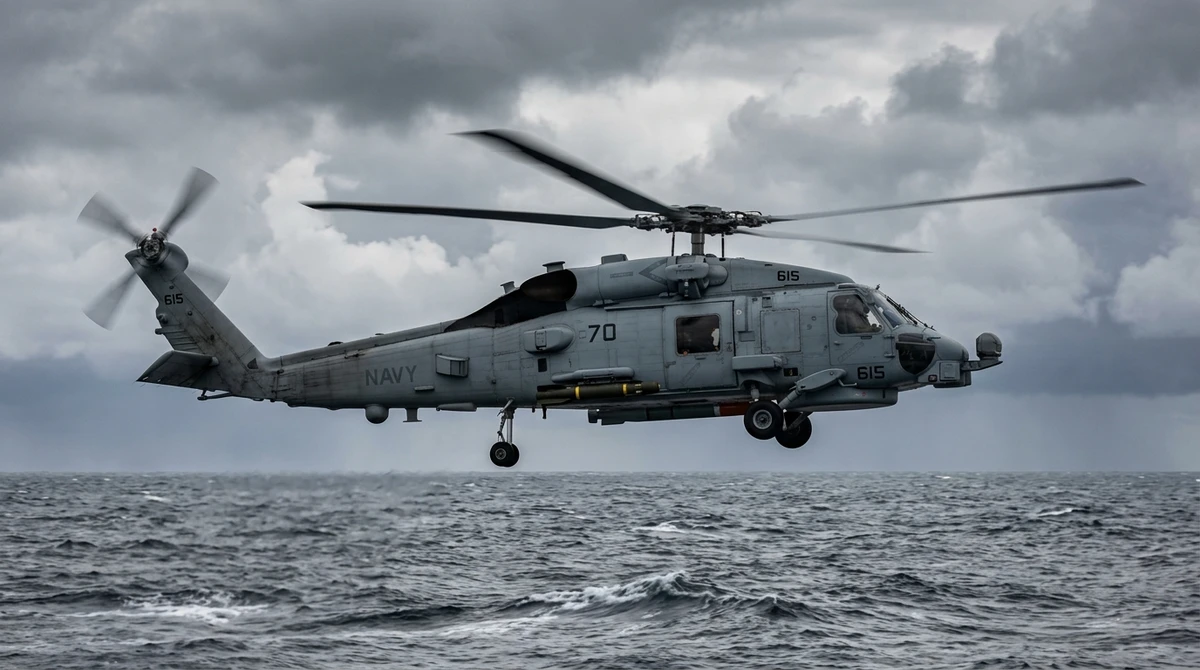
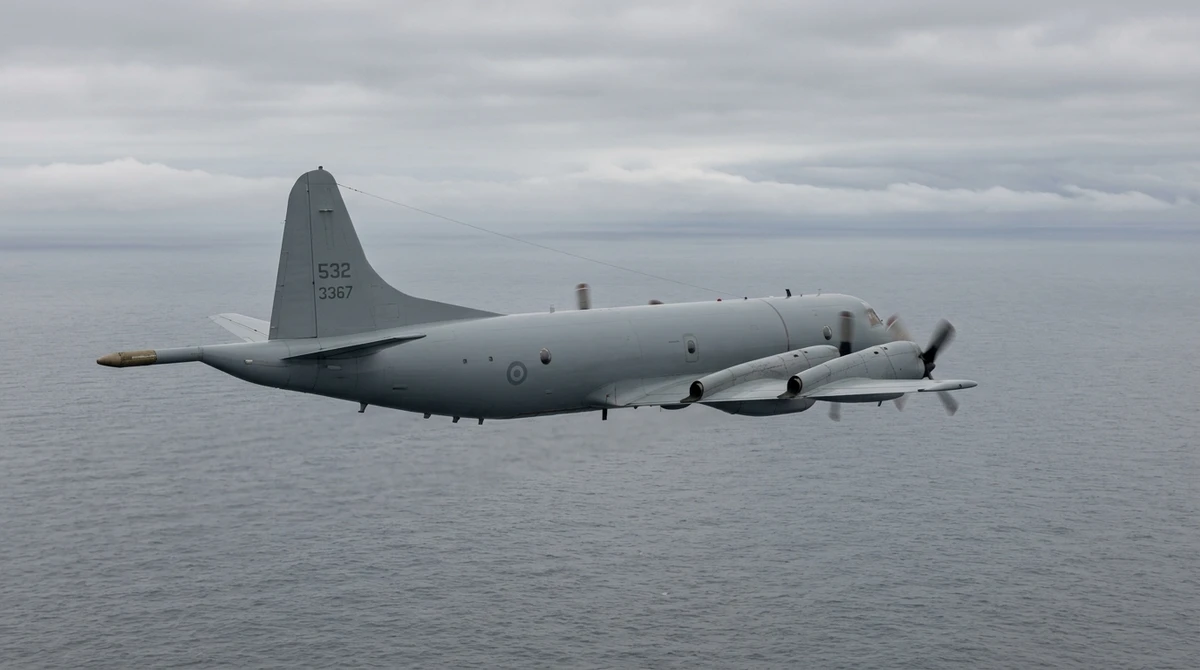
The RNZAF provides maritime surveillance, transport, and rotary-wing support but does not operate combat fast jets. It operates P-8A Poseidon aircraft for long-range maritime patrol and anti-submarine warfare. Tactical and strategic airlift is conducted via C-130J-30 Hercules aircraft. The rotary fleet includes NH90 medium-utility helicopters for transport and SH-2G(I) Seasprite helicopters for naval operations.
Defense Industry
New Zealand maintains a niche defense industry focused on electronics, communications, and software rather than heavy platform manufacturing. The country is almost entirely dependent on foreign suppliers for aircraft, ships, and armored vehicles, primarily sourcing from the United States, Australia, and Europe. Domestic firms contribute to global supply chains for aerospace components and specialized maritime electronics. Maintenance, Repair, and Overhaul (MRO) services for the NZDF are largely conducted domestically through partnerships with international defense contractors.
Strategic Trends
Defense policy in 2025 and 2026 is characterized by a shift toward "Combat Readiness" to address a deteriorating regional security environment. The 2025 Defence Capability Plan outlines the replacement of aging naval assets, specifically focusing on the future requirements for the frigate fleet and increased patrol capabilities in the Southern Ocean.
Modernization programs are currently centered on the integration of the P-8A Poseidon and C-130J-30 Hercules fleets. Procurement priorities include upgrading cyber defense capabilities and enhancing space-based maritime domain awareness.
A primary constraint facing the NZDF is personnel retention and recruitment, which has led to the temporary idling of some naval vessels. Defense spending is approximately 1% of GDP, though current 2025 budget projections indicate an upward trend to address infrastructure deficits and salary adjustments intended to stabilize force numbers. The military is also increasingly tasked with non-traditional security roles, including responding to climate-driven natural disasters in the Pacific and monitoring resource extraction in the Southern Ocean.