New Zealand's MH-60R Order Makes 15 Seahawk Operators; the SH-2 Seasprite Is Down to Three
New Zealand signed on 16 October to buy five MH-60R Seahawks, delivered from 2030, to replace its five SH-2G Super Seasprites, bringing the naval Seahawk family to 15 operators in GlobalMilitary.net's data while the Seasprite is left with 17 helicopters and three operators.
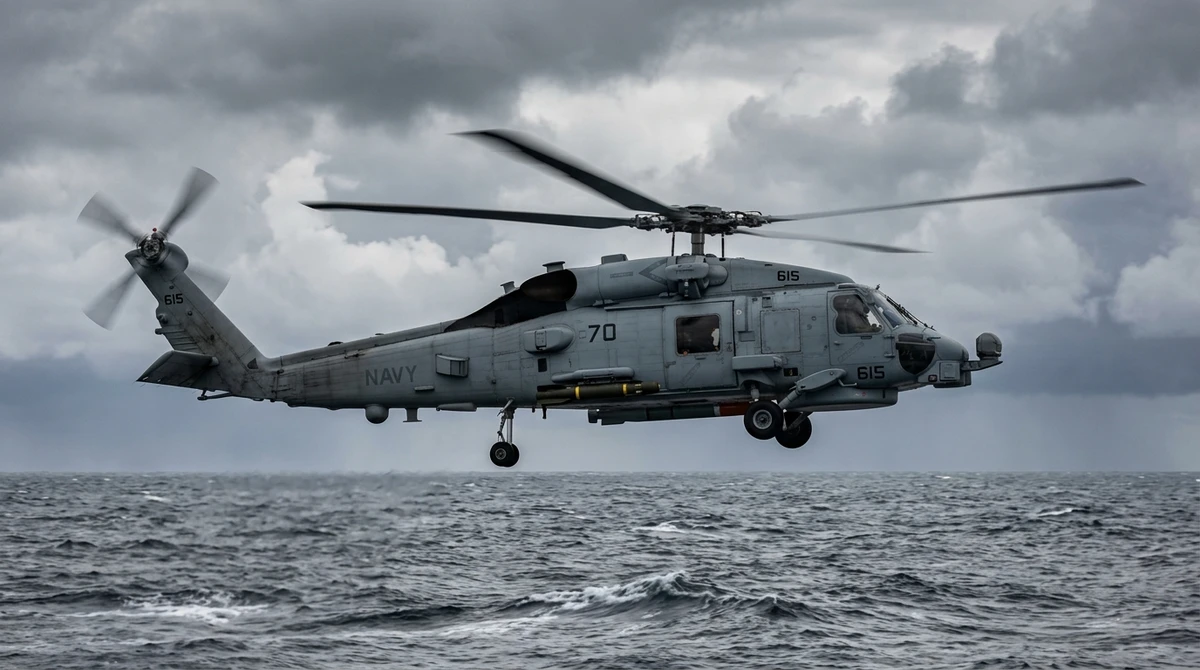
New Zealand has signed an agreement with the United States Government to purchase five MH-60R Seahawk maritime helicopters, with deliveries from 2030, the New Zealand Ministry of Defence said in a release dated 16 October. The agreement covers the aircraft with their associated systems and weapons, plus spares and equipment. The five MH-60Rs will replace the five SH-2G(I) Super Seasprites that New Zealand bought second-hand from Australia in 2015, Opex360 reported on 19 October.
The order is small, but it moves one more navy from a shipborne helicopter that first flew in 1959 to the type most Western navies have chosen. With New Zealand counted, the naval Seahawk family has 15 operators and 764 helicopters in service in GlobalMilitary.net's inventory data, with a further 44 on order. The SH-2 Seasprite, which first flew on 2 July 1959 and entered service in 1962, is down to 17 helicopters with three operators, one of which has now signed to replace it.
Fifteen operators and 764 helicopters in service
The SH-60 entered service in 1984, five years after its first flight on 12 December 1979. GlobalMilitary.net's inventory data treats the naval Seahawk family as one entry covering the SH-60B, F, J, K and L, the MH-60R and MH-60S and the export S-70B; the variants are not split. On that basis the family's operators, with in-service and on-order figures as of 20 October 2026, are:
- United States Navy: 529 in service, 2 on order
- Japan Maritime Self-Defense Force: 73 in service, 7 on order (the row also includes UH-60J search-and-rescue helicopters)
- Turkish Navy: 23 in service
- Royal Australian Navy: 23 in service, 13 on order
- Indian Navy: 21 in service, 3 on order
- Republic of China (Taiwan) Navy: 18 in service
- Hellenic Navy: 18 in service
- Spanish Naval Aviation: 18 in service, 8 on order
- Royal Saudi Navy: 10 in service
- Royal Danish Air Force: 9 in service
- Royal Thai Navy: 8 in service
- Republic of Singapore Air Force: 8 in service
- Brazilian Navy: 6 in service
- Norway: 6 on order
- Royal New Zealand Air Force: 5 on order
The distribution is lopsided. The United States Navy's 529 helicopters are more than two-thirds of the 764 in service; the 13 other operators with helicopters on strength account for 235 between them, and Norway and New Zealand have none counted in service yet. The 44 on order are spread across seven customers: Australia 13, Spain 8, Japan 7, Norway 6, New Zealand 5, India 3 and the United States 2. Outside the United States, no operator fields more than Japan's 73.
For scale, GlobalMilitary.net counts 470 NH90 in service and 96 on order across 13 countries, army TTH and naval NFH combined, and 172 AW101 in service and 27 on order across 13 countries, naval and transport versions combined. The Seahawk's own land-based sibling, the UH-60 Black Hawk, numbers 3,121 in service in the same data.
The Seasprite's last three operators
The fleet the Seahawk is displacing is now small. GlobalMilitary.net's data counts 17 SH-2 Seasprites with three operators: 7 with the Egyptian Air Force, 5 SH-2Gs with the Royal New Zealand Air Force and 5 with the Peruvian Navy. The arrival of New Zealand's MH-60Rs would leave Egypt and Peru as the type's only operators in that data.
In New Zealand the Seasprite is one of several small fleets. The Royal New Zealand Air Force's inventory in 2026, in GlobalMilitary.net's data, comprises 4 P-8A Poseidon maritime patrol aircraft, 8 NH90 transport helicopters, 5 SH-2G Seasprites, 5 AW109 light helicopters, 5 C-130 transports, 2 Boeing 757s, 4 King Air 350s and 11 T-6 Texan II trainers. The SH-2Gs fly from the two Anzac-class frigates, HMNZS Te Kaha and HMNZS Te Mana, the ships whose capability and surveillance range the Ministry says the new helicopters will increase.
The Seasprite first flew in 1959 and the Seahawk in 1979; GlobalMilitary.net's page on how the Seasprite and Seahawk compare sets their specifications side by side.
What New Zealand is buying
The Ministry describes the MH-60R as interoperable with Australia and partner defense forces, and lists its roles as anti-surface and underwater warfare, search and rescue, ship-to-shore transport and maritime counter-terrorism. The helicopter is faster and can fly further from a ship, the Ministry said, increasing the capability and surveillance range of the Royal New Zealand Navy's frigates. The Ministry's specification box gives a Sikorsky (a Lockheed Martin company) aircraft 19.76 m long, with a maximum speed of 333 km/h, a range of 963 km and a crew of three, armed with the Mk 54 torpedo, the AGM-114 Hellfire missile, APKWS rockets and crew-served machine guns.
The funding runs to NZ$1,648 million in capital and NZ$110 million in average annual operating funding over the next 10 years, and also covers future infrastructure design and temporary infrastructure at RNZAF Base Auckland in Whenuapai. Further decisions are expected on infrastructure, training systems and complementary uncrewed aerial systems, the Ministry said.
Method: the fleet figures are GlobalMilitary.net's replayed current inventories as of 20 October 2026, each operator's latest inventory snapshot plus the deliveries, losses and retirements logged since. The "SH-60 Seahawk" entry covers the whole naval family without splitting variants; Japan's row also includes UH-60J search-and-rescue helicopters, and the NH90 and AW101 totals combine land and naval versions, so they are not directly comparable with the Seahawk figures. "In service" means active airframes and "on order" those contracted but not yet counted in service; New Zealand's five MH-60Rs appear only as on order.
More News
All news →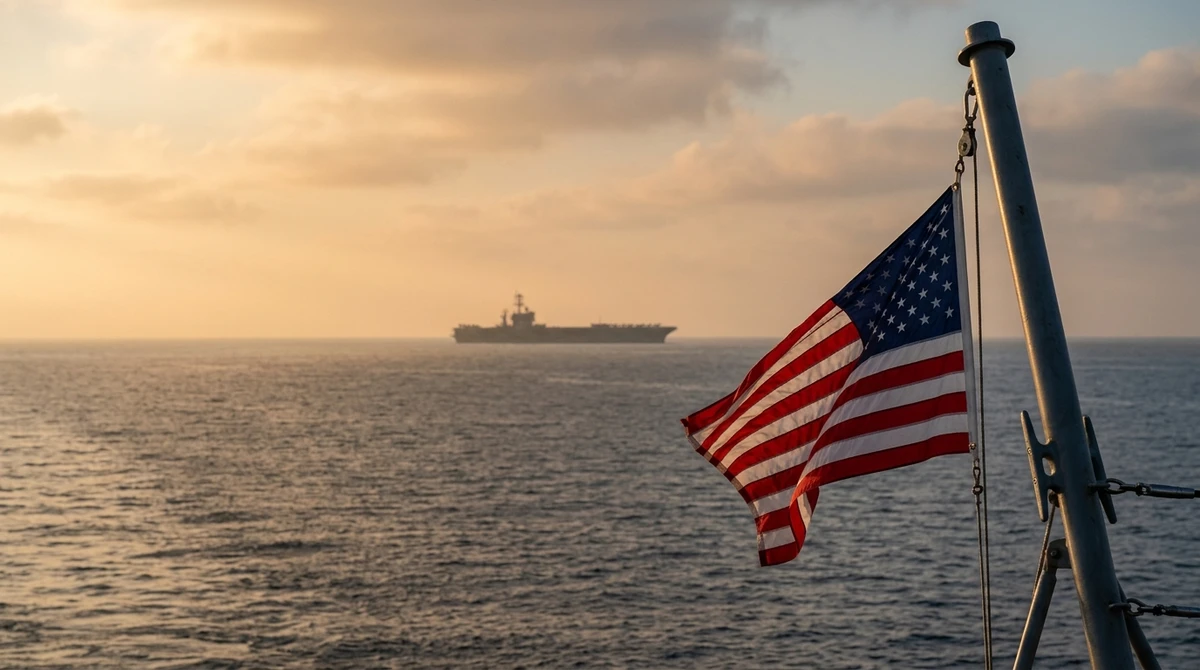
USS Theodore Roosevelt Turns 40 as It Prepares for Keen Sword Off Japan
The Nimitz-class carrier, docked at Yokosuka since 16 October with the cruiser USS Chosin and the destroyer USS Decatur, marks 40 years since its commissioning on 25 October 1986 ahead of the US-Japan exercise Keen Sword.
US Navy accepts first C-130J-30 airframe for E-130J Phoenix II TACAMO aircraft
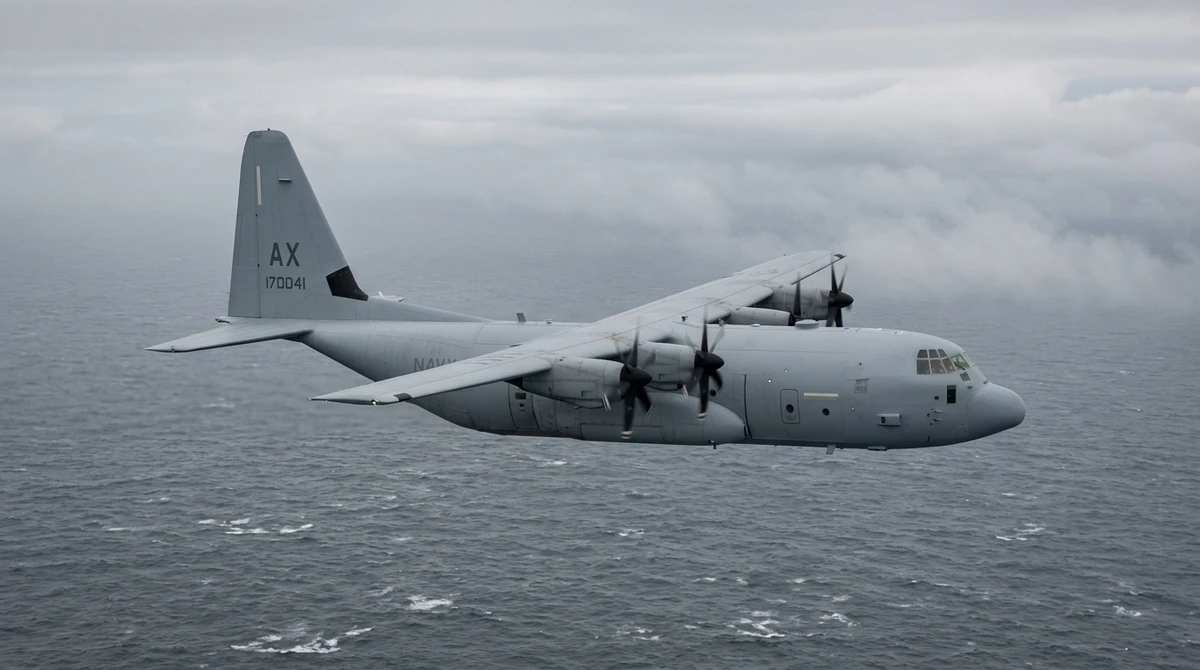
The US Navy took delivery of a newly built Lockheed Martin C-130J-30 Super Hercules at Marietta, Georgia, on Oct. 15, the first of three airframes to be converted into E-130J Phoenix II aircraft that will replace the E-6B Mercury in the nuclear communications relay mission.
F-22 Pilot Takes In-Flight Command of an Anduril YFQ-44A Fury Drone
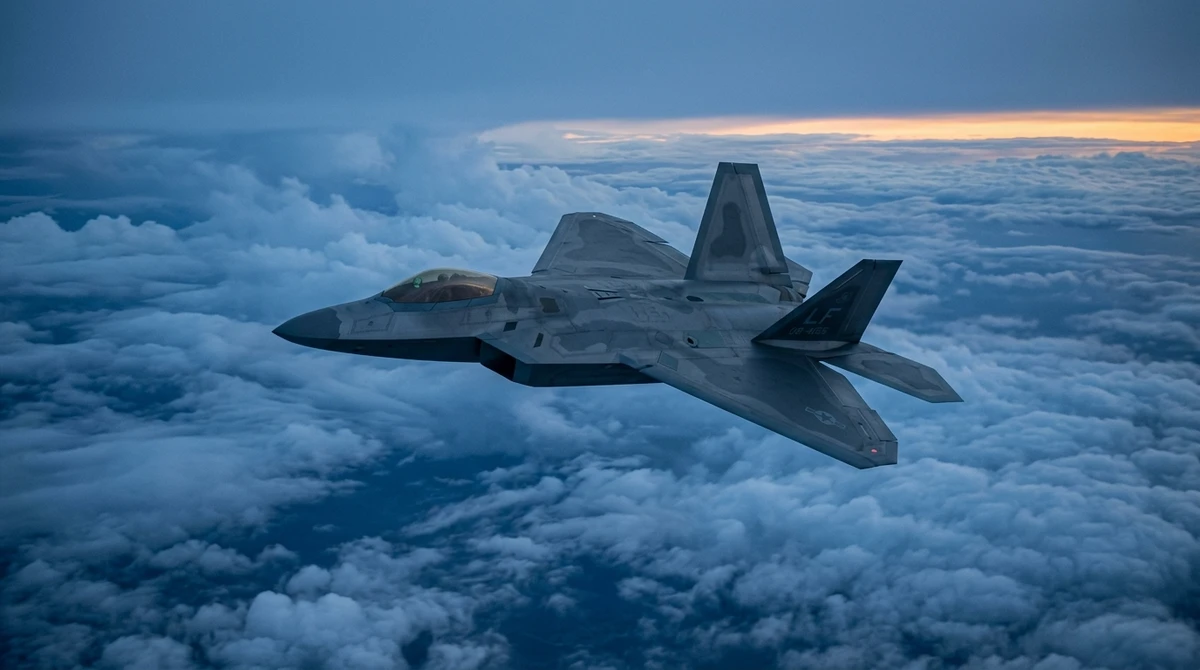
The U.S. Air Force said on October 16, 2026 that an F-22 Raptor pilot had taken airborne tactical command of an Anduril YFQ-44A Collaborative Combat Aircraft earlier this month; previous F-22 control tests had used a surrogate drone.
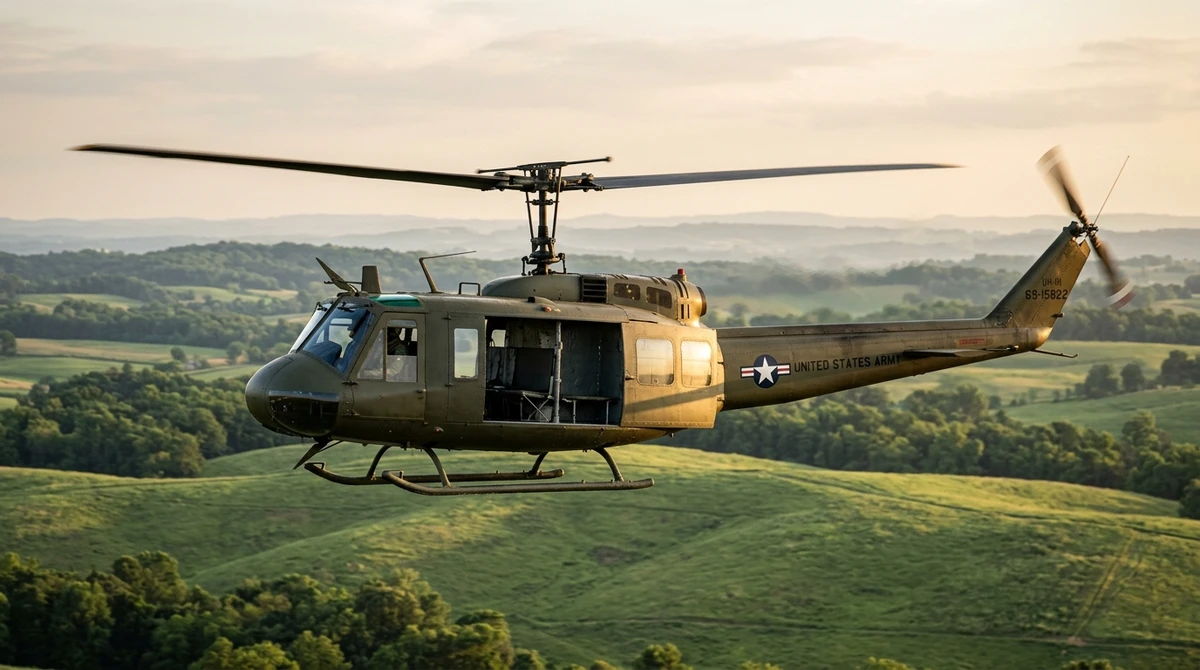
Bell UH-1 Huey Still Flies With 39 Countries 70 Years After Its First Flight
The XH-40 prototype of Bell's Huey first flew on 20 October 1956 at Fort Worth; 70 years on, GlobalMilitary.net inventory data counts 844 single-engine UH-1s active in 39 countries, 438 twin-engine UH-1N and Bell 212 derivatives in 29, and 167 UH-1Y Venoms in two.
USS Zumwalt at 10: The Navy's Stealth Destroyer Trades Its Guns for Hypersonic Missile Tubes
Commissioned in Baltimore on October 15, 2016, the lead ship of a class cut from 32 hulls to three has spent most of the past three years in a Mississippi yard, where its two 155mm guns were removed to make room for 12 Conventional Prompt Strike hypersonic missiles.
France Studies Keeping Charles de Gaulle Past 2038 as 24 Carriers Serve in Nine Navies
The French Navy's chief of staff told lawmakers on October 14 that studies due in early 2029 will decide whether the nuclear-powered Charles de Gaulle can sail on after its planned 2038 retirement, which would give France two carriers for the first time since the late 1990s.