GlobalMilitary.net Open-source military intelligence Updated daily
Asia ยท Singapore

Singapore Military Forces

Open-source order of battle for 2026: 51,000 active troops, 231 aircraft, 55 warships, 3,426 ground vehicles.

World rank #24 Military index 49.0/100
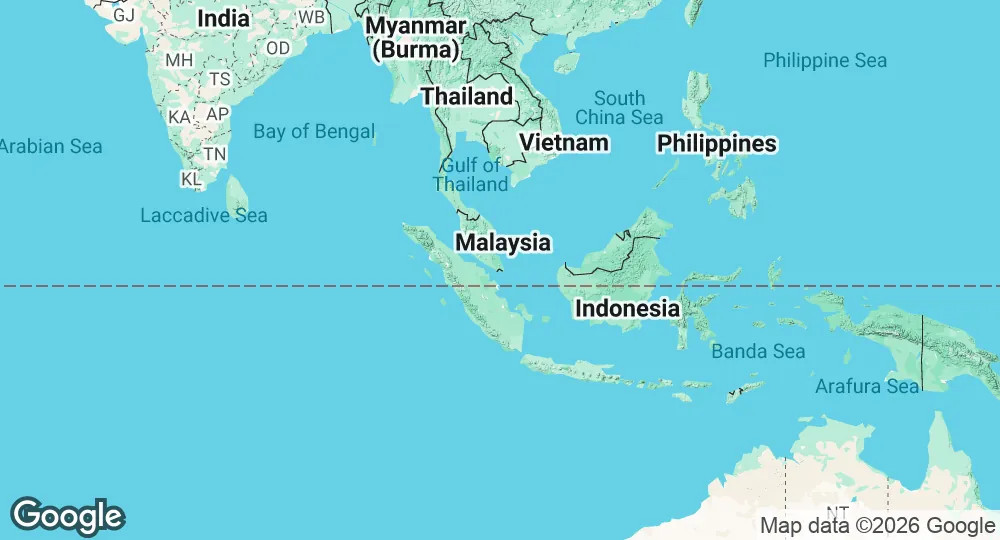
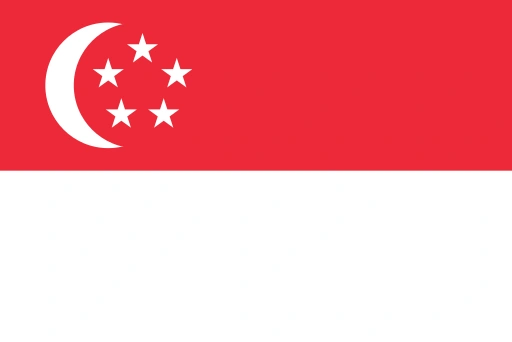
Map of Singapore Flag of Singapore
Active troops
51K
Reserve troops
252K
Defense budget
$16B2024
Share of GDP
3.0%
Population
6M2024

Armed Forces in 2026

Domain Strength Composition
Republic of Singapore Air Force 231 aircraft 100 combat 71 helicopters 6 air bases +23 on order
Republic of Singapore Navy 55 warships 10 major combatants 4 submarines
Ground Forces 3,426 vehicles 170 main battle tanks
Personnel 51,000 active 252,500 reserve 7,400 paramilitary

ARMS Index (Aggregate Rating of Military Strength)

Full ranking โ†’
Score & Pillar Breakdown World #24
49.0/ 100
Singapore ranks #24 of 175 in the ARMS Index (Aggregate Rating of Military Strength) with a score of 49.0/100. The ARMS Index scores Singapore's overall capability on a 0โ€“100 scale from verifiable data across six pillars: manpower, ground forces, naval power, air power, nuclear deterrent and defense budget, with a readiness modifier derived from budget per soldier.
Pillar Weight Score Basis
Manpower 15% 71.3 Active, reserve & paramilitary personnel
Ground forces 20% 58.7 Tanks, armor & artillery weighted by type
Naval power 20% 45.2 Weighted by hull type: carrier tiers, nuclear vs conventional submarines
Air power 25% 49.4 Weighted by aircraft type and fleet age
Nuclear deterrent 10% 0.0 No declared nuclear capability
Defense budget 10% 57.4 Annual spending, purchasing-power adjusted
Readiness modifier ×1.15 Budget per soldier: proxy for training, maintenance & technology

Country File

Defense Statistics & Key Metrics
Population6M (2024)
GDP$547.4 billion (2024)
GDP per capita$90,674
Military budget$16B (2024)
Share of GDP3.0% (2024)
Military spending per capita$2,720 (2024)
Inflation rate2.39% (2024)
Military Budget History CIA World Factbook
2020 โ€” $10B, 3.00% of GDP $10B 2020 2021 โ€” $13B, 3.00% of GDP $13B 2021 2022 โ€” $15B, 3.00% of GDP $15B 2022 2023 โ€” $15B, 3.00% of GDP $15B 2023 2024 โ€” $16B, 3.00% of GDP $16B 2024
Budget (US$) Share of GDP (0-5%)
Geography
CapitalSingapore
RegionAsia
Land area716 kmยฒ
Coastline193 km
CurrencySGD
National Flag Adopted 1959
Flag of Singapore
Aspect ratio2:3
ColorsRed, white
Compare this Country
๐Ÿ‡ธ๐Ÿ‡ฌ Singapore vs

Strategic Overview in 2026

Strategic Position

Singaporeโ€™s defense posture is dictated by its lack of territorial depth and its reliance on international trade through the Strait of Malacca and the Singapore Strait. The state maintains a doctrine of "Total Defence," which integrates military, civil, economic, social, digital, and psychological components to ensure national resilience.

Singapore is a member of the Five Power Defence Arrangements (FPDA) alongside Australia, Malaysia, New Zealand, and the United Kingdom. It maintains a Strategic Framework Agreement with the United States, providing access to facilities at Changi Naval Base for US Navy vessels and conducting regular bilateral exercises. Regional relationships are managed through the Association of Southeast Asian Nations (ASEAN), though Singapore maintains a policy of high military readiness to deter potential disruptions to its maritime supply lines or sovereignty.

Military Forces

The Singapore Armed Forces (SAF) consists of four services: the Army, the Republic of Singapore Air Force (RSAF), the Republic of Singapore Navy (RSN), and the Digital and Intelligence Service (DIS). Personnel strength is sustained through a conscription system (National Service), with approximately 50,000 active-duty personnel and a reserve force of 250,000.

The Army operates Leopard 2SG main battle tanks, which have received modular armor upgrades. Its mechanized units utilize the indigenous Hunter Armored Fighting Vehicle (AFV) and the Terrex Infantry Carrier Vehicle (ICV). In 2025, the Army commissioned the Hunter Armored Engineer Vehicle (HT-AEV) to replace older platforms. Artillery capabilities include the High Mobility Artillery Rocket System (HIMARS), currently undergoing upgrades to fire advanced precision munitions.

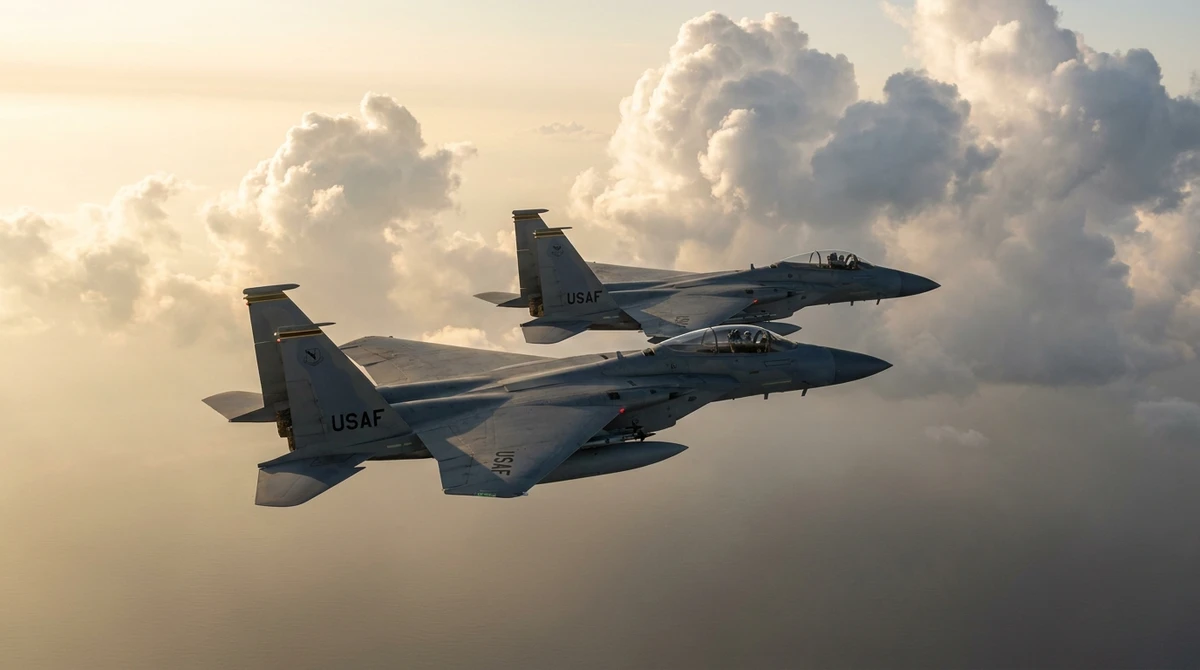
The RSAF operates a fleet of F-15SG and F-16 fighters, the latter of which have been upgraded to the V-standard with AESA radars. The air force is transitioning toward a fifth-generation fleet, with the first deliveries of F-35B Short Take-Off and Vertical Landing (STOVL) aircraft scheduled for late 2026. Support assets include A330 Multi-Role Tanker Transports and G550 Airborne Early Warning aircraft.

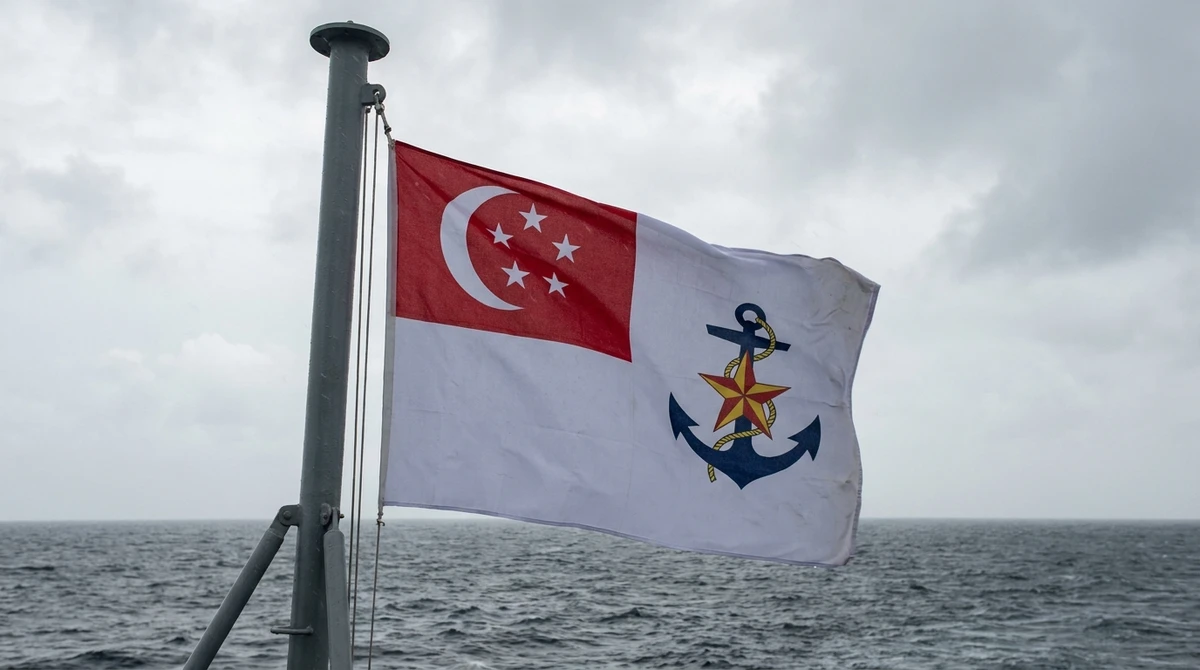
The RSN maintains a fleet of Formidable-class stealth frigates and Victory-class corvettes. Submarine capabilities are centered on the Invincible-class (Type 218SG), with RSS Invincible and RSS Impeccable commissioned into service in late 2024. Two additional vessels in this class are expected to return from trials in 2028.

The Digital and Intelligence Service (DIS) was established as the fourth branch to address cyber and information threats. In March 2025, it inaugurated the Defence Cyber Command and the SAF C4 and Digitalisation Command to integrate electronic protection and network security across all branches.

Defense Industry

ST Engineering serves as the primary domestic defense manufacturer, producing the Hunter AFV, the Terrex ICV, and the SAR-21 assault rifle. The company provides maintenance, repair, and overhaul (MRO) services for the air and naval branches and has secured contracts in 2025 for 155mm and 40mm ammunition from international customers in Europe and South America.

Domestic development focuses on systems integration and the modification of foreign platforms to suit local requirements. This includes the customization of the Invincible-class submarines with the Defence Science and Technology Agency (DSTA) and the production of the Titan armored vehicle, an 8x8 platform ordered in the 2025 budget.

Strategic Trends

Defense spending for 2025 is approximately 3.2% of GDP, totaling $23.4 billion. This figure reflects an increase to address projects deferred during previous years, with expenditure expected to taper to 3% in 2026.

Future force structure is guided by the "SAF 2040" modernization program, which prioritizes automation and unmanned systems to compensate for a declining citizen population. Procurement priorities include the acquisition of F-35A fighters to complement the F-35B fleet and the development of the Multi-Role Combat Vessel (MRCV), which will serve as a carrier for unmanned aerial and surface vehicles. The RSN has also contracted for two additional Invincible-class submarines, aiming for a permanent fleet of six vessels.

Constraints facing the military include limited domestic training areas, necessitating permanent training detachments and exercises in Australia, the United States, and Europe. In 2025, Singapore expanded cooperation with Switzerland to further its training and technology exchange programs.
Population, GDP, Inflation and Personnel: World Bank.
Military Expenditure: CIA World Factbook. Last updated on 4 August 2026. Suggest a change

Singaporean Defense Manufacturing

Designed in Singapore
Naval Shipbuilding 4 classes
Invincible Diesel-electric attack submarineVictory Multi-role combat vesselEndurance Landing platform dockSjoormen Submarine
Firearms 5 models
CIS .50 Heavy machine gunSAR-21 Assault rifleSAR-80 Assault rifleSR-88 Assault rifleSTK Ultimax 100 Machine gun

Frequently Asked Questions

How large is Singapore's military?
Singapore has 51,000 active military personnel with an additional 252,500 in reserve. This includes army, navy, and air force service members.
What is Singapore's defense budget?
Singapore's annual defense budget is approximately $16.4 billion. This covers personnel costs, equipment procurement, operations, and maintenance of military forces.
How does Singapore rank militarily in the world?
Singapore ranks #24 globally on the ARMS Index with a score of 49.0 out of 100. This composite index measures military capability across manpower, ground forces, naval power, air power, nuclear deterrent, and defense budget, adjusted for equipment quality and readiness.
Does Singapore have nuclear weapons?
No, Singapore does not possess nuclear weapons and is a non-nuclear weapon state.
How many aircraft does Singapore's air force have?
Singapore operates 231 military aircraft including 100 combat aircraft. The fleet includes fighters, transport planes, helicopters, and training aircraft.
How large is Singapore's navy?
Singapore's navy operates 55 vessels including 4 submarines. The fleet includes surface combatants, support ships, and coastal patrol craft.
How many tanks does Singapore have?
Singapore operates approximately 170 main battle tanks. This figure includes both active inventory and reserve stocks available for mobilization.
What percentage of GDP does Singapore spend on defense?
Singapore spends approximately 3.0% of its GDP on defense. This meets the NATO target of 2% of GDP.
What is Singapore's military personnel per capita?
Singapore has approximately 8.4 active military personnel per 1,000 citizens. This ratio reflects the country's military manpower relative to its population of 6,036,860.
Does Singapore have submarines?
Yes, Singapore operates 4 submarines. The submarine fleet may include nuclear-powered attack submarines, ballistic missile submarines, and conventional diesel-electric boats depending on the country's naval doctrine.
Does Singapore have paramilitary forces?
Yes, Singapore maintains 7,400 paramilitary personnel. These forces typically include gendarmerie, border guards, coast guard, and internal security troops that supplement regular military capabilities.
Latest Data Updates
  1. AUG 42026 Updated Global Military Index updated in a site-wide editorial pass
  2. AUG 32026 Updated Global Military Index updated
  3. JUL 162026 Updated Global Military Index updated in a site-wide editorial pass
  4. JUL 12026 Updated Rank insignia and ranks overview added
  5. JUN 162026 Updated Yearly statistics, military spending and 2 more fields updated
  6. JAN 132026 Updated Description updated