Bréguet Alizé Turns 70: French Carrier Submarine Hunter Served From 1959 to 2000
The prototype of the Bréguet Br.1050 Alizé, the French Navy's carrier-based anti-submarine turboprop, first flew from Toulouse-Blagnac on 6 October 1956; 89 were built, and the type served France until September 2000 and India until 1991.
Seventy years ago tomorrow, on 6 October 1956, the prototype of the Bréguet Br.1050 Alizé made its first flight from Toulouse-Blagnac. Some French references give 5 October, and the CAEA notes that equally credible documents support either date. The carrier-based anti-submarine aircraft, whose name means "tradewind," went on to serve the French Navy for 41 years and India for three decades.
The Alizé was derived loosely from the Bréguet Vultur attack aircraft by way of the Br.965 Épaulard anti-submarine prototype. A single Rolls-Royce Dart turboprop drove the airframe, which carried a crew of three: a pilot, a radar operator and a navigator. The search radar sat in a retractable dome under the belly, sonobuoys were stowed in the front of the main-gear nacelles, and an internal bay took a homing torpedo or depth charges. Underwing pylons added rockets, further depth charges or AS.12 wire-guided anti-ship missiles. Jane's figures give a maximum speed of 518 km/h at about 3,000 m and an endurance of roughly 5 hours 10 minutes. The aircraft was shown to the public at the Paris Air Show at Le Bourget in May 1957.
The French Navy's requirement stood at 100 aircraft at the end of 1956 and was cut to 75 in 1958, according to the CAEA. The first production aircraft flew on 26 March 1959, and deliveries to the Aéronavale began the same month. In all, 89 were built between 1957 and 1962, prototypes and pre-production aircraft included. France flew the type from the carriers Arromanches, Clemenceau and Foch, with further aircraft assigned to shore-based training.
Two upgrade programs followed. In the early 1980s, 28 aircraft were brought to Br.1050M standard with the Thomson-CSF Iguane radar, the same set fitted to the Atlantique NG, together with Omega navigation and a new electronic support measures system. In the early 1990s, 24 aircraft received further avionics, a datalink and decoys, and a forward-looking infrared sensor followed. By then, according to Wikipedia, the Alizé was no longer considered capable of hunting modern nuclear submarines and had been relegated to surface surveillance. In that role it flew embargo and surveillance missions off the former Yugoslavia between 1993 and 1996, per the CAEA, and operated from Foch during the 1999 NATO air campaign over Kosovo.
The last French deck landing took place on Foch on 27 June 2000 with Flottille 6F, and the French career ended on 15 September 2000 after a total of about 330,000 flight hours, according to the CAEA. The carrier-borne surveillance mission passed to the E-2C Hawkeye.
The only export customer was the Indian Navy, which received 12 Alizés from 1961 and two more drawn from French stocks in 1968. India flew them from shore bases and from the light carrier INS Vikrant, and committed them to the 1961 operation in Goa and to the 1965 and 1971 wars with Pakistan. In 1971, according to Wikipedia, one Alizé was shot down by a Pakistan Air Force F-104 Starfighter. The type was relegated to shore-based patrol in 1987, when Vikrant was converted to operate the Sea Harrier, and was phased out in 1991 in favor of anti-submarine helicopters. One example is preserved at the Naval Aviation Museum in Goa.
The Alizé's closest contemporary was the British Fairey Gannet, another carrier-based anti-submarine turboprop of the same era; GMN's head-to-head shows how the two compare. GMN's Alizé page records 89 built and a service entry in 1959; the type has no current operator.
More News
All news →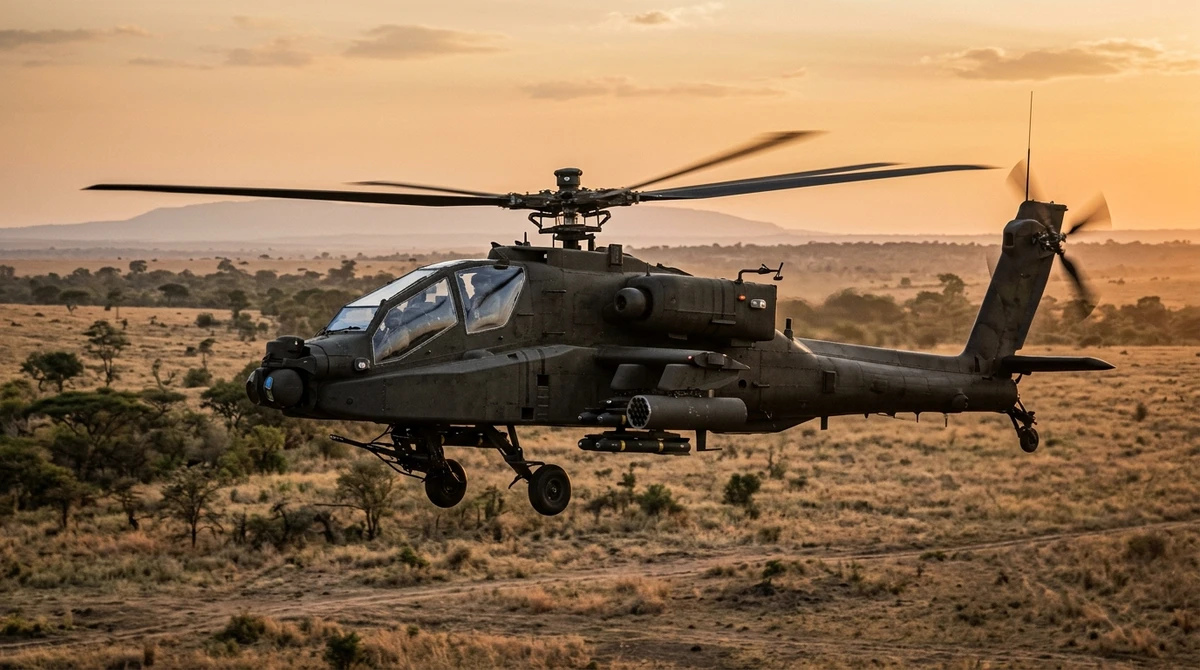
Australia Retires Its Tigers, Leaving Three Operators Among the World's 3,623 Attack Helicopters
The Australian Army has retired its Tiger attack helicopters, marking the fleet's sundown in Darwin on 30 September and leaving France, Germany and Spain as the only users; GlobalMilitary.net data counts 3,623 active attack helicopters in 81 countries.
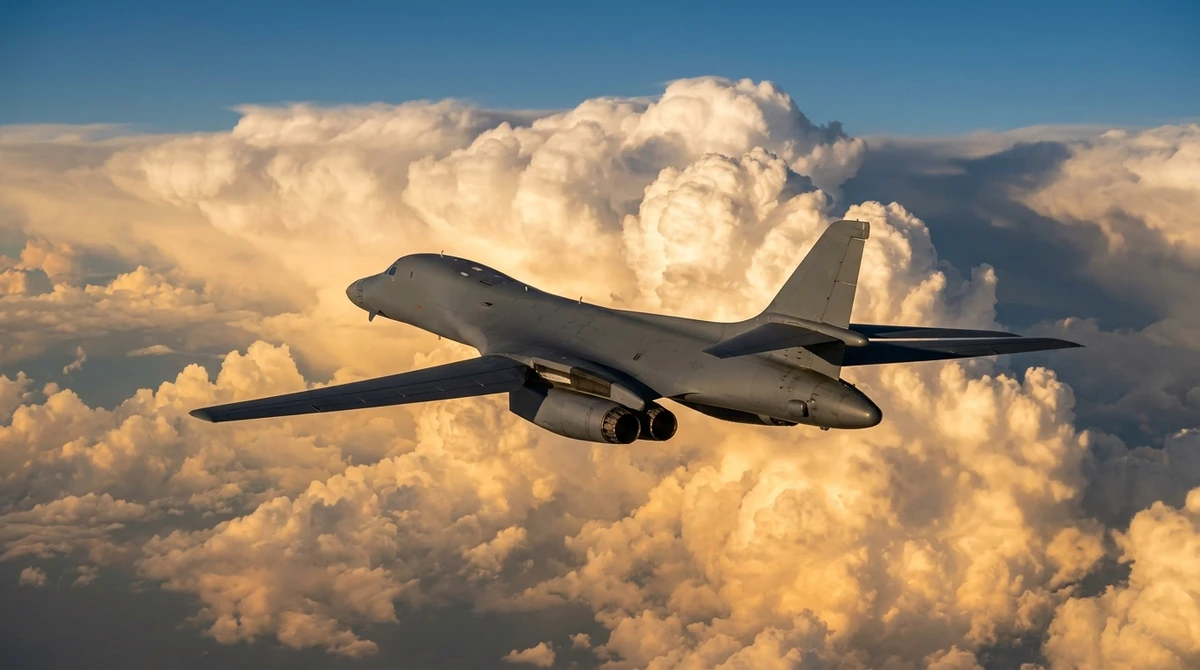
B-1B Lancer Reaches 40 Years in Service as US Air Force Plans to Keep It Flying Through 2037
The B-1B Lancer achieved initial operational capability on 1 October 1986; four decades later, 45 of the 100 bombers built remain in US Air Force service at Ellsworth and Dyess, and modernization funding is now planned to keep the type relevant through 2037.

Russia Plans $202 Billion Defense Budget for 2027, Highest Since War Began, Budget Documents Show
Russia plans to spend 17.1 trillion roubles ($202.6 billion) on national defense in 2027, around 27% more than originally budgeted and the highest figure since the invasion of Ukraine in 2022, according to government budget documents seen by Reuters on September 28.

Canada Signs Preliminary Deal With Saab for Six GlobalEye Early-Warning Aircraft
Saab and Canada's Defence Investment Agency signed a non-binding term sheet on September 25, 2026, setting the framework for negotiations on six GlobalEye airborne early warning aircraft for the Royal Canadian Air Force.
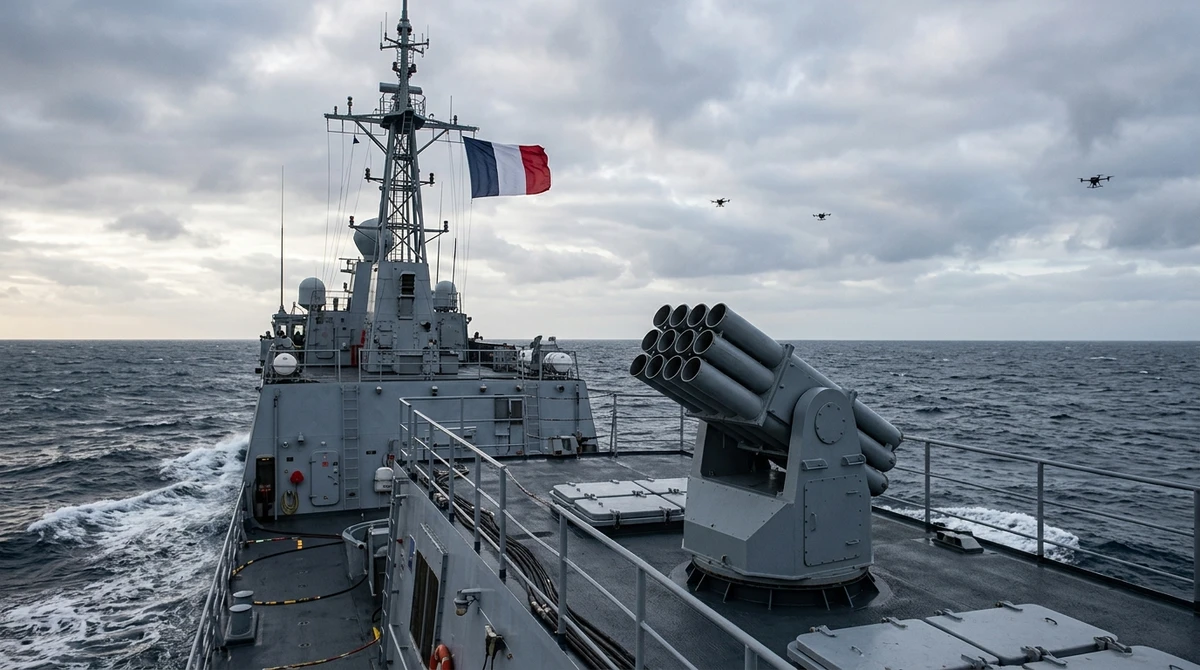
Naval Group's Rampart Counter-Drone Launcher Fitted to French Mistral-Class Ship Ahead of Sea Trials
Naval Group's modular Rampart close-in weapon system was spotted aboard a French Navy Mistral-class amphibious assault ship in Toulon, according to reports of September 22, 2026, ahead of a first at-sea firing campaign scheduled for October during the counter-drone exercise WildFire.
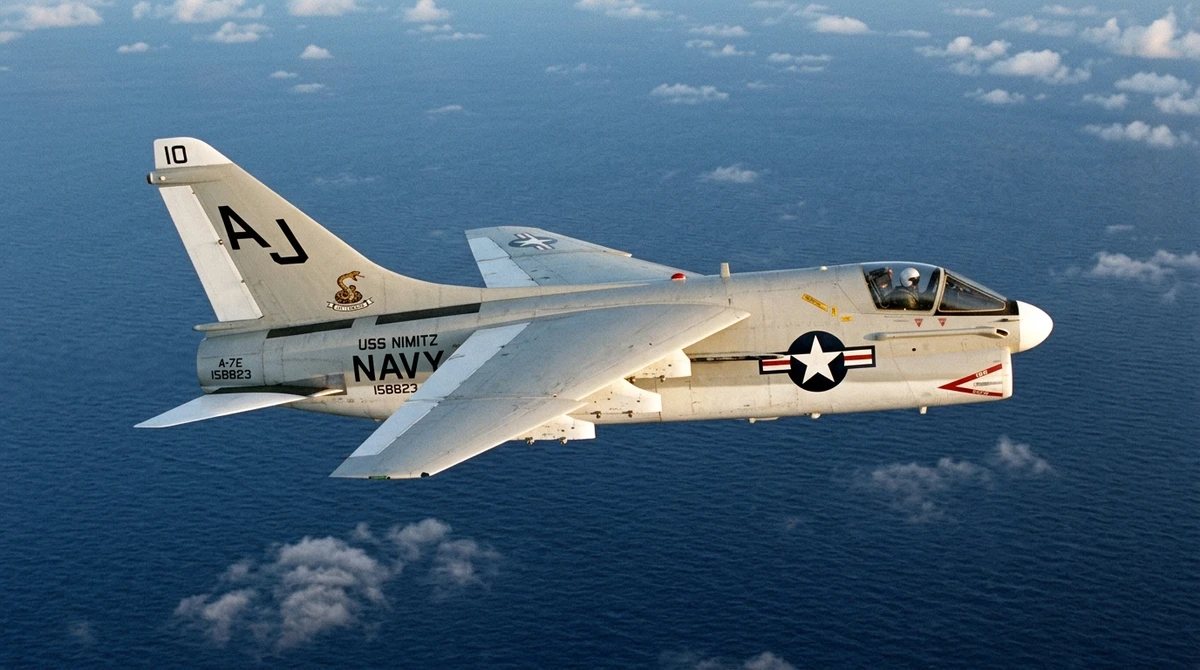
A-7 Corsair II Turns 60: Vought's Carrier Attack Jet First Flew on September 26, 1965
Sixty years after the Vought A-7 Corsair II prototype first flew on September 26, 1965, the single-engine light attack aircraft that served US carrier decks from the Vietnam War to the 1991 Gulf War marks its anniversary this week.