B-58 Hustler at 70: Three Supersonic Bomber Types Remain in Service as the US Builds the Subsonic B-21
The Convair B-58 Hustler, the US Air Force's first operational supersonic bomber, first flew on November 11, 1956; 70 years on, three supersonic bomber types serve in two countries, according to GlobalMilitary.net data.
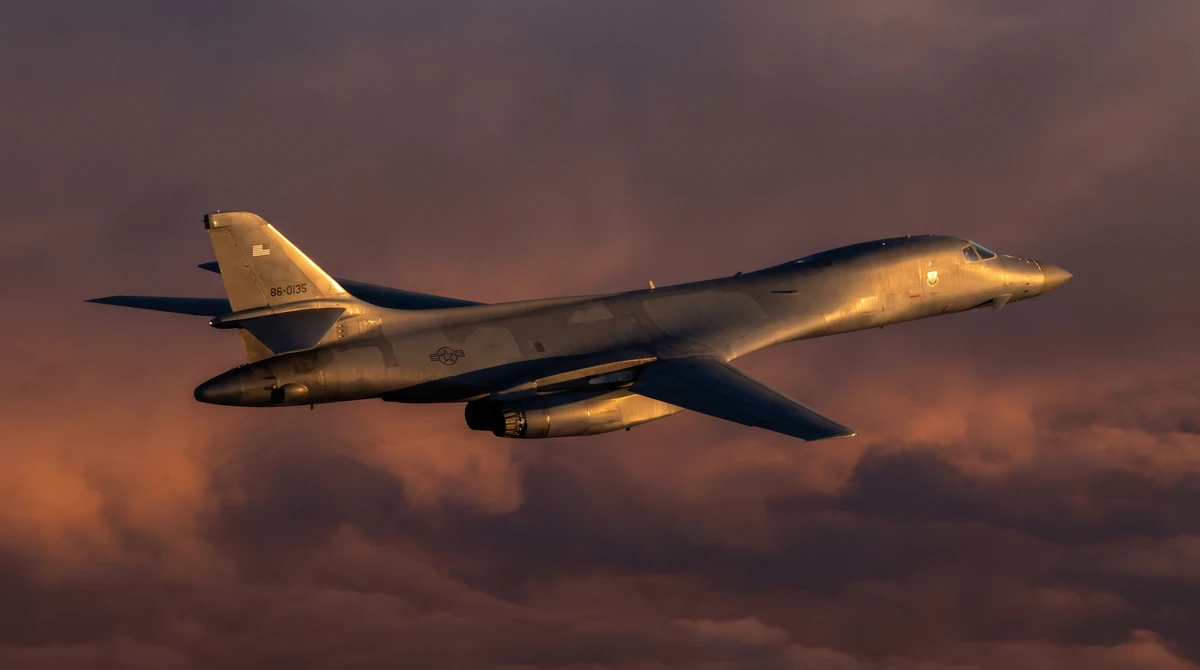
The Convair B-58 Hustler made its first flight 70 years ago this week, on November 11, 1956. It went on to become the US Air Force's first operational supersonic bomber. Today three supersonic bomber types remain in service in two countries, according to GlobalMilitary.net data, and the next American bomber is a subsonic design.
"The U.S. Air Force's first operational supersonic bomber, the B-58 made its initial flight on Nov. 11, 1956," the National Museum of the U.S. Air Force says in its fact text on the B-58A. Convair built 116 B-58s, the museum says: 30 test and pre-production aircraft and 86 for operational service. Hustlers flew in Strategic Air Command between 1960 and 1970, according to the museum.
The museum describes an aircraft with a three-man crew of pilot, navigator/bombardier and defensive systems operator. Its design featured a "wasp-waist" fuselage and a honeycomb sandwich skin, the museum says, and a droppable two-component pod under the fuselage carried a nuclear weapon, extra fuel or reconnaissance equipment. The B-58's maximum speed is 2,123 km/h in GMN's specifications.
B-58s set 19 world speed and altitude records and won five different aviation trophies, according to the museum. Its own aircraft set three speed records on a Los Angeles-New York-Los Angeles flight on March 5, 1962, winning the Bendix and Mackay trophies for 1962, the museum says.
The program moved quickly in its first months. The first prototype rolled out on August 31, 1956, flew on November 11 and first went supersonic on December 30, 1956. The type entered service on March 15, 1960. By then the threat of Soviet surface-to-air missiles was pushing the bomber toward low-level penetration, and the B-58 was retired on January 31, 1970. It was succeeded by the FB-111A.
Few aircraft have followed it. GMN's inventory data, which reflects current fleet estimates, counts three supersonic bomber types in service in two countries, for a total of 117 airframes, against the 116 B-58s that Convair built. The B-1B Lancer is the only one in American service, with 45 active.
The Russian fleet holds the other two types. The Tu-160 Blackjack accounts for 17 active aircraft. The Tu-22M Backfire, a long-range medium bomber rather than a strategic one, accounts for 55.
The rest of the American bomber force is subsonic, according to GMN data. The B-52 Stratofortress numbers 75 in service and the B-2 numbers 20.
The next US bomber follows the same pattern. The B-21 Raider is a subsonic stealth bomber, with 3 in service and 97 on order in GMN's data. The Air Force plans it as the successor to the B-1B and the B-2, which means the only supersonic bomber in US service is due to give way to a subsonic one.
The B-21 build-up is the next milestone for the US bomber force: 97 aircraft remain on order in GMN's data.
More News
All news →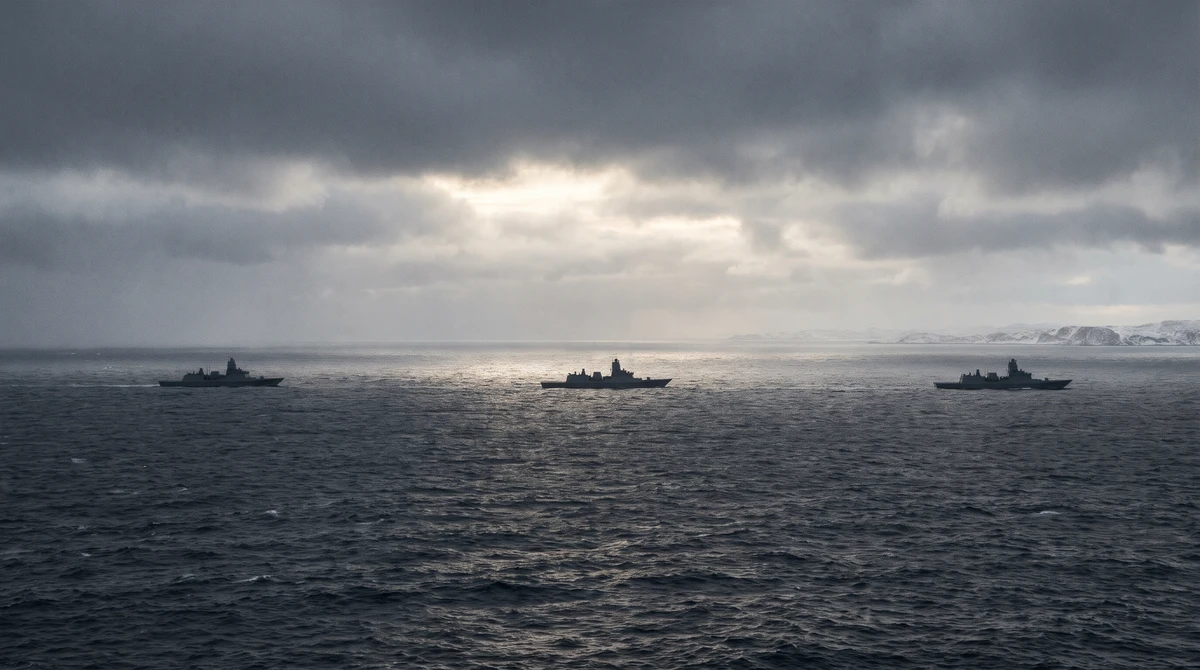
Northern Navies Initiative Joins 10 JEF Fleets With 25 Destroyers and Frigates and 19 Attack Submarines
The UK Ministry of Defence said on November 10 that the 10 Joint Expeditionary Force maritime nations signed a Northern Navies Initiative aboard HMS Prince of Wales in Oslo; GlobalMilitary.net's inventory counts 25 destroyers and frigates and 19 attack submarines among them.
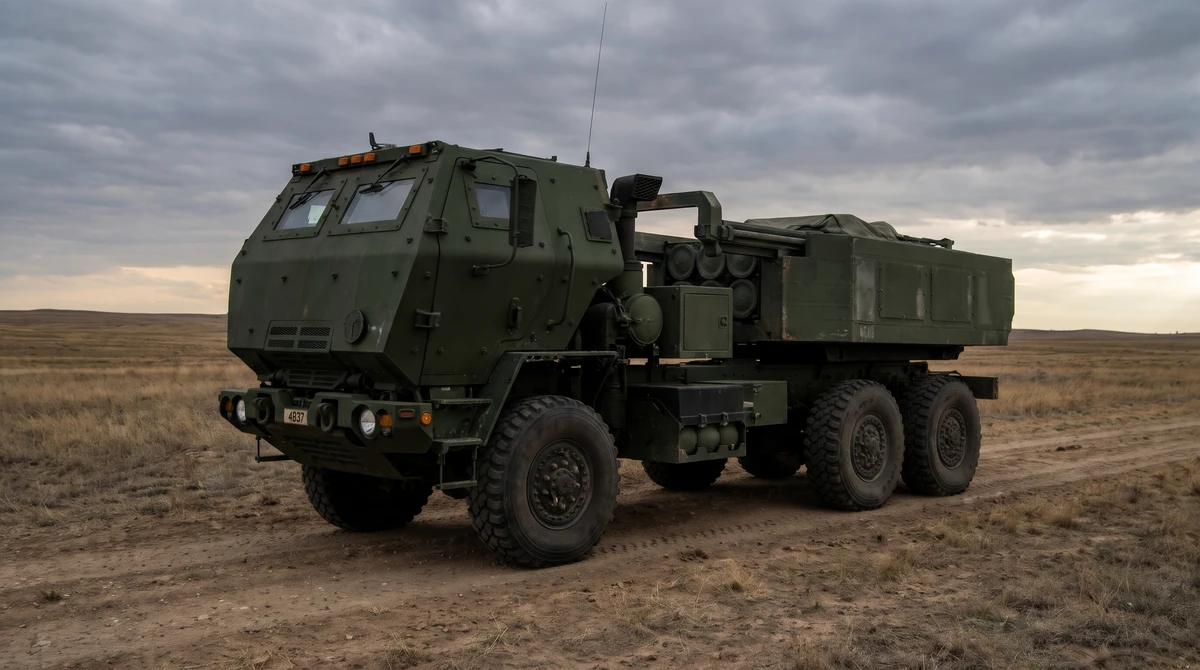
Lockheed Martin Delivers 100,000th GMLRS Rocket, Cites Output of Nearly 14,000 a Year
Lockheed Martin said on November 10 at a ceremony in Camden, Arkansas, that it has delivered its 100,000th GMLRS rocket and is producing nearly 14,000 a year, after a new solid rocket motor developed with General Dynamics completed a first test.
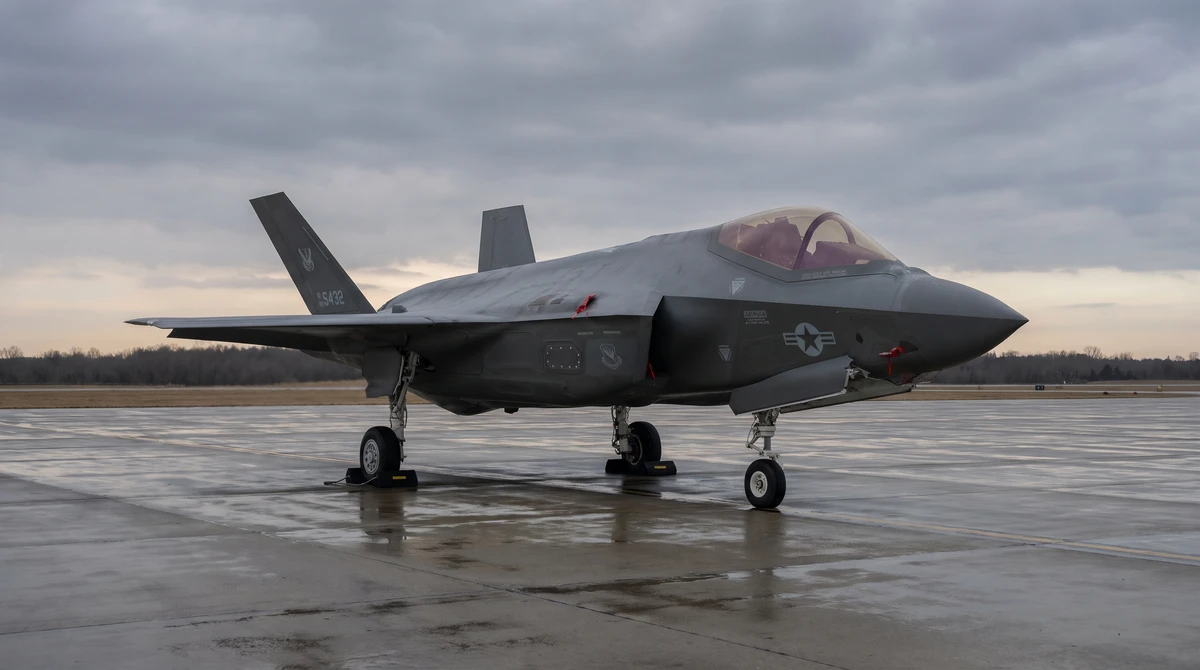
GAO: Pentagon Lacks Complete Records for 26 Million F-35 Parts Worth $31 Billion
The Government Accountability Office said in a report published on November 9, 2026 that the US Department of Defense does not maintain complete records of approximately 26 million F-35 parts, valued at approximately $31 billion and held at over 700 facilities worldwide.
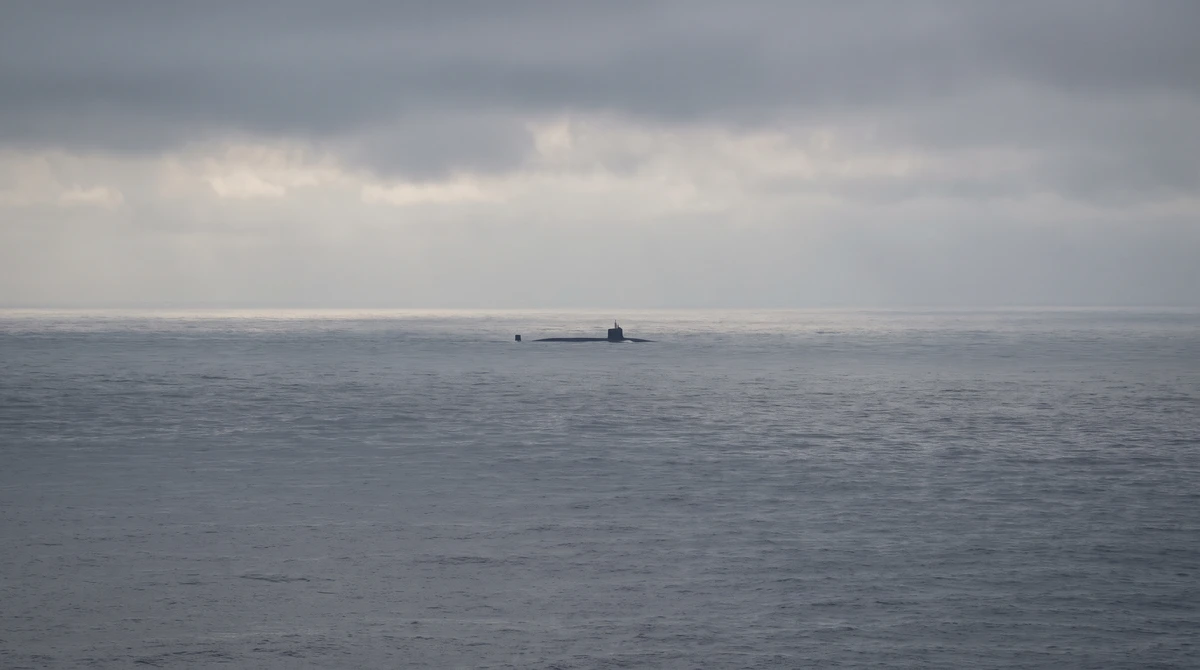
South Korea Approves Acquisition Strategy for Jangbogo N Nuclear-Powered Submarine
South Korea approved on November 6 the acquisition strategy for Jangbogo N, a domestically developed nuclear-powered submarine program due to start in 2027 with fielding in the late 2030s or later, the Defense Acquisition Program Administration said.
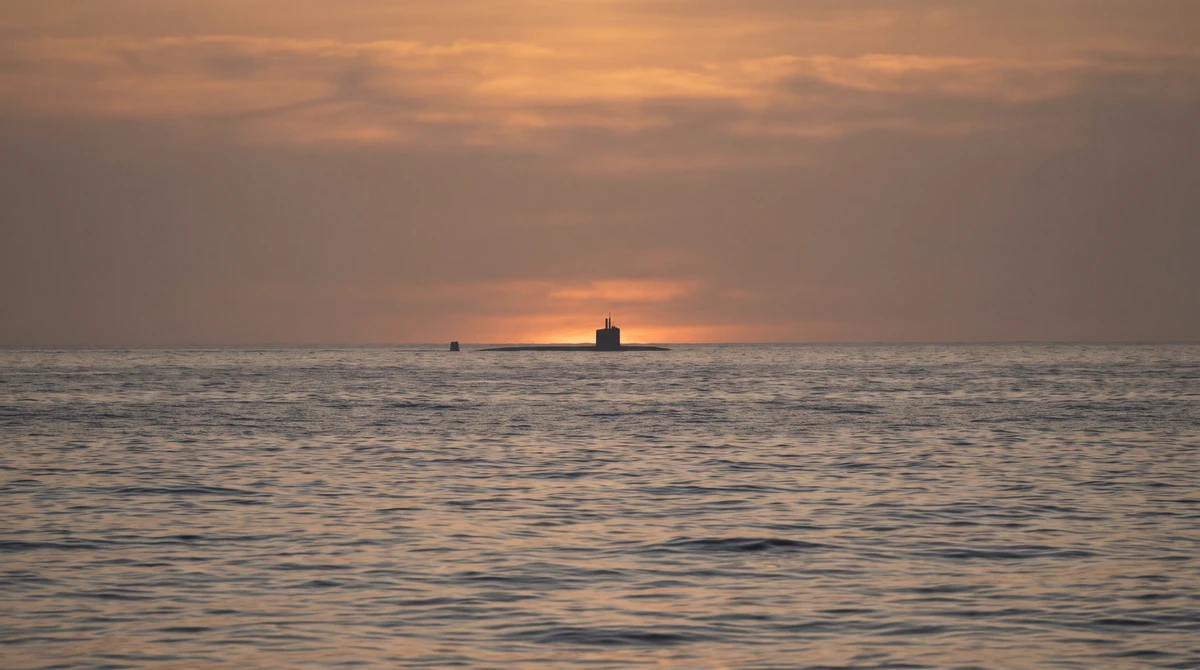
USS Los Angeles at 50: 18 of the 62 Boats of the 688 Class Still Serve in the US Navy
The lead boat of the US Navy's Los Angeles-class attack submarines was commissioned on 13 November 1976; fifty years on, 18 of the 62 boats built remain in commission while the Virginia class takes over, according to GlobalMilitary.net's inventory.
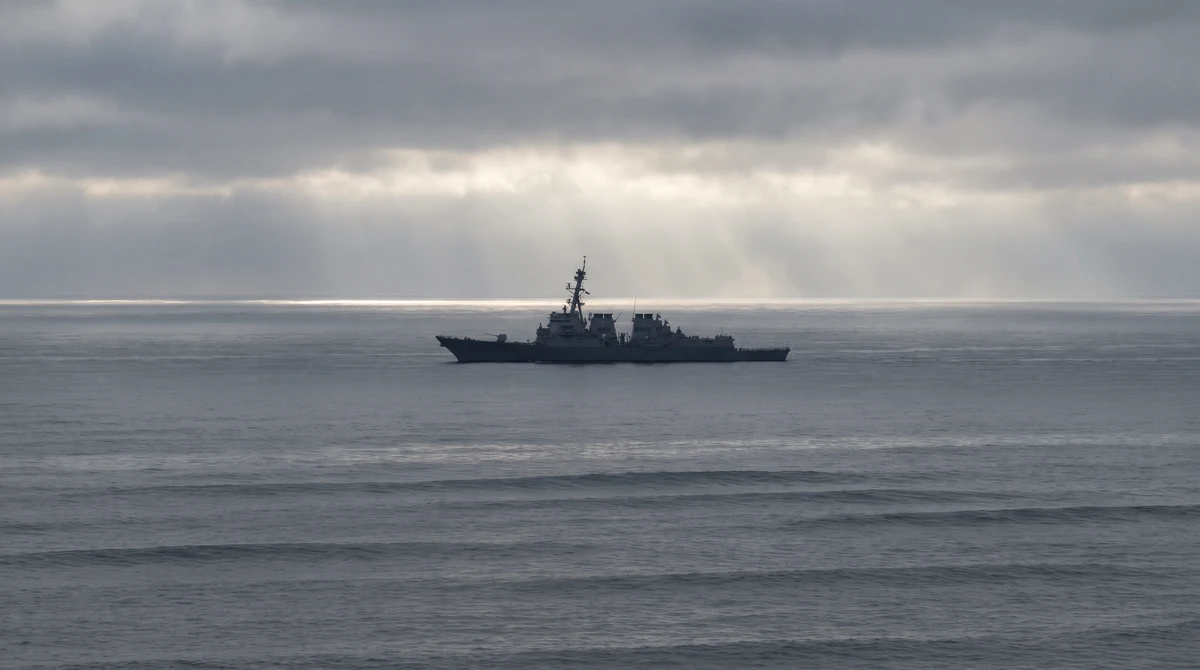
How Hot-Launch Mk 41 Cells and Cold-Launch Bulava Tubes Get a Missile Out of a Hull
The Mk 41 lights a missile's motor inside the ship and vents the blast through a plenum, while Bulava, Trident II and the S-300F are ejected before their motors ignite; DSIAC, Lockheed Martin and the US Navy spell out what each choice costs.