Germany Contracts Diehl to Arm Its Four F125 Frigates With IRIS-T SLM Air Defense Missiles
Diehl Defence and Germany's BAAINBw procurement office signed a contract on October 2, 2026 to adapt the IRIS-T SLM surface-to-air missile system for the German Navy's four Baden-Württemberg-class frigates, which were completed without a medium-range air defense missile.
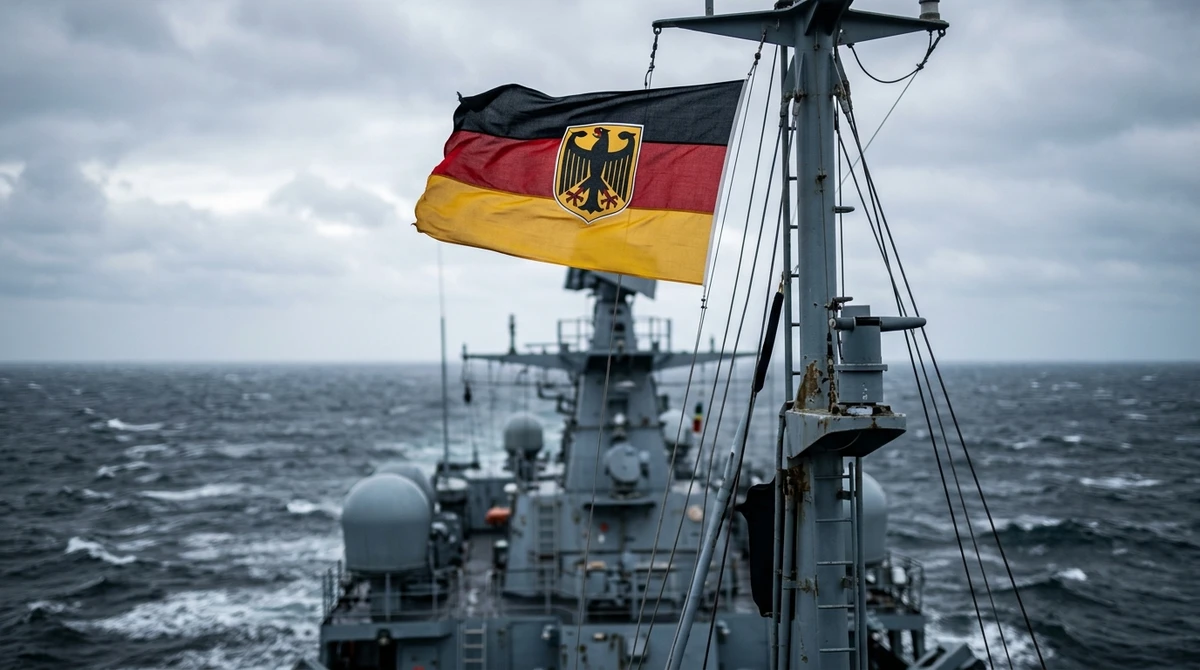
Diehl Defence and Germany's Federal Office of Bundeswehr Equipment, Information Technology and In-Service Support (BAAINBw) signed a contract on October 2, 2026 for the adaptation development of the IRIS-T SLM surface-to-air missile system, to make it mission-capable aboard the German Navy's F125 Baden-Württemberg-class frigates, Diehl Defence said in a release reported by Naval News and EDR Magazine. Under the contract, Diehl will build prototypes and conduct comprehensive test firings to integrate the system within the existing architecture of the F125 class. No contract value was disclosed.
According to The War Zone, each frigate will receive two new launchers holding 16 missiles each, for a total of 32 missiles per ship. The Bundeswehr gives IRIS-T SLM a range of around 40 km and an engagement altitude of up to 20 km, Janes reported.
The contract follows the Bundestag budget committee's approval of the measure on September 23, 2026, announced by the Federal Ministry of Defence the following day, according to Janes. The ministry said the F125s' self-defense capabilities are to be expanded in response to the current air threat, adding that IRIS-T SLM "has also proven itself in Ukraine's defensive fight against Russia."
The award builds on a live firing held a year ago. In October 2025, during the German Navy's Maritime Firing Exercise off Andøya, Norway, Diehl installed a navalized anti-air warfare IRIS-T SLM module on the C-deck of the frigate Baden-Württemberg, taking the project from concept to firing in less than ten months, the company said in the release reported by Naval News, adding that all test objectives were met. The Bundeswehr reported that the frigate fired three live missiles, with the ship's own radar supplying target data, according to The War Zone, and that the system engaged multiple targets, according to Janes. The War Zone notes that the deck-mounted module avoids the redesign a conventional vertical-launch installation would require.
The F125 is a roughly 7,200-ton warship. As completed, The War Zone reports, each ship carried eight RGM-84 Harpoon anti-ship missiles, a 127mm gun, remotely operated guns and two RIM-116 Rolling Airframe Missile launchers for close-in air defense, but no medium- or long-range surface-to-air missile and no organic sonar. In November 2024, the German Defence Ministry said Baden-Württemberg, returning from an Indo-Pacific deployment, would avoid the Red Sea and sail around Africa, citing the ship's limited air defense capability, The War Zone reported.
All four ships of the class are active: Baden-Württemberg (F222), Nordrhein-Westfalen (F223), Sachsen-Anhalt (F224) and Rheinland-Pfalz (F225), according to GlobalMilitary.net inventory data on Germany's frigate fleet, which also lists three F124 Sachsen-class air-defense frigates and four F123 Brandenburg-class frigates, with four F127 planned and four F128 on order. The F125 and the purpose-built F124 air-defense frigate can be set side by side in GMN's Baden-Württemberg versus Sachsen comparison.
The class has already carried containerized weapons on deck this year, as Germany tests new capabilities on the F125: on the night of September 1-2, 2026, Sachsen-Anhalt fired Israeli LORA quasi-ballistic missiles from containerized launchers on its flight deck in the North Atlantic, as GlobalMilitary.net reported at the time. Separately, the Bundestag budget committee cleared about €6.3 billion on July 8, 2026 for four F128 (MEKO A-200) anti-submarine frigates, a decision GMN covered in July.
The next steps are the ones the contract sets out: Diehl's prototype build and the test firings needed to integrate IRIS-T SLM within the F125's existing architecture, ahead of the planned two-launcher, 32-missile fit on each of the four ships.
More News
All news →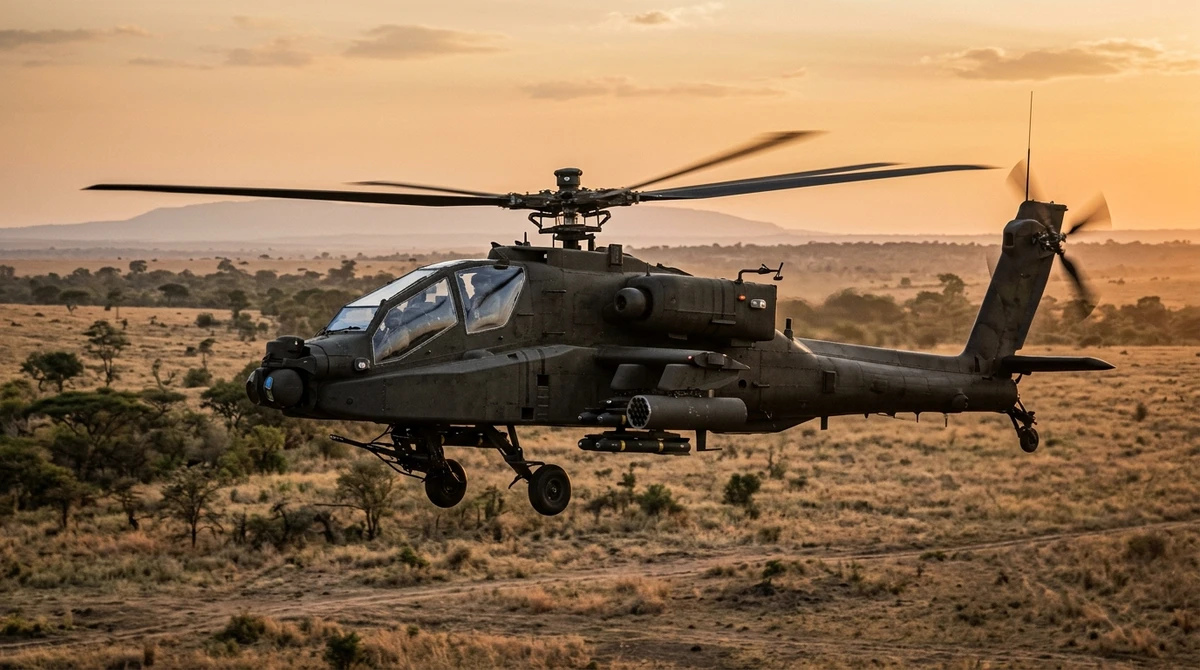
Australia Retires Its Tigers, Leaving Three Operators Among the World's 3,623 Attack Helicopters
The Australian Army has retired its Tiger attack helicopters, marking the fleet's sundown in Darwin on 30 September and leaving France, Germany and Spain as the only users; GlobalMilitary.net data counts 3,623 active attack helicopters in 81 countries.
US Navy Awards Raytheon Up to $24.4 Billion Multiyear Contract for SM-6 Missiles
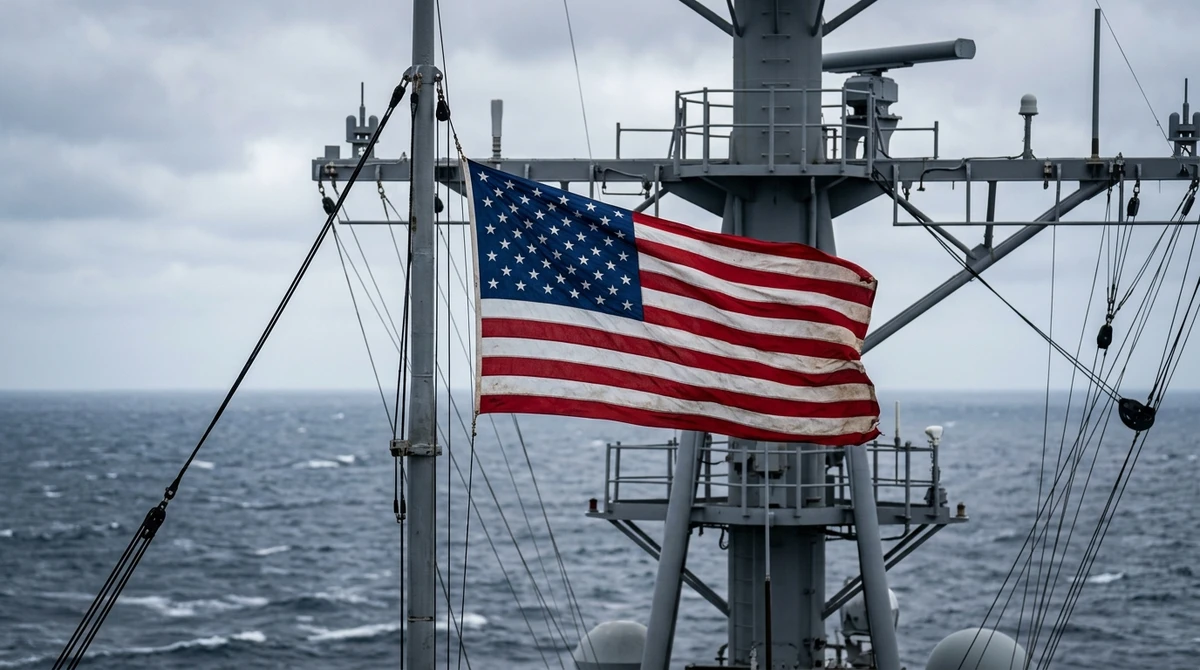
The US Navy on Oct. 1, 2026 awarded RTX's Raytheon unit a multiyear contract worth up to $24.4 billion for Standard Missile-6 interceptors, a five-year deal with two option years whose quantities remain undisclosed and whose funding Congress has yet to appropriate.
Pentagon Awards Raytheon Up to $20.7 Billion to Nearly Double AMRAAM Production
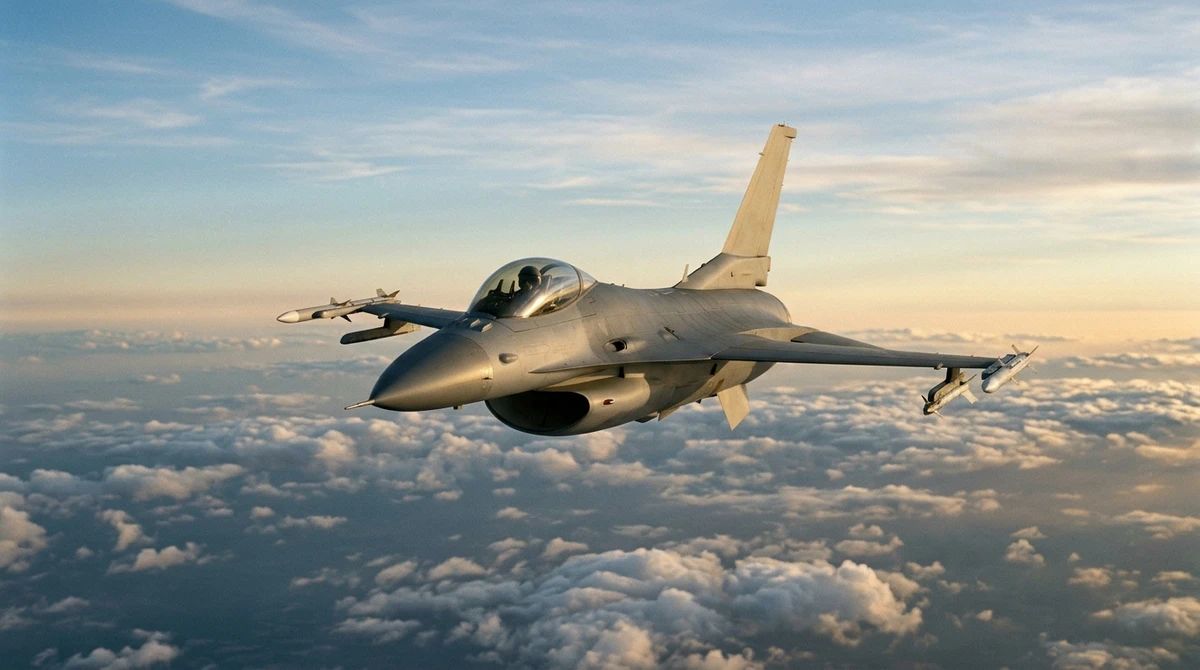
The Pentagon on 28 September announced a five-year AIM-120 AMRAAM production contract with RTX's Raytheon business worth up to $20.7 billion, an undefinitized award that Reuters described as provisional because Congress has not yet funded the full deal.
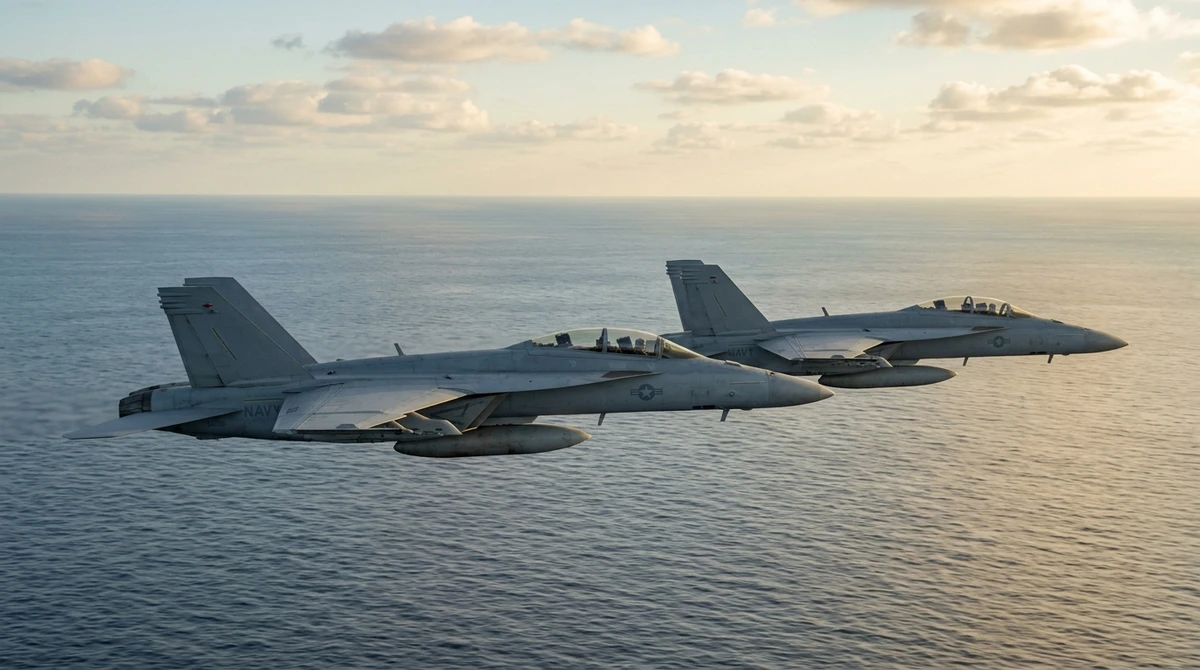
Boeing Wins US Navy's F/A-XX Sixth-Generation Fighter, Successor to 700 Super Hornets and Growlers
The Pentagon announced on September 29, 2026 that Boeing will build the F/A-XX, the US Navy's sixth-generation carrier-based fighter, under a full-scale development contract worth more than $20 billion to replace the F/A-18E/F Super Hornet and EA-18G Growler from the 2030s.

Russia Plans $202 Billion Defense Budget for 2027, Highest Since War Began, Budget Documents Show
Russia plans to spend 17.1 trillion roubles ($202.6 billion) on national defense in 2027, around 27% more than originally budgeted and the highest figure since the invasion of Ukraine in 2022, according to government budget documents seen by Reuters on September 28.

Chile Opens Search for a Replacement of Its 50-Year-Old F-5 Tiger III Fighters
Chile's defense minister announced in Punta Arenas on September 24 that the Chilean Air Force has formally begun the process of replacing its F-5E/F Tiger III fighters, in service since 1976, within a package that also covers transports, helicopters, maritime patrol and Antarctic capabilities.