Iran Has Lost Every Frigate and Corvette in Its Navy: 30 Hulls Gone in Five Months
GlobalMilitary.net fleet records attribute 30 Islamic Republic of Iran Navy hulls to the war that began on February 28, 2026. Every frigate and every corvette on the fleet list is marked sunk, leaving the regular navy without a single blue-water surface combatant.
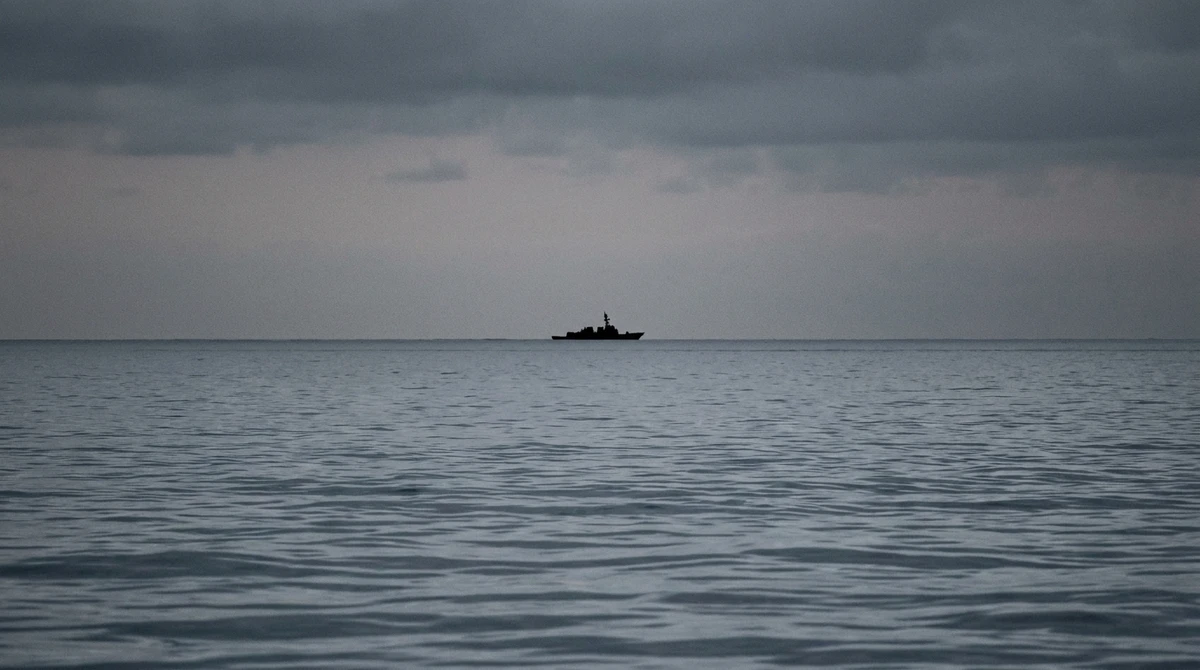
The regular Iranian Navy no longer operates a single frigate or corvette. GlobalMilitary.net fleet records attribute 30 Islamic Republic of Iran Navy hulls to the 2026 Iran conflict between February 28 and July 12, 2026, and what remains of the Iranian Navy contains no blue-water surface combatant of any kind.
The 2026 fleet list for Iran carries 105 hulls: 75 active, 28 sunk and two captured. Every frigate and every corvette on it is marked sunk. Seven of the eight frigates were lost in the war; the eighth, IRIS Damavand, ran aground in the Caspian Sea in 2018 and is not a war loss.
The 30 hulls attributed to the conflict break down as follows:
- Nine corvettes, including all five Shahid Soleimani-class missile catamarans and both pre-revolutionary Bayandor-class ships
- Seven frigates, four of the Iranian-built Moudge class and three of the British-built Alvand class
- Four Sina-class fast attack craft
- Four submarines: the Kilo-class attack boat IRIS Taregh, the coastal submarine IRIS Fateh and two Ghadir-class midget submarines
- The Shahid Bagheri drone carrier, the forward base ships IRIS Makran and IRIS Shahid Mahdavi, and the intelligence ship IRIS Zagros
- Two vessels interned abroad: the landing ship IRIS Lavan at Kochi, India, on March 4 and the replenishment ship IRIS Bushehr at Colombo, Sri Lanka, on March 5
The losses were heavily concentrated at the outset. Twenty-two of the 30 hulls were gone within the first 11 days. The opening day of Operation Epic Fury alone accounted for six, struck at the Konarak and Bandar Abbas naval bases, among them the Moudge-class lead ship IRIS Jamaran and the drone carrier IRIS Shahid Bagheri.
Two engagements stand apart from the strikes on moored ships. On March 4 the Moudge-class frigate IRIS Dena, returning from the Indian Navy's MILAN exercise, was torpedoed by a US Navy submarine roughly 20 nautical miles south of Galle, Sri Lanka, the first American torpedo attack on an enemy warship since the Second World War. On March 18 and 19, Israeli strikes on Bandar Anzali destroyed Iran's entire Caspian flotilla, six hulls in two days. The most recent recorded loss came on July 12, when three Corsair unmanned surface vessels destroyed a Ghadir-class boat pier-side at Bandar Abbas.
The 75 hulls still listed as active are almost entirely coastal and logistical: two Kilo-class attack submarines, two Ghadir midgets, 22 patrol craft, 14 landing craft air cushion, nine amphibious ships, 16 auxiliaries and a single minehunter. Iran, ranked 30th in the global military power ranking, retains a navy able to operate in the Gulf and to mine or harass shipping, but not one able to fight a fleet action.
A note on method. These figures cover the regular Islamic Republic of Iran Navy, which GlobalMilitary.net tracks hull by hull. The Islamic Revolutionary Guard Corps Navy and its swarm of small fast boats are a separate force that is not tracked individually here. US officials have cited more than 120 vessels destroyed or incapacitated across both navies, a figure that is not comparable to the 30 named hulls above. Losses are drawn from GMN's own event records, each built from published reporting and, where available, official imagery.
The conflict is not over. Commercial traffic through the waterway continues to be tracked on the Strait of Hormuz monitor, and the air campaign has cost Iran and its opponents a separate tally of aircraft, examined in our earlier analysis of 129 aircraft lost in the Iran war.
More News
All news →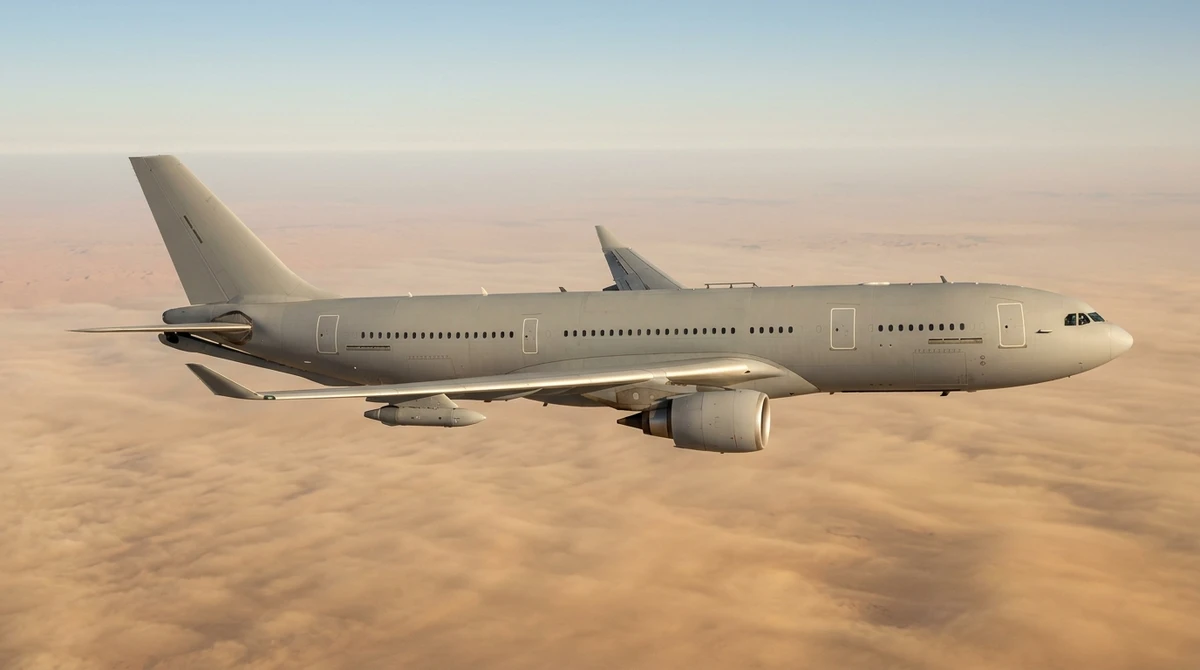
Boom or Drogue: Why the RAF Tanker Sent to Saudi Arabia Cannot Refuel Its F-15s
Britain announced on September 22, 2026 that it will send a Voyager tanker to Saudi Arabia, but its hose-and-drogue pods can serve only the Typhoons and Tornados, not the 232 F-15s that make up 60 percent of the Saudi combat fleet.
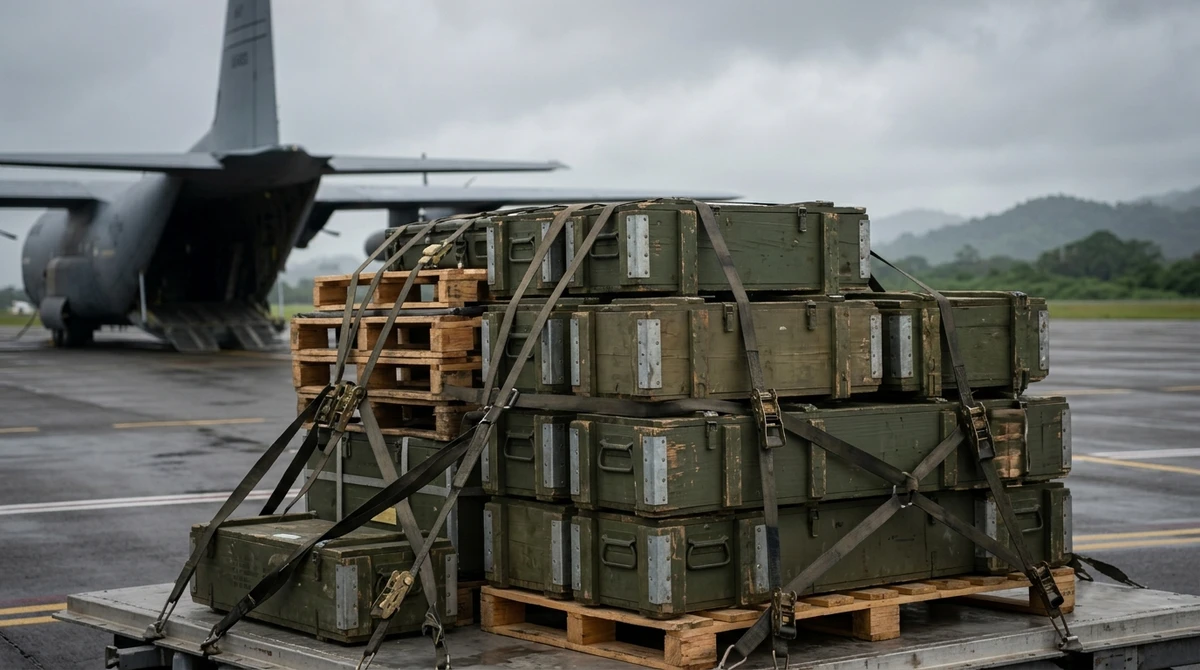
Guatemala Receives First Lot of More Than 2,000 M4A1 Carbines in First US Arms Purchase in Decades
Guatemala's army formally took delivery on 21 September 2026 of a first lot of more than 2,000 US-made M4A1 carbines at La Aurora International Airport in Guatemala City, the opening tranche of a US$5 million Foreign Military Sales order for a new jungle brigade in Petén.
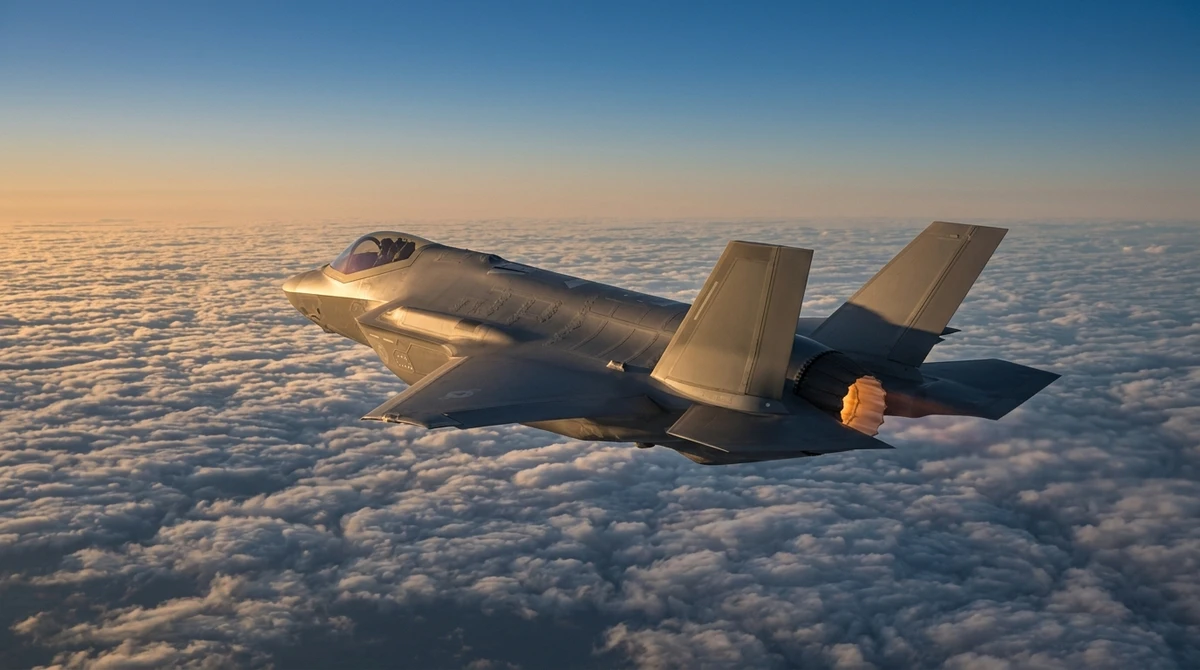
General Atomics Delivers FQ-42 Vengeance Uncrewed Fighter to Creech Air Force Base
General Atomics delivered one FQ-42 Vengeance uncrewed fighter to Creech Air Force Base, Nevada, on September 18, as the company says it is on track to build six a month and the Secretary of the Air Force expects at least 500 autonomous aircraft in service by 2032.
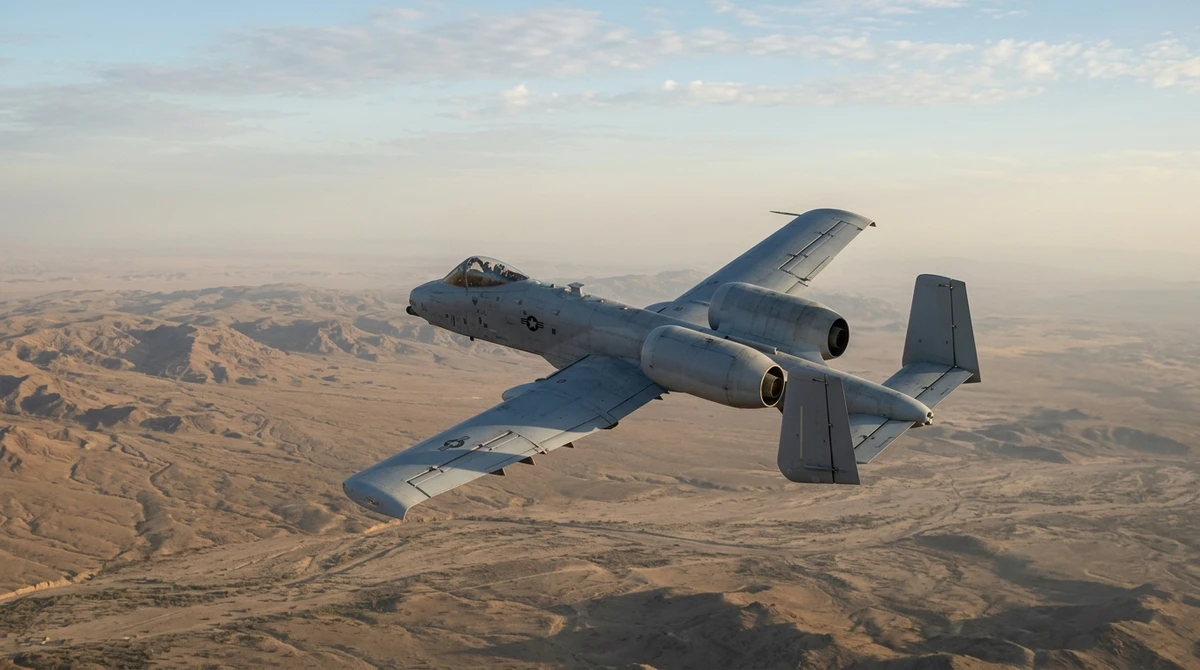
Davis-Monthan Inactivates Four A-10 Units, Ending the Base's Thunderbolt II Mission
The US Air Force inactivated four A-10 units at Davis-Monthan Air Force Base, Arizona, on September 18, 2026, ending the type's presence at the base while the FY2026 defense authorization act holds the fleet at no fewer than 103 aircraft through fiscal 2026.
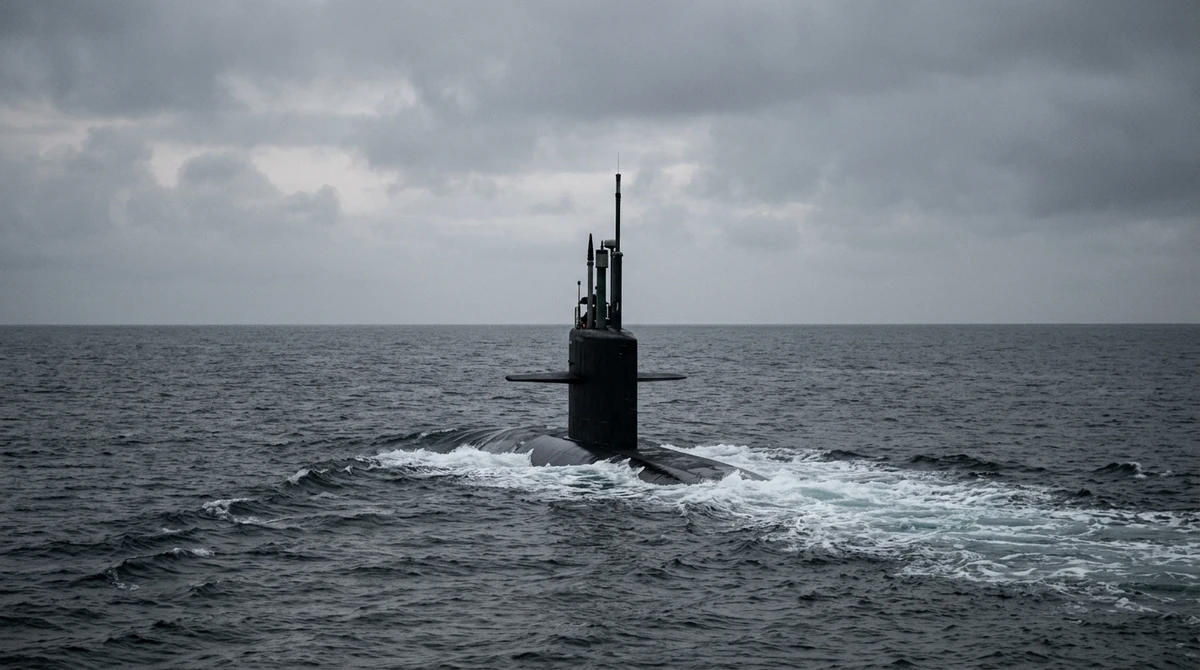
Nuclear vs Air-Independent Propulsion: How a Submarine Runs Without Air, and What Japan Is Weighing
After Japan's defense minister declined on September 11, 2026 to rule out nuclear-powered submarines, a technical explainer on how a reactor, a Stirling engine, a fuel cell and a lithium-ion battery each keep a boat under water, and what each one buys.
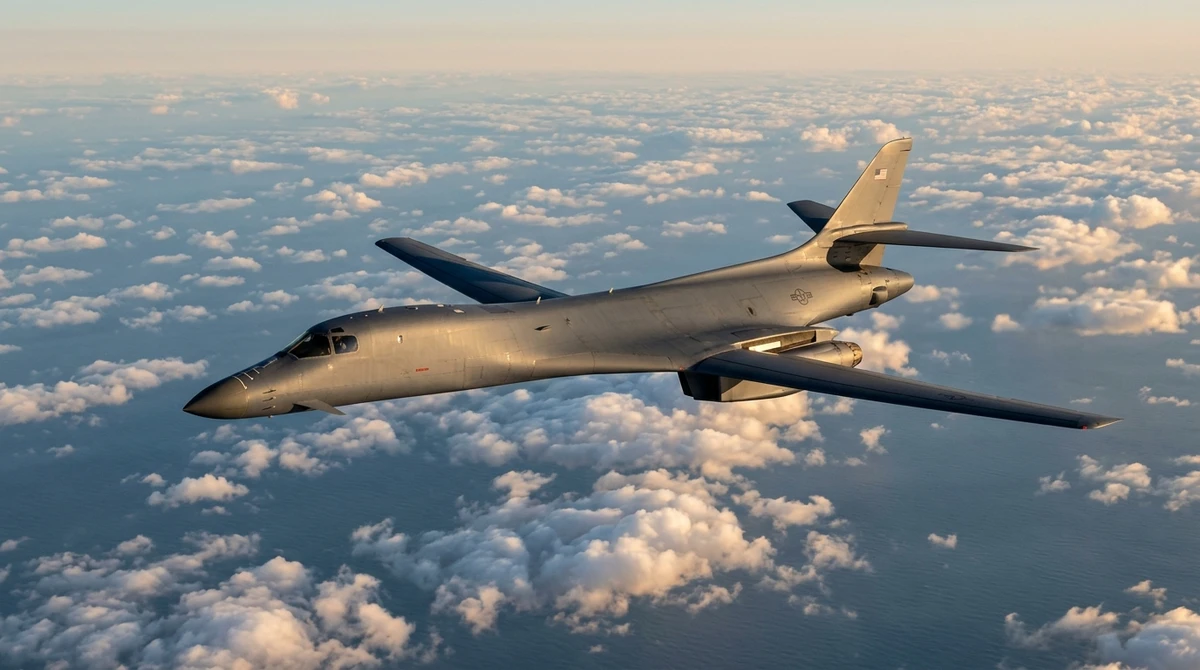
US Air Force to Extend B-1 and B-2 Service Lives With Only Three B-21s in the Fleet
Air Force Global Strike Command said on 17 September 2026 that the B-1 Lancer and B-2 Spirit will fly beyond their planned retirements, keeping a US bomber force built on 1955, 1986 and 1993 designs in service while the B-21 Raider arrives at three aircraft.