Lockheed Unveils PAC-3 Edge, a Next-Generation Patriot Interceptor for the Army's Future Interceptor Program
Lockheed Martin on October 9 unveiled PAC-3 Edge, its candidate for the US Army's Future Interceptor program and planned successor to the PAC-3 MSE Patriot missile, which it says the Army has moved to the next development stage, with testing planned for 2027 and fielding targeted by 2031.
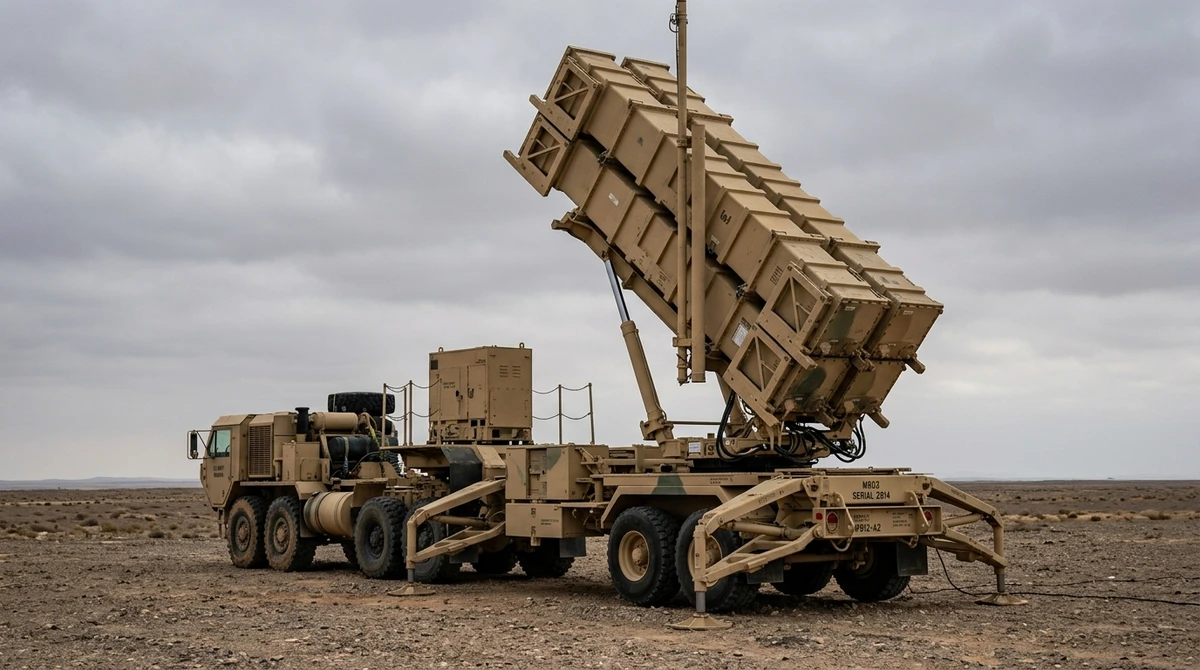
Lockheed Martin on October 9 unveiled PAC-3 Edge, its entry for the US Army's Future Interceptor program and the intended successor to the PAC-3 MSE, the current interceptor of the Patriot air defense system. The company said the Army has moved the missile into the program's next development stage, while noting that the program remains in competition. A full-scale model was due to be shown at the Association of the United States Army annual meeting in Washington on Monday, October 12, Breaking Defense reported.
According to Lockheed, PAC-3 Edge combines a new seeker built by the company and designed by its Strigo Product Center, a multi-pulse solid rocket motor designed by Northrop Grumman, and an upgraded control system; Breaking Defense describes the motor as a three-pulse design developed with Northrop Grumman. Lockheed says the missile is designed to counter air, missile and hypersonic threats at higher altitudes and longer ranges, but it published no range, altitude or speed figures. The president of Lockheed Martin's Missiles and Fire Control business told Breaking Defense that "PAC-3 Edge is designed to go after the most stressing targets" and that it "will be longer ranged. It'll be higher altitude." Breaking Defense reported that, in the company's account, the missile is meant to engage targets that try to hide better, through greater seeker sensitivity and maneuverability.
The same executive told Breaking Defense that Lockheed is one of two companies selected to advance in the program. He did not name the other, and the Army did not respond to Breaking Defense's request for comment. Lockheed plans to invest about $800 million in the seeker, which it intends to reuse across other systems, and has already put "somewhere between $50 [million] and $100 million or better" into the missile program, the executive said, according to Breaking Defense.
On cost and output, the executive told Reuters, in remarks carried by Defense News, that "The cost of this would be about that of the existing PAC-3 MSE" and that "At full production, the annual rate would be about 2,000 units a year, comparable with PAC-3 MSE." Those figures are company statements rather than contracted quantities. Lockheed says testing is to begin in 2027, with deployment targeted by 2031. The missile is to be built on Lockheed's existing PAC-3 line in Camden, Arkansas; a new MSE facility is under construction, and production will move there, the executive told Breaking Defense.
Lockheed says PAC-3 Edge is designed to work with the Army's Integrated Battle Command System, the M903 launcher, containerized launchers and HIMARS Flex. It joins a PAC-3 family that comprises the PAC-3 MSE, the legacy PAC-3 CRI and PAC-3 ACE, a lower-cost, less capable version of the MSE for international customers that Lockheed announced earlier in 2026.
The Army's plans for a Patriot successor have shifted before. In 2024 the Army announced plans to cancel the Lower Tier Future Interceptor program, in which Raytheon and Lockheed were competing, Breaking Defense reported; in October 2025 the Army's then program executive officer for missiles and space said "the glass is probably half full that we'll get to run that program." The unveiling also follows a year of expansion for the existing PAC-3 line. In January 2026, Lockheed signed a seven-year framework agreement with the Pentagon to raise annual PAC-3 production capacity from about 600 to 2,000 interceptors, and in July 2026 the Army awarded the company a contract worth up to $58.6 billion to ramp up PAC-3 production, Reuters reported via Defense News. Reuters notes that demand for air and missile defense amid the conflicts in Ukraine and the Middle East has strained US stockpiles.
Beyond the United States, GMN's database lists the MIM-104 Patriot system with 20 other operator countries, among them Germany and Poland in Europe, as well as Japan and Ukraine. Lockheed has not said whether PAC-3 Edge would be offered to them; PAC-3 ACE is the variant it has pitched to international customers.
The next milestones are the display of the full-scale model at the Washington meeting this week and the start of testing in 2027. The identity of the second company advancing in the Future Interceptor program, and the Army's own account of the selection, remain unconfirmed.
More News
All news →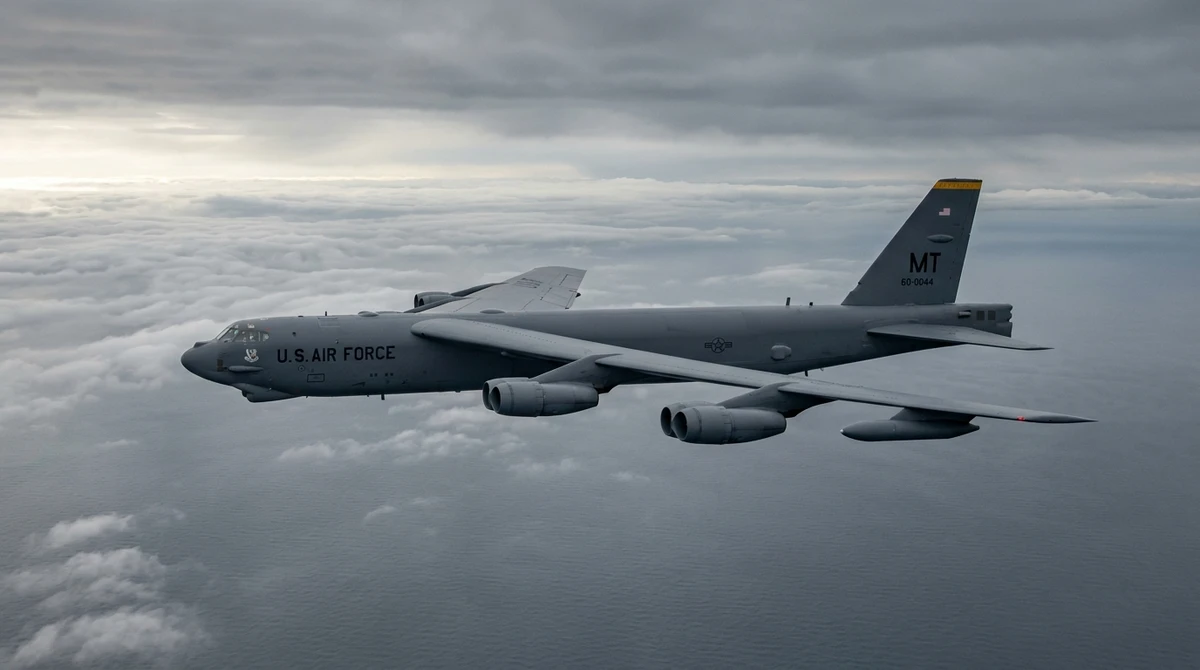
Navy Plans Sole-Source Lockheed Contract to Integrate LRASM Anti-Ship Missile on the B-52
Naval Air Systems Command said in an October 7 notice that it intends to negotiate a sole-source delivery order with Lockheed Martin to integrate the AGM-158C Long-Range Anti-Ship Missile on the US Air Force's B-52 bomber, The War Zone and Air & Space Forces Magazine reported.

Bombardier Global Express Turns 30 With More Military Jets on Order Than in Service
Thirty years after its first flight from Toronto on October 13, 1996, the Bombardier Global Express has become a platform for military special-mission aircraft, and GlobalMilitary.net's inventory data now counts more Global-based military aircraft on order than in service.
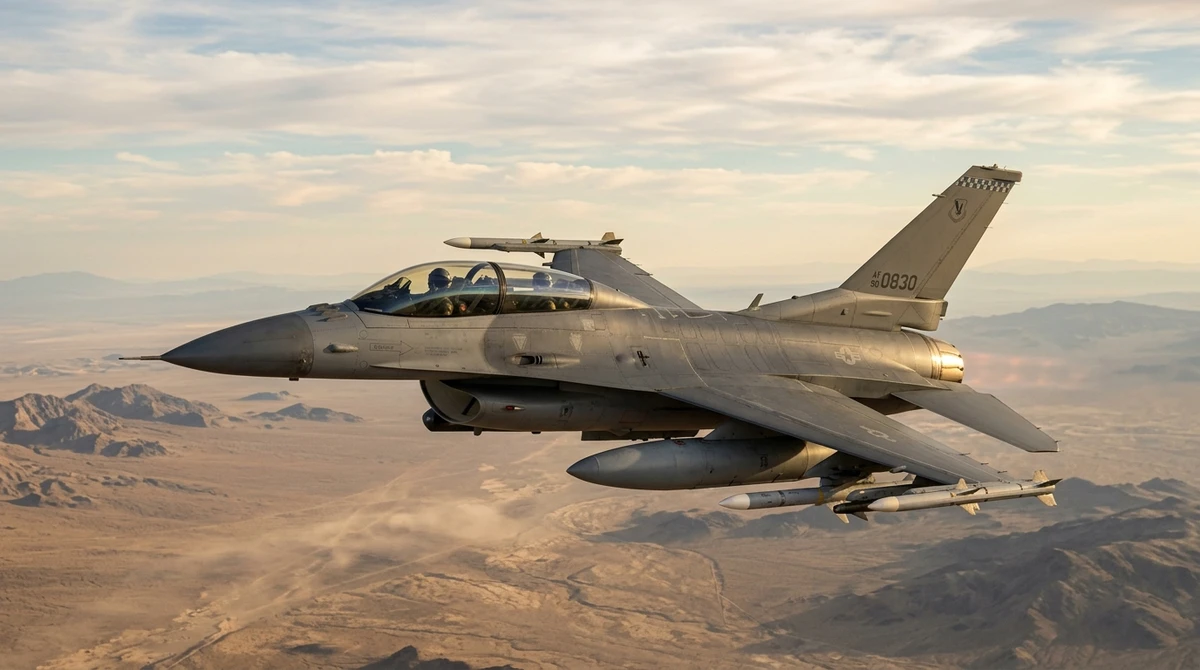
Morocco's First F-16 Block 72 Makes Maiden Flight, the First Pratt & Whitney-Powered Viper to Fly
Lockheed Martin said on October 6 that the Royal Moroccan Air Force's first F-16 Block 72, a two-seat F-16D, had flown from its Greenville, South Carolina, plant, the first flight of the Pratt & Whitney-engined version of the latest-generation Fighting Falcon.

First HACM Hypersonic Cruise Missile Flight Test Unit Released Over Australia
The U.S. Air Force says a Hypersonic Attack Cruise Missile flight test unit was released by the Royal Australian Air Force over an Australian test range, without disclosing the date, the launch aircraft or whether the scramjet-powered weapon achieved powered flight.

Spain Selects Airbus A321 as Platform for Three SIGINT Aircraft in €436M Program
Spain has chosen the Airbus A321 as the platform for three signals-intelligence aircraft for the Spanish Air and Space Force, restoring a dedicated airborne SIGINT capability the country has lacked since its Boeing 707 was retired in 2014.
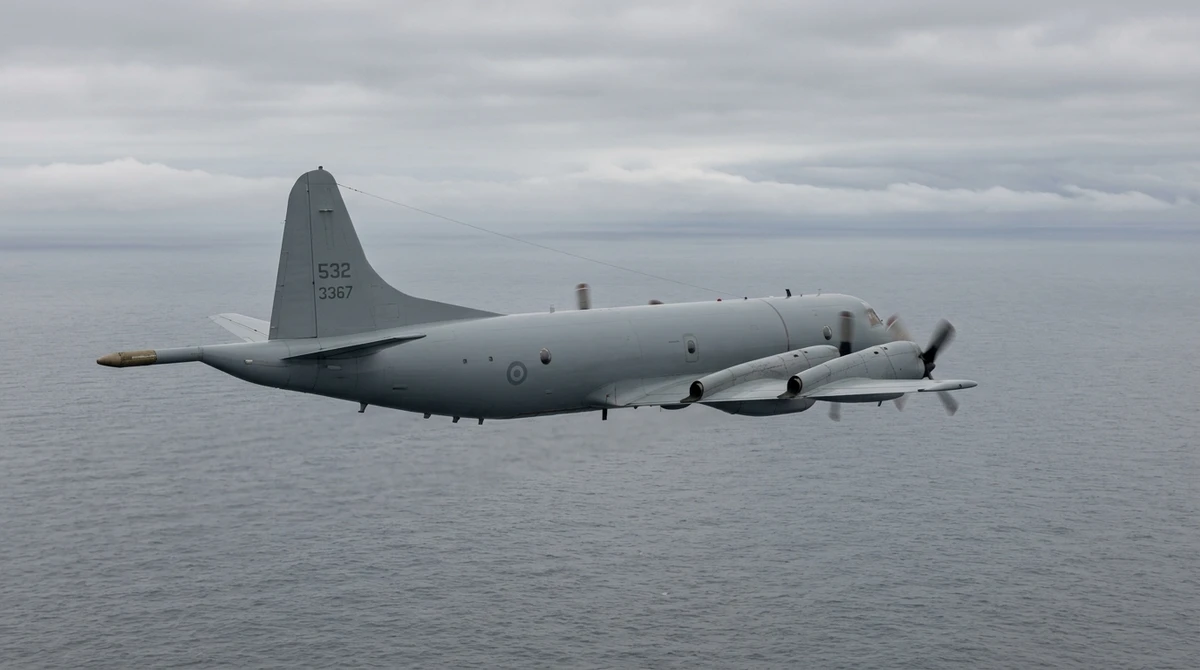
P-3 Orion Fleet Down to 101 Aircraft in 12 Countries, Roughly Half Its 2022 Size
GlobalMilitary.net's inventory data counts 101 P-3 Orions in military service across 12 countries, down from 211 in 16 countries in its 2022 snapshot, as US agencies retire special-mission Orions and Japan draws down the largest remaining fleet.