Ukraine Parades Nine Naval Drones on the Dnipro, from Air-Defense Fits to a Drone Carrier
Kyiv's 35th Independence Day parade on 24 August 2026 carried no tanks and no marching troops: nine unmanned surface vessels ran down the Dnipro, in air-defense, drone-carrier, rocket-artillery and strike configurations that show Ukraine's sea drones splitting into specialized roles.
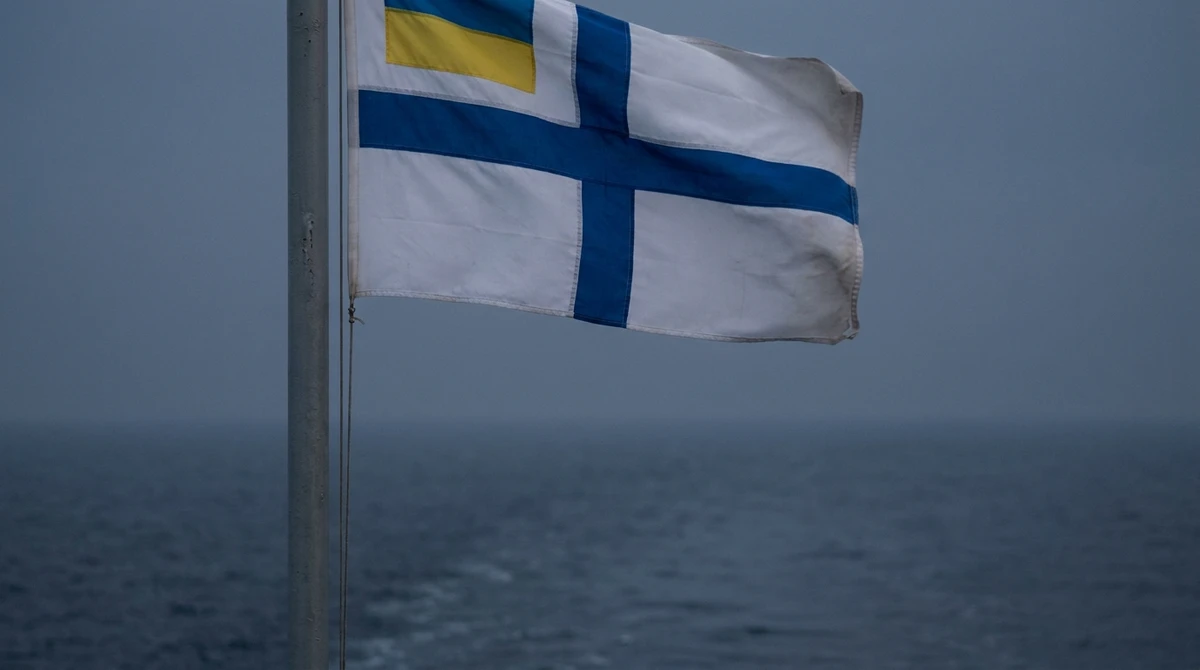
Ukraine marked its 35th Independence Day on 24 August 2026 with a military parade made up entirely of uncrewed systems. Close to 100 machines took part in Kyiv and no formations marched: around 30 unmanned ground vehicles rolled along Khreshchatyk, strike and interceptor drones flew overhead, and nine unmanned surface vessels ran down the Dnipro. Reporting described it as the first all-drone military parade held anywhere.
The river segment carried the new information. Naval News, which identified the hulls from parade footage and imagery released by the President's Office, reported that the flotilla mixed several distinct platforms drawn from different branches of the armed forces, and that most appeared in a specialized fit rather than as bare explosive boats. The wire agencies covered the parade without identifying individual craft.
According to that account, the Magura V7 appeared with the Sea Dragon air-defense mount, armed for the parade with Soviet R-73 (AA-11 Archer) air-to-air missiles. Three fits of the Sargan, also known as Seawolf, were shown alongside it: one carrying Sea Dragon with AIM-9 Sidewinder missiles, one with four hangars for quadcopter strike drones, and one combining four 122 mm Grad rockets with an electronic warfare suite. Several Sea Baby craft were also present, the outlet said, apparently fitted with ram charges. Those configuration details rest on a single publication and have not been independently confirmed.
One vessel was genuinely new, and two outlets agree on it. Naval News and The War Zone both identified a previously unseen Magura variant, the MV11, built by Uforce as a mothership rather than an attack craft. The War Zone reported it carries payloads of up to 2,200 kg, is designed for open-ocean operations lasting up to a week, and was shown holding 18 vertically launched Sting interceptors — an offshore counter-drone battery rather than a weapon aimed at ships.
The spread of roles is the substance behind the spectacle. Ukraine's first sea drones, in 2022, were single-use explosive boats with one mission profile. Four years later the same families cover strike, air defense, shore bombardment, electronic warfare and drone carriage — a progression that has made unmanned vessels the fastest-moving category in the naval catalog, and one Ukraine is further along than any other operator.
The combat record behind that claim comes largely from Ukrainian military intelligence, which credits Magura V5 boats with sinking the Tarantul III-class corvette Ivanovets on 1 February 2024, the Ropucha-class landing ship Tsezar Kunikov on 14 February and the Project 22160 patrol ship Sergey Kotov on 5 March. A Magura V7 was credited with downing two Su-30SM fighters over the Black Sea on 2 May 2025, the first aircraft shot down by a surface drone; Kyiv later confirmed the shots were taken with Sidewinders rather than R-73s. The cumulative effect on Russia's navy is not disputed even where individual tallies are: its Black Sea Fleet has largely withdrawn from the western basin.
What the parade does not change is the conventional balance. The Ukrainian Navy still has no major surface combatant in commission — its two Turkish-built Ada-class corvettes remain in fitting out — so the specialized USV force is not a supplement to a fleet but a substitute for one. Whether a flotilla of role-split drone boats can hold a sea the way warships do is the question the war with Russia is still answering.
More News
All news →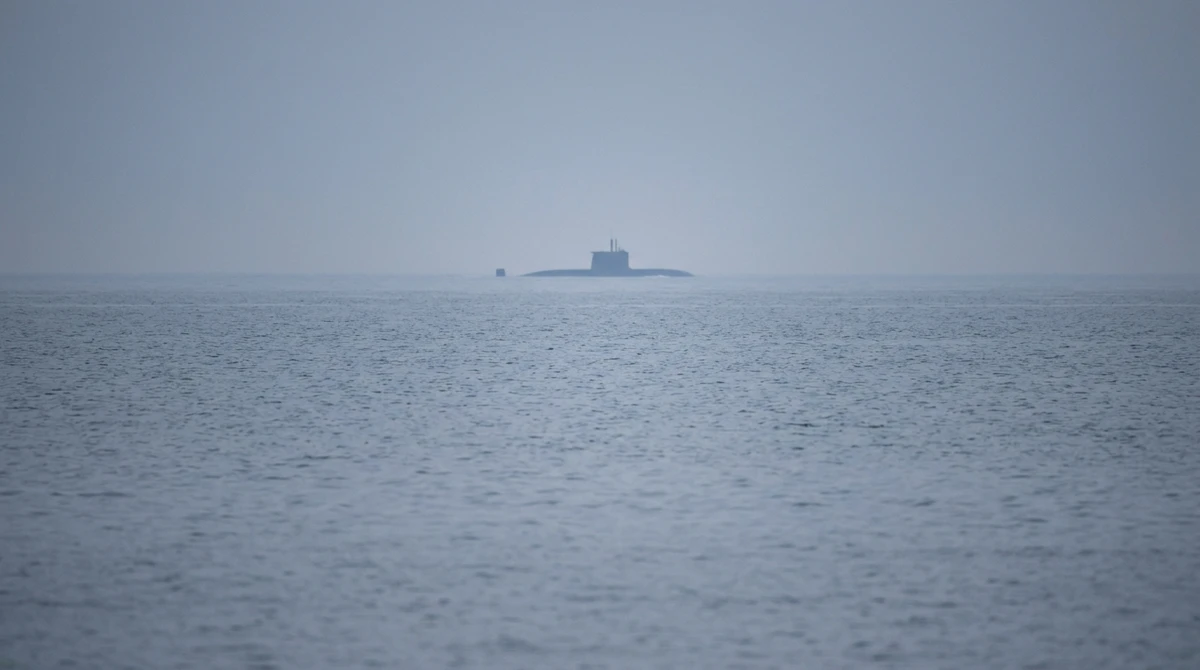
North Korea Says It Fired Two Submarine-Launched Cruise Missiles, Shows Hero Kim Kun Ok Submarine at Sea
North Korea's state media said two types of submarine-launched cruise missiles were test-fired off its east coast on October 14, 2026, and released a first photo of the Hero Kim Kun Ok submarine at sea; Seoul said it tracked the launches.
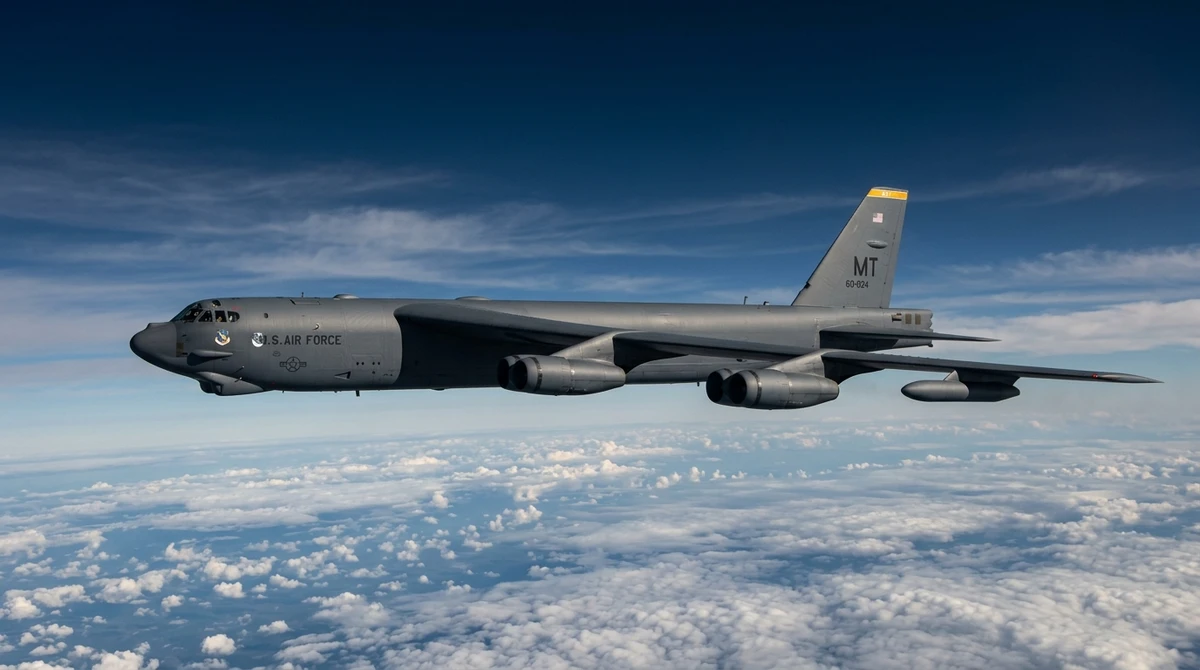
Why Hypersonic Glide Vehicles, Scramjet Cruise Missiles and the Kinzhal Are Three Different Weapons
Two flight tests in one week, the US Air Force's scramjet-powered HACM over Australia and South Korea's first hypersonic glide vehicle on October 8, shared one word for different machines; what sets them, and Russia's Kinzhal, apart is altitude, propulsion and maneuver, not speed.
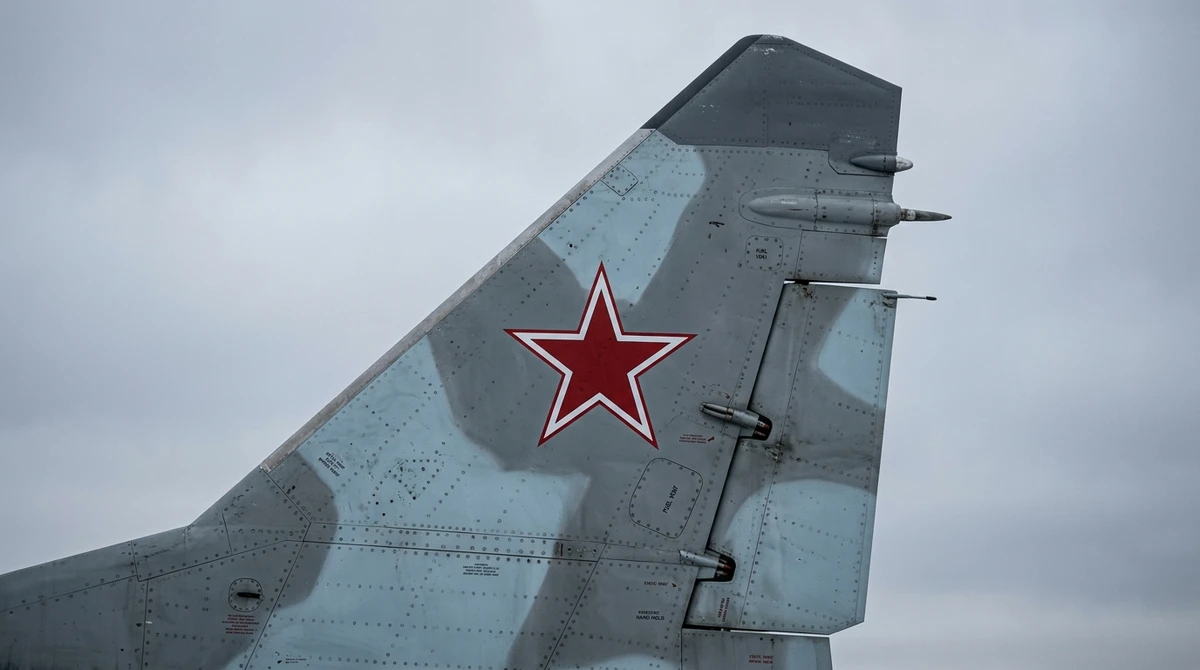
Su-34 Fullback Is the Combat Jet Russia Has Lost Most Often Since 2022, With 37 Airframes in GMN's Log
GlobalMilitary.net's log of documented losses records 37 Russian Su-34 airframes lost since February 2022, more than any other fixed-wing combat aircraft, as the destruction of a Fullback at Khanskaya Air Base on October 4 and a new delivery batch on October 7 bracket the latest week.

South Korea Flight-Tests Its First Hypersonic Glide Vehicle, Presidential Office Says
Seoul says a hypersonic glide vehicle separated from its booster, maneuvered and hit a test target in a first flight test on October 8, watched in person by President Lee Jae Myung, five days after North Korea's own hypersonic launch.

First HACM Hypersonic Cruise Missile Flight Test Unit Released Over Australia
The U.S. Air Force says a Hypersonic Attack Cruise Missile flight test unit was released by the Royal Australian Air Force over an Australian test range, without disclosing the date, the launch aircraft or whether the scramjet-powered weapon achieved powered flight.
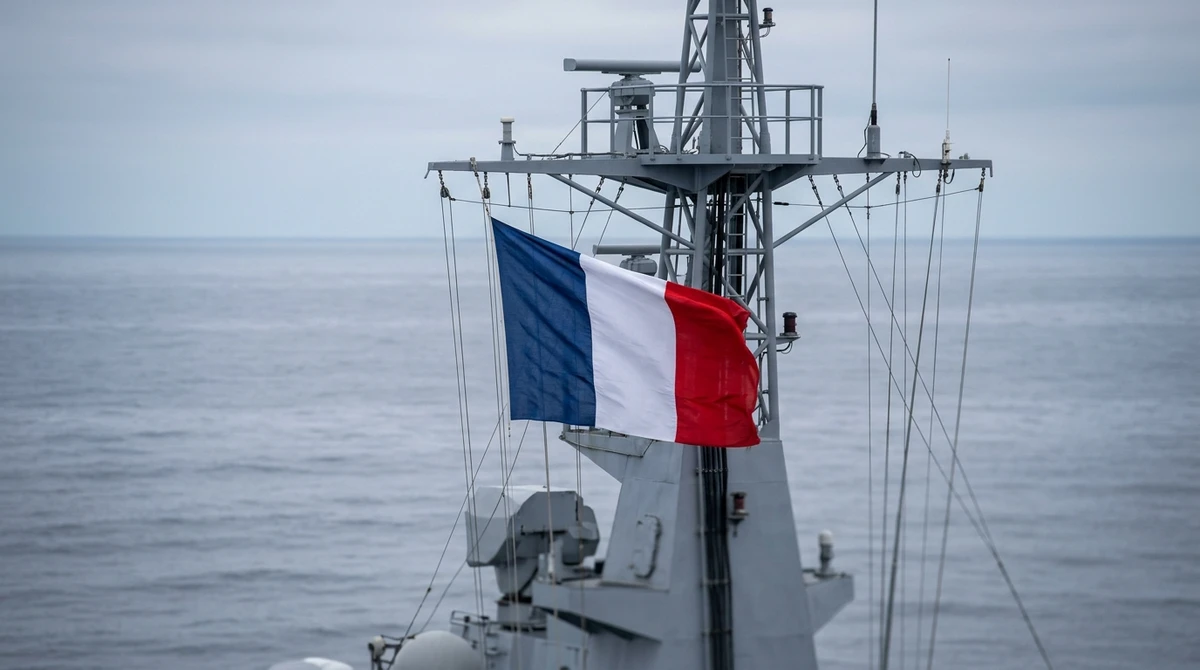
France Fires M51.3 Nuclear-Capable Missile From a Submarine for the First Time
The French Navy ballistic-missile submarine Le Vigilant launched an M51.3 without a nuclear warhead off Finistère, western France, on October 6, 2026, the first submarine firing of the missile's latest version, Defense News reported.