Why Hypersonic Glide Vehicles, Scramjet Cruise Missiles and the Kinzhal Are Three Different Weapons
Two flight tests in one week, the US Air Force's scramjet-powered HACM over Australia and South Korea's first hypersonic glide vehicle on October 8, shared one word for different machines; what sets them, and Russia's Kinzhal, apart is altitude, propulsion and maneuver, not speed.
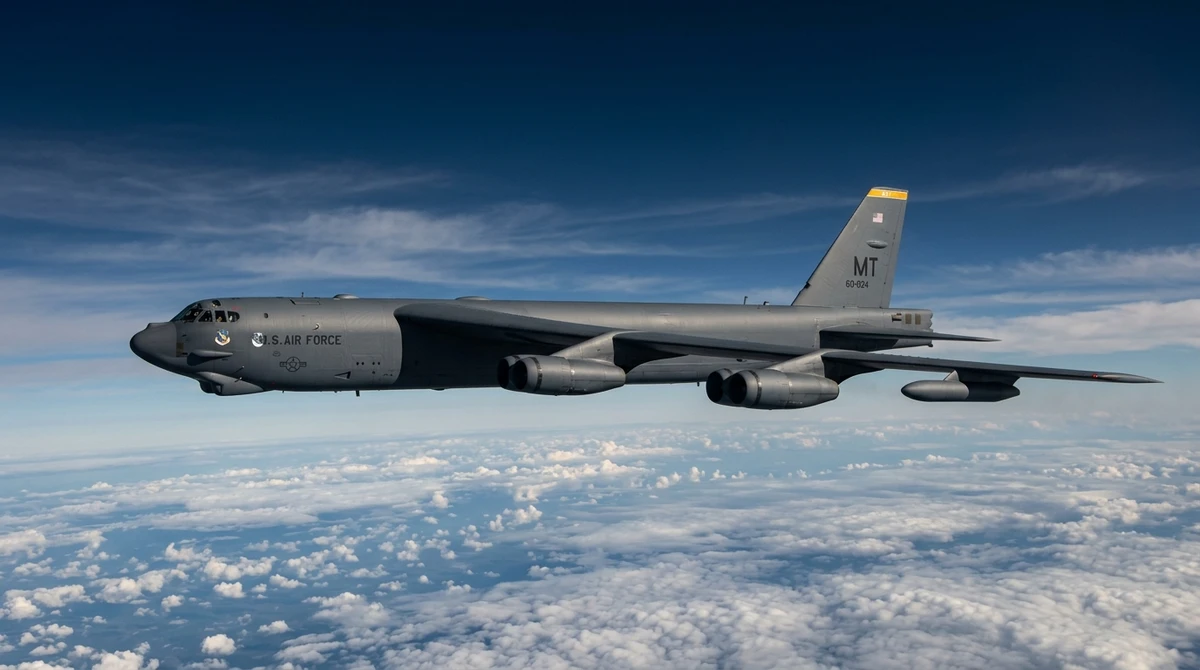
Two flight tests in one week were described with the same word. On October 5, 2026, The War Zone first reported that the US Air Force had flight-tested the Hypersonic Attack Cruise Missile with Australia, the Royal Australian Air Force releasing a test unit over a range that Air & Space Forces Magazine identified as Woomera. On October 8, South Korea conducted its first test launch of a hypersonic glide vehicle, observed by President Lee Jae Myung, according to the presidential office. Both weapons are hypersonic. Beyond that, they have little in common.
In RAND's 2017 study on hypersonic missile nonproliferation, supersonic means Mach 1 to 5, roughly 1,000 to 5,000 km/h, and hypersonic means anything faster, up to around 25,000 km/h. By that definition hypersonic flight is not new: ballistic missiles, the same RAND report says, "offer hypersonic speed but little or no maneuverability."
What makes the new generation different is not the speed but three other variables: where in the atmosphere the weapon flies, what pushes it, and how far it can steer off a predictable path. Those choices determine what a defender sees, and when. The Congressional Research Service, in its August 2025 report on hypersonic weapons, sorts them into two primary categories, glide vehicles launched from a rocket and cruise missiles powered by scramjets, and notes that "unlike ballistic missiles, hypersonic weapons do not follow a ballistic trajectory and can maneuver en route." Russia's Kinzhal, the hypersonic weapon reportedly fired in Ukraine, fits neither category.
Boost-glide vehicles
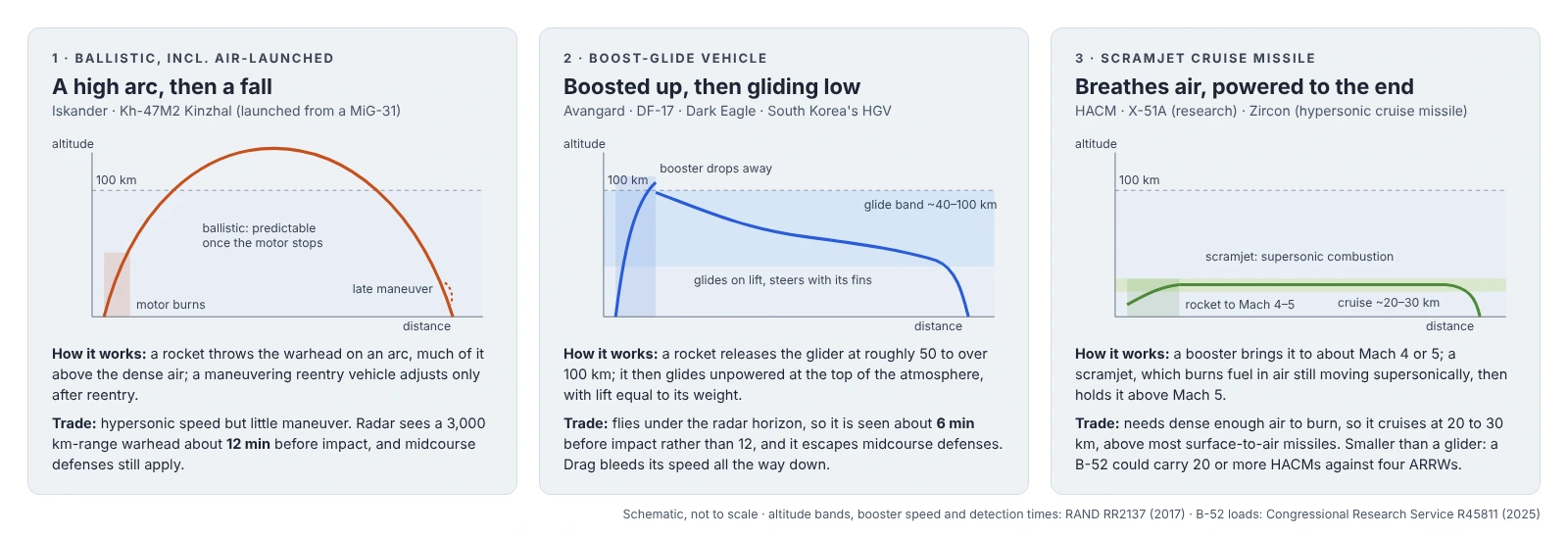
A hypersonic glide vehicle rides a rocket into the upper atmosphere and then does something a ballistic warhead does not: it stops falling. RAND describes HGVs released at around 50 km or higher, after which they glide "at the top of the atmosphere," between roughly 40 and 100 km, shaped to produce lift equal to their weight. Because the vehicle stays below 100 km, in the sensible atmosphere, aerodynamic control surfaces let it maneuver, and it spends a negligible portion of its flight, if any, on a ballistic arc.
That altitude band is the point. RAND's smooth-Earth calculation gives a surface radar about 12 minutes of warning against the reentry vehicle of a 3,000-km-range ballistic missile; a glide vehicle flying lower stays below the radar horizon until about six minutes before impact. The CRS adds that such late detection could potentially permit only a single intercept attempt. Midcourse defenses built to hit a warhead in space, RAND notes, remain effective against maneuvering reentry vehicles but not against gliders; boost-phase defenses would remain effective.
The fielded examples ride large boosters. The CRS lists Russia's Avangard, reportedly launched from an SS-19 ICBM with "effectively unlimited range," which Russian news sources say entered combat duty in December 2019. China's DF-17 is a fielded medium-range ballistic missile designed to carry the DF-ZF glide vehicle over a range the CRS assesses at about 1,000 to 1,500 miles. The US Army's Dark Eagle has a range the CRS puts at "over 1,725 miles."
South Korea's test vehicle belongs to this family. The presidential office said it separated from its booster at the planned altitude, maneuvered vertically and horizontally, hit a test target and verified "irregular maneuverability at low altitude." Neither speed, range, program name nor deployment date was released. Five days earlier, North Korea said its hypersonic intermediate-range missile had flown more than 1,000 km, a distance South Korea estimated at over 700 km, according to AP.
Scramjet cruise missiles
HACM belongs to the second category, and the difference starts with the engine. A glide vehicle is unpowered once its booster burns out; a hypersonic cruise missile is powered all the way to the target. RAND describes the sequence: a rocket booster accelerates the missile to around Mach 4 or 5, then an air-breathing engine takes over. Air & Space Forces Magazine describes HACM the same way, a booster followed by a scramjet designed to sustain speeds above Mach 5.
In a ramjet, as NASA's Glenn Research Center explains, incoming air is slowed to subsonic speed before it burns, and much above Mach 5 the shock losses of slowing it become too great; a scramjet, a supersonic combustion ramjet, burns the air while it is still supersonic. Holding a flame in that flow is the hard part; RAND cites the comparison to "lighting a match in a 5,000 km/hr wind." The Air Force's X-51A research vehicle showed it could be done: on May 1, 2013, released from a B-52H and boosted to Mach 4.8, it accelerated on its scramjet to Mach 5.1 and flew for 210 seconds until its fuel ran out.
The engine also dictates the altitude. To draw enough air pressure for combustion, RAND expects a hypersonic cruise missile to cruise at 20 to 30 km, well below a glider's band but, RAND notes, higher than most current surface-to-air missiles reach. The trade is size: one senior Air Force official said a B-52 could carry four of the AGM-183 ARRW boost-glide prototypes, which the CRS describes as averaging Mach 6.5 to 8 over about 1,000 miles, while another said the same bomber could carry 20 or more HACMs, and the B-1 reportedly up to 36. Set side by side, the two show how little the shared label says about the airframe.
Russia's ship-launched 3M22 Tsirkon, which the CRS lists as a hypersonic cruise missile of Mach 6 to 8, reportedly deployed in January 2023, is the nearest fielded counterpart. As for HACM, the Air Force did not disclose the date of the Australian test, the launch aircraft, or whether the scramjet ignited and achieved powered flight, The War Zone reported. Fielding is to begin in fiscal 2027, with full-rate production in fiscal 2029, according to Air & Space Forces Magazine.
Air-launched ballistic missiles
The third kind is already in combat use. The CRS describes Russia's Kh-47M2 Kinzhal as "a maneuvering air-launched ballistic missile" reportedly fired in Ukraine. It is a modification of the ground-launched Iskander, carried by the MiG-31. Russian media report a top speed of Mach 10 and a range of up to about 1,930 km from that aircraft, a figure that adds the MiG-31's own combat radius to the missile's; the CRS says such claims "have not been publicly verified by U.S. intelligence agencies."
Kinzhal is hypersonic by the Mach 5 definition, like any ballistic missile of comparable range, but it is neither a glider nor air-breathing: in the CRS description, it is a ballistic missile that maneuvers, not a vehicle that glides. Russia reportedly fields one weapon of each kind, and GMN's guide to Russian missiles sets Avangard, Tsirkon and Kinzhal in their wider family.
On May 6, 2023, Ukraine's Air Force commander said a US-supplied Patriot battery had shot down a Kinzhal launched from a MiG-31K during a night attack on Kyiv earlier that week, NPR reported; The Aviationist dated the engagement to the night of May 4. The Pentagon press secretary confirmed days later that Ukraine had downed a Russian missile with the Patriot system, according to The Aviationist. Speed alone did not put the weapon beyond an air defense system already in service.
Each kind trades something. The glider buys low-altitude concealment and sustained maneuver at the price of a large booster and prolonged heating; the scramjet missile buys power to the target and a smaller airframe at the price of an engine that must hold combustion in supersonic air; the air-launched ballistic missile buys hypersonic speed from a proven design and keeps a largely ballistic, more predictable path.
The first category also carries a caveat from physics. In a 2020 paper in Science & Global Security, two researchers modeled boost-glide missiles and found that over intercontinental distances they arrive more slowly than comparable ballistic missiles on depressed trajectories, because drag bleeds their speed, and that they stay hot enough to remain visible to existing space-based infrared sensors for most of their flight. The "fundamental physical limitations imposed by low-altitude atmospheric flight," they concluded, make the weapons evolutionary rather than revolutionary. A University of Colorado aerospace professor argued in Defense News that the paper addresses strategic, long-range systems and holds within its simplifying assumptions.
HACM has a fielding schedule; Seoul has disclosed neither a speed, a range nor a date. The word will keep being applied to all three kinds. The question that separates them is not how fast, but how high, under what power, and along which path.
More News
All news →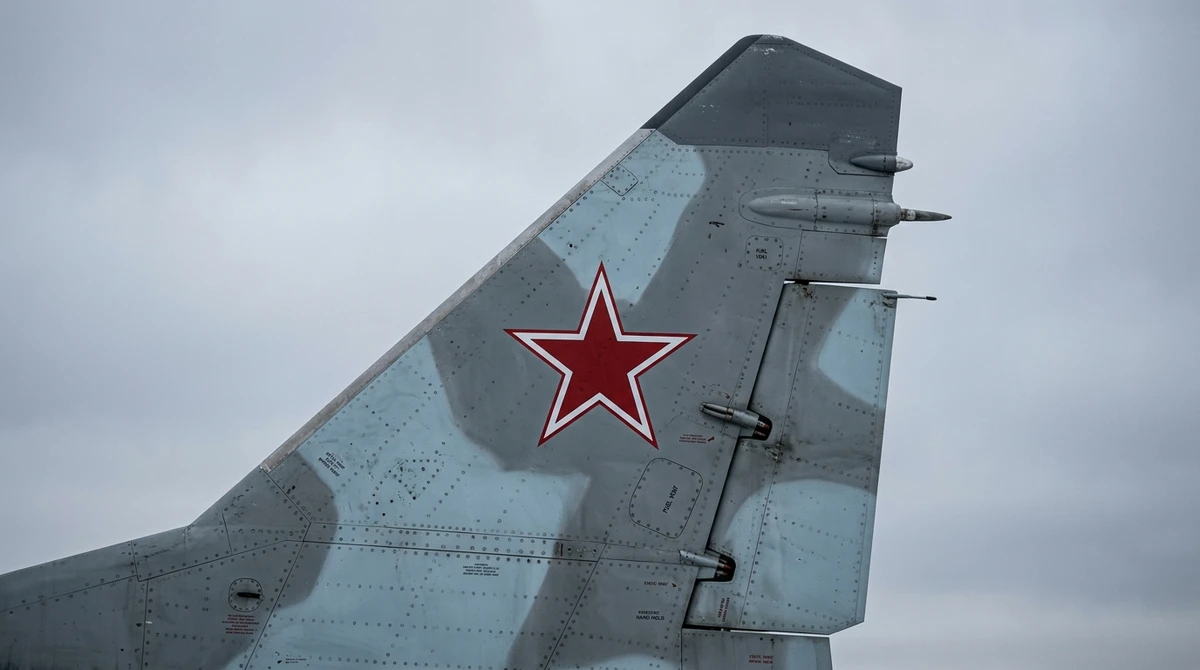
Su-34 Fullback Is the Combat Jet Russia Has Lost Most Often Since 2022, With 37 Airframes in GMN's Log
GlobalMilitary.net's log of documented losses records 37 Russian Su-34 airframes lost since February 2022, more than any other fixed-wing combat aircraft, as the destruction of a Fullback at Khanskaya Air Base on October 4 and a new delivery batch on October 7 bracket the latest week.
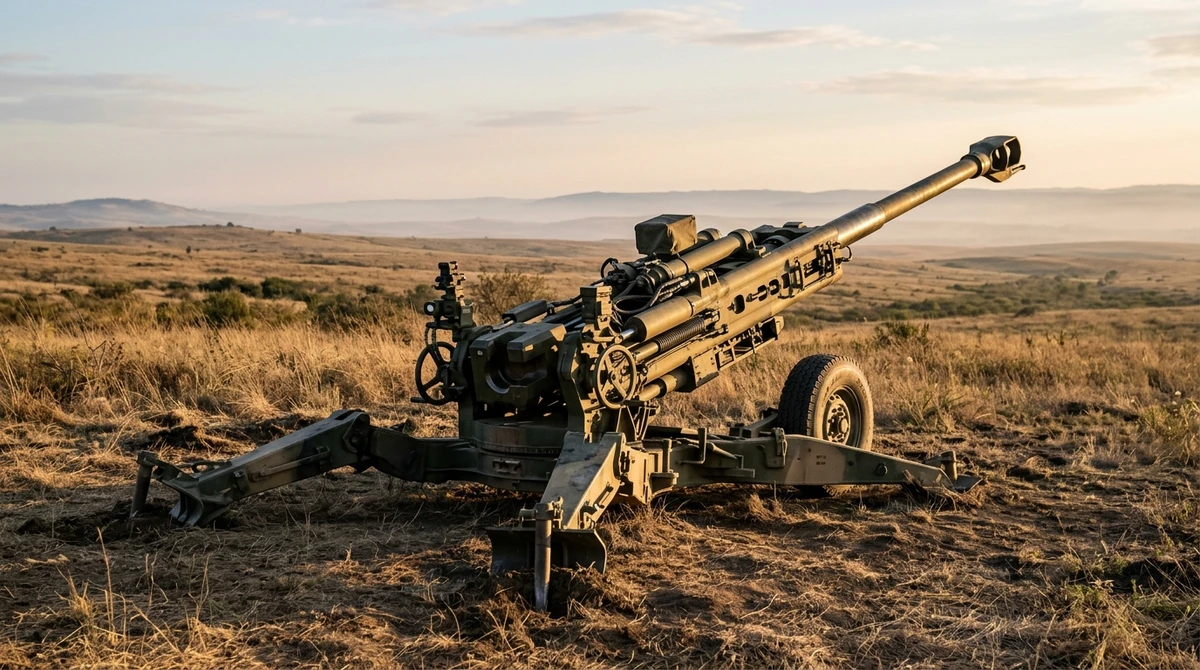
US Army Takes Delivery of First XM1776, Hanwha's Wheeled K9-Based Howitzer to Replace M777 in Select Units
The US Army has accepted the first prototype of its Mobile Tactical Cannon, a wheeled 155 mm howitzer derived from Hanwha's K9, and named it the XM1776 at the AUSA annual meeting in Washington on October 12, 2026, less than a year after issuing the solicitation.
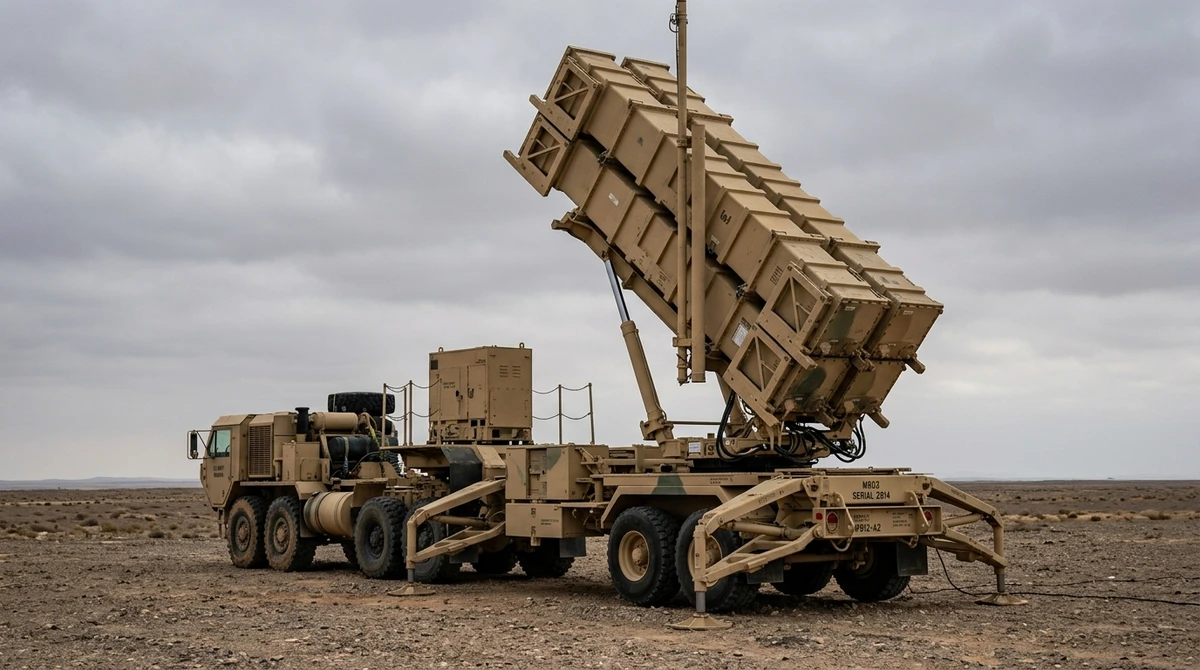
Lockheed Unveils PAC-3 Edge, a Next-Generation Patriot Interceptor for the Army's Future Interceptor Program
Lockheed Martin on October 9 unveiled PAC-3 Edge, its candidate for the US Army's Future Interceptor program and planned successor to the PAC-3 MSE Patriot missile, which it says the Army has moved to the next development stage, with testing planned for 2027 and fielding targeted by 2031.
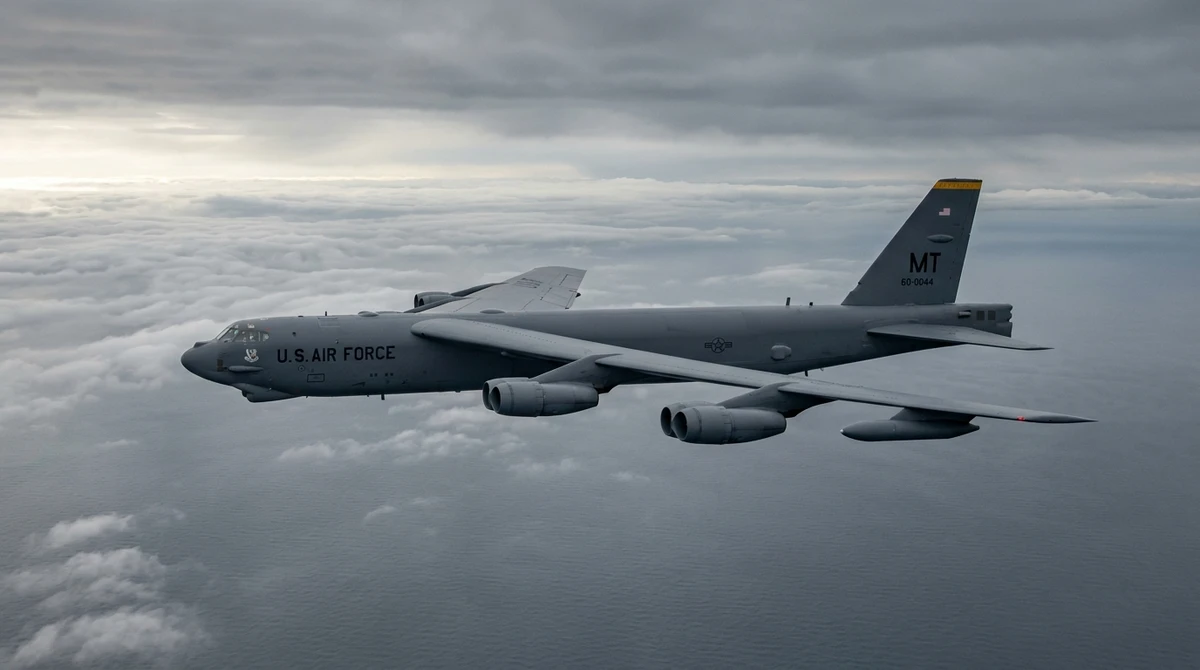
Navy Plans Sole-Source Lockheed Contract to Integrate LRASM Anti-Ship Missile on the B-52
Naval Air Systems Command said in an October 7 notice that it intends to negotiate a sole-source delivery order with Lockheed Martin to integrate the AGM-158C Long-Range Anti-Ship Missile on the US Air Force's B-52 bomber, The War Zone and Air & Space Forces Magazine reported.
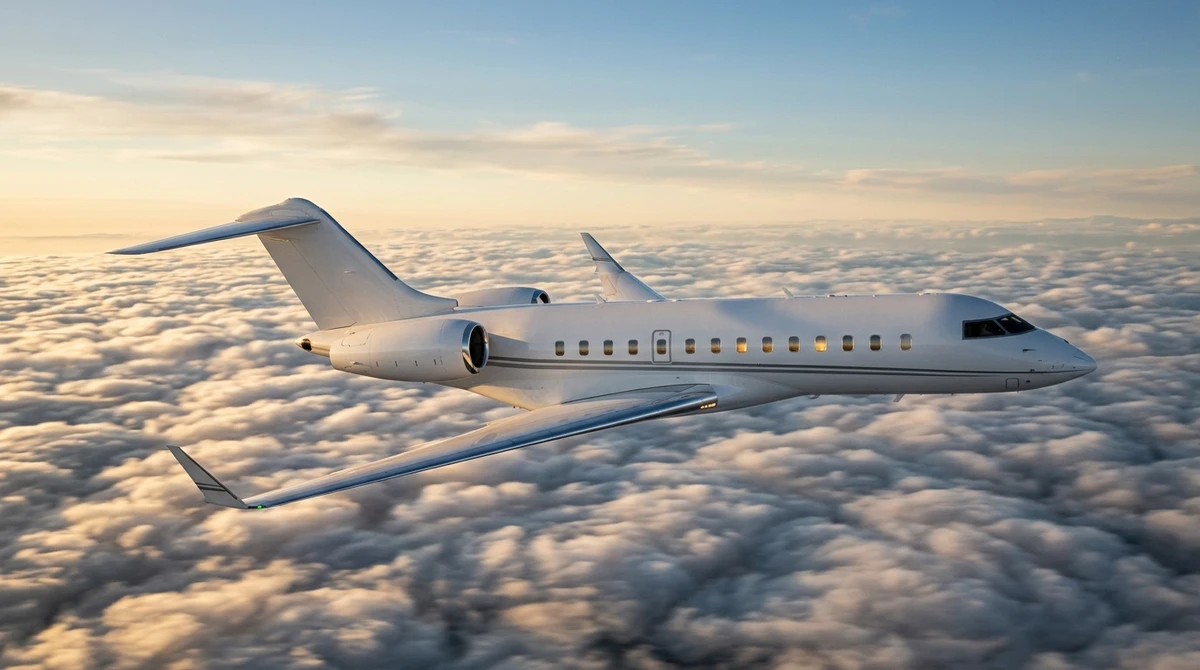
Bombardier Global Express Turns 30 With More Military Jets on Order Than in Service
Thirty years after its first flight from Toronto on October 13, 1996, the Bombardier Global Express has become a platform for military special-mission aircraft, and GlobalMilitary.net's inventory data now counts more Global-based military aircraft on order than in service.

South Korea Flight-Tests Its First Hypersonic Glide Vehicle, Presidential Office Says
Seoul says a hypersonic glide vehicle separated from its booster, maneuvered and hit a test target in a first flight test on October 8, watched in person by President Lee Jae Myung, five days after North Korea's own hypersonic launch.