Su-34 Fullback Is the Combat Jet Russia Has Lost Most Often Since 2022, With 37 Airframes in GMN's Log
GlobalMilitary.net's log of documented losses records 37 Russian Su-34 airframes lost since February 2022, more than any other fixed-wing combat aircraft, as the destruction of a Fullback at Khanskaya Air Base on October 4 and a new delivery batch on October 7 bracket the latest week.
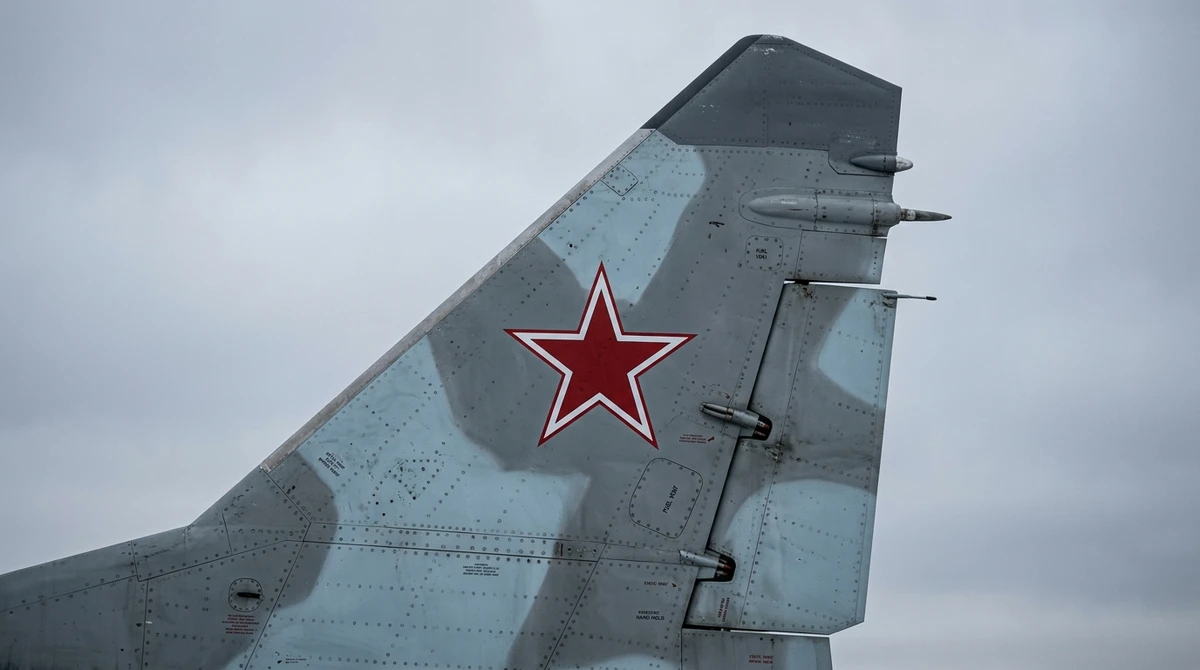
A Su-34 Fullback destroyed on the ground at Khanskaya Air Base on October 4 and a new batch handed to the Defense Ministry three days later bracket a week that places the twin-seat fighter-bomber at the top of one ranking in GMN's data. GlobalMilitary.net's log of the war in Ukraine records 37 Su-34 airframes lost by Russia since February 24, 2022 — more than any other fixed-wing combat aircraft in Russian service, and the third-highest figure for any type, behind two helicopters.
The count rests on a narrow definition. GMN logs a loss only when an airframe leaves the fleet: shot down, destroyed, crashed, or lost in circumstances that were never explained. Aircraft damaged but not written off are recorded separately and are not counted. The log captures the losses reported by the sources GMN cites; Russia's Defense Ministry does not publish its losses, so the figure is a floor, and an absence from the log is not an absence of loss. The 37 airframes sit in 32 entries, some of which cover two or three aircraft lost in a single incident.
Across all Russian aircraft, the log holds 330 airframes lost since the full-scale invasion began. Helicopters lead it: 56 from the Mi-8 family and 55 Ka-52 attack helicopters, a series GMN examined in an earlier analysis. The Su-34 follows with 37, one ahead of the Su-25 Frogfoot at 36, then the Su-30 at 19, the Mi-24 at 17, the Su-24 at 16, the Mi-28 at 15 and the Su-35 at 11. The Frogfoot is a close-support jet built to fly low over the battlefield; the Fullback is a twin-seat strike aircraft meant to deliver its ordnance from further back. In the log, a single airframe separates them.
Losses by year
The year-by-year series shows where the attrition came from. GMN logged 16 Su-34s lost in 2022, four in 2023, nine in 2024, four in 2025 and four so far in 2026, to October 13. Across the whole period, 15 are logged as shot down, eight as destroyed, most of them on the ground, six as crashes, and eight as lost in unexplained or unconfirmed circumstances.
Thirty-five of the 37 are filed under the war in Ukraine. The other two are training crashes logged outside it: one in North Ossetia on June 11, 2024, which Russia's Defense Ministry announced, and one in Nizhny Novgorod Oblast on July 1, 2025.
The 2022 figure, the heaviest of any year by a wide margin, belongs to the opening phase of the war, when Fullbacks were operating over the front line against Ukrainian air defenses. The 2024 rebound to nine losses has a different character: a growing share of the entries that year place the aircraft not in the air but parked on Russian air bases, struck by Ukrainian long-range drones. That mechanism, absent from the 2022 entries, has recurred in 2025 and 2026.
Strikes on air bases
GMN's log records seven Su-34s destroyed on the ground at air bases inside Russia in Ukrainian drone attacks. One was lost at Morozovsk Air Base on August 2, 2024. Marinovka Air Base was struck twice: three Su-34s were destroyed there on August 22, 2024, and two more on June 27, 2025. The seventh is the Khanskaya aircraft of October 4, 2026.
In that latest attack, Ukraine's Security Service (SBU) said its long-range drones hit a Su-34, a Su-35 and an ammunition depot at the base, near Maykop in the Republic of Adygea and about 500 km from the front. The Institute for the Study of War (ISW) assessed from satellite imagery taken that morning that both aircraft were destroyed. Russia did not comment. GMN's entry for the Su-34 records it as destroyed.
Beside those seven, the log holds six entries of Su-34s damaged on the ground or in landing incidents but not written off, none of which counts toward the 37:
- Chelyabinsk Shagol airfield, January 2024, an arson sabotage attempt;
- Kushchyovskaya air base, May 2024, a drone attack;
- Morozovsk, June 2024, two aircraft damaged in a drone attack;
- Lipetsk, March 2025, an emergency gear-up landing;
- Shagol again, April 2026, a drone strike;
- Akhtubinsk Air Base, August 2026, long-range drones.
That distinction is the main reason GMN's count sits below the open-source tally kept by Oryx. Oryx, which admits only losses documented with photo or video evidence and includes damaged aircraft in its totals, listed 43 Su-34s and one Su-34M as destroyed or damaged when its page was consulted on October 13, 2026. The two logs differ on both axes: Oryx requires visual evidence but counts damage, while GMN accepts losses reported by the sources it cites but counts only airframes removed from the fleet. Read together, they bracket the type's attrition rather than contradict each other.
Fleet and deliveries
The four 2026 losses illustrate both mechanisms. On January 28 a Su-34 was reportedly shot down over the Black Sea near Odesa. On February 20 another was shot down over Zaporizhzhia Oblast while launching glide bombs; according to the Kyiv Independent, the Ukrainian Air Force credited a Patriot missile with the kill. On March 31 a third was lost on a combat sortie. The fourth is the aircraft destroyed at Khanskaya on October 4.
Three days after Khanskaya, Rostec said that United Aircraft Corporation (UAC) had handed a new batch of Su-34s to the Defense Ministry, the second such announcement in 2026 after one on July 9. Neither announcement disclosed how many aircraft were involved; Defence24 estimated about two, the typical size of a batch. The jets are built at the Novosibirsk aircraft plant, and GMN's entry for the October 7 handover carries the delivery into the fleet figure.
With this year's logged losses and deliveries applied, GMN's Russian Air Force inventory carries 142 Su-34s in service in 2026. The 37 logged losses are equivalent to about a quarter of that current fleet. The Su-34 first flew on April 13, 1990, and entered Russian service in 2014; Algeria has 14 on order and none delivered, per GMN.
More News
All news →
Why Hypersonic Glide Vehicles, Scramjet Cruise Missiles and the Kinzhal Are Three Different Weapons
Two flight tests in one week, the US Air Force's scramjet-powered HACM over Australia and South Korea's first hypersonic glide vehicle on October 8, shared one word for different machines; what sets them, and Russia's Kinzhal, apart is altitude, propulsion and maneuver, not speed.
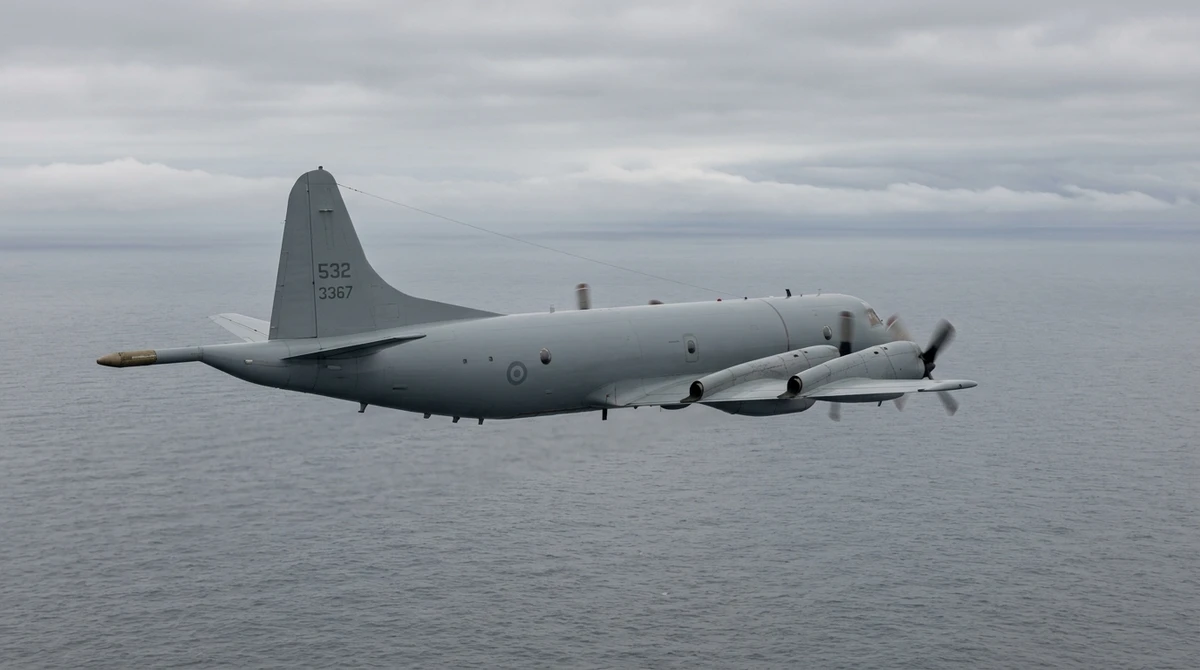
P-3 Orion Fleet Down to 101 Aircraft in 12 Countries, Roughly Half Its 2022 Size
GlobalMilitary.net's inventory data counts 101 P-3 Orions in military service across 12 countries, down from 211 in 16 countries in its 2022 snapshot, as US agencies retire special-mission Orions and Japan draws down the largest remaining fleet.
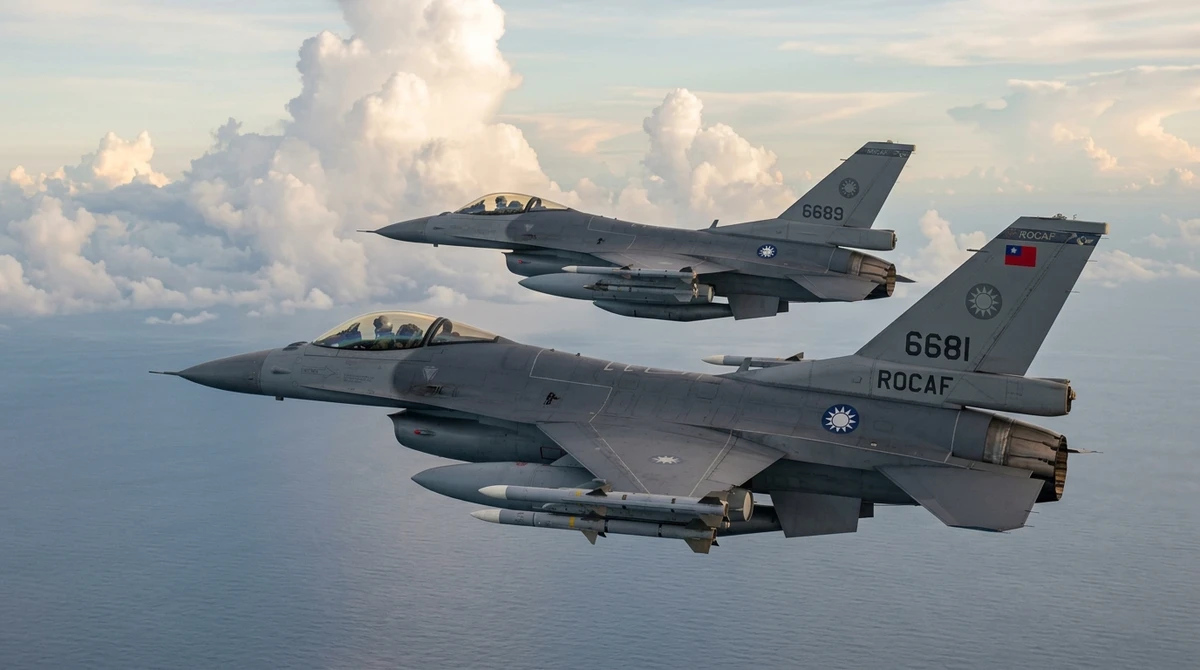
Taiwan Receives Its First Two F-16 Block 70s From the Largest F-16 Order Still Outstanding
The first two new-build F-16C Block 70 fighters landed at Chihhang Air Base on October 2, 2026, beginning deliveries on a 66-jet order that GMN's inventory data shows is the largest open F-16 order anywhere and that would lift Taiwan from seventh to fifth among F-16 operators on current figures.
Australia Retires Its Tigers, Leaving Three Operators Among the World's 3,623 Attack Helicopters
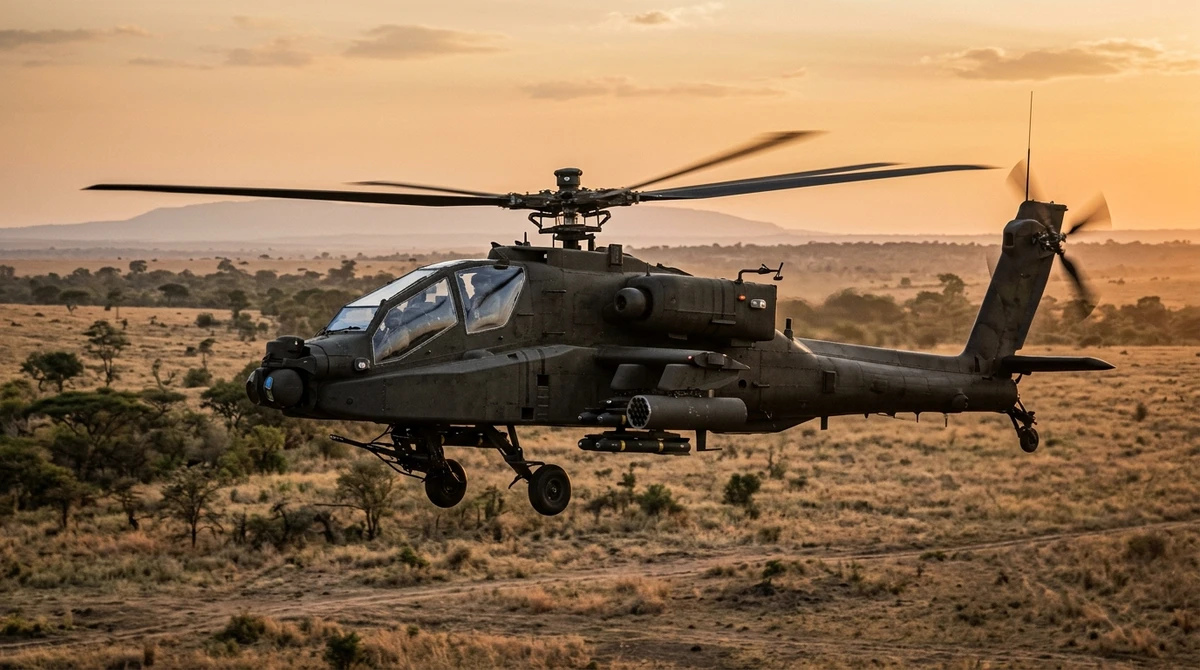
The Australian Army has retired its Tiger attack helicopters, marking the fleet's sundown in Darwin on 30 September and leaving France, Germany and Spain as the only users; GlobalMilitary.net data counts 3,623 active attack helicopters in 81 countries.

Ukraine Says Its FP-7 Ballistic Missile Has Been Used in Combat for the First Time
President Volodymyr Zelensky said on October 1, 2026 that Ukraine's domestically developed FP-7 tactical ballistic missile, built by Fire Point, had been used in combat for the first time, without disclosing the target or location; the claim has not been independently verified.
Pentagon Awards Raytheon Up to $20.7 Billion to Nearly Double AMRAAM Production
The Pentagon on 28 September announced a five-year AIM-120 AMRAAM production contract with RTX's Raytheon business worth up to $20.7 billion, an undefinitized award that Reuters described as provisional because Congress has not yet funded the full deal.