Ukrainian Sea Drone Sinks Russian Patrol Ship Izumrud at Gelendzhik on Russia's Black Sea Coast
A Ukrainian Navy Sargan-3000 naval drone sank the Russian FSB patrol ship Izumrud pier-side at Gelendzhik on July 14, 2026 — a strike some 270 miles from the front line, deep in waters Moscow had treated as sanctuary.
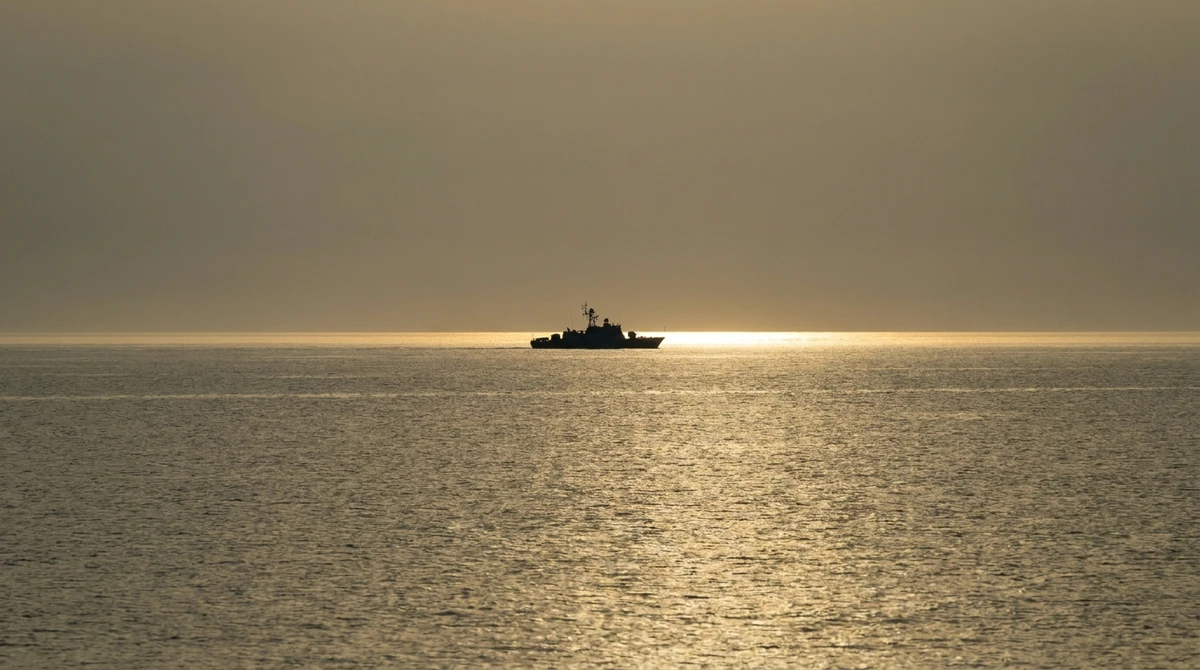
A Ukrainian Navy Sargan-3000 naval strike drone struck and sank the Russian patrol ship Izumrud as it lay pier-side in the Black Sea resort port of Gelendzhik during the night of July 13-14, 2026, the Ukrainian Navy said.
The Izumrud is a Project 22460 (Rubin-class) border guard vessel operated by Russia's Federal Security Service (FSB) rather than the regular Navy. Launched at the Almaz shipyard in St. Petersburg in 2013 and commissioned into the FSB Coast Guard in May 2015, the roughly 630-to-750-tonne, 62.5-meter ship carries a helicopter pad and is fitted for coastal patrol duties. Satellite imagery released by the Ukrainian Navy showed a large breach on the vessel's starboard side. Ukraine said the strike killed and wounded crew members but did not release figures.
Gelendzhik lies less than 15 miles from a lavish compound that the late opposition figure Alexei Navalny alleged was linked to President Vladimir Putin. Ukrainian President Volodymyr Zelenskyy noted the target sat about 270 miles from the front line, underscoring how far Ukraine's uncrewed surface vessel (USV) fleet can now reach into rear areas Moscow had treated as sanctuary.
The sinking is part of an intensifying Ukrainian drone campaign in the Russia-Ukraine War. Kyiv's Unmanned Systems Forces said the wider operation had struck 116 Russian vessels in nine days, including 11 in the Sea of Azov on a single day. The Izumrud itself has a history with Ukraine: it took part in the November 2018 Kerch Strait incident, when it rammed the Ukrainian tug Yany Kapu during Russia's seizure of three Ukrainian naval vessels and their crews.
The loss adds to a long tally of Russian Navy and coast guard vessels damaged or destroyed by Ukrainian sea drones and missiles since 2022, a campaign that has pushed much of Russia's Black Sea Fleet activity eastward toward Novorossiysk and now, increasingly, under threat even there. The event is logged in GlobalMilitary.net's naval events timeline.
Russian authorities had not publicly confirmed the loss at the time of reporting. Ukrainian officials framed the strike as evidence that no Black Sea anchorage remains beyond the range of their expanding fleet of long-range strike drones.
More News
All news →
Royal Navy Trident Submarine Returns to Faslane After 217-Day Patrol, a Reported Record
A Royal Navy ballistic missile submarine returned to HM Naval Base Clyde on November 15 after a deterrent patrol that Navy Lookout put at 217 days, a length the Ministry of Defence has not confirmed.

Former USS Enterprise, First Nuclear Aircraft Carrier, Arrives in Mobile for Dismantling
The former USS Enterprise (CVN-65), the world's first nuclear-powered aircraft carrier, was escorted by tugboats into Mobile Harbor, Alabama, on November 13, 2026, to be dismantled, the US Army Corps of Engineers said.
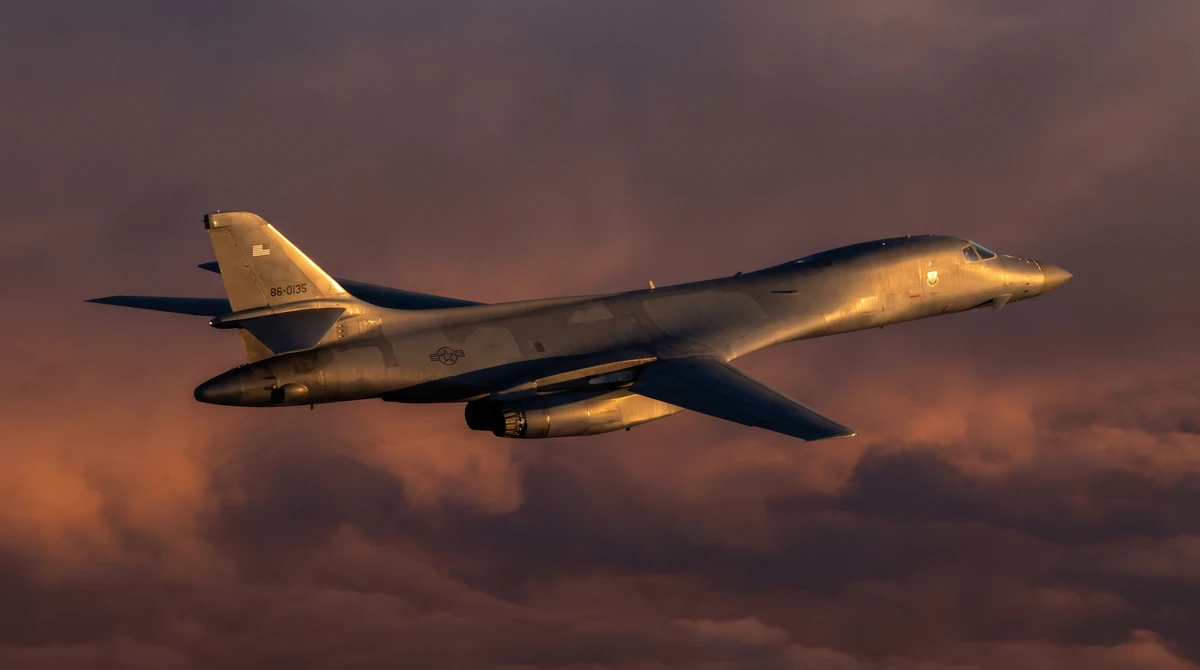
B-58 Hustler at 70: Three Supersonic Bomber Types Remain in Service as the US Builds the Subsonic B-21
The Convair B-58 Hustler, the US Air Force's first operational supersonic bomber, first flew on November 11, 1956; 70 years on, three supersonic bomber types serve in two countries, according to GlobalMilitary.net data.
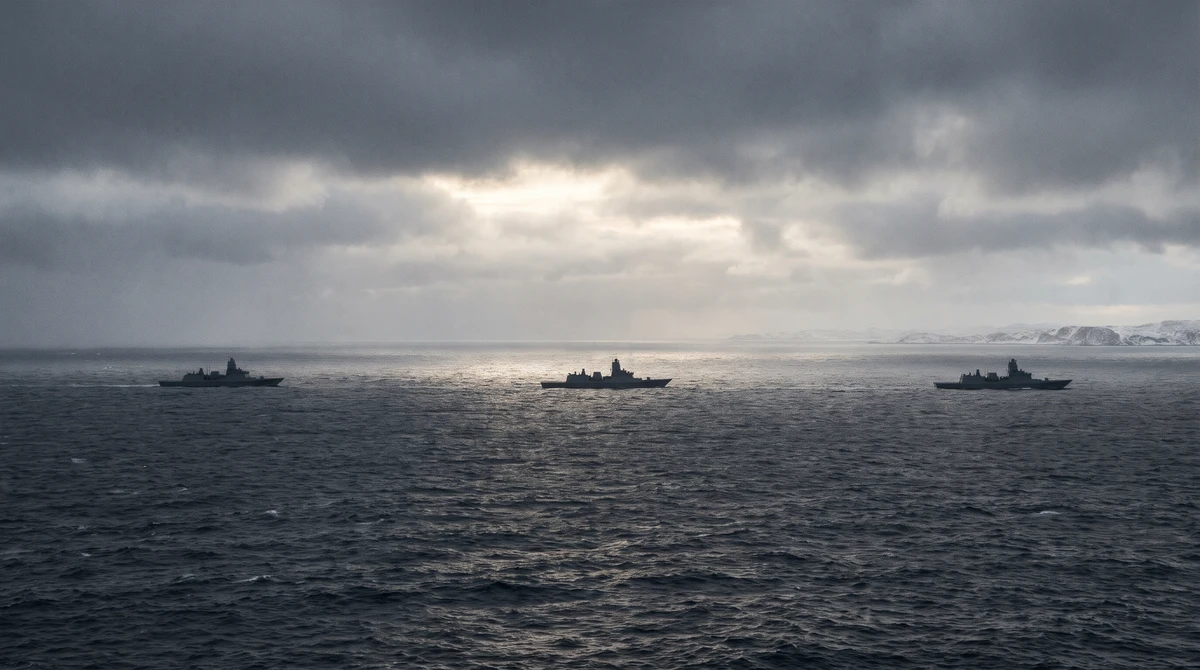
Northern Navies Initiative Joins 10 JEF Fleets With 25 Destroyers and Frigates and 19 Attack Submarines
The UK Ministry of Defence said on November 10 that the 10 Joint Expeditionary Force maritime nations signed a Northern Navies Initiative aboard HMS Prince of Wales in Oslo; GlobalMilitary.net's inventory counts 25 destroyers and frigates and 19 attack submarines among them.
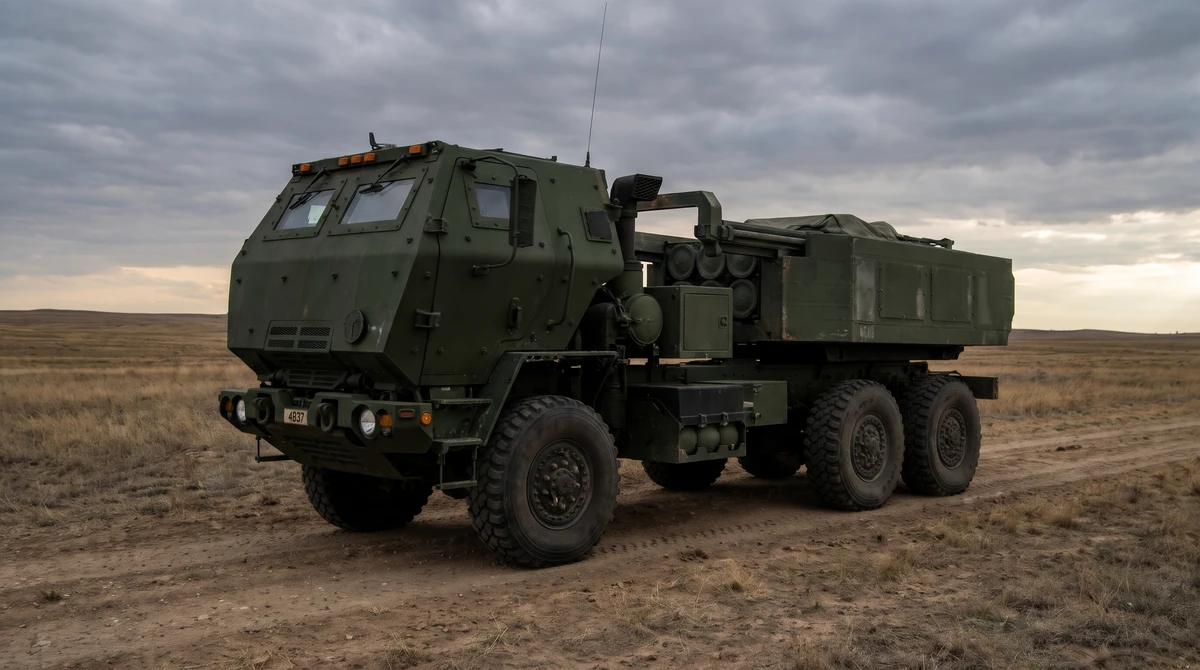
Lockheed Martin Delivers 100,000th GMLRS Rocket, Cites Output of Nearly 14,000 a Year
Lockheed Martin said on November 10 at a ceremony in Camden, Arkansas, that it has delivered its 100,000th GMLRS rocket and is producing nearly 14,000 a year, after a new solid rocket motor developed with General Dynamics completed a first test.
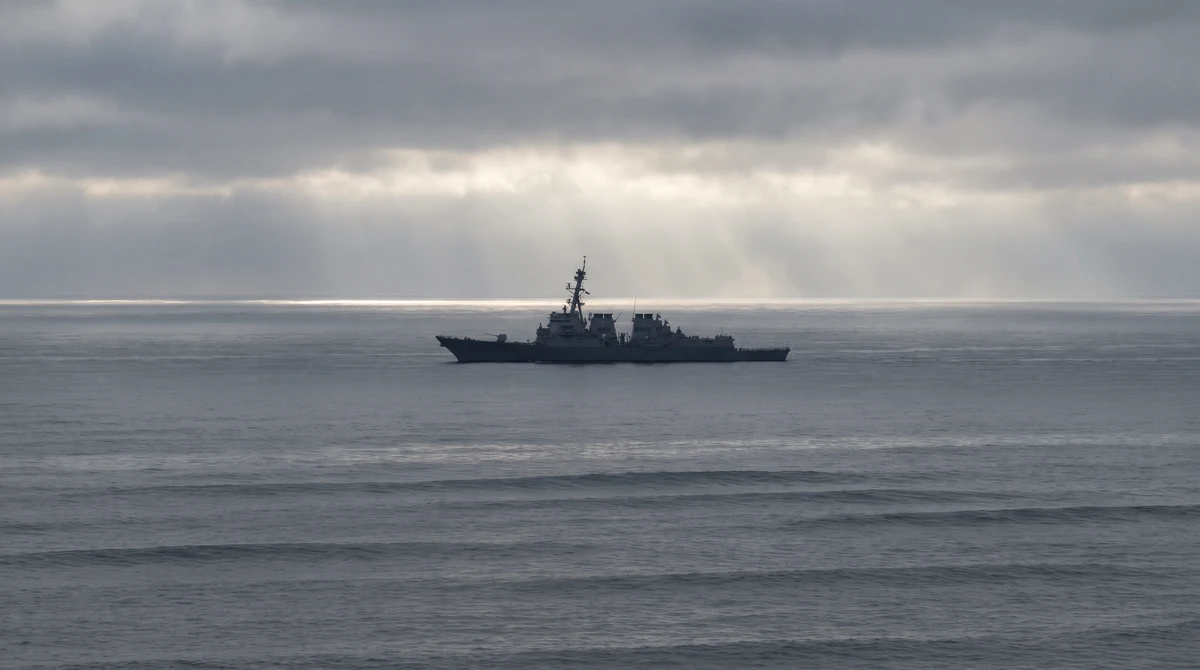
How Hot-Launch Mk 41 Cells and Cold-Launch Bulava Tubes Get a Missile Out of a Hull
The Mk 41 lights a missile's motor inside the ship and vents the blast through a plenum, while Bulava, Trident II and the S-300F are ejected before their motors ignite; DSIAC, Lockheed Martin and the US Navy spell out what each choice costs.