US Has Used Nearly All Its ATACMS and Up to 80% of Its THAAD Interceptors, Reports Say
Two separate reports published on August 4, 2026 say five months of war with Iran have consumed virtually all of the US Army's long-range precision missiles and between 38 and 80 percent of its THAAD interceptors. The Pentagon disputes the figures.
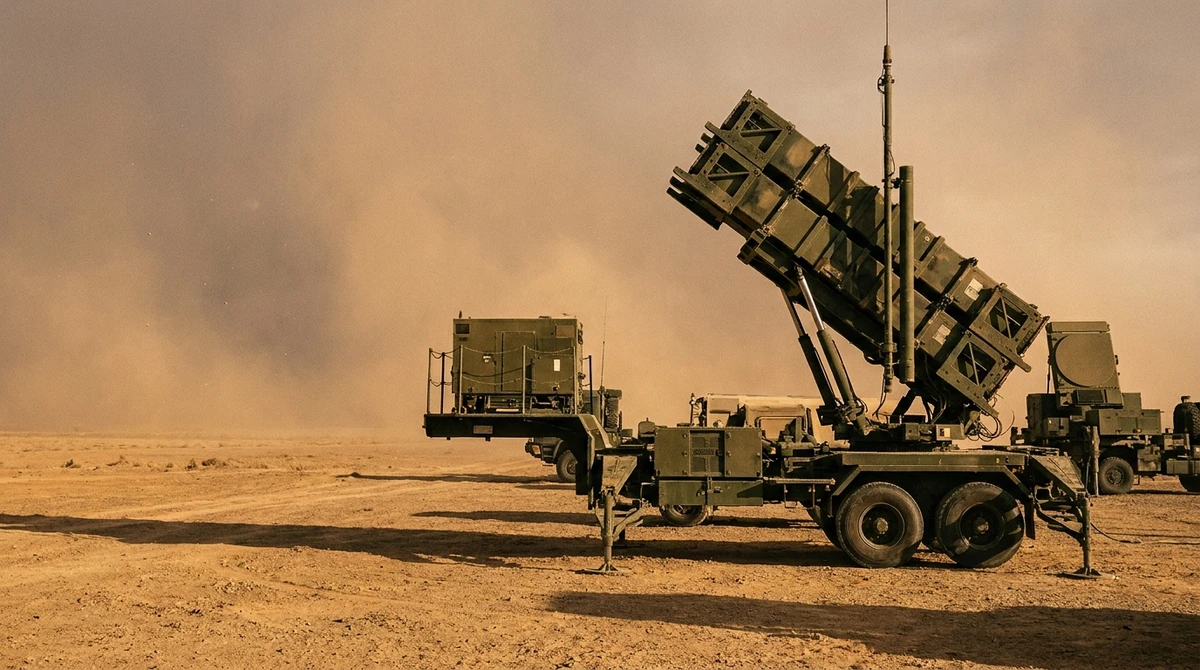
The US military has expended nearly all of its Army long-range precision missiles and a substantial share of its ballistic missile interceptor stocks during five months of war with Iran, according to two separate reports published on August 4, 2026. The Pentagon and the White House dispute the figures.
Reuters, citing three people familiar with the inventory data, reported that the Army has used "virtually all" of its M-39 ATACMS and of its newer Precision Strike Missile. The same reporting put Patriot interceptor expenditure at roughly 65 percent between February and July, THAAD stocks at least 38 percent below their pre-war level, and Tomahawk consumption at a little less than half the global supply.
CNN, citing multiple people familiar with the latest inventory report, placed the THAAD drawdown considerably higher: close to 80 percent of the interceptor inventory, alongside roughly half of the Patriot stock, since the war began on February 28. It put Tomahawk expenditure at close to half, against about 30 percent when it last reported the figure in April, and quoted senior commanders describing overall reserves as "dangerously low."
The two accounts agree on the direction of travel and on the ATACMS and PrSM depletion, but not on the depth of the THAAD drawdown. Neither set of figures has been confirmed officially, and both rest on anonymous sources rather than published inventory data.
The replacement arithmetic is slow against the pre-war baseline. The Center for Strategic and International Studies estimated the United States held about 2,200 Patriot rounds in the two most modernized variants and 452 THAAD interceptors before the war. CNN's sources cited monthly deliveries of roughly 15 Tomahawks and 20 Patriot missiles, more than three years to return THAAD reserves to their pre-war level, and mid-to-late 2027 for PrSM and JASSM.
Officials pushed back hard. Chief Pentagon spokesman Sean Parnell said the US military "has everything it needs to execute at the time and place of the President's choosing." White House spokesperson Anna Kelly said it has "more than enough munitions, ammo, and stockpiles to serve all of President Trump's strategic goals and beyond." Defense Secretary Pete Hegseth went further, saying on air that a CNN broadcast banner carrying the 80 percent figure was "NOT TRUE." President Donald Trump has said the country holds "far more munitions than anyone in the world."
The reports land days after two contracts aimed squarely at the same shortfall. On July 29 the Army converted a one-year PAC-3 order into a seven-year agreement worth up to $58.6 billion, the largest Patriot interceptor deal ever placed. On August 3 the Department of War awarded Northrop Grumman a $3 billion framework agreement for solid rocket motors meant to triple PAC-3 MSE output and quadruple THAAD production.
Munitions are not the only inventory the campaign has drawn down. GlobalMilitary.net's Iran conflict tracker has logged 129 aircraft destroyed since February 28, 60 of them uncrewed. The United States, which sits first in the ranking of the world's strongest militaries, has been drawing on stockpiles sized for a short, high-intensity campaign rather than a five-month one.
According to CNN, the state of those stockpiles was one factor in the decision last weekend to call off further strikes on Iran, after Gulf allies warned of retaliation. Neither report gave a date by which interceptor inventories would be restored.
More News
All news →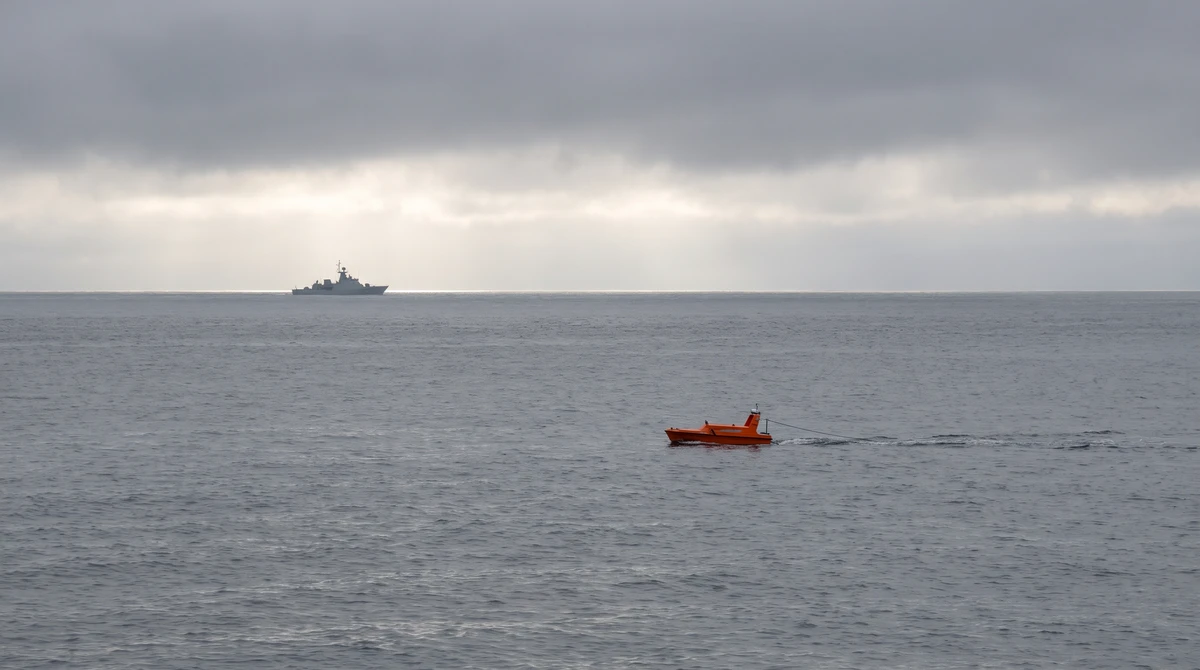
How Crewed Minehunters and Drone Motherships Find and Destroy Sea Mines
The three motherships the UK said on November 12 it will buy are meant to stay outside the minefield and send uncrewed boats, towed sonars and underwater vehicles in, where today's non-magnetic minehunters and their divers go themselves.
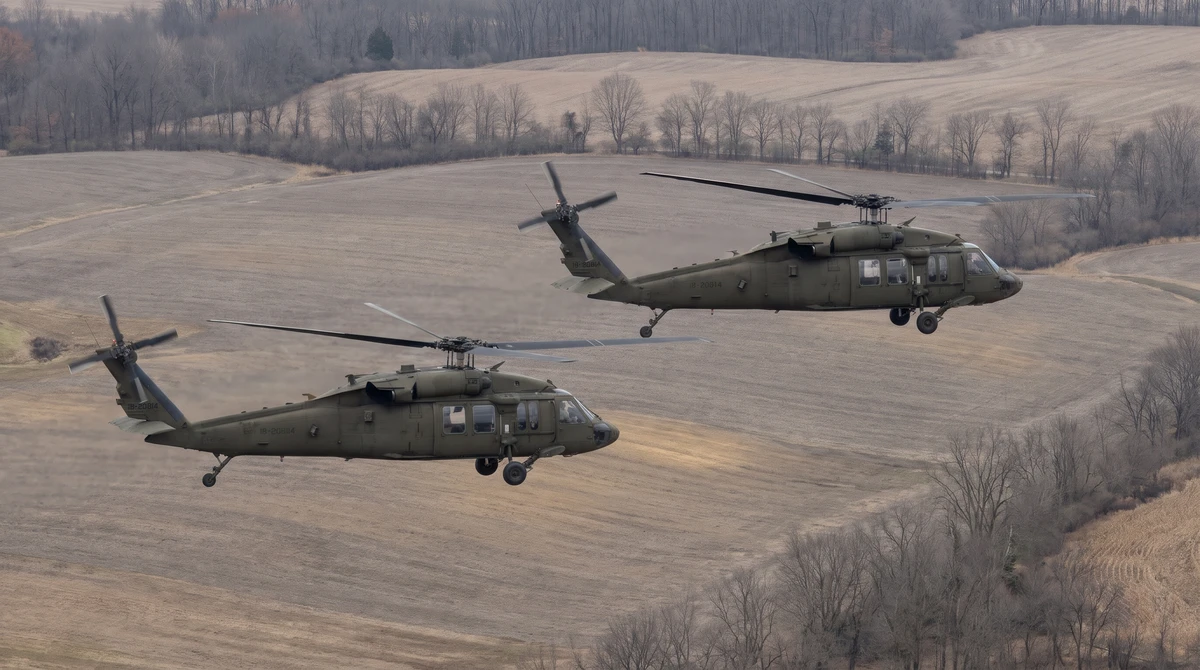
US Army Aviation, Larger Than All but Two Foreign Militaries' Air Fleets, Sees Class A Flight Mishaps Double
The Army's aviation branch fields 4,263 aircraft and about one in five of the world's military helicopters on GMN's count, and its own safety newsletter lists 10 Class A flight mishaps in fiscal 2026, up from five, as the under secretary says readiness is below goal.

UK Has Paid General Dynamics £1.76 Billion for Ajax Since 2023 as Minister Approves Training Restart
The UK Ministry of Defence told Parliament on November 16, 2026 that it has paid General Dynamics Land Systems UK £1,756 million for the Ajax program since 2023, a day before the minister responsible confirmed he had approved the restart of Army training on the vehicle.

Senate Energy Bill Funds a New B94 Nuclear Bomb at $77.1 Million, Cuts SLCM-N Warhead by 59%
The Senate Appropriations Committee's fiscal 2027 Energy and Water Development bill, released on November 12, 2026, opens a B94 line at $77.108 million and reduces the W80-5 warhead for the nuclear sea-launched cruise missile from $186.0 million to $76.9 million.

Senate FY2027 Defense Bill Adds F-35s and a Second Destroyer, Cuts F-15EX Buy From 24 to 18
The Senate Appropriations Committee's fiscal 2027 defense bill, released on November 16, 2026, funds more F-35s, C-130Js and a second DDG-51 than requested, and fewer F-15EX, P-8A, KC-130J and E-2D aircraft, its explanatory statement shows.
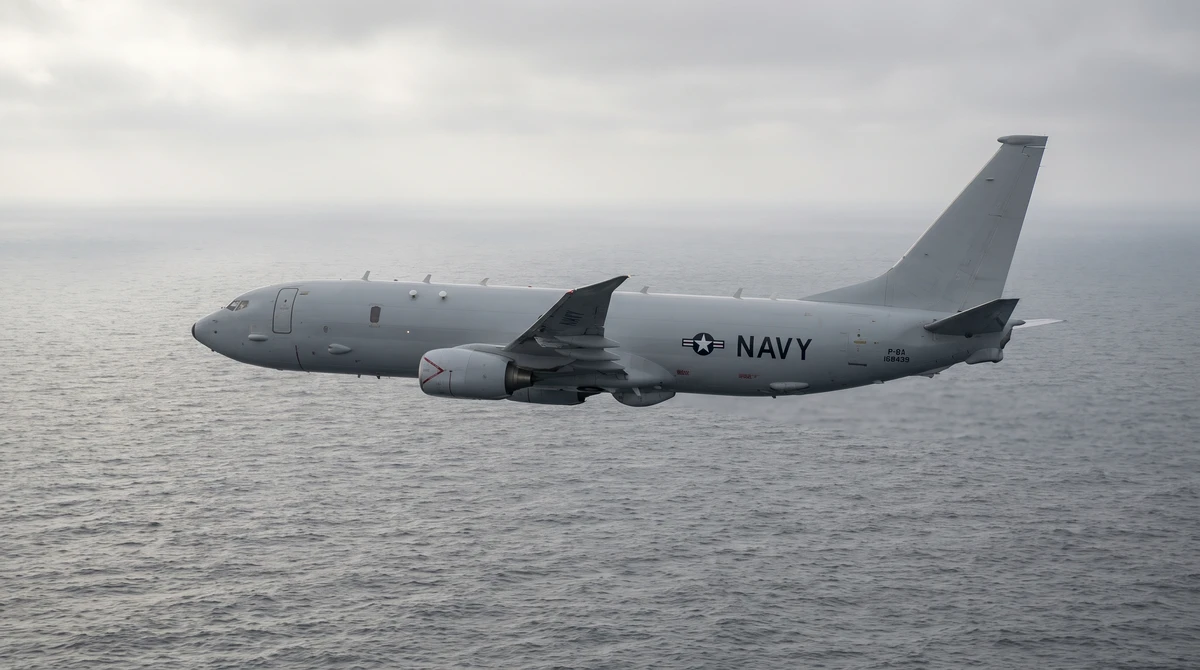
Senate Appropriators Fund 4 of 12 P-8A Poseidons as Worldwide Fleet Stands at 171 Aircraft
The Senate Appropriations Committee's fiscal 2027 defense bill, released November 16, 2026, funds four of the 12 P-8A Poseidons the US Navy requested, a cut to an aircraft GlobalMilitary.net's inventory data counts at 171 in service in eight countries.