Air Force Sets $10 Million Unit-Cost Target for MQ-9 Successor and Pulls Initial Fleet Forward
Lt. Gen. Christopher Niemi, the US Air Force's Chief Modernization Officer, told a Pentagon roundtable on September 3, 2026 that the Massed Modular Aircraft should cost about $10 million per airframe before mission equipment, with an initial fleet of 20 now wanted within roughly three years.
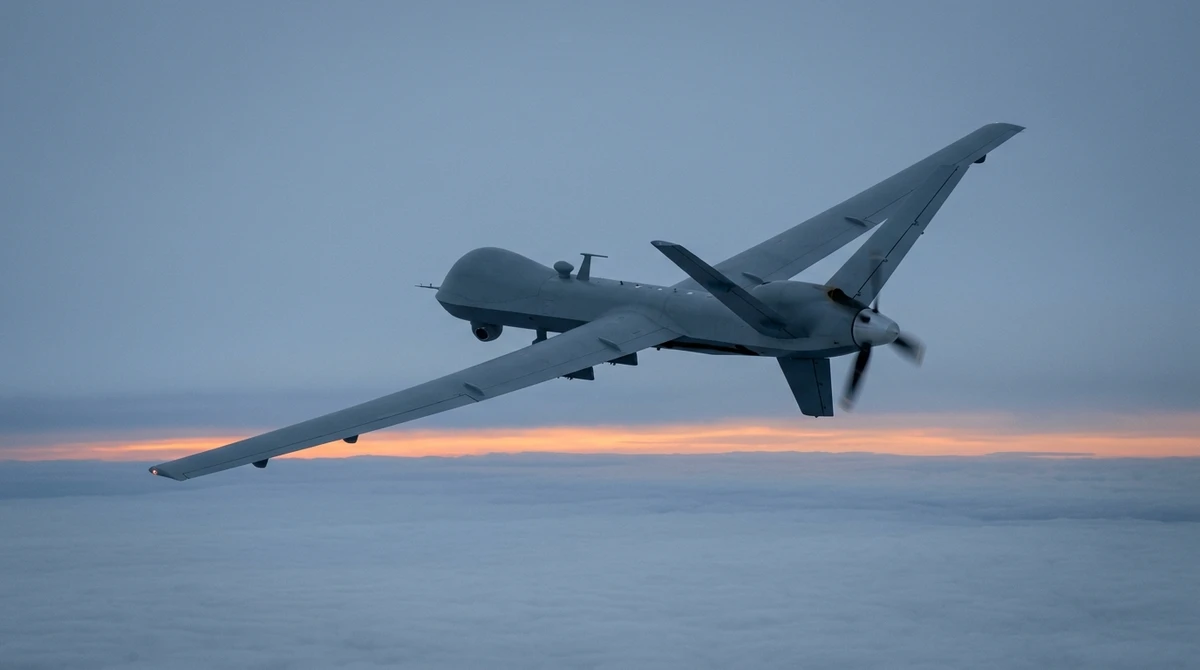
The US Air Force has put a unit-cost target of about $10 million per airframe on the Massed Modular Aircraft (MMA), the program it is shaping as a successor to the MQ-9 Reaper. Lt. Gen. Christopher Niemi, the service's Chief Modernization Officer, gave the figure at a Pentagon roundtable on September 3, 2026, The War Zone reported the following day. The target excludes sensors and mission equipment.
The figure is well below the program's original ceiling. The Defense Innovation Unit solicitation posted on July 7, 2026 asked for a theater-range modular drone priced below $30 million per aircraft, a ceiling that General Atomics' chief executive had publicly questioned as too low for the capability requested. Niemi said $10 million would be "closer to half" the cost of a Collaborative Combat Aircraft; the Air Force is targeting about $20 million per CCA at full production, a category that includes the FQ-44 Fury.
Firm performance requirements are now on the table: a true airspeed above 200 knots, more than 2,800 lb of munitions and sensor payload, an unrefueled combat radius beyond 2,300 nautical miles with that payload, one-way self-deployment above 8,000 nautical miles, operation from 6,000-foot runways and highly modular open-architecture systems. Air & Space Forces Magazine reports that the service wants MMA to fly about 4,000 miles, more than twice the expected range of a CCA, with a heavy payload at a lower speed, in massed formations or individually, with CCA-style semi-autonomy a future possibility.
The schedule has also moved. The initial operational fleet of 20 aircraft, previously tied to fiscal 2031, is being accelerated to roughly three years out, and the Air Force has stated for the first time that it eventually wants at least 180 MMAs.
Attrition is driving the urgency. "We are going through them at a rate that is concerning," Niemi said of the Reaper fleet, adding that the Air Force found "there's not a lot of good options to immediately replace those aircraft." According to The War Zone, the US Air Force Reaper fleet stood at 135 airframes as of May 2026, down from 165 at the start of fiscal 2026; the type remains a fixture among American military aircraft in service.
GlobalMilitary.net's loss tracker for the 2026 Iran war now records 48 US MQ-9 Reapers destroyed across 32 logged loss events between March 5 and September 1, 2026, or 48 of the 67 US aircraft losses logged in that conflict, up from the 46 counted in our August 23 report on the MMA competition, which carries the full loss breakdown. That tally counts individually logged and sourced loss events plus documented aggregate reports, not an official US figure: the Pentagon has published no total, and several individual losses rest on Iranian claims the United States has not confirmed. The two most recent are a Reaper the IRGC said it shot down over the Strait of Hormuz on August 31, and one that Iranian media reported downed over Khomein on September 1; the United States has confirmed neither.
DefenseScoop reported in July that concept refinement would begin by the end of the year. The near-term goal is now 20 mission-ready aircraft within roughly three years, at about $10 million each before mission equipment.
More News
All news →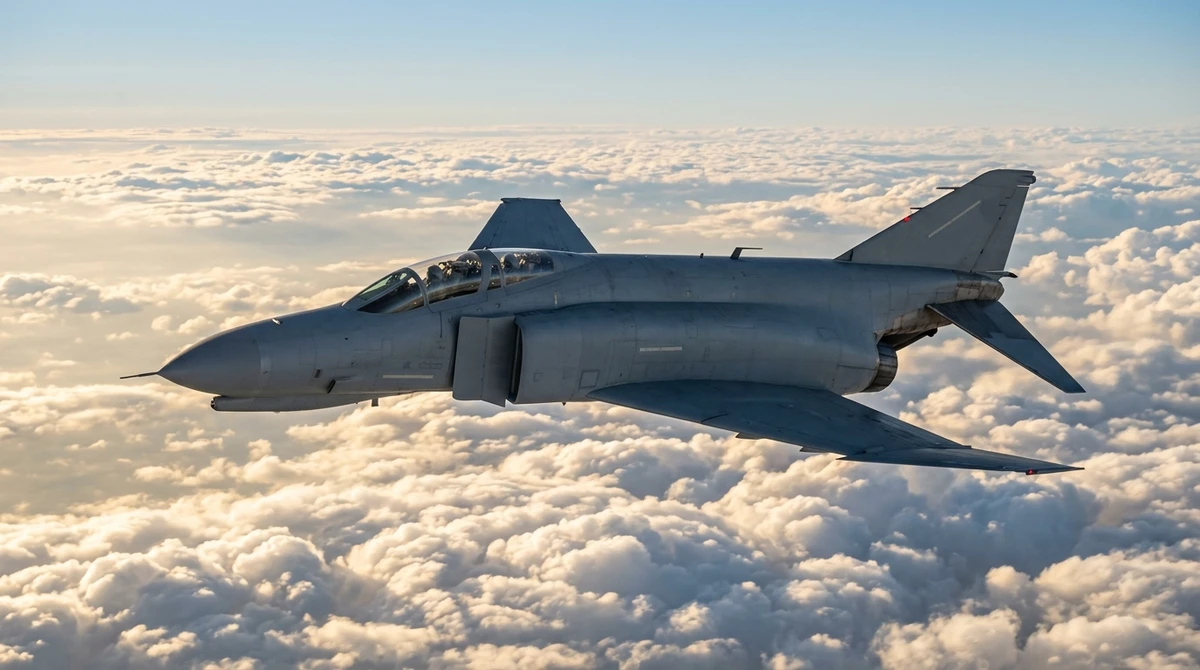
Only Three Air Forces Still Fly the F-4 Phantom II, and Greece Has Just Lost Another
A Hellenic Air Force F-4E Phantom II crashed during its display at Athens Flying Week on 5 September 2026, killing both crew members, the Hellenic Air Force said, and leaving 127 Phantoms in service worldwide with Greece, Turkey and Iran.
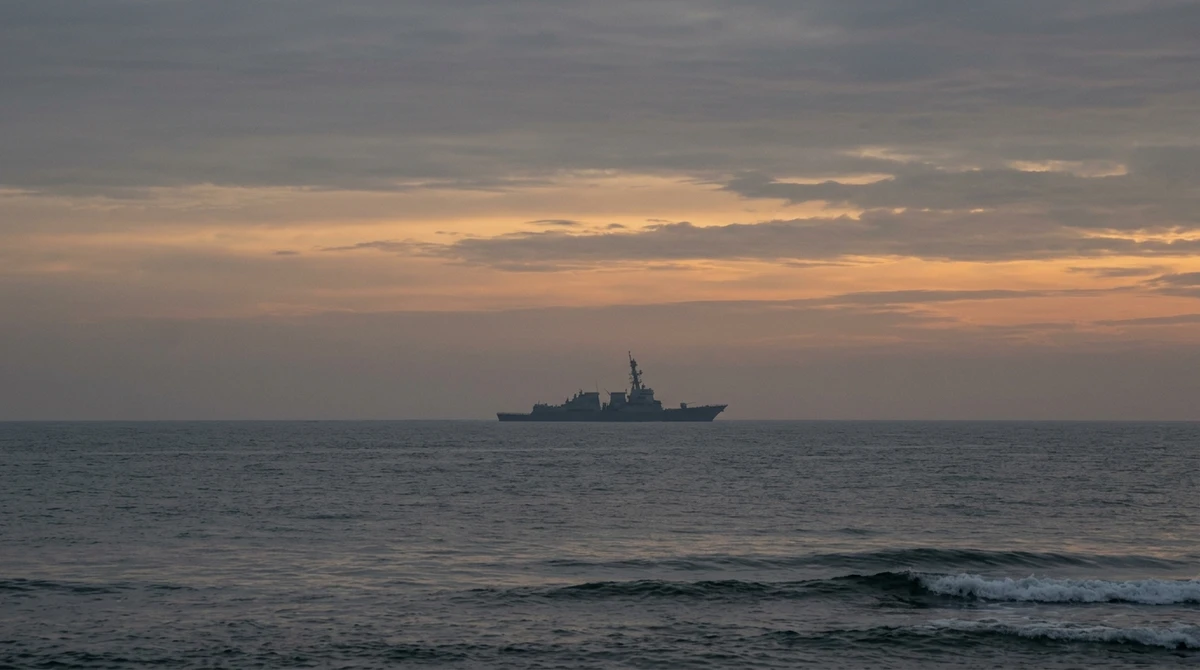
US Navy Opens Formal Study of Japanese, Korean and Turkish Frigates After Constellation Cancellation
The US Navy has opened a formal evaluation of the Japanese Mogami, South Korean Chungnam and Turkish Istanbul frigate designs for a new class of frigates, USNI News reported on 1 September 2026, with the assessment due on 12 November.

Greece Signs $3.4 Billion Israeli Air Defense Deal for David's Sling, Barak MX and SPYDER
Greece's new Achilles' Shield program will field David's Sling, Barak MX and SPYDER interceptors alongside IAI radars under a roughly €3 billion agreement signed with Israel's Ministry of Defense on August 31, with the systems due to be in place by 2029.
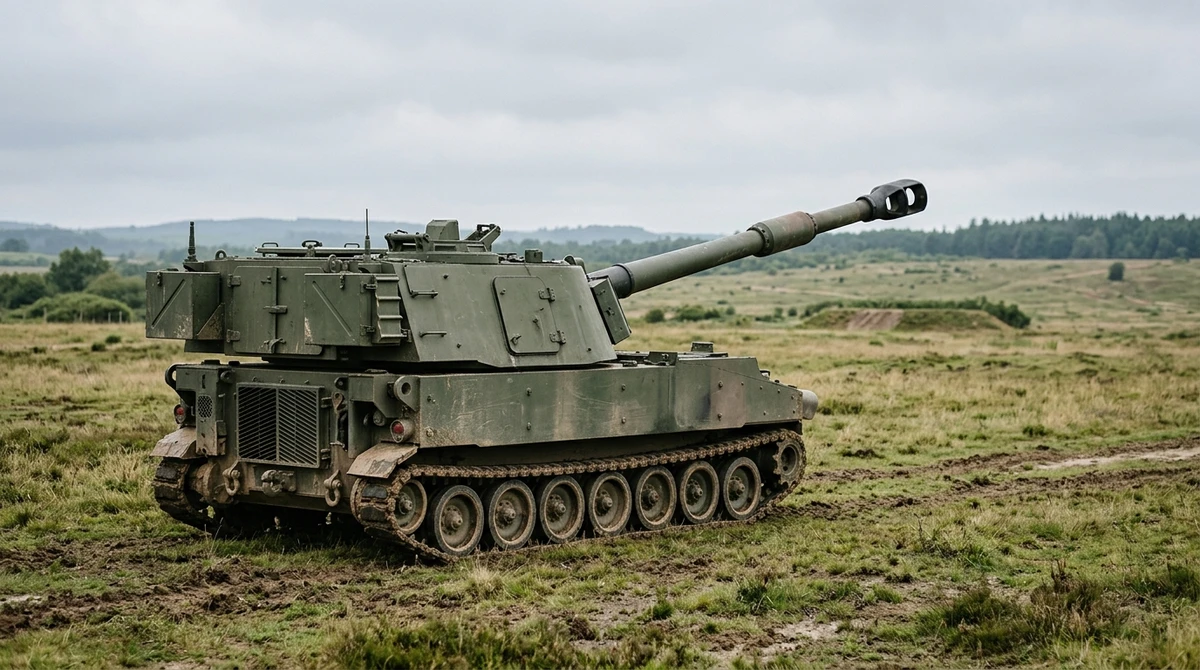
US Army Opens Search for M109 Replacement — 23 Armies Still Field 6,036 of the Cold War Howitzer
The US Army issued a request for information on September 1 for a tracked 155mm howitzer to replace the M109 in armored formations — a type first fielded in the 1960s and still in active service with 6,036 examples across 23 countries, according to GlobalMilitary.net inventory data.
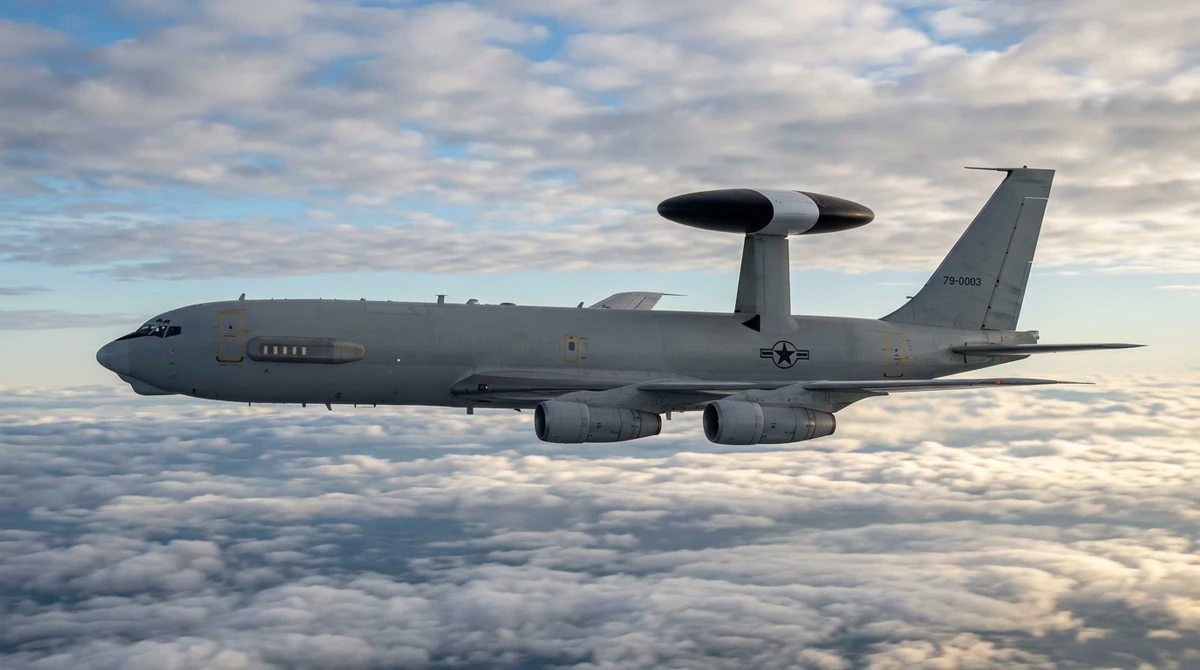
Only 20 Air Forces Fly Airborne Early Warning Aircraft — China Now Fields More Than the USAF
Just 20 of the 162 air forces tracked by GlobalMilitary.net operate airborne early warning aircraft in 2026; the United States leads with 98, but 83 are carrier-based Navy Hawkeyes, leaving the US Air Force with 15 aging E-3 Sentries against China's 81 land-based radar aircraft.

German Frigate Sachsen-Anhalt Fires Israeli LORA in Navy's First Ballistic Missile Launch at Sea
The frigate Sachsen-Anhalt launched at least two Israeli-made LORA quasi-ballistic missiles from containerized launchers on its flight deck in the North Atlantic on the night of September 1 to 2, the first time a German warship has fired a ballistic missile.