General Atomics Unveils Wildfire, an MQ-9 Successor, After 46 Reapers Lost in 2026
General Atomics has entered a clean-sheet drone called Wildfire into the Pentagon's Massed Modular Aircraft competition to replace the MQ-9 Reaper, a fleet that fell from 231 aircraft to 165 this year after 46 US Reaper losses in the war with Iran.
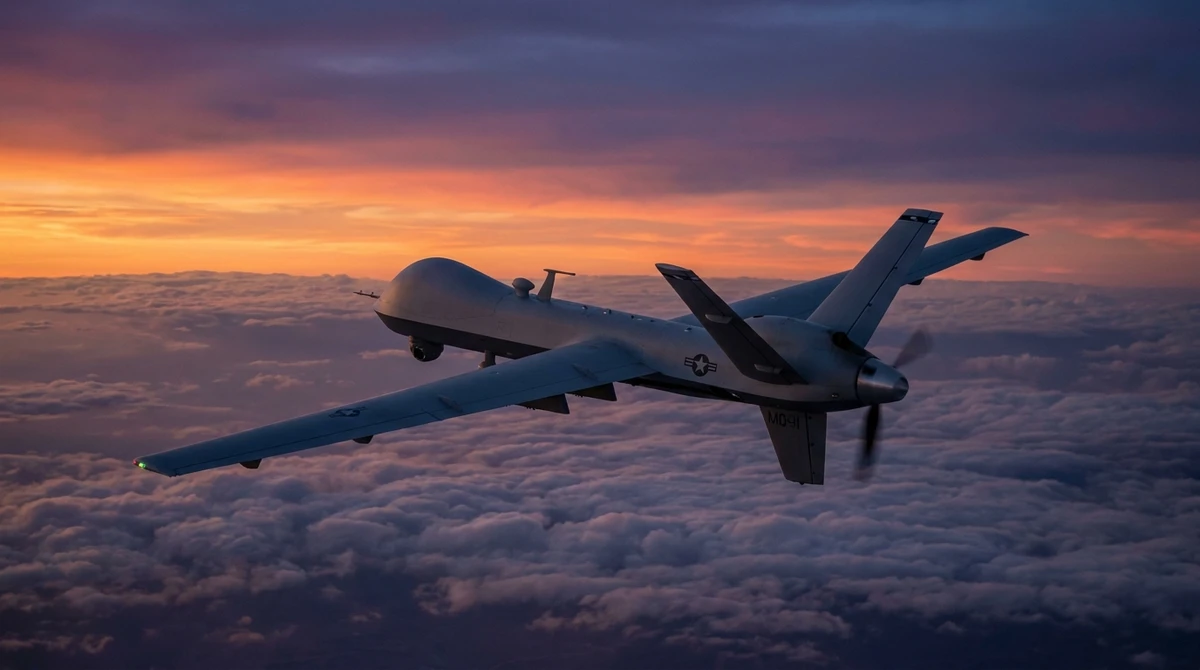
General Atomics Aeronautical Systems has unveiled Wildfire, a clean-sheet unmanned aircraft it is pitching as the successor to the MQ-9 Reaper, the medium-altitude drone that has anchored American strike and surveillance operations for two decades. The company has entered the design into the Defense Innovation Unit's Massed Modular Aircraft competition, a solicitation posted on July 7, 2026 that asks industry for a theater-range, modular unmanned system priced below $30 million per aircraft.
General Atomics says Wildfire will offer a 10,000-nautical-mile ferry range, carriage of four AGM-158C LRASM anti-ship missiles, and semi-autonomous control of formations of up to 100 aircraft feeding a single common operating picture. The company claims it can deliver Wildfires "years earlier" than the program schedule, which targets an initial operating capability in fiscal 2031 with 20 mission-ready aircraft.
The competition is no longer the three-way contest it would have been a decade ago. Northrop Grumman and Lockheed Martin remain in the field, but they are now joined by newer entrants built around cheap, high-rate production, on the premise that the next medium-altitude drone should be expendable rather than exquisite. General Atomics' chief executive publicly questioned the sub-$30 million target in July, arguing the figure does not match the capability being asked for. The US Air Force's own aircraft inventory is the pressure behind the schedule: the service separately began concept refinement work on an MQ-9 replacement this year.
That pressure is arithmetic. The Reaper inventory fell from 231 aircraft in fiscal 2025 to 165 in fiscal 2026, roughly a quarter of the fleet, and almost all of the difference went in the 2026 war with Iran. GlobalMilitary.net's event log now records 46 US Reaper losses in 2026 across 30 entries, every one tied to that conflict, up from the 36 counted when we last totaled the war's aircraft losses on August 2.
Twenty-seven were shot down in 24 separate engagements, with the IRGC Aerospace Force claiming kills over Bushehr, Isfahan, Hormozgan, Kerman, Shiraz and repeatedly over Qeshm Island, and Iranian-backed militias claiming others over Basra, Karbala and Babylon in Iraq. Short-range systems did much of the work, including the AD-08 Majid credited with two shootdowns over Isfahan in a single night in March. Three Reapers were destroyed on the ground by Iranian ballistic missiles, at Ali Al Salem Air Base in Kuwait and Muwaffaq Salti Air Base in Jordan. Two were written off in non-combat accidents, and nine more were disclosed in aggregate in August, beyond the individually documented losses.
For scale, the same log records one American Reaper lost in 2025, two in 2024 and one in 2023. It tracks losses reported in the press rather than the service's own accounting, so the annual figures are a floor rather than an audit.
The type being replaced has a long lineage and a set of expiring assumptions. The Reaper entered service in 2007 as an armed, heavier development of the MQ-1 Predator, built for long loiter over airspace nobody contested, with no meaningful survivability against a layered integrated air defense. Iran spent six months demonstrating what that costs.
Two clocks now run in parallel: the Massed Modular Aircraft evaluation, and the Air Force's concept refinement, which will settle whether the service buys one capable Reaper replacement or a larger number of cheaper aircraft it can afford to lose. General Atomics is betting the answer is the second, and that it can build them first.
More News
All news →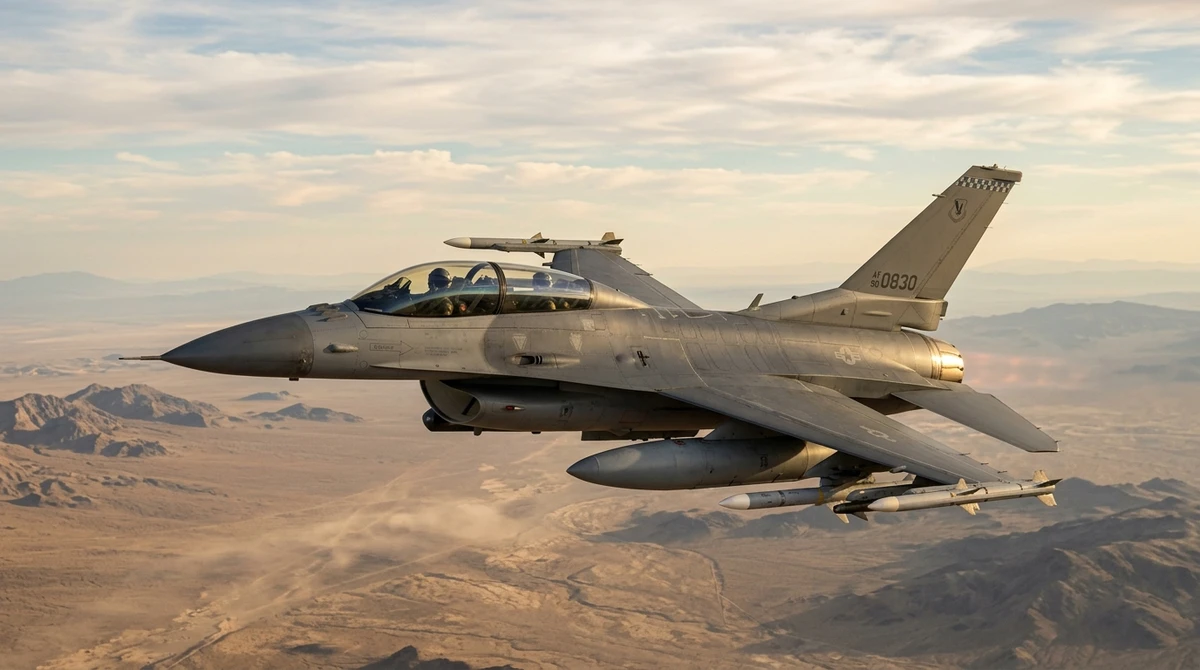
Morocco's First F-16 Block 72 Makes Maiden Flight, the First Pratt & Whitney-Powered Viper to Fly
Lockheed Martin said on October 6 that the Royal Moroccan Air Force's first F-16 Block 72, a two-seat F-16D, had flown from its Greenville, South Carolina, plant, the first flight of the Pratt & Whitney-engined version of the latest-generation Fighting Falcon.

First HACM Hypersonic Cruise Missile Flight Test Unit Released Over Australia
The U.S. Air Force says a Hypersonic Attack Cruise Missile flight test unit was released by the Royal Australian Air Force over an Australian test range, without disclosing the date, the launch aircraft or whether the scramjet-powered weapon achieved powered flight.

Spain Selects Airbus A321 as Platform for Three SIGINT Aircraft in €436M Program
Spain has chosen the Airbus A321 as the platform for three signals-intelligence aircraft for the Spanish Air and Space Force, restoring a dedicated airborne SIGINT capability the country has lacked since its Boeing 707 was retired in 2014.
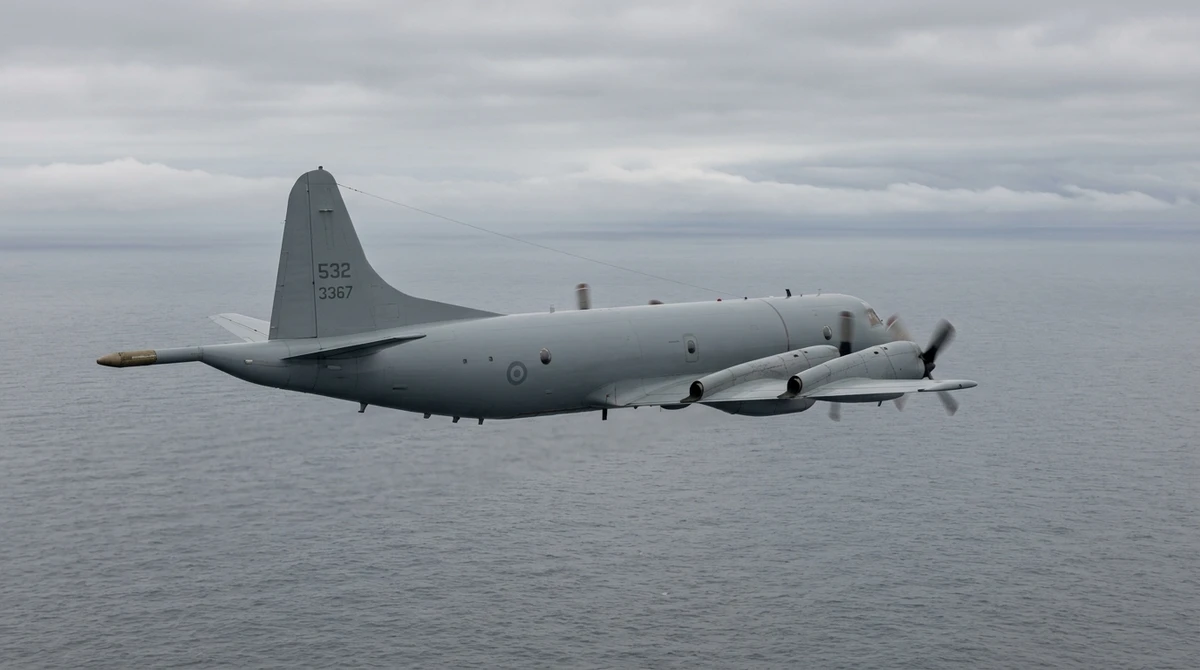
P-3 Orion Fleet Down to 101 Aircraft in 12 Countries, Roughly Half Its 2022 Size
GlobalMilitary.net's inventory data counts 101 P-3 Orions in military service across 12 countries, down from 211 in 16 countries in its 2022 snapshot, as US agencies retire special-mission Orions and Japan draws down the largest remaining fleet.

Northrop Grumman's YFQ-48A Talon Blue Completes First Fully Autonomous Flight at Mojave
Northrop Grumman said on October 3, 2026 that its company-funded YFQ-48A Talon Blue had taxied, taken off, maneuvered and landed without pilot input at Mojave, California, as the US Air Force prepares to select designs for Increment 2 of its Collaborative Combat Aircraft program.
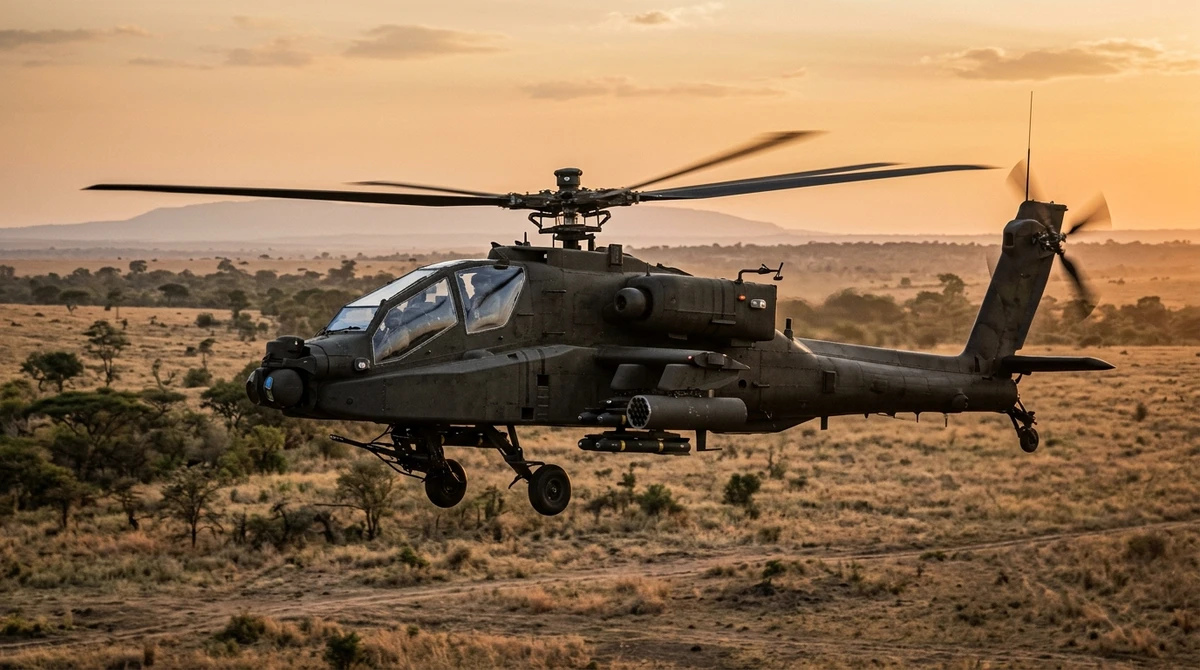
Australia Retires Its Tigers, Leaving Three Operators Among the World's 3,623 Attack Helicopters
The Australian Army has retired its Tiger attack helicopters, marking the fleet's sundown in Darwin on 30 September and leaving France, Germany and Spain as the only users; GlobalMilitary.net data counts 3,623 active attack helicopters in 81 countries.