Nuclear weapons of France
An estimated 370 warheads, 280 of them deployed, delivered by air, sea forces.
Overview
France fields the world's fourth-largest arsenal: a military stockpile of about 290 warheads, some 280 of them deployed — the highest deployment ratio of any nuclear power. The force de frappe is fully independent: warheads, missiles and delivery platforms are designed and built nationally, and France does not participate in NATO's nuclear sharing arrangements or its Nuclear Planning Group.
The deterrent is a dyad. Four Triomphant-class submarines based at Île Longue maintain continuous at-sea deterrence with the M51 missile, while Rafale squadrons of the Strategic Air Forces carry the supersonic ASMP-A cruise missile. Both components are being renewed: the third-generation SNLE 3G submarines, the ASN4G hypersonic missile and an upgraded warhead are all in development.
France tested first at Reggane in the Algerian Sahara in February 1960 and last in the Pacific in 1996. It has since ratified the CTBT, irreversibly dismantled its Pacific test site and its fissile-material production plants, and retired the land-based leg it once operated on the plateau d'Albion. In 2025-2026 Paris opened a strategic dialogue with European partners on a European dimension for its deterrent, while stressing that the decision to employ it remains strictly national.
Paris is investing across the board: the SNLE 3G submarines and the ASN4G hypersonic missile are funded through the 2024-2030 military programming law, and in 2025 the government designated Luxeuil as a fourth strategic air base, to field the Rafale F5 with ASN4G by 2035 — the first expansion of the airborne component in decades. The strategic dialogue opened with Germany and other partners explores what a European dimension of the French deterrent could mean in practice; the decision to employ it remains, by doctrine, strictly national.
Delivery systems
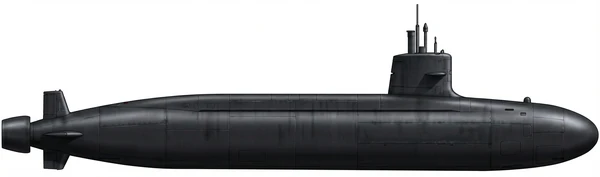
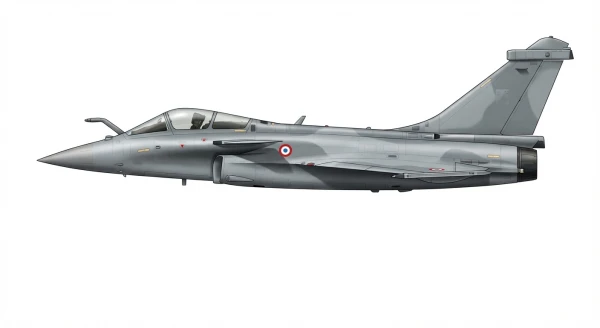
| Non-Proliferation Treaty | Nuclear-weapon state |
| Test-Ban Treaty (CTBT) | Ratified 1998 |
| Prohibition Treaty (TPNW) | Not party |
Frequently Asked Questions
How many nuclear weapons does France have?
France is estimated to hold 370 nuclear warheads in its total inventory, with about 280 of them deployed on operational forces. The figure is an estimate from the Federation of American Scientists — no current official count exists.
When did France first test a nuclear weapon?
France conducted its first nuclear test in 1960.
What delivery systems does France use?
The arsenal is delivered by air, sea vectors, including M51, ASMP-A, Le Triomphant, Rafale. Each system is documented in the equipment database linked on this page.
Is the arsenal of France growing?
See the stockpile history chart on this page: it tracks the estimated warhead count year by year since the first weapons were fielded, based on the FAS series published through Our World in Data.
- AUG 112026 Updated Historical warhead stockpile series updated (63 yearly values)
- MAR 142026 Updated Nuclear overview updated
- FEB 272026 Updated Warhead inventory updated
- JAN 202026 Updated Nuclear overview updated