Nuclear weapons of Russia
An estimated 5,420 warheads, 1,796 of them deployed, delivered by air, sea, land forces.
Overview
Russia holds the world's largest nuclear inventory: roughly 5,420 warheads, of which about 4,400 form the military stockpile and an estimated 1,020 are retired and awaiting dismantlement. Around 1,800 warheads are deployed on strategic forces, and Russia also fields the world's largest stock of nonstrategic warheads, generally estimated at well over a thousand.
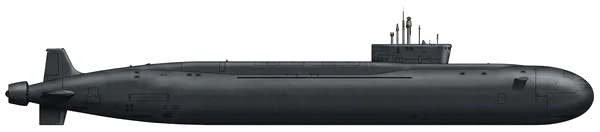
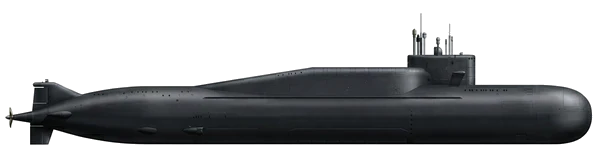
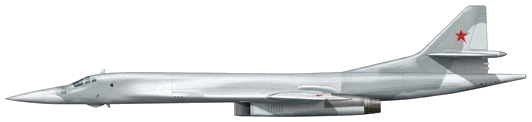
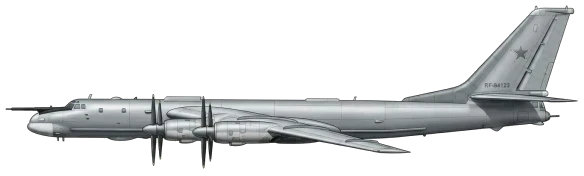
The triad rests on silo-based and road-mobile Yars ICBMs — with the heavy RS-28 Sarmat entering service slowly — Borei- and Delta IV-class submarines carrying Bulava and Sineva missiles, and Tu-160 and Tu-95MS bombers with long-range cruise missiles. A set of novel systems sits alongside the triad: the Avangard hypersonic glide vehicle, the Poseidon nuclear-powered torpedo, the Burevestnik nuclear-powered cruise missile and the Oreshnik intermediate-range missile first fired against Ukraine in November 2024. Since 2023 Moscow has also reported forward-deploying nonstrategic warheads to Belarus, the first such basing abroad since the Soviet withdrawal.
Russia suspended its participation in New START in 2023 and revoked its ratification of the Comprehensive Nuclear-Test-Ban Treaty the same year. A revised doctrine published in November 2024 widened the stated conditions for nuclear use. After New START expired in February 2026, Moscow said it would voluntarily observe the treaty's old ceilings for the time being.
The signals hardened through 2025: Moscow claimed successful tests of the Burevestnik cruise missile and the Poseidon torpedo, ordered preparations for a possible return to nuclear testing at Novaya Zemlya, and announced the Oreshnik's deployment to Belarus by year-end. Strategic modernization is nearly complete — Moscow puts the modern share of its strategic forces above 95 percent — even as the Sarmat's flight-test record stays poor. Having let New START lapse, Russia observes the old ceilings as a voluntary restraint it can abandon at will.
Delivery systems
| Non-Proliferation Treaty | Nuclear-weapon state |
| Test-Ban Treaty (CTBT) | Ratification revoked 2023 |
| Prohibition Treaty (TPNW) | Not party |
Frequently Asked Questions
How many nuclear weapons does Russia have?
Russia is estimated to hold 5,420 nuclear warheads in its total inventory, with about 1,796 of them deployed on operational forces. The figure is an estimate from the Federation of American Scientists — no current official count exists.
When did Russia first test a nuclear weapon?
Russia conducted its first nuclear test in 1949.
What delivery systems does Russia use?
The arsenal is delivered by air, sea, land vectors, including RS-24 Yars, RS-28 Sarmat, RSM-56 Bulava, Avangard. Each system is documented in the equipment database linked on this page.
Is the arsenal of Russia growing?
See the stockpile history chart on this page: it tracks the estimated warhead count year by year since the first weapons were fielded, based on the FAS series published through Our World in Data.
- AUG 112026 Updated Yearly statistics, deployed warheads and warhead inventory updated across 2 entries
- MAR 152026 Updated Nuclear overview updated
- FEB 272026 Updated Deployed warheads and warhead inventory updated
- JAN 202026 Updated Nuclear overview updated