USAF A-10 fleet down to 162 airframes as retirement date slips to 2030 amid Iran war deployment
GlobalMilitary.net's inventory data puts the US Air Force's A-10C fleet at 162 aircraft in 2026, down 43.6% since 2020, as the latest US force-structure proposal defers the type's final retirement to 30 September 2030 and the Warthog flies combat missions against Iran from Jordan.

The US Air Force's A-10 Thunderbolt II fleet has entered a final four-year drawdown under the service's current force-structure proposal, even as the type remains committed to the 2026 war with Iran. As of 10 September 2026, the aircraft sits at the center of two developments: a single-origin report of battle damage at a forward base in Jordan, and a force-structure proposal that keeps a shrinking fleet flying until 30 September 2030, one year after a budget request to retire every remaining airframe.
CBS News reported that an A-10C was left with a severely damaged wing during an Iranian ballistic-missile barrage on Muwaffaq Salti Air Base, near Azraq, on the night of 8-9 September. Air & Space Forces Magazine, relaying the CBS News report, said no aircraft was reported destroyed. US Central Command did not respond to requests for comment, and no official US statement has confirmed the damage. Jordan's armed forces said 18 of the 20 missiles fired at the base were intercepted and the remaining two fell in unpopulated areas. The same reporting said around eight F-15E Strike Eagles were lightly damaged in the barrage and have returned to service. GMN has logged the damage as an event record, attributed to that reporting.
The report lands as Pentagon plans for the type have reversed direction within a year. The FY2026 budget request, submitted in June 2025, proposed retiring every remaining A-10 in FY2026 and cancelling the E-7 airborne early-warning aircraft, according to Defense News. The current proposal, as of 31 July 2026, instead spreads the retirements across four fiscal years: 49 aircraft in FY2027, none in FY2028, 18 in FY2029 and the final 36 during FY2030, with the fleet gone by 30 September 2030, according to the FY2027 Force Structure Changes Exhibit as reported by 19FortyFive.
The extension did not halt the closure of the support base beneath the aircraft. Hill Air Force Base completed the last A-10 depot overhaul in February 2026, the last class of newly qualified Warthog pilots graduated at Davis-Monthan Air Force Base in March 2026, and the final TF34 engine was built in May 2026. The aircraft that fly to 2030 will do so on the airframes, engines and pilots already in hand.
GlobalMilitary.net's own inventory series, an annual snapshot of active aircraft drawn from this site's database rather than from US Air Force statements, shows how far the fleet had already shrunk before the war. The count stood at 287 in 2020, 286 in 2021, 284 in 2022 and 286 in 2023, then fell to 270 in 2024, 234 in 2025 and 162 in 2026: a decline of 125 airframes, or 43.6%, in six years, with the bulk of the fall coming after 2023. Because the United States is the only operator of the type, the figure on the US Air Force inventory page is also the global A-10 population. The type entered service in 1975; 716 were built.
The drawdown has run in parallel with the type's deployment to the war with Iran, which began on 28 February 2026. A-10s deployed to Muwaffaq Salti Air Base, and The Aviationist reported in March 2026 that they were being used against Iranian fast attack craft in the Strait of Hormuz. The same outlet reported in June 2026 that aircraft returning from operations carried kill markings, including markings for Iranian vessels. The A-10 has also been employed as a drone-hunter armed with APKWS guided rockets. On 3 April 2026, one A-10C was shot down near the Strait of Hormuz; the pilot ejected over the Persian Gulf and was rescued.
What comes next is set by the FY2027 proposal rather than by events in Jordan: the first tranche of retirements in FY2027, a pause in FY2028, and the final two tranches in FY2029 and FY2030. Whether the September damage becomes a written-off airframe depends on an assessment that CENTCOM has not made public. GMN's 2027 snapshot will record where the fleet actually stands after the first year of the drawdown.
More News
All news →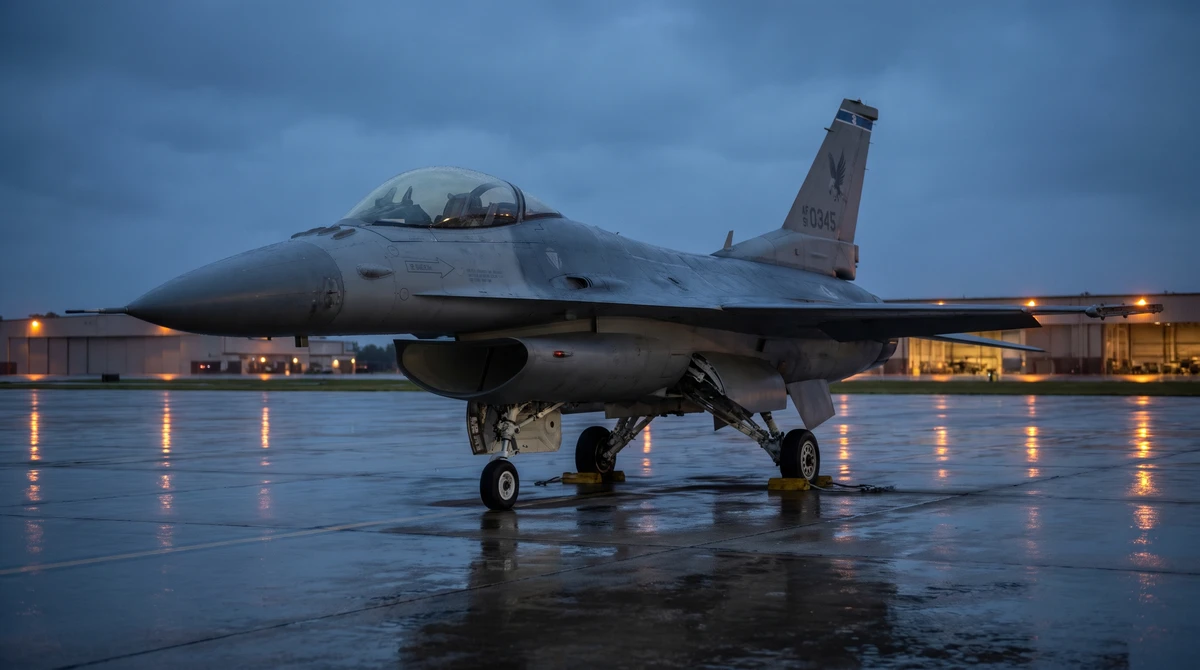
Military Aircraft Crashes in 2026 Reach 83 Logged Accidents Across 30 Countries
GlobalMilitary.net's log records 83 military aircraft crashes and 87 airframes lost in 30 countries between 1 January and 2 November 2026, after a run of fatal accidents in France, the Philippines and Bosnia in late October and a decade-high US Navy mishap count.
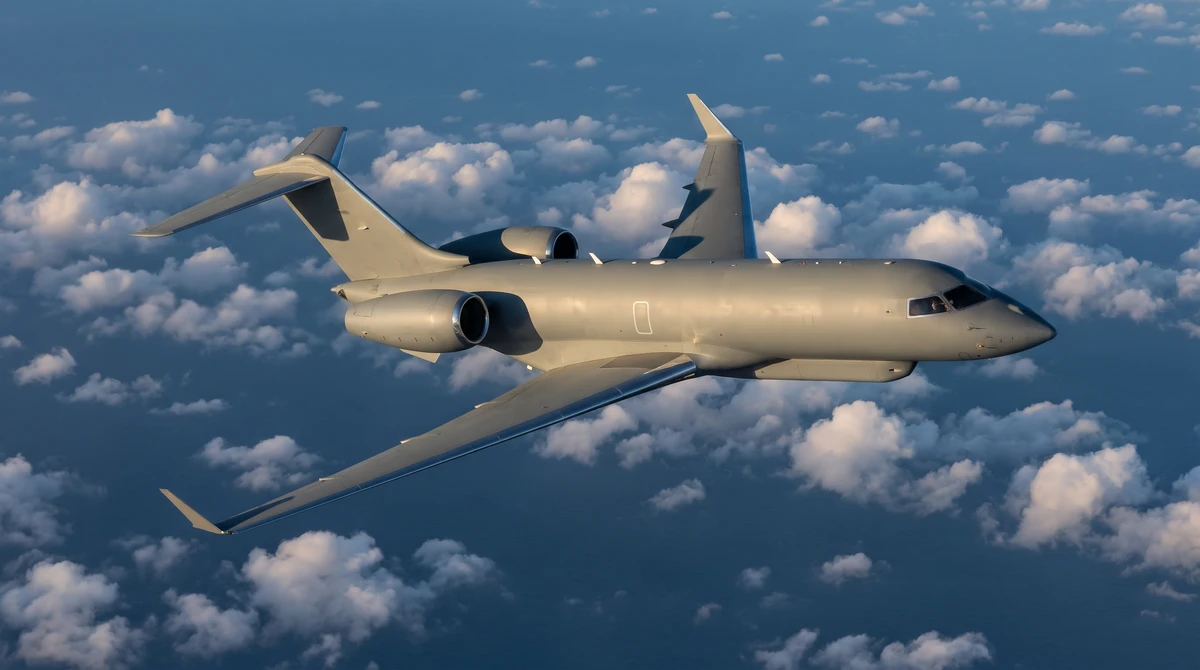
US Army's HADES Spy Jet Flies for the First Time, a Global 6500 Replacing Turboprop ISR
The US Army said on October 30 that HADES Prototype 1, an airborne intelligence aircraft built on a modified Bombardier Global 6500 business jet, made its first flight on September 11, moving the program into mission system integration and developmental flight testing.
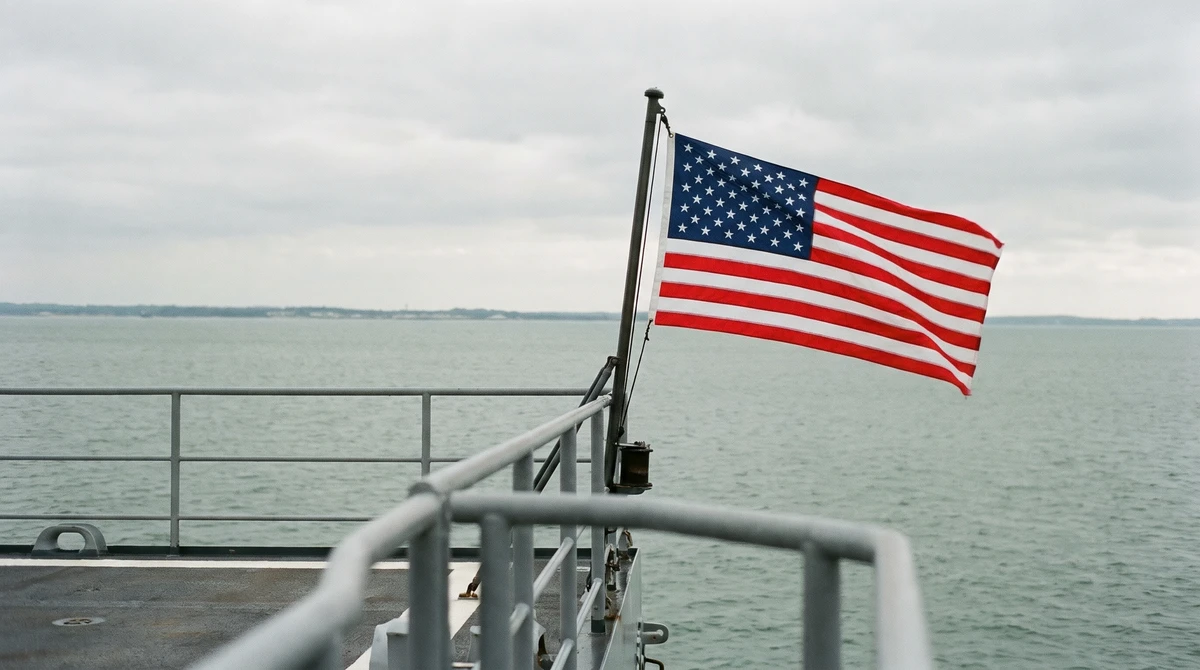
Hanwha Philly Shipyard Selected to Build Its First US Navy Ship, a $269 Million Medium Landing Ship
Hanwha Defense USA said on Oct. 29 that TOTE Services had chosen its Philly Shipyard to build one Medium Landing Ship for the US Navy and Marine Corps under TOTE's $2.2 billion construction-management contract, with options for three more vessels.
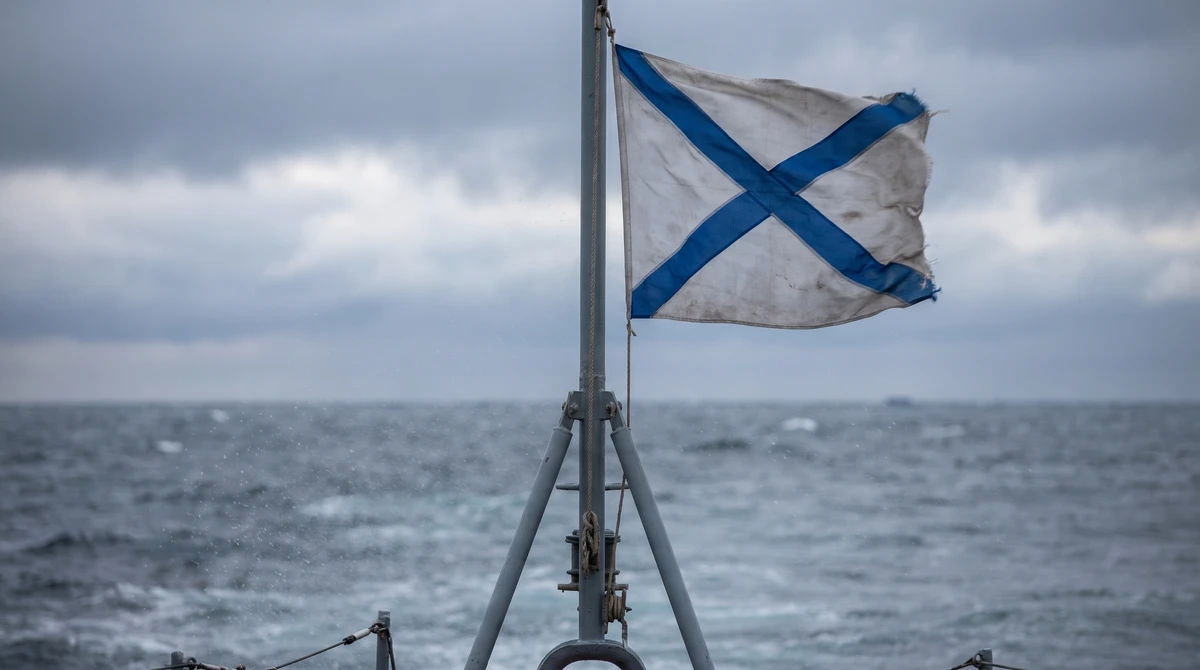
Russia Says Pacific Fleet Submarine Generalissimus Suvorov Fired Bulava Missile From Sea of Okhotsk
The Borey-class submarine Generalissimus Suvorov launched a Bulava intercontinental ballistic missile from a submerged position in the Sea of Okhotsk on October 28, the Russian Ministry of Defence said, in what the Russian Strategic Nuclear Forces project calls a rare Pacific Fleet firing.
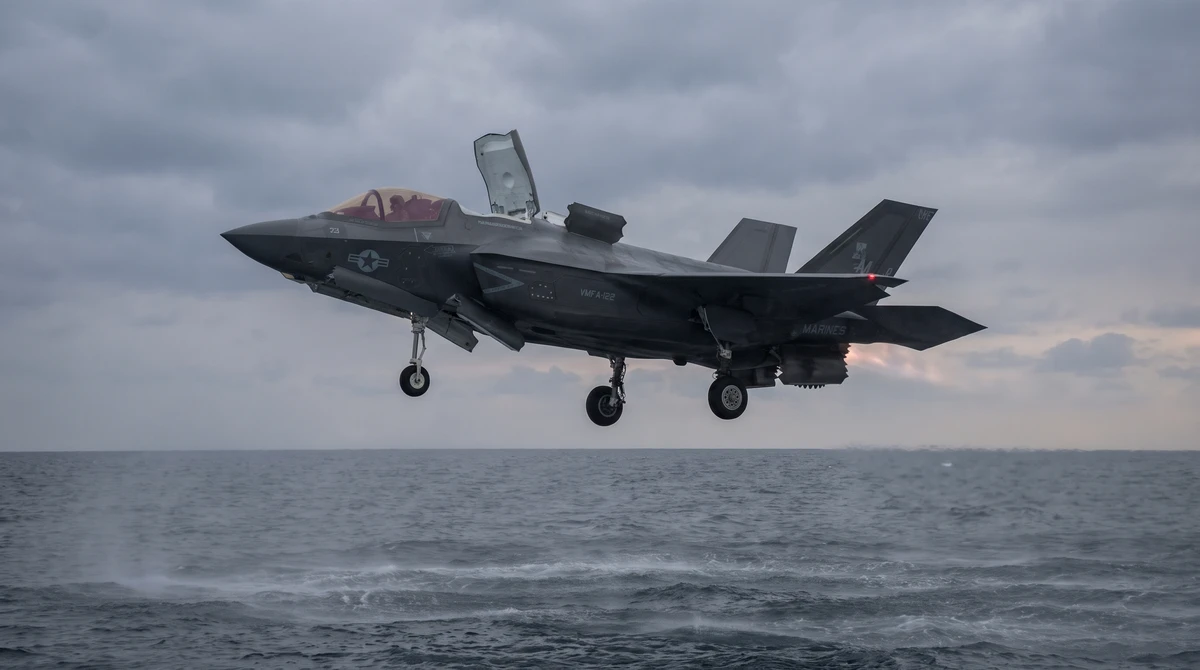
How the F-35B Lift Fan Hovers a Supersonic Jet Where the Harrier Needed Four Swiveling Nozzles
Twenty-five years after the Joint Strike Fighter award of 26 October 2001, how the F-35B's shaft-driven lift fan lets a supersonic fighter land vertically where the Harrier used four swiveling nozzles, and what the fan costs it in fuel, payload and price.
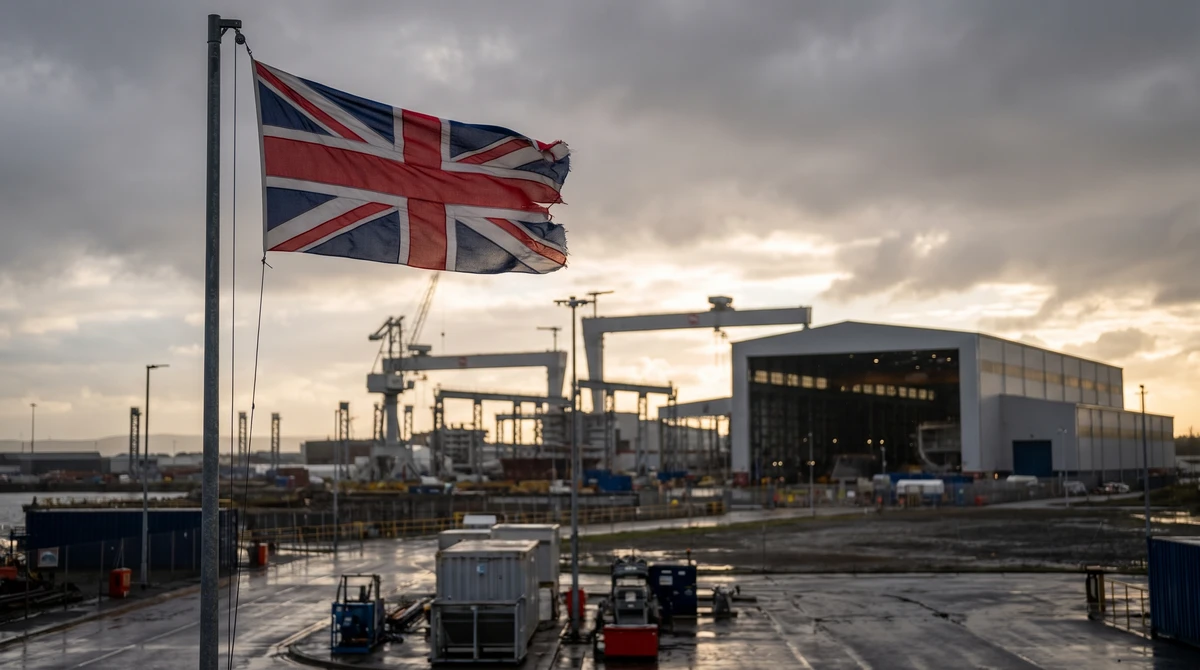
UK to Require Overseas Defense Suppliers to Invest Up to 100% of Contract Value in Britain From April 2027
The UK will require overseas firms winning defense contracts of £50 million or more to invest up to the full contract value in British jobs, factories and technology from April 2027, under an offset policy announced on 30 October 2026 that will not normally cover government-to-government deals.