France Studies Keeping Charles de Gaulle Past 2038 as 24 Carriers Serve in Nine Navies
The French Navy's chief of staff told lawmakers on October 14 that studies due in early 2029 will decide whether the nuclear-powered Charles de Gaulle can sail on after its planned 2038 retirement, which would give France two carriers for the first time since the late 1990s.
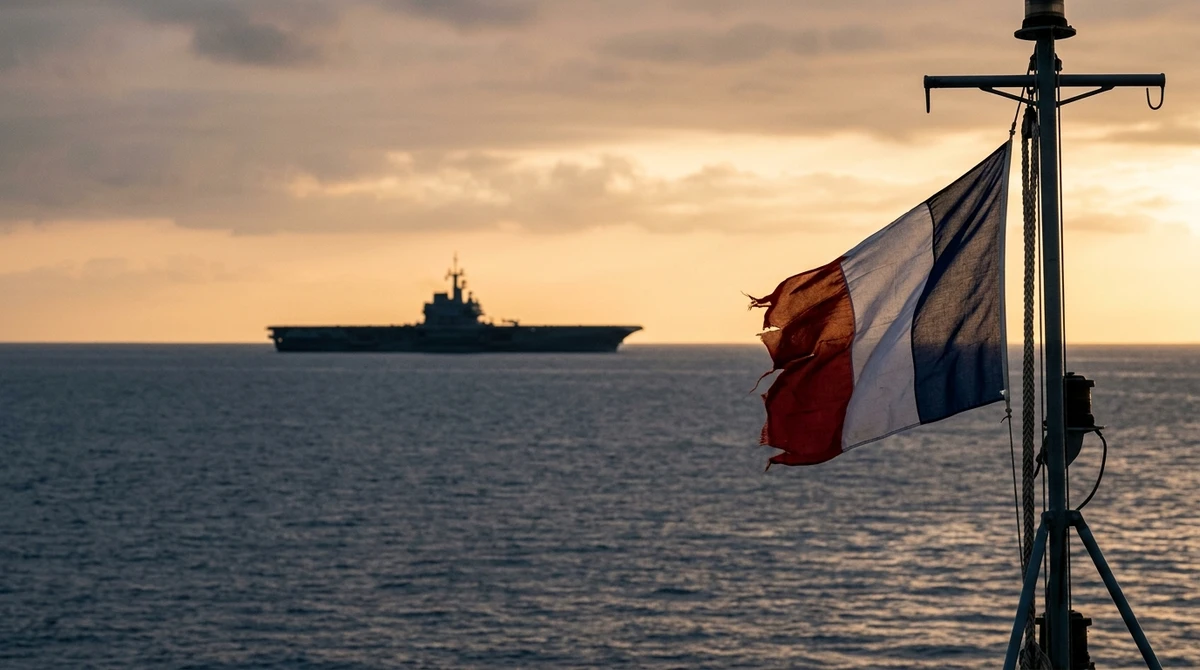
France is studying whether the aircraft carrier Charles de Gaulle can remain in service beyond its planned retirement in 2038, the French Navy's chief of staff told the National Assembly's defense committee on Wednesday, October 14, Defense News reported. A favorable result would leave France with two carriers once the ship's successor, the France Libre, enters service that year.
The current plan already calls for an overlap between 2036 and 2038, with two carrier crews on active duty, according to Defense News. That would be the first time the French Navy has had two carriers in commission since the late 1990s, when the conventionally powered Foch and Clemenceau served together. The studies, part of an upcoming major refit, will examine wear on the reactor cores, the ability to keep fuel aboard for longer, and all of the ship's auxiliary systems. Results are due in early 2029 and will be the deciding factor, the chief of staff said.
Cost is the obstacle. Defense News put the price of the France Libre at an estimated €10 billion (US$11.2 billion), enough to fund at least ten new FDI-class frigates. "Two carriers is a political ambition, and it's not for me to decide on its suitability," the chief of staff told the committee, adding that a permanent presence at sea would require three carriers.
The France Libre is planned at about 310 m and about 80,000 tonnes, against 261.5 m and about 42,000 tonnes for the Charles de Gaulle, according to Defense News. The Charles de Gaulle carries an air wing of about 40 aircraft, mainly the naval Rafale M with two E-2C Hawkeye early-warning aircraft, and France is sticking to US-made electromagnetic catapults for the France Libre, Defense News reported. Defense News describes the Charles de Gaulle as the only nuclear-powered aircraft carrier in operation outside the US Navy.
How unusual is France's position? GlobalMilitary.net's navy inventory, which lists every aircraft carrier in service by hull, shows a small club in which one or two ships is the norm outside the United States, and in which nuclear propulsion is almost entirely an American affair.
The world's carrier fleet in 2026
In GlobalMilitary.net's data, 24 aircraft carriers are active in nine countries. The US Navy operates 11 of them. Ten are Nimitz-class ships; the eleventh is the lead ship of the Gerald R. Ford class.
China's navy is second with three carriers. The Liaoning was commissioned in 2012 and the Shandong in 2019. The Fujian followed in 2025.
Three navies operate a pair. The United Kingdom has the two ships of the Queen Elizabeth class, HMS Queen Elizabeth of 2017 and HMS Prince of Wales of 2019. India's INS Vikramaditya was commissioned in 2013, and INS Vikrant followed in 2022. Japan's Izumo-class pair, JS Izumo of 2015 and JS Kaga of 2017, rounds out the group.
Four navies operate a single carrier:
- France's Charles de Gaulle, commissioned in 2001
- Italy's Cavour, 2008
- Thailand's HTMS Chakri Naruebet, 1997
- Indonesia's KRI Sriwijaya, 2026
Indonesia is the newest member of the club. Its KRI Sriwijaya is the former Italian Giuseppe Garibaldi; GMN's navy event log records its commissioning on September 24, 2026.
Two navies that figure in carrier discussions are absent from the active count. Russia has none in service: its only carrier, the Admiral Kuznetsov, is listed as non-commissioned in GMN's inventory. Iran's drone carrier IRIS Shahid Bagheri is missing for a different reason. GMN's event log records the ship as struck at Bandar Abbas on February 28, 2026, in the opening hours of the US campaign.
The pipeline is just as lopsided. GMN's inventory lists five more Ford-class hulls for the US Navy: the John F. Kennedy fitting out, the Enterprise and Doris Miller on order, and two more planned. On October 13, a US Navy F-35C made the type's first arrested landing aboard a Ford-class carrier, the future USS John F. Kennedy (CVN 79), in the Western Atlantic, The War Zone reported; the Navy took preliminary acceptance of the ship from Newport News Shipbuilding on September 29, with formal delivery scheduled for spring 2027.
Tonnage and propulsion
Together, the 24 active carriers displace about 1.70 million tonnes at full load in GMN's ship specifications, and the American ships account for 1,101,605 tonnes of that, about 65 percent. The scale gap runs through the whole table: a Nimitz displaces 100,000 tonnes and the Gerald R. Ford 101,605, while the largest non-American carrier, the Fujian, is listed at 85,000 tonnes. The Queen Elizabeth class follows at 70,600 tonnes, the Shandong at 70,000 and the Liaoning at 60,900.
The Charles de Gaulle sits in the middle of the table at 42,500 tonnes, close to India's two carriers at 45,000 tonnes each, and above Italy's Cavour at 30,000, Japan's Izumo class at 26,000, the Sriwijaya at 14,150 and Thailand's Chakri Naruebet at 11,670.
Propulsion is where France stands apart. Twelve of the 24 active carriers are nuclear-powered in GMN's data: the 11 American ships and the Charles de Gaulle. At 42,500 tonnes, the French ship is also the smallest nuclear-powered carrier in service, less than half the size of a Nimitz; the two classes are set side by side in GMN's Charles de Gaulle versus Nimitz comparison.
Age and what comes next
Commissioned in 2001, the Charles de Gaulle would be 37 years old in 2038. The US Navy already sails older ships: by commissioning year, five active carriers are at least that old today, all of them Nimitz class, namely USS Nimitz (1975), USS Dwight D. Eisenhower (1977), USS Carl Vinson (1982), USS Theodore Roosevelt (1986) and USS Abraham Lincoln (1989). Outside the US Navy, the oldest carrier in service is Thailand's Chakri Naruebet, commissioned in 1997.
The decision now rests on the refit studies due in early 2029. The France Libre is scheduled to enter service in 2038, with the two-crew overlap planned from 2036. In the United States, formal delivery of the John F. Kennedy is scheduled for spring 2027.
GMN's "Carrier" category counts ships built or converted to operate fixed-wing aircraft, or designated as flat-deck carriers by their navy, which is why it includes Japan's Izumo class and Thailand's Chakri Naruebet. It excludes amphibious assault ships such as the US America class, Italy's Trieste, Spain's Juan Carlos I and China's Type 075. Counts are GlobalMilitary.net's navy inventory as of October 2026.
More News
All news →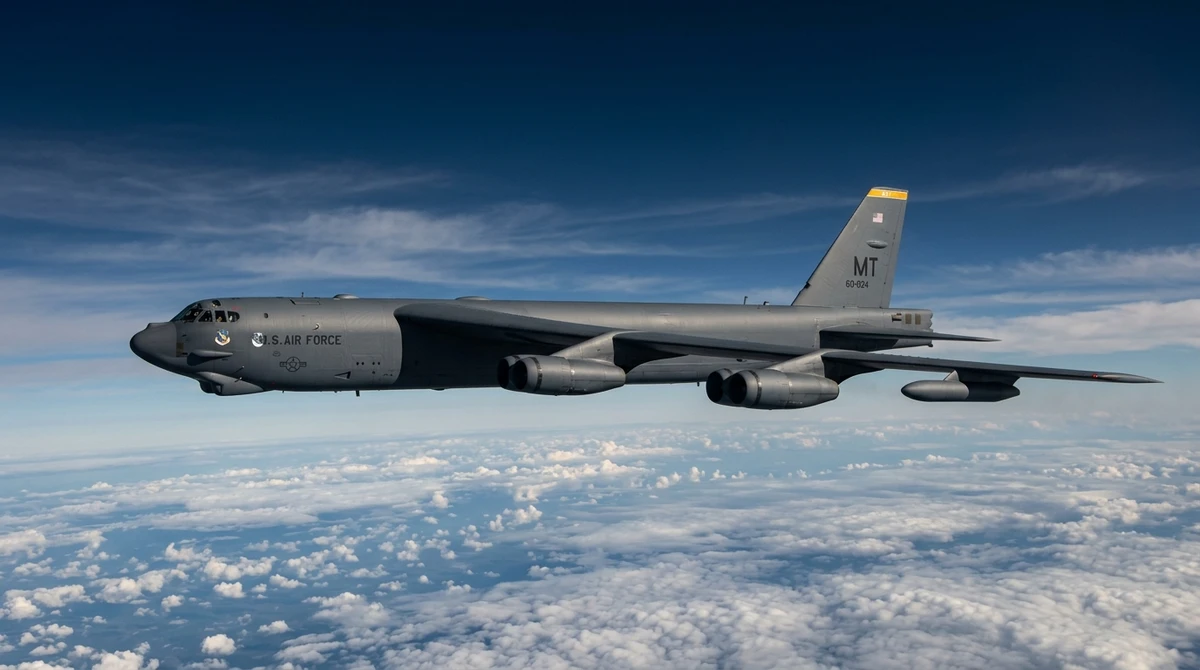
Why Hypersonic Glide Vehicles, Scramjet Cruise Missiles and the Kinzhal Are Three Different Weapons
Two flight tests in one week, the US Air Force's scramjet-powered HACM over Australia and South Korea's first hypersonic glide vehicle on October 8, shared one word for different machines; what sets them, and Russia's Kinzhal, apart is altitude, propulsion and maneuver, not speed.
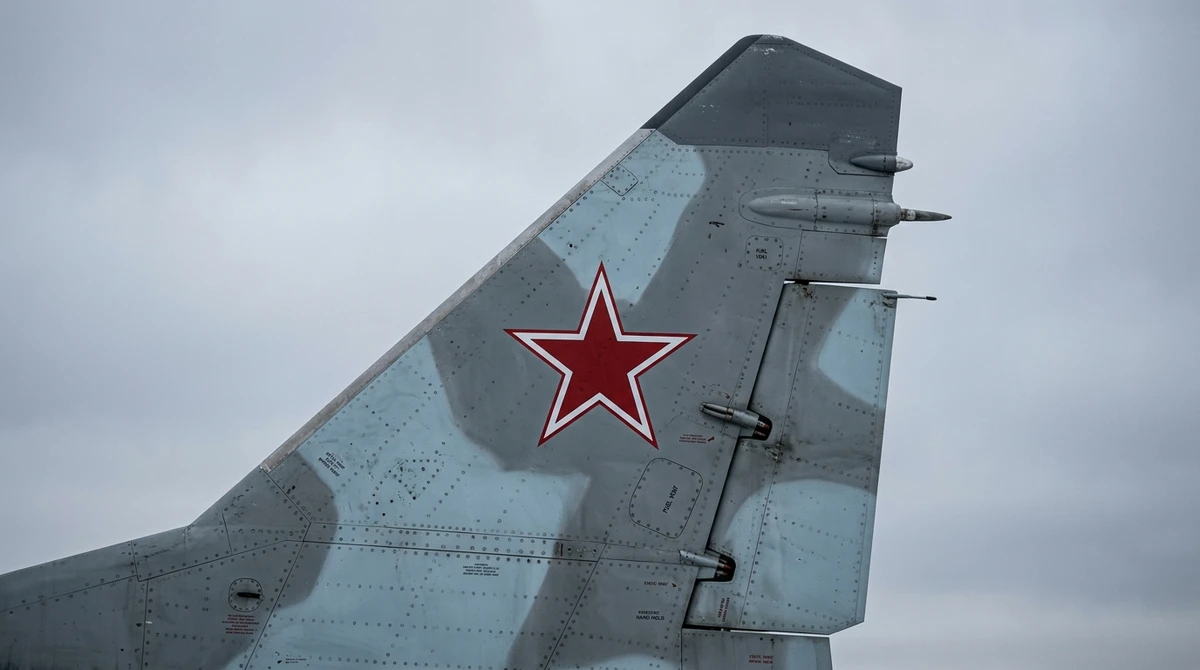
Su-34 Fullback Is the Combat Jet Russia Has Lost Most Often Since 2022, With 37 Airframes in GMN's Log
GlobalMilitary.net's log of documented losses records 37 Russian Su-34 airframes lost since February 2022, more than any other fixed-wing combat aircraft, as the destruction of a Fullback at Khanskaya Air Base on October 4 and a new delivery batch on October 7 bracket the latest week.

US Army Takes Delivery of First XM1776, Hanwha's Wheeled K9-Based Howitzer to Replace M777 in Select Units
The US Army has accepted the first prototype of its Mobile Tactical Cannon, a wheeled 155 mm howitzer derived from Hanwha's K9, and named it the XM1776 at the AUSA annual meeting in Washington on October 12, 2026, less than a year after issuing the solicitation.
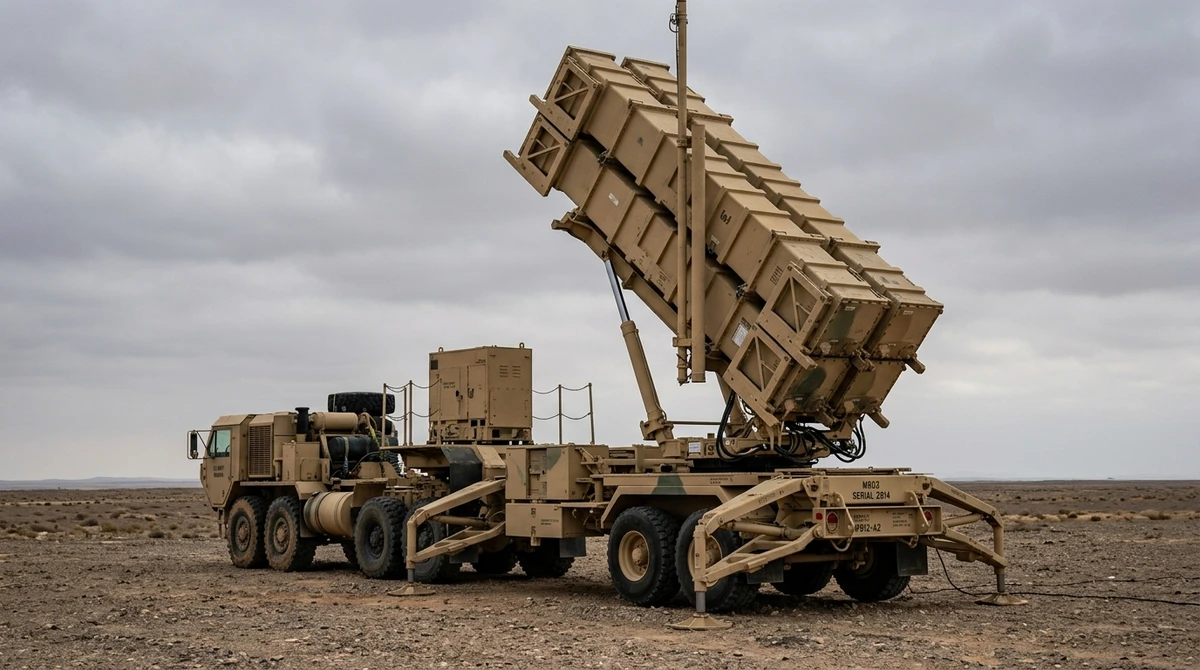
Lockheed Unveils PAC-3 Edge, a Next-Generation Patriot Interceptor for the Army's Future Interceptor Program
Lockheed Martin on October 9 unveiled PAC-3 Edge, its candidate for the US Army's Future Interceptor program and planned successor to the PAC-3 MSE Patriot missile, which it says the Army has moved to the next development stage, with testing planned for 2027 and fielding targeted by 2031.
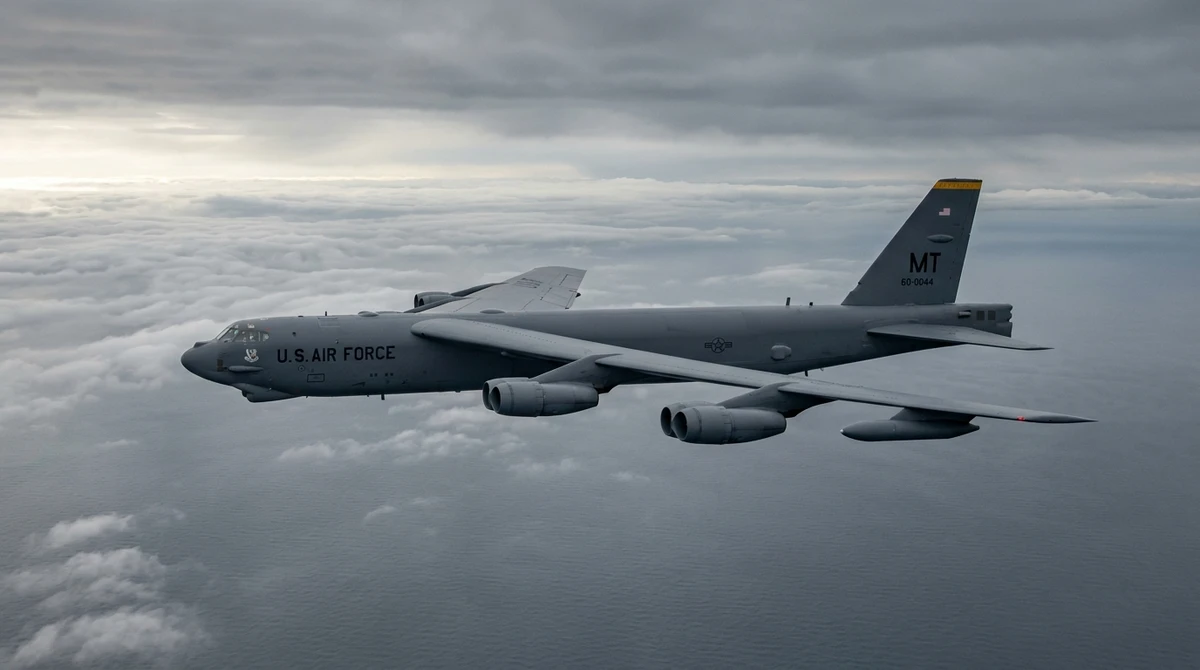
Navy Plans Sole-Source Lockheed Contract to Integrate LRASM Anti-Ship Missile on the B-52
Naval Air Systems Command said in an October 7 notice that it intends to negotiate a sole-source delivery order with Lockheed Martin to integrate the AGM-158C Long-Range Anti-Ship Missile on the US Air Force's B-52 bomber, The War Zone and Air & Space Forces Magazine reported.
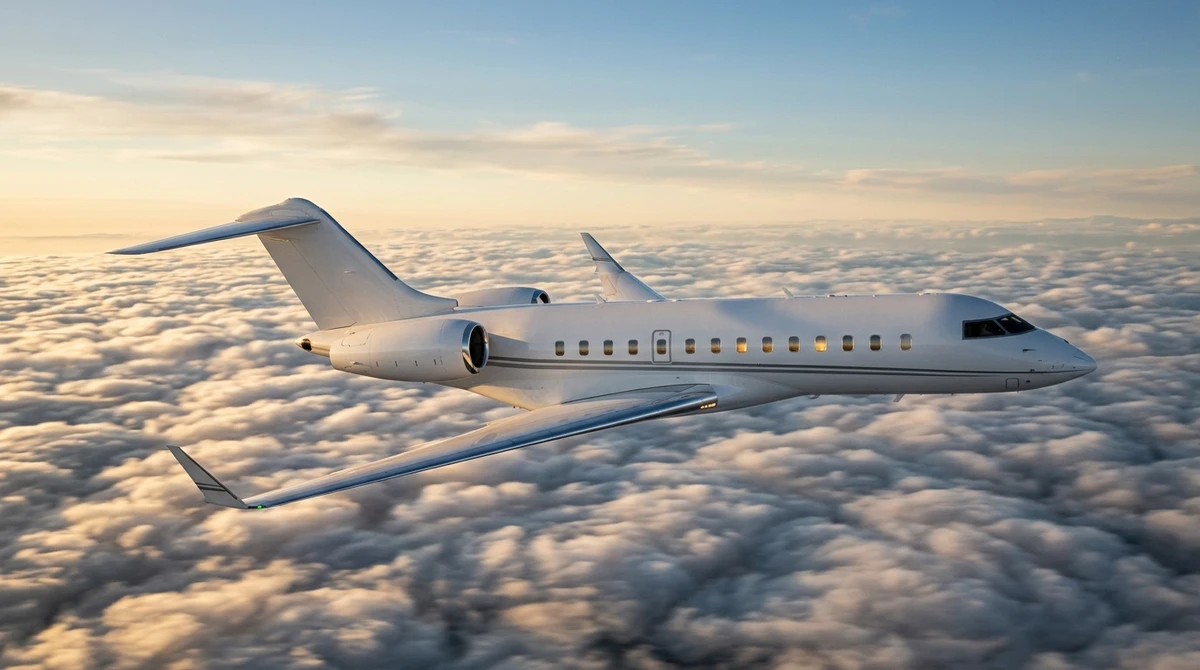
Bombardier Global Express Turns 30 With More Military Jets on Order Than in Service
Thirty years after its first flight from Toronto on October 13, 1996, the Bombardier Global Express has become a platform for military special-mission aircraft, and GlobalMilitary.net's inventory data now counts more Global-based military aircraft on order than in service.