Northrop Grumman's YFQ-48A Talon Blue Completes First Fully Autonomous Flight at Mojave
Northrop Grumman said on October 3, 2026 that its company-funded YFQ-48A Talon Blue had taxied, taken off, maneuvered and landed without pilot input at Mojave, California, as the US Air Force prepares to select designs for Increment 2 of its Collaborative Combat Aircraft program.

Northrop Grumman said on October 3, 2026 that its YFQ-48A Talon Blue had completed its first fully autonomous flight, with the aircraft taxiing, taking off, maneuvering in flight and landing without pilot input. The release, datelined Mojave, California, did not say when the flight took place; The Aviationist noted that the company did not disclose when the testing was conducted.
The aircraft flew from Mojave Air and Space Port, home of Scaled Composites, the Northrop Grumman subsidiary that developed and built it, according to The Aviationist and The War Zone. Talon Blue was developed with company money as part of Northrop's internally funded Project Talon portfolio, which also includes Talon IQ, an autonomy testbed based on the Scaled Composites Model 437.
In its release, Northrop describes an airframe with a high air intake, a wide wheelbase and an integrated weapons bay, and says manufacturing and design innovations cut part count and weight to lower cost and speed production. The company cites seven decades of autonomy work and more than 500,000 autonomous flight hours across its programs. "Our customers made it clear they need autonomous systems that can be fielded faster and more affordably without sacrificing mission effectiveness. We listened," a Northrop Grumman vice president for research and advanced design said in the statement. The aircraft is powered by a turbofan from Pratt & Whitney's PW500 family, an engine choice announced in April 2026, according to The Aviationist. Northrop has released no performance figures, and nothing is public on the aircraft's speed, range or payload.
Talon Blue was unveiled at Mojave on December 3, 2025 after development largely in secrecy, according to The Aviationist. On December 22, 2025, the US Air Force assigned it the Mission Design Series designation YFQ-48A, in which "Y" denotes a prototype, "Q" an unmanned aircraft and "F" a fighter. Northrop announced the completion of autonomous taxi tests in May 2026; the first-flight announcement followed in October.
The new type enters a field the US Air Force has already begun to fill. The service's Increment 1 Collaborative Combat Aircraft are General Atomics' FQ-42 Vengeance and Anduril's FQ-44 Fury, which received their YFQ prototype designations in March 2025, according to The Aviationist. GMN reported the FQ-42 and FQ-44 naming on September 15, 2026, and General Atomics' delivery of FQ-42 Vengeance aircraft to Creech Air Force Base on September 22. The YFQ-44A has already fired an AIM-120 AMRAAM in a live-fire test GMN covered in July 2026. Talon Blue and the Fury sit side by side in GMN's FQ-44 Fury versus YFQ-48 Talon Blue comparison.
Beyond the two Increment 1 types, The War Zone counts Boeing's MQ-28 Ghost Bat, which it calls "perhaps the most mature of all," Lockheed Martin's tailless Vectis and Kratos' XQ-58 Valkyrie among the CCA-class contenders.
The US Air Force is preparing to select designs for Increment 2 of the CCA program, and The Aviationist names the YFQ-48A among the possible contenders. The War Zone describes Increment 2 as the service's next CCA acquisition, covering hundreds of aircraft, for which the requirements remain undefined.
More News
All news →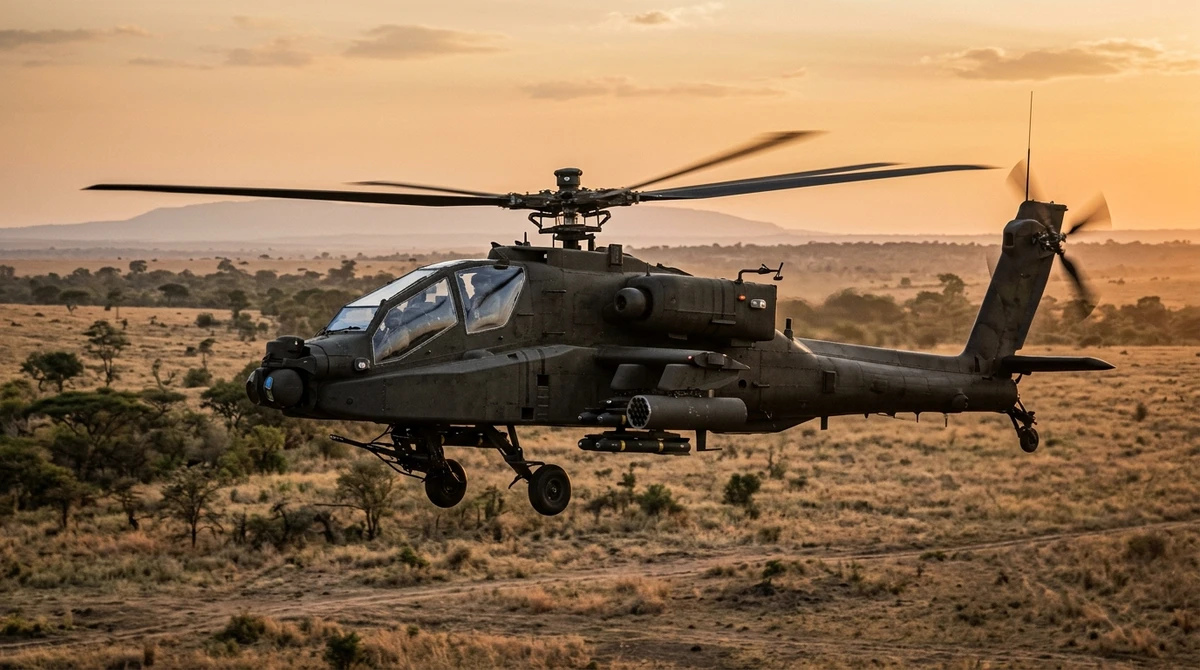
Australia Retires Its Tigers, Leaving Three Operators Among the World's 3,623 Attack Helicopters
The Australian Army has retired its Tiger attack helicopters, marking the fleet's sundown in Darwin on 30 September and leaving France, Germany and Spain as the only users; GlobalMilitary.net data counts 3,623 active attack helicopters in 81 countries.
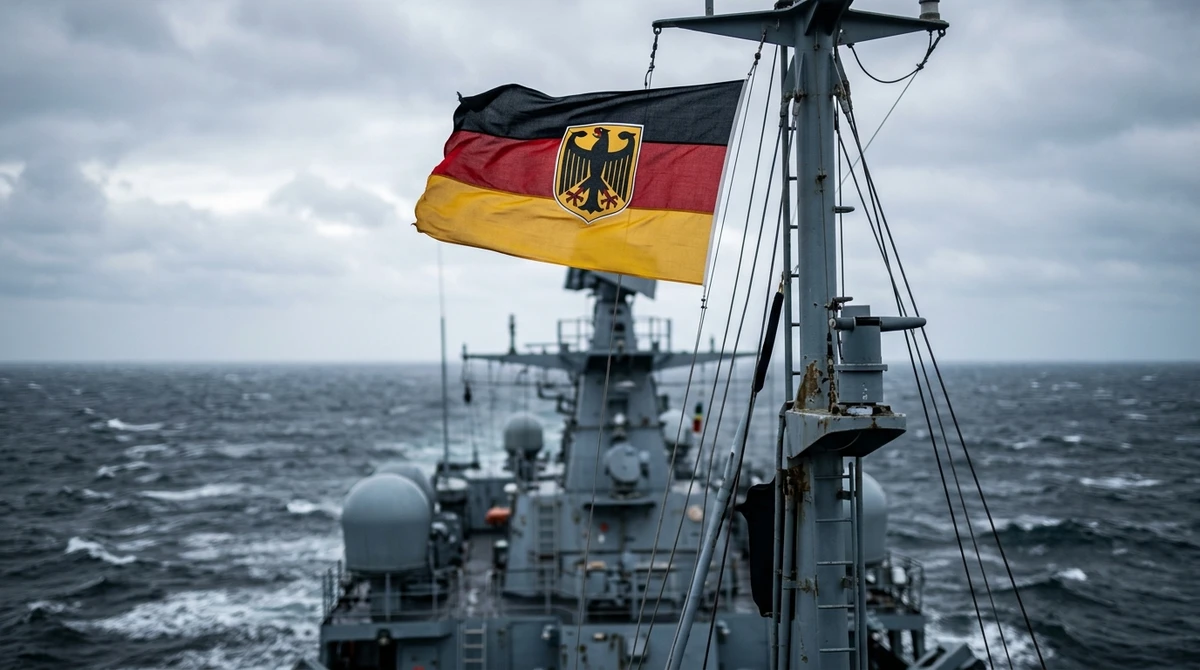
Germany Contracts Diehl to Arm Its Four F125 Frigates With IRIS-T SLM Air Defense Missiles
Diehl Defence and Germany's BAAINBw procurement office signed a contract on October 2, 2026 to adapt the IRIS-T SLM surface-to-air missile system for the German Navy's four Baden-Württemberg-class frigates, which were completed without a medium-range air defense missile.
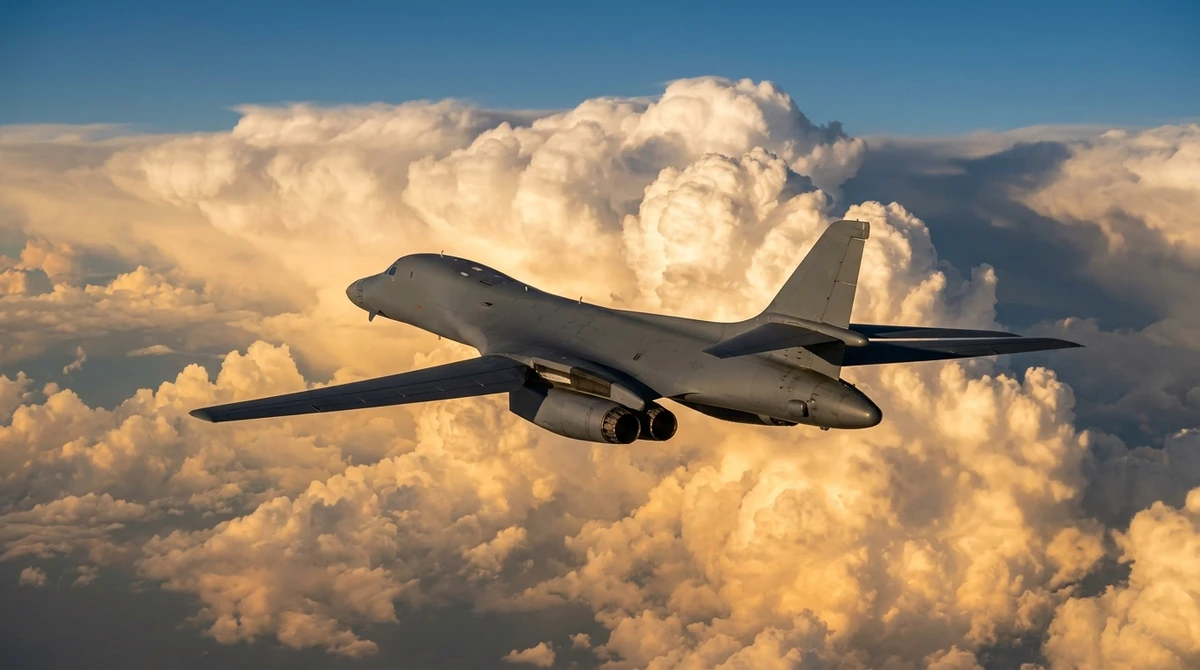
B-1B Lancer Reaches 40 Years in Service as US Air Force Plans to Keep It Flying Through 2037
The B-1B Lancer achieved initial operational capability on 1 October 1986; four decades later, 45 of the 100 bombers built remain in US Air Force service at Ellsworth and Dyess, and modernization funding is now planned to keep the type relevant through 2037.
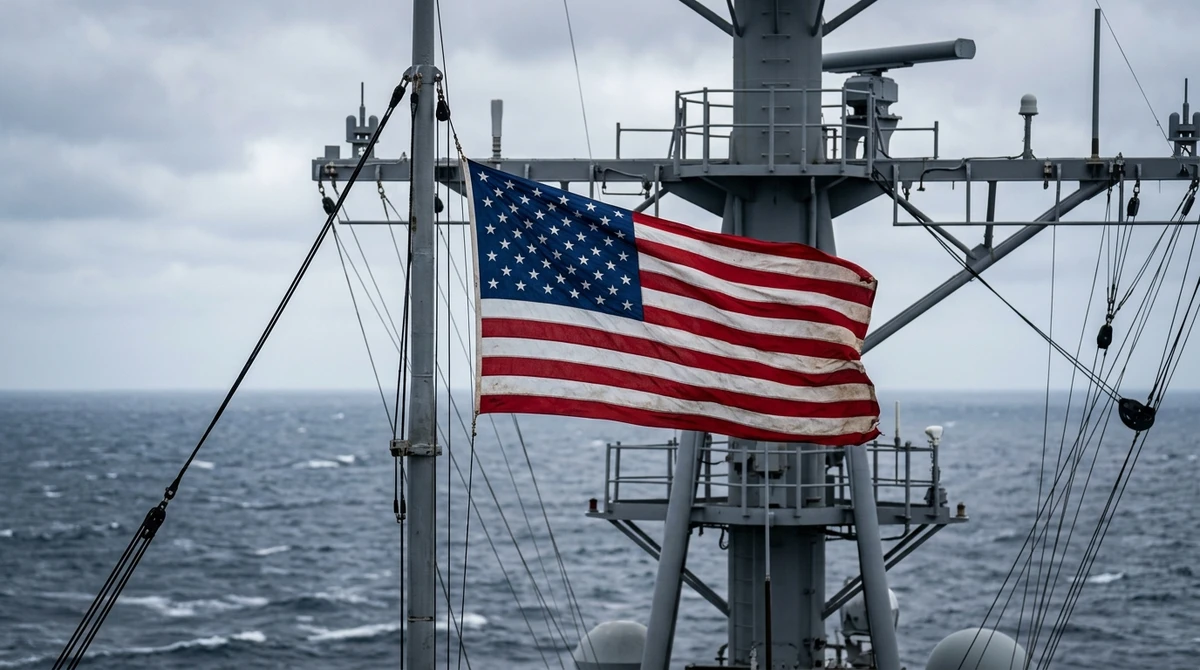
US Navy Awards Raytheon Up to $24.4 Billion Multiyear Contract for SM-6 Missiles
The US Navy on Oct. 1, 2026 awarded RTX's Raytheon unit a multiyear contract worth up to $24.4 billion for Standard Missile-6 interceptors, a five-year deal with two option years whose quantities remain undisclosed and whose funding Congress has yet to appropriate.
Ramjet vs Rocket: How the Meteor Keeps Thrusting to the Target While the AMRAAM Coasts
The Pentagon's AMRAAM contract of up to $20.7 billion, announced on September 28, 2026, expands output of a missile whose rocket burns early and then coasts; Europe's Meteor uses a throttleable ramjet that MBDA says thrusts until intercept.
Pentagon Awards Raytheon Up to $20.7 Billion to Nearly Double AMRAAM Production
The Pentagon on 28 September announced a five-year AIM-120 AMRAAM production contract with RTX's Raytheon business worth up to $20.7 billion, an undefinitized award that Reuters described as provisional because Congress has not yet funded the full deal.