Only Five Countries Field ICBMs Today: How Their Land-Based Arsenals Compare
Russia's Yars test from Plesetsk on August 27, 2026 is a reminder that intercontinental ballistic missiles remain the preserve of five states: GlobalMilitary.net counts twelve ICBM designs in service, four of them Russian and only one American.
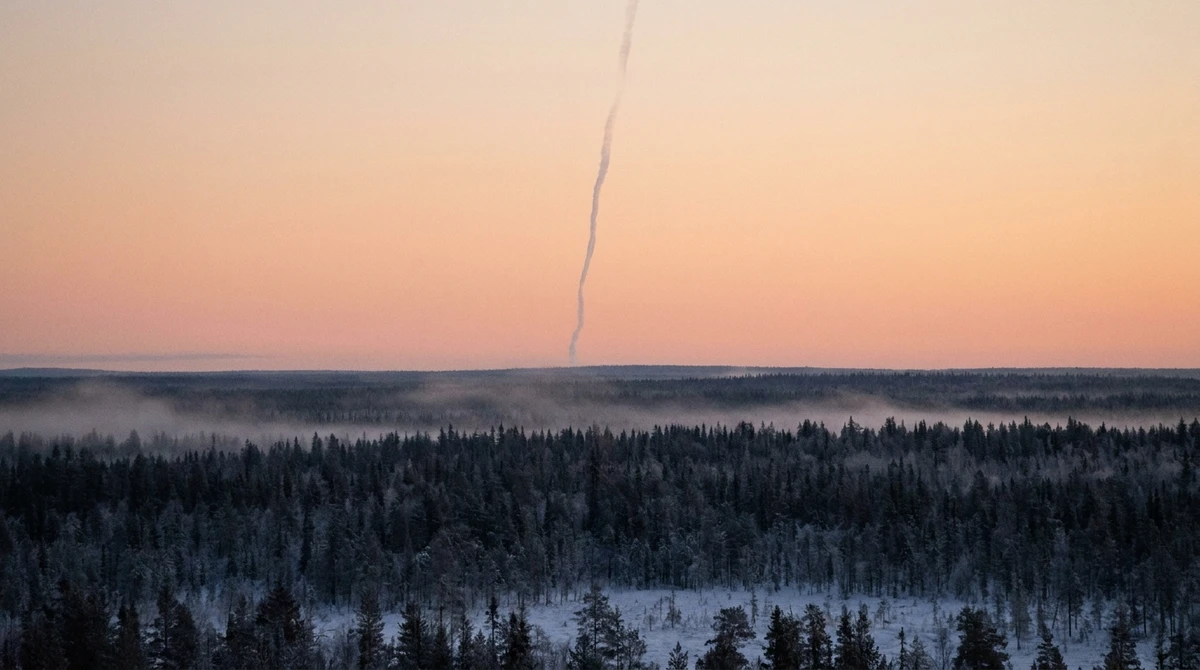
Russia's Strategic Missile Forces launched a mobile, solid-fuel intercontinental ballistic missile from the Plesetsk Cosmodrome on August 27, 2026, sending it some 6,700 km to the Kura test range on Kamchatka. Russia's defense ministry did not name the missile, but the launch signature points to an RS-24 Yars, according to The Moscow Times and The Barents Observer. The test came five days after Ukrainian long-range drones reached Arkhangelsk Oblast for the first time and, according to Roscosmos, targeted the Plesetsk site itself.
The launch is a useful moment to take stock of an exclusive club. Land-based intercontinental ballistic missiles, defined by a range of 5,500 km or more, are fielded today by just five countries. GlobalMilitary.net's missile catalog lists twelve distinct ICBM designs in service worldwide: four Russian, three Chinese, three North Korean, one American and one Indian.
Russia operates the most diverse force. Alongside the road-mobile and silo-based Yars, in service since 2010, it still deploys the silo-based RT-2PM2 Topol-M (2000), the Soviet-era UR-100N (1975), now used as the carrier for the Avangard hypersonic glide vehicle, and the liquid-fueled R-36M heavy ICBM (1988), which carries up to ten warheads. Its successor, the RS-28 Sarmat, was declared on combat duty by Moscow in 2023 but has yet to complete a convincing flight-test campaign and is listed here as still in development.
China fields three types: the silo-based, liquid-fueled DF-5 (1981), the road-mobile DF-31 family (2006) and the DF-41 (2017), a solid-fuel, multiple-warhead missile with an estimated range of 15,000 km. The older DF-4 has been retired. The three hundred or so new silos identified in the Chinese desert since 2021 are expected to receive DF-31 and DF-41 variants.
North Korea, despite an arsenal estimated by the Federation of American Scientists at around 60 warheads, already fields three intercontinental designs: the Hwasong-14 and Hwasong-15, both first flown in 2017, and the larger Hwasong-17 (2020). All three are liquid-fueled and road-mobile; the solid-fuel Hwasong-18 and Hwasong-19, tested since 2023, would add a fourth and fifth type once their status is confirmed.
The United States is the outlier. Its entire land-based deterrent rests on a single design, the LGM-30 Minuteman III, in service since 1970 and deployed in 400 silos across Montana, North Dakota and Wyoming. The ten-warhead LGM-118 Peacekeeper was withdrawn in 2005, and its planned replacement, the LGM-35 Sentinel, has slipped past its original 2029-2030 service-entry target after a cost breach in 2024. India completes the list with the Agni-V, an 8,000 km-class missile in service since 2018 and tested with multiple warheads in 2024.
Two caveats frame these figures. First, a count of designs is not a measure of strength: Russia and the United States each hold roughly 5,000 warheads in total according to the FAS estimates that feed the GlobalMilitary.net nuclear section, against about 620 for China, 190 for India and 60 for North Korea. Second, the other nuclear powers are not unarmed at intercontinental range: France and the United Kingdom carry their deterrents exclusively on submarine-launched missiles, and Israel's Jericho III is widely assessed to reach intercontinental range even though the type has never been officially described.
The immediate next milestones are American and Russian. The US Air Force is due to conduct further Minuteman III test launches from Vandenberg this year while it restructures the Sentinel program, and Russia has yet to demonstrate Sarmat in a full-range flight. Both countries, along with 39 others, are already committed to giving 24 hours' notice of such launches under the pre-notification pledge reported by GlobalMilitary.net on August 17.
More News
All news →
Ukraine Parades Nine Naval Drones on the Dnipro, from Air-Defense Fits to a Drone Carrier
Kyiv's 35th Independence Day parade on 24 August 2026 carried no tanks and no marching troops: nine unmanned surface vessels ran down the Dnipro, in air-defense, drone-carrier, rocket-artillery and strike configurations that show Ukraine's sea drones splitting into specialized roles.

The US Navy Fields Four Minesweepers to Europe's 157, and Sailed Two From Japan to Hormuz
The United States decommissioned its four Bahrain-based Avenger-class mine hunters in September 2025 and shipped the hulls home in January 2026. When Iran began mining the Strait of Hormuz two months later, the Navy had to sail two of its last four minesweepers from Japan.
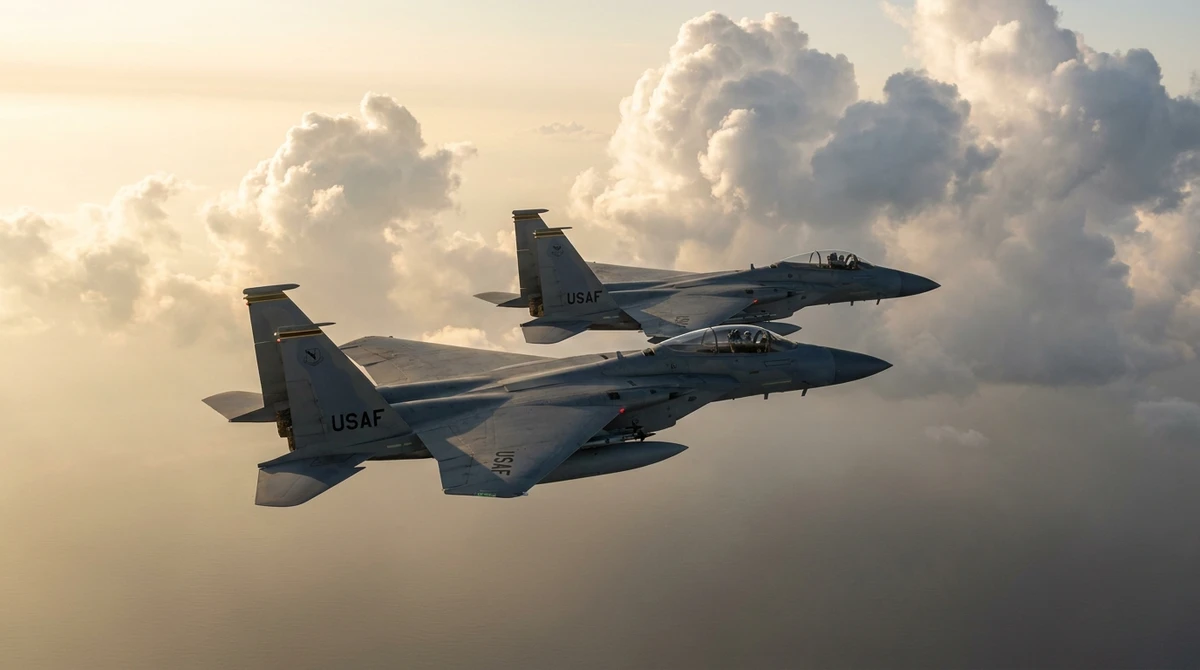
Boeing's $131 Billion F-15 Eagle Crest Contract Covers 1,000 Eagles in Seven Air Forces
The US Air Force awarded Boeing a $131.2 billion ceiling IDIQ contract on 24 August 2026 for F-15 production, upgrades and sustainment through 2037, with foreign military sales to Japan, Israel, Saudi Arabia, South Korea, Singapore, Indonesia and Poland.
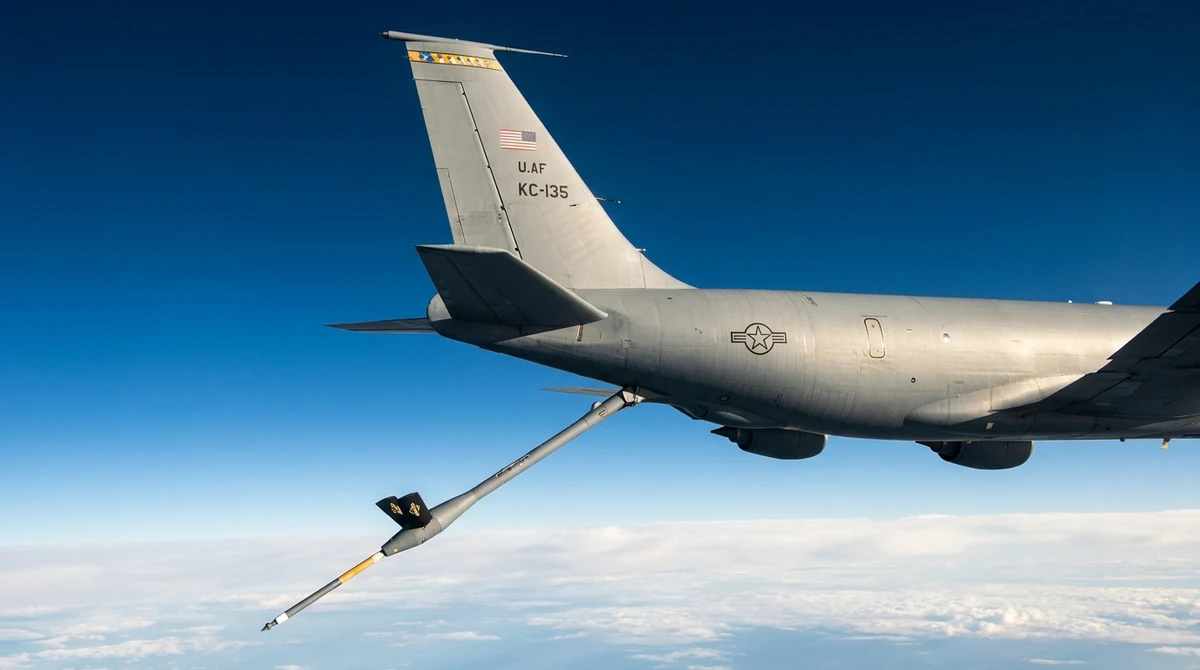
Only 30 Air Forces Can Refuel in Flight, and the US Owns Three of Every Four Tankers
The US State Department cleared a $4.5 billion sale of up to four KC-46A tankers to Qatar on August 20; GlobalMilitary.net data show why the buy matters: of 111 air forces flying combat aircraft, 81 have no tanker at all, and the United States operates 561 of the world's 740.
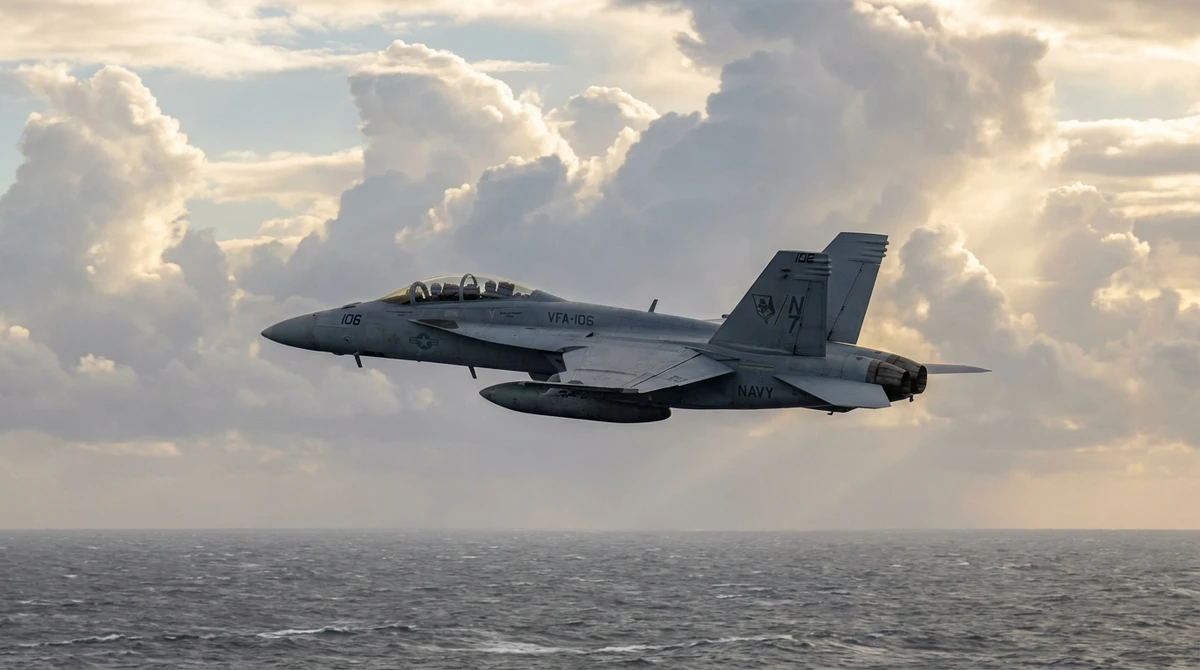
US Navy Reveals the AIM-424 Malice, a 463 km Air-to-Air Missile to Close the Gap With China
The US Navy disclosed the Raytheon-built AIM-424 Malice at the Tailhook symposium in Reno on 22 August 2026: a 1,500-pound two-stage weapon credited with more than 250 nautical miles of reach, destined for the Super Hornet, the F-35C and the future F/A-XX.
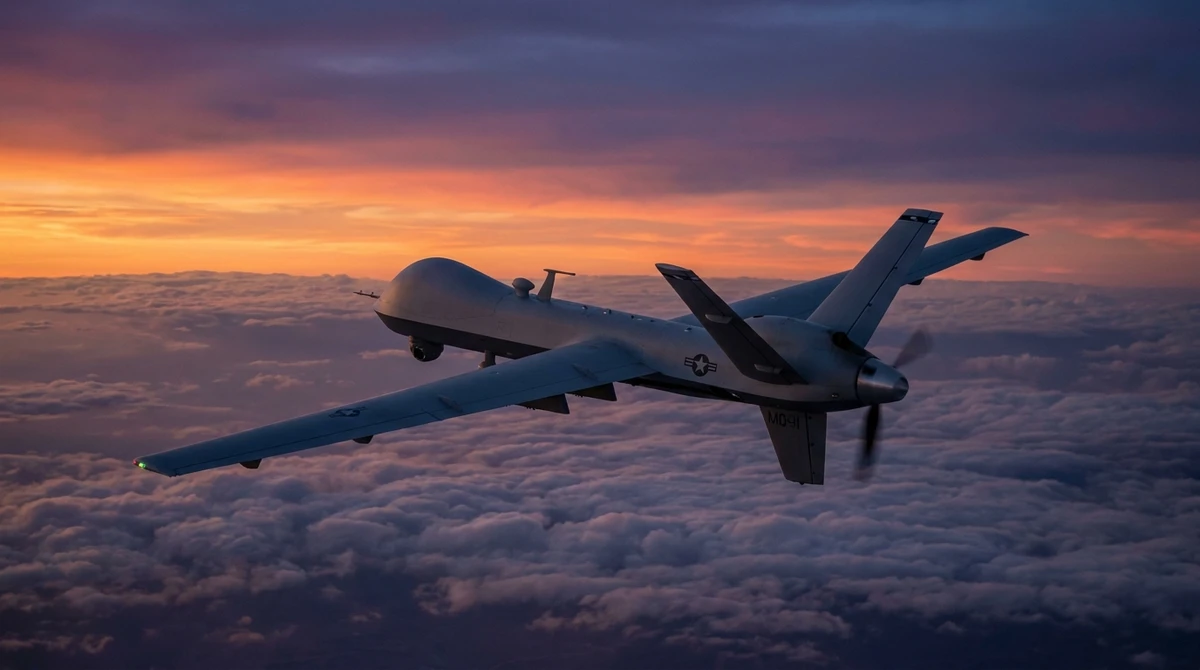
General Atomics Unveils Wildfire, an MQ-9 Successor, After 46 Reapers Lost in 2026
General Atomics has entered a clean-sheet drone called Wildfire into the Pentagon's Massed Modular Aircraft competition to replace the MQ-9 Reaper, a fleet that fell from 231 aircraft to 165 this year after 46 US Reaper losses in the war with Iran.