41 Nations Urge 24-Hour Notice for ICBM and Space Launches After Chinese SLBM Test
A joint statement delivered to the Conference on Disarmament in Geneva on 11 August 2026 asks every state to give at least 24 hours' notice before launching an ICBM, a submarine-launched ballistic missile or a space launch vehicle.

Forty-one countries called on 11 August 2026 for at least 24 hours' advance notice before any launch of an intercontinental ballistic missile, a submarine-launched ballistic missile or a space launch vehicle. The joint statement was delivered to the Conference on Disarmament in Geneva and published by the United States mission there.
The signatories ask that a notification specify the class of missile, the launch window, the launch area and the planned trajectory, and that it be accompanied by the standard navigational warnings issued to mariners and airmen. The stated rationale is narrow and practical: advance warning reduces the risk that a test flight is read as an attack, and gives civil aviation and shipping time to clear the impact area.
The immediate trigger was a Chinese test in July. China fired a nuclear-capable submarine-launched ballistic missile into the South Pacific, notifying Japan, Australia, New Zealand and Papua New Guinea only several hours beforehand, which the group of 41 judged insufficient. China's ambassador to the Conference on Disarmament rejected the statement on 13 August, calling it political manipulation and accusing the signatories of double standards over their own arsenals.
The gap the statement is trying to close is a real one. The Hague Code of Conduct against Ballistic Missile Proliferation, the existing multilateral pre-launch notification mechanism, has 145 subscribing states — but not China, North Korea, Pakistan, Israel or Iran. Russia does subscribe to it and made no public response to the Geneva statement.
China's sea-based deterrent is the fastest-growing part of its arsenal. GlobalMilitary.net puts the Chinese inventory at an estimated 620 warheads, third behind Russia's 5,420 and the United States' 5,042, and its ballistic missile submarines are being armed with the JL-3, introduced in 2022 and credited with a range beyond 10,000 kilometers. On land the DF-41 covers the same mission. The American systems the statement would equally cover are the silo-based LGM-30 Minuteman III and the submarine-launched Trident II D5.
Timing is the whole point. Reentry vehicles released by an ICBM are among the fastest missiles in the world, and a launch detected without warning leaves the other side minutes rather than hours to decide what it is looking at. A fuller picture of which agreements still bind whom is on the nuclear treaties page, and the country-by-country totals on the nuclear forces hub.
The statement is political, not binding: it creates no obligation and no verification mechanism, and the states whose practice it targets are precisely those that did not sign. Whether it changes anything will be visible at the next Chinese or North Korean long-range test.
More News
All news →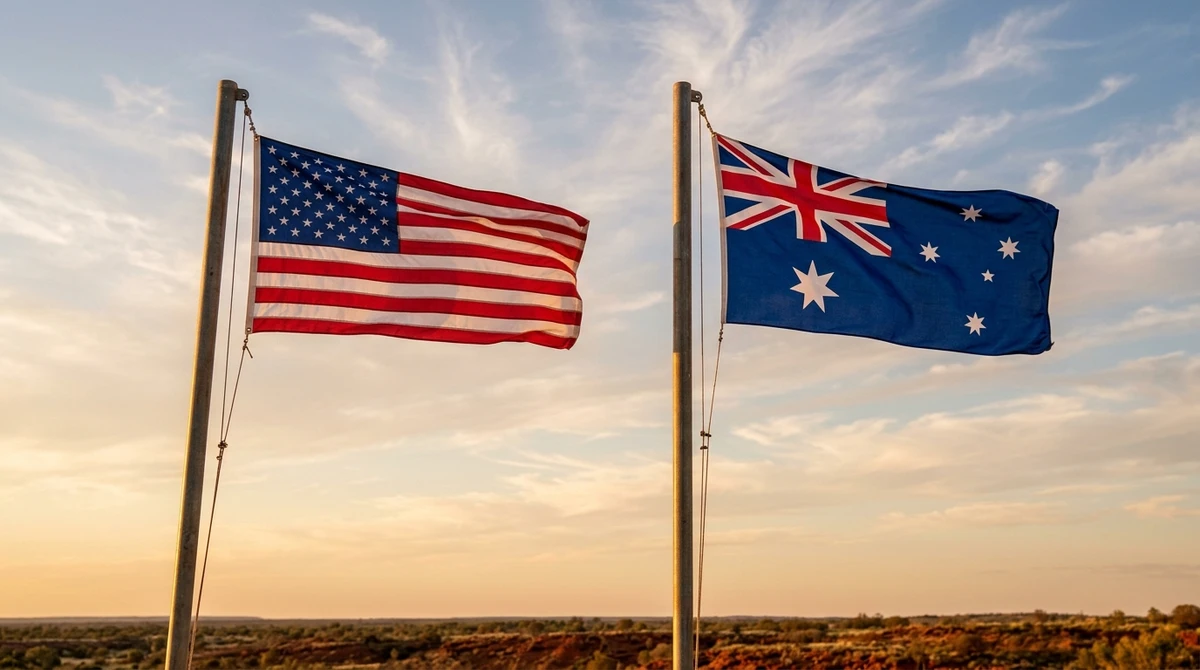
First HACM Hypersonic Cruise Missile Flight Test Unit Released Over Australia
The U.S. Air Force says a Hypersonic Attack Cruise Missile flight test unit was released by the Royal Australian Air Force over an Australian test range, without disclosing the date, the launch aircraft or whether the scramjet-powered weapon achieved powered flight.
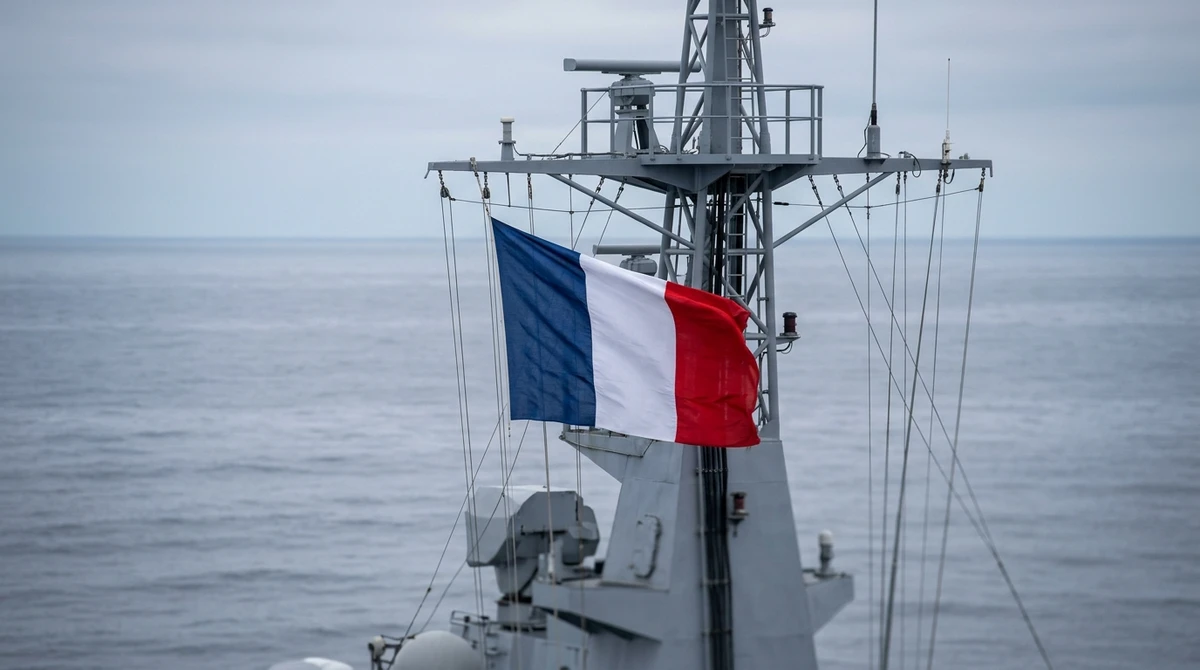
France Fires M51.3 Nuclear-Capable Missile From a Submarine for the First Time
The French Navy ballistic-missile submarine Le Vigilant launched an M51.3 without a nuclear warhead off Finistère, western France, on October 6, 2026, the first submarine firing of the missile's latest version, Defense News reported.
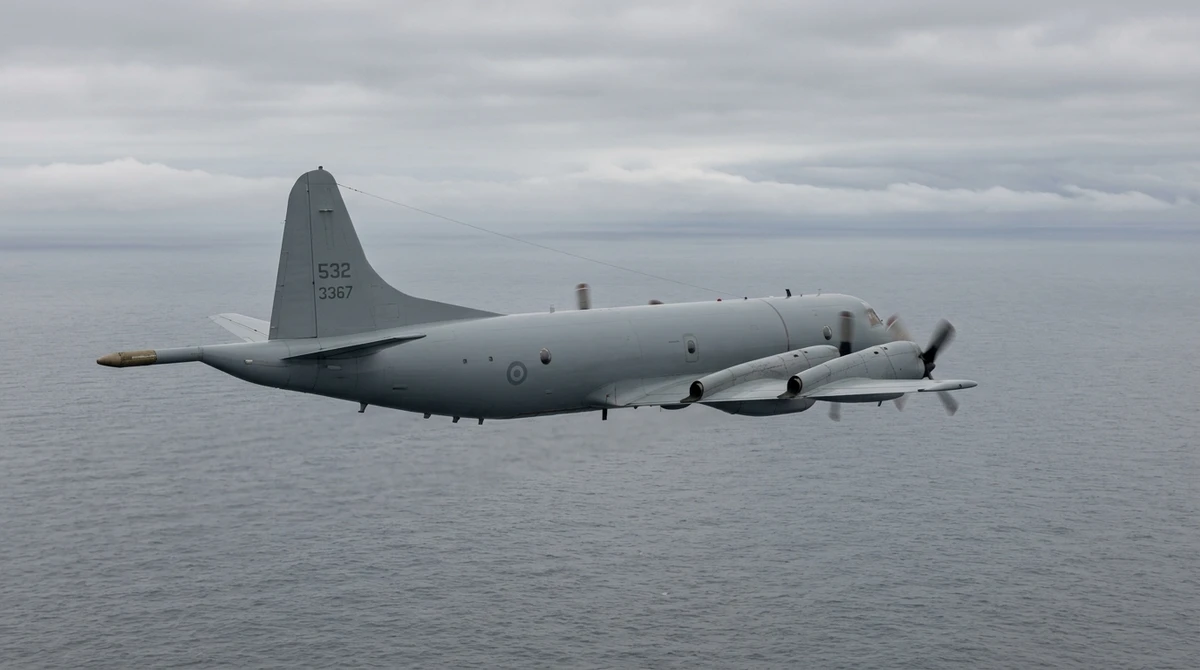
P-3 Orion Fleet Down to 101 Aircraft in 12 Countries, Roughly Half Its 2022 Size
GlobalMilitary.net's inventory data counts 101 P-3 Orions in military service across 12 countries, down from 211 in 16 countries in its 2022 snapshot, as US agencies retire special-mission Orions and Japan draws down the largest remaining fleet.

Northrop Grumman's YFQ-48A Talon Blue Completes First Fully Autonomous Flight at Mojave
Northrop Grumman said on October 3, 2026 that its company-funded YFQ-48A Talon Blue had taxied, taken off, maneuvered and landed without pilot input at Mojave, California, as the US Air Force prepares to select designs for Increment 2 of its Collaborative Combat Aircraft program.
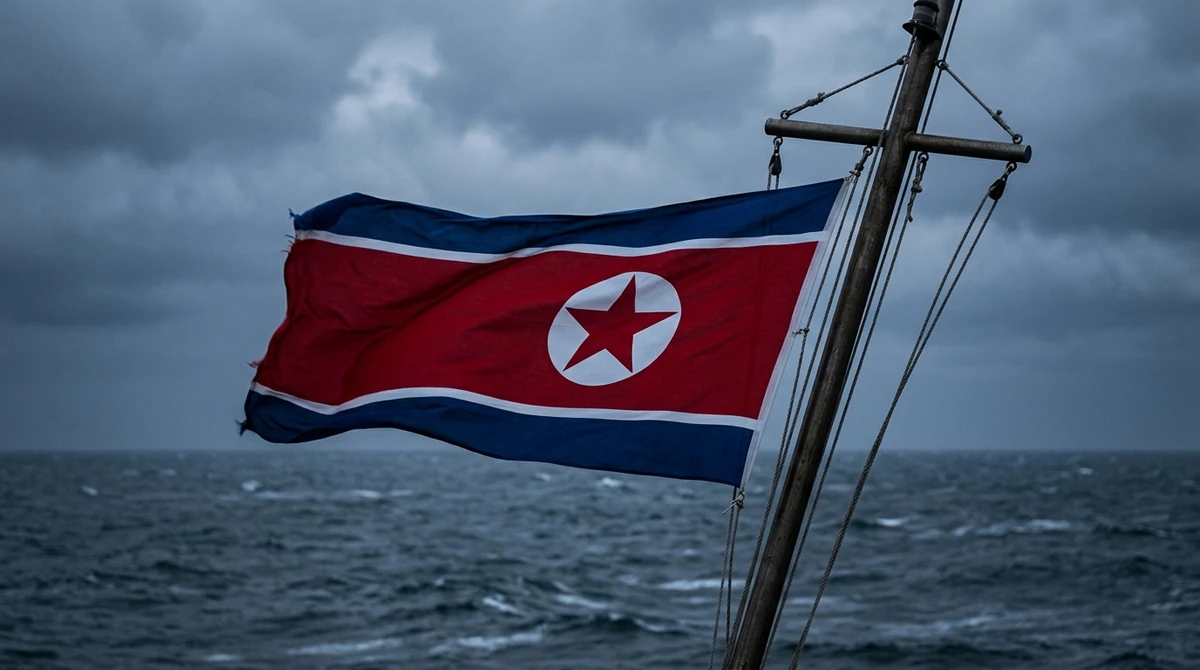
North Korea Says Hypersonic Missile Drill Hit Target 1,000 km Away; Seoul Tracked More Than 700 km
North Korea says a Saturday launch from the Wonsan area was a drill of its hypersonic strategic weapon system that struck a target 1,000 km away; South Korea's Joint Chiefs of Staff tracked a single ballistic missile flying more than 700 km into the East Sea.
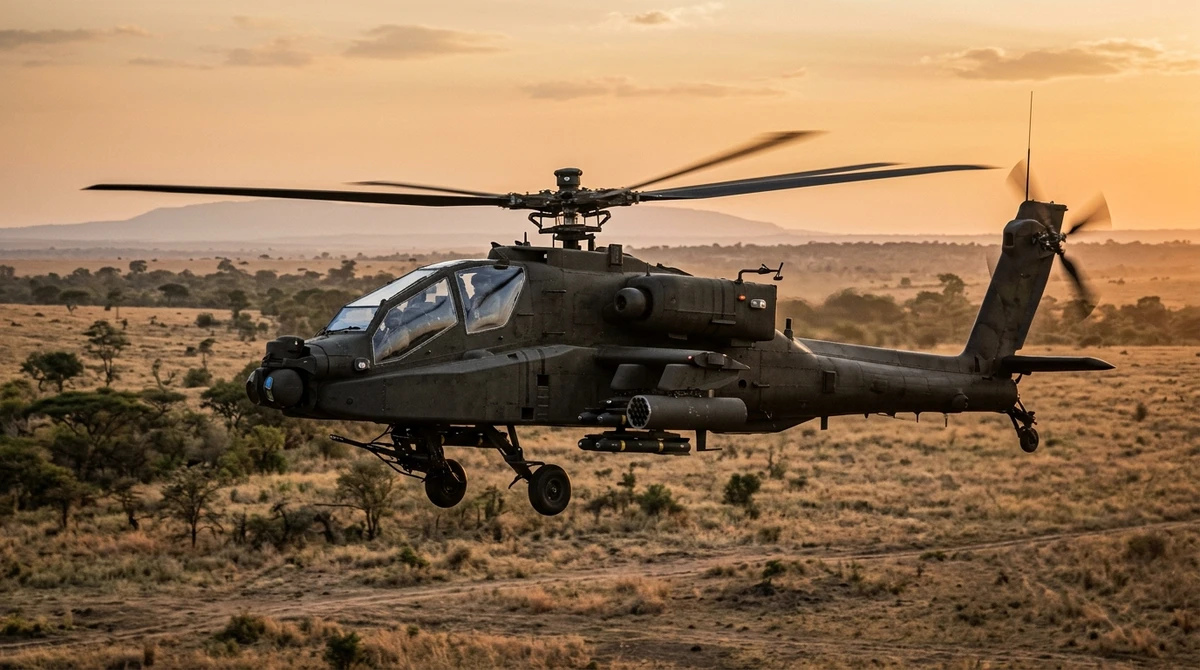
Australia Retires Its Tigers, Leaving Three Operators Among the World's 3,623 Attack Helicopters
The Australian Army has retired its Tiger attack helicopters, marking the fleet's sundown in Darwin on 30 September and leaving France, Germany and Spain as the only users; GlobalMilitary.net data counts 3,623 active attack helicopters in 81 countries.