Poland Leads NATO in Defense Spending, But 26 of Its 45 Warships Are Mine Warfare Vessels
The launch of the frigate ORP Wicher on 12 August ends a long drought in Polish surface shipbuilding. GlobalMilitary.net inventories show a navy of 45 active hulls in which mine warfare vessels outnumber every other category combined, backed by two 1980s-era frigates and one Soviet-built submarine.
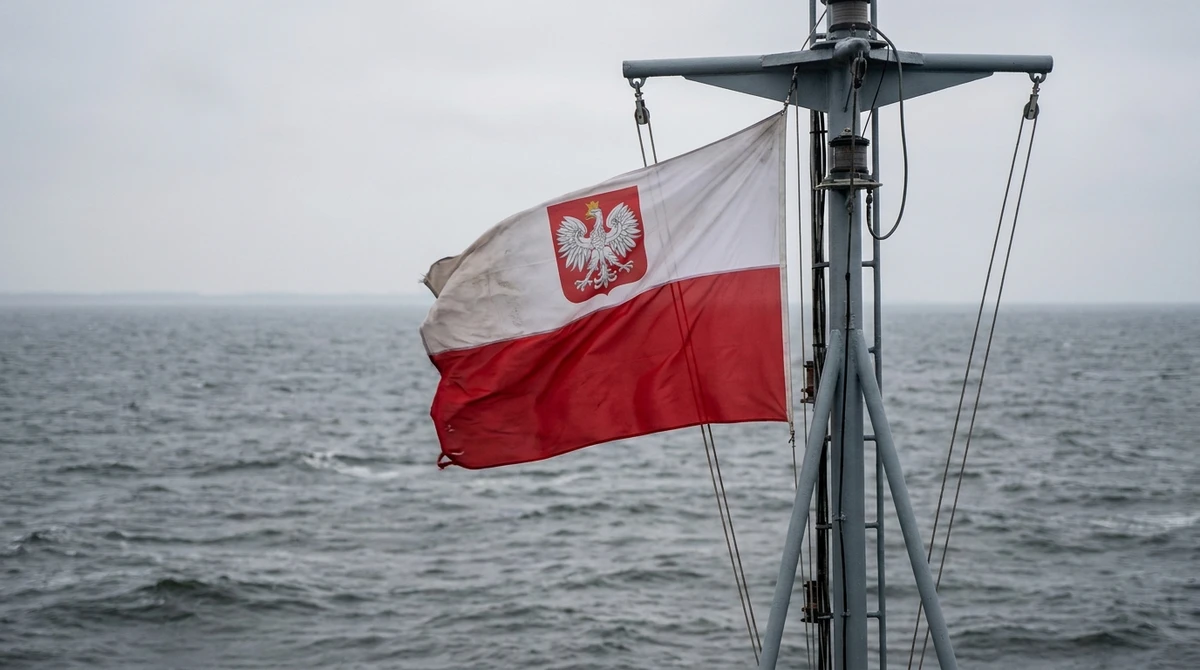
The first of three Project 106 Miecznik frigates, ORP Wicher, was launched on 12 August 2026 at the PGZ Stocznia Wojenna yard in Gdynia. The ship is the largest surface combatant Poland has built for itself, and the first new frigate ordered by Poland since the end of the Cold War.
Wicher displaces roughly 7,700 tonnes at maximum load, measures 138 m long and is designed for 28 knots and a range of about 8,000 nautical miles with a core crew of 120. The armament is heavier than that of the British design it derives from: 32 Mk 41 cells for MBDA CAMM and longer-ranged CAMM-MR interceptors, eight Kongsberg Naval Strike Missiles with provision for eight more, two dual-tube MU90 torpedo launchers, a Leonardo 76 mm gun and two 35 mm mounts. Thales supplies the TACTICOS combat system, the multifunction radars and the sonar suite. The hull is an adaptation of Babcock International's Arrowhead 140, the same parent design as the Royal Navy's Type 31 frigate.
The scale of the change is easier to read against what Poland actually operates today. GlobalMilitary.net's inventory of the Polish Navy records 45 active hulls, and 26 of them — minehunters, minesweepers, minelayers and a mine countermeasures command ship — belong to the mine warfare force. That is more mine warfare vessels than any navy in the world except Russia (44) and China (37), fleets an order of magnitude larger overall. Mine warfare accounts for 58 percent of the Polish fleet; every other category combined accounts for the rest.
What sits above that force is thin and old. The two surface combatants Wicher and its sisters are meant to replace are Oliver Hazard Perry-class frigates transferred from the US Navy, ORP Generał Kazimierz Pułaski in 2000 and ORP Generał Tadeusz Kościuszko in 2002, both from a class first commissioned in 1977. The submarine arm is a single boat, the Soviet-built Kilo-class ORP Orzeł, in service since 1986. Poland has no destroyers and no cruisers. Its only modern surface programs to reach the water in the past decade are three Kormoran II minehunters and, further back, three Orkan-class missile craft.
The gap is not one of money. Polish military expenditure reached 46.8 billion dollars in 2025, or 4.50 percent of GDP — the highest share of any NATO member, ahead of Latvia (3.61 percent), Estonia (3.37 percent) and the United States (3.12 percent), and roughly double Poland's own 2.20 percent in 2022. That spending has gone overwhelmingly to land and air power: Poland is 22nd in the global military power ranking largely on the strength of an army rebuilt around K2, Abrams and K9 orders, while the navy waited.
Two more Miecznik hulls follow. Burza is due to be launched in 2027 and commissioned in 2030, Huragan in 2028 and 2031, completing the class by the end of 2031; Wicher itself is scheduled to enter service in 2029. Poland selected Sweden's Saab A26 design in November 2025 to replace Orzeł with three boats under the Orka program, though a contract has yet to be signed. Until those deliveries arrive, the mine warfare force remains the part of the Polish Navy that is actually sized for the Baltic.
More News
All news →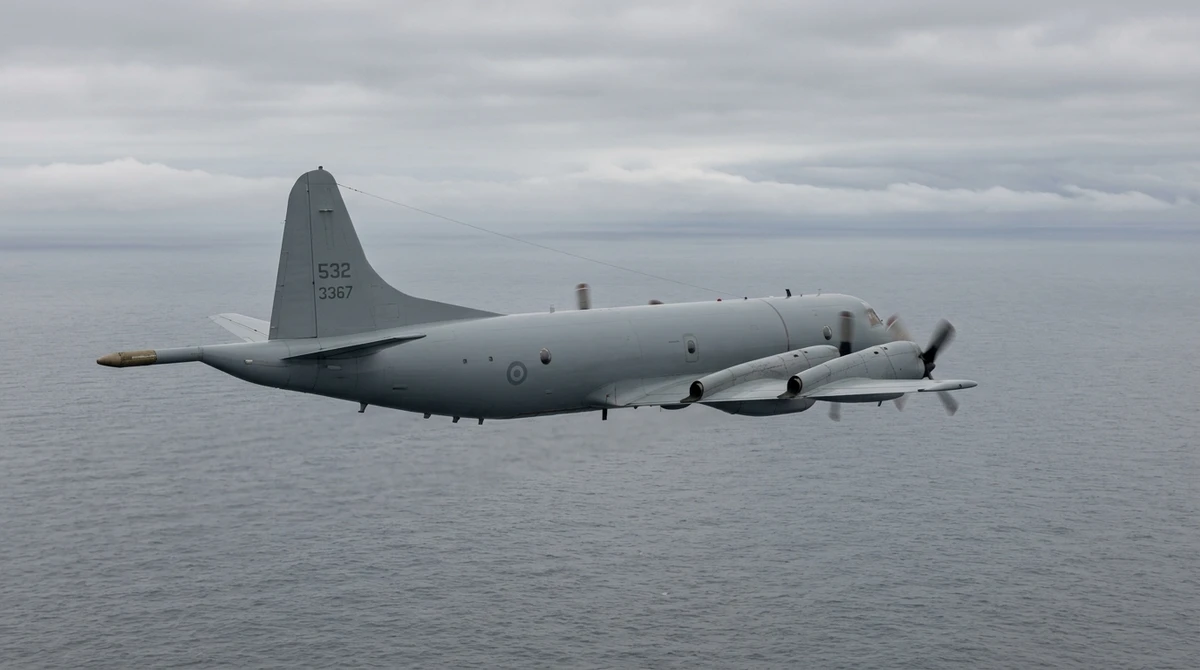
P-3 Orion Fleet Down to 101 Aircraft in 12 Countries, Roughly Half Its 2022 Size
GlobalMilitary.net's inventory data counts 101 P-3 Orions in military service across 12 countries, down from 211 in 16 countries in its 2022 snapshot, as US agencies retire special-mission Orions and Japan draws down the largest remaining fleet.
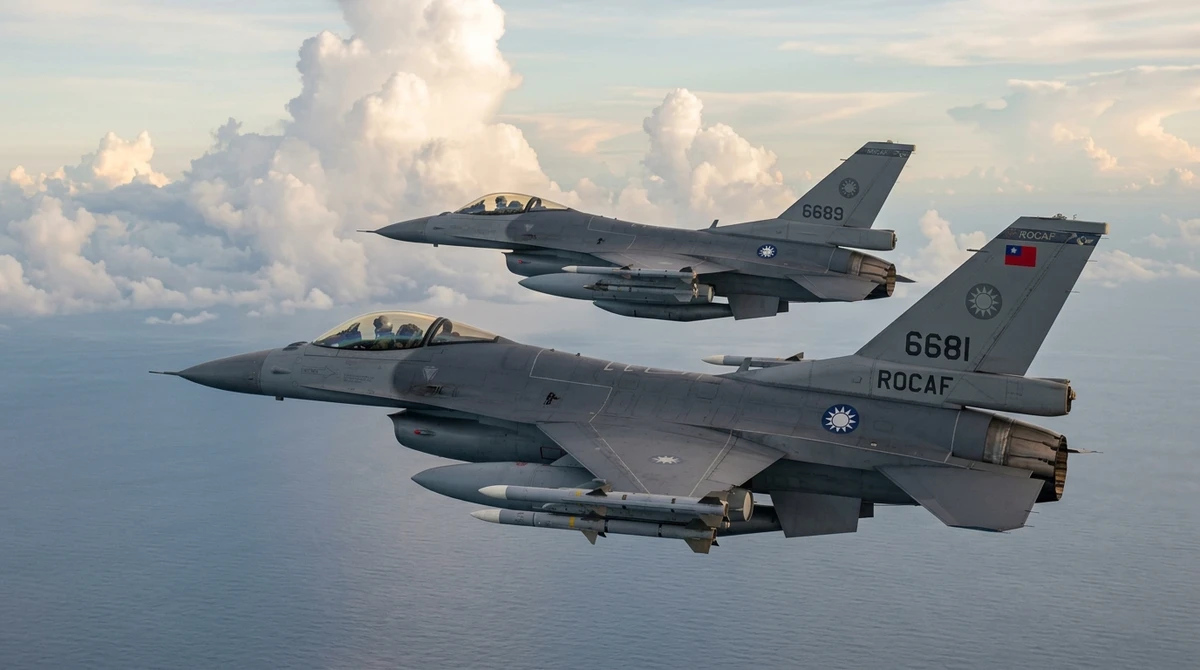
Taiwan Receives Its First Two F-16 Block 70s From the Largest F-16 Order Still Outstanding
The first two new-build F-16C Block 70 fighters landed at Chihhang Air Base on October 2, 2026, beginning deliveries on a 66-jet order that GMN's inventory data shows is the largest open F-16 order anywhere and that would lift Taiwan from seventh to fifth among F-16 operators on current figures.
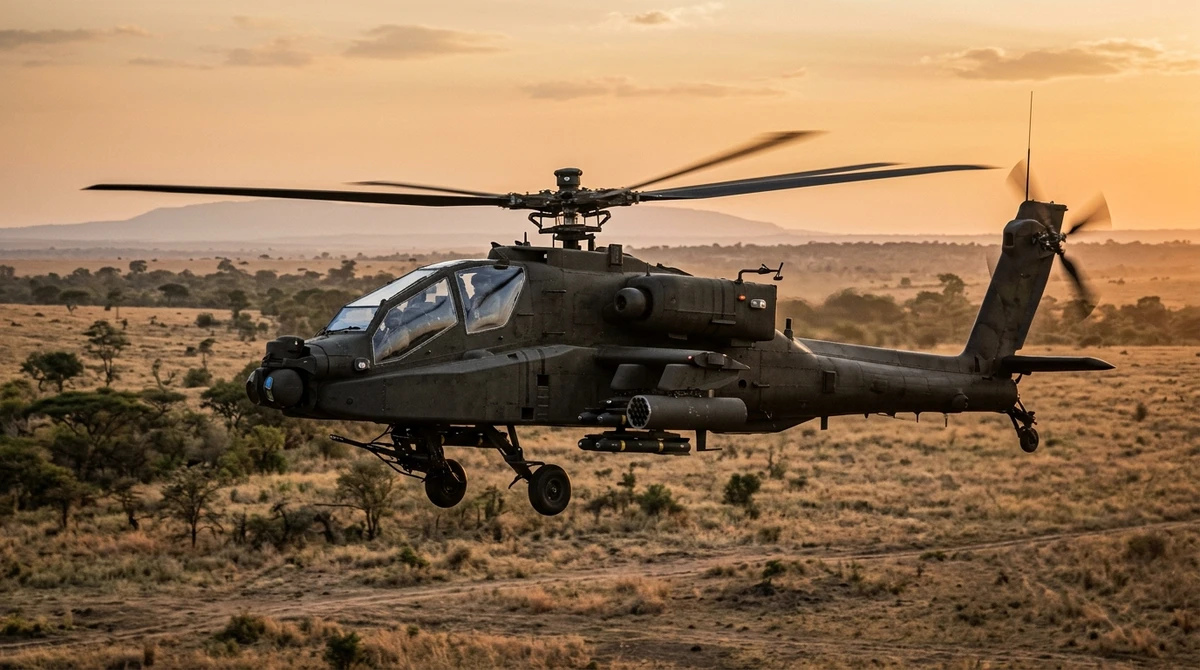
Australia Retires Its Tigers, Leaving Three Operators Among the World's 3,623 Attack Helicopters
The Australian Army has retired its Tiger attack helicopters, marking the fleet's sundown in Darwin on 30 September and leaving France, Germany and Spain as the only users; GlobalMilitary.net data counts 3,623 active attack helicopters in 81 countries.
Ramjet vs Rocket: How the Meteor Keeps Thrusting to the Target While the AMRAAM Coasts
The Pentagon's AMRAAM contract of up to $20.7 billion, announced on September 28, 2026, expands output of a missile whose rocket burns early and then coasts; Europe's Meteor uses a throttleable ramjet that MBDA says thrusts until intercept.

Russia Plans $202 Billion Defense Budget for 2027, Highest Since War Began, Budget Documents Show
Russia plans to spend 17.1 trillion roubles ($202.6 billion) on national defense in 2027, around 27% more than originally budgeted and the highest figure since the invasion of Ukraine in 2022, according to government budget documents seen by Reuters on September 28.

Canada Signs Preliminary Deal With Saab for Six GlobalEye Early-Warning Aircraft
Saab and Canada's Defence Investment Agency signed a non-binding term sheet on September 25, 2026, setting the framework for negotiations on six GlobalEye airborne early warning aircraft for the Royal Canadian Air Force.