Russia Plans $202 Billion Defense Budget for 2027, Highest Since War Began, Budget Documents Show
Russia plans to spend 17.1 trillion roubles ($202.6 billion) on national defense in 2027, around 27% more than originally budgeted and the highest figure since the invasion of Ukraine in 2022, according to government budget documents seen by Reuters on September 28.

Russia plans to spend 17.1 trillion roubles ($202.6 billion) on defense in 2027, according to budget documents seen by Reuters on September 28, 2026. The figure is around 27% more than the 13.5 trillion roubles originally budgeted for that year and the highest since the start of the war in Ukraine in 2022.
The 2027 line compares with the 12.1 trillion roubles the government had planned to spend on defense in 2026. Over the next three years, total defense spending will amount to 50 trillion roubles ($591.7 billion), according to the documents seen by Reuters. The same documents raise the government's estimate of the 2026 budget deficit to 3.2% of GDP, from 1.6%, with total budget spending in 2026 rising 13.2% to 48.6 trillion roubles, or 20.9% of GDP.
The documents also point to heavier borrowing. State debt is set to rise to 21.7% of GDP in 2027 from 19.9% in 2026, and total borrowing in 2027 will increase by 43% to 7.7 trillion roubles, according to the documents seen by Reuters.
Bloomberg reported on September 29 that military spending of 17.1 trillion roubles in 2027 would represent about 35% of the government's planned 48.8 trillion roubles in total expenditures, the highest share since the invasion began. The extra spending pushes the planned 2027 deficit to 2.2% of GDP, against an earlier target of 1.2%, Bloomberg reported.
The plan extends a steep upward trend already visible in GlobalMilitary.net's own country data. In the military expenditure series compiled from the CIA World Factbook, expressed in current US dollars, Russia spent $59.7 billion in 2020 (4.0% of GDP), $73.7 billion in 2021 (4.0%), $103.1 billion in 2022 (4.5%), $103.6 billion in 2023 (5.0%) and $152.2 billion in 2024 (7.0%), the most recent year available for Russia in that series. The 2024 figure is about 2.5 times the 2020 figure in the series behind the site's defense budget ranking.
Set against the same series for other major spenders, the scale of the 2027 plan stands out. In 2025 the United States spent $920.0 billion (3.2% of GDP), Germany $112.5 billion (2.4%), the United Kingdom $88.5 billion (2.4%), France $66.4 billion (2.1%) and Poland $41.3 billion (4.5%); China spent $281.2 billion (1.5%) in 2024. One caveat applies to any such comparison: Russia's "national defense" budget line reported by Reuters and Bloomberg and the Factbook military-expenditure series are different measures, and the 2027 figure is a plan converted at Reuters' exchange rate rather than an outturn, so the comparison with other countries is indicative rather than like-for-like. On that indicative basis, the planned 2027 defense line alone exceeds Germany's 2025 military expenditure, a gap visible in the site's Germany-Russia comparison. Russia ranks third in GlobalMilitary.net's ATLAS military power index, behind the United States and China.
The government is expected to submit the draft budget to the State Duma by October 1, Reuters reported. Until parliament passes the budget law, the 17.1 trillion rouble defense line remains a government proposal rather than an appropriation, and the figures above may still change during the legislative process.
More News
All news →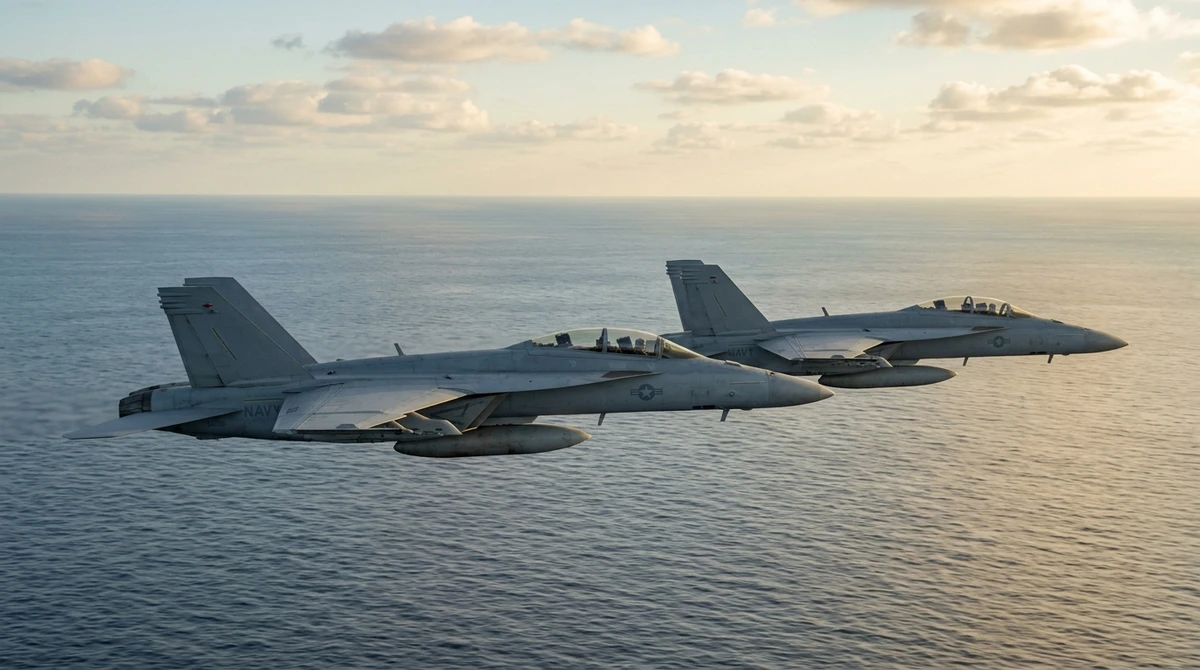
Boeing Wins US Navy's F/A-XX Sixth-Generation Fighter, Successor to 700 Super Hornets and Growlers
The Pentagon announced on September 29, 2026 that Boeing will build the F/A-XX, the US Navy's sixth-generation carrier-based fighter, under a full-scale development contract worth more than $20 billion to replace the F/A-18E/F Super Hornet and EA-18G Growler from the 2030s.

Canada Signs Preliminary Deal With Saab for Six GlobalEye Early-Warning Aircraft
Saab and Canada's Defence Investment Agency signed a non-binding term sheet on September 25, 2026, setting the framework for negotiations on six GlobalEye airborne early warning aircraft for the Royal Canadian Air Force.
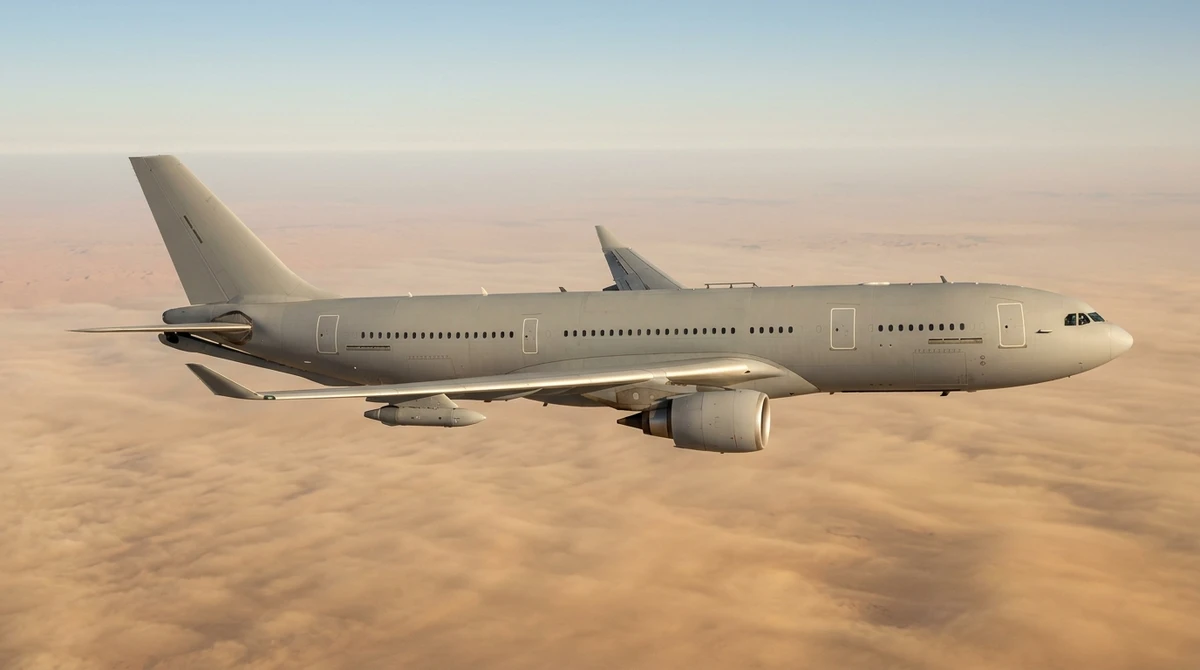
Boom or Drogue: Why the RAF Tanker Sent to Saudi Arabia Cannot Refuel Its F-15s
Britain announced on September 22, 2026 that it will send a Voyager tanker to Saudi Arabia, but its hose-and-drogue pods can serve only the Typhoons and Tornados, not the 232 F-15s that make up 60 percent of the Saudi combat fleet.
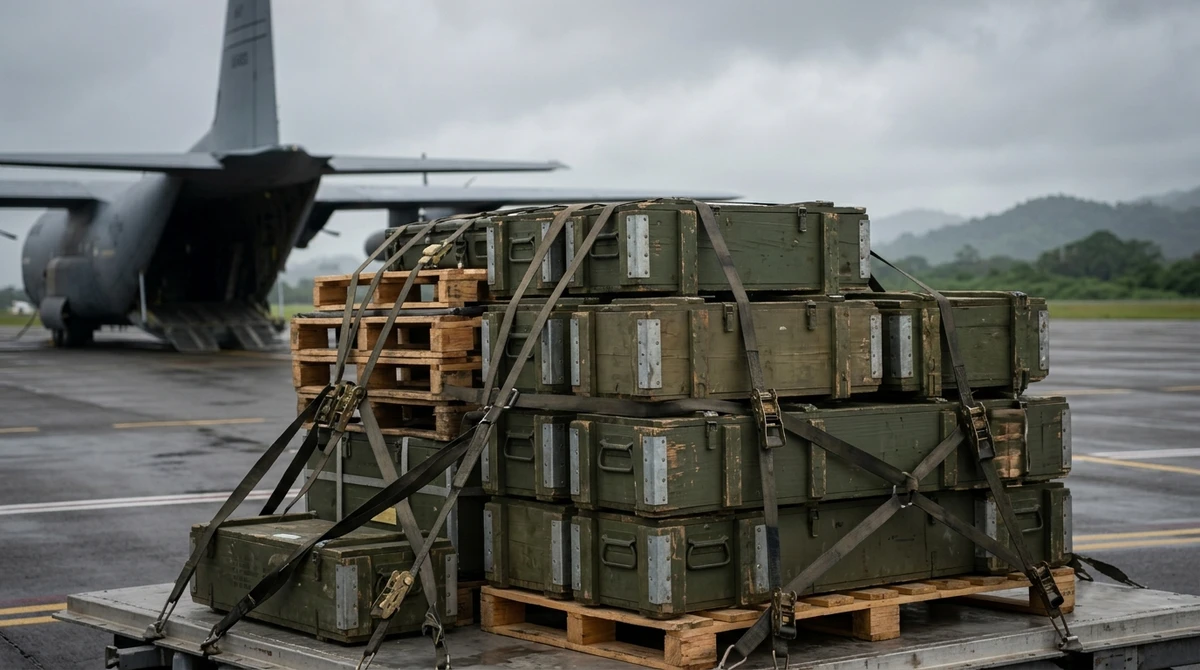
Guatemala Receives First Lot of More Than 2,000 M4A1 Carbines in First US Arms Purchase in Decades
Guatemala's army formally took delivery on 21 September 2026 of a first lot of more than 2,000 US-made M4A1 carbines at La Aurora International Airport in Guatemala City, the opening tranche of a US$5 million Foreign Military Sales order for a new jungle brigade in Petén.
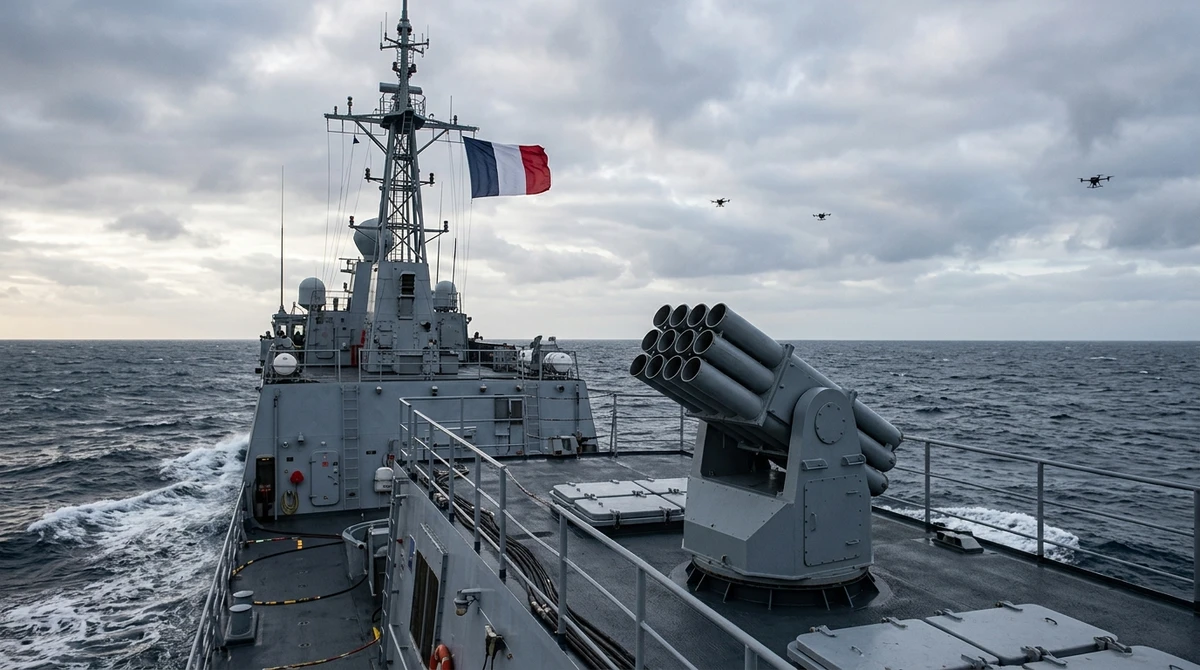
Naval Group's Rampart Counter-Drone Launcher Fitted to French Mistral-Class Ship Ahead of Sea Trials
Naval Group's modular Rampart close-in weapon system was spotted aboard a French Navy Mistral-class amphibious assault ship in Toulon, according to reports of September 22, 2026, ahead of a first at-sea firing campaign scheduled for October during the counter-drone exercise WildFire.
General Atomics Delivers FQ-42 Vengeance Uncrewed Fighter to Creech Air Force Base
General Atomics delivered one FQ-42 Vengeance uncrewed fighter to Creech Air Force Base, Nevada, on September 18, as the company says it is on track to build six a month and the Secretary of the Air Force expects at least 500 autonomous aircraft in service by 2032.